
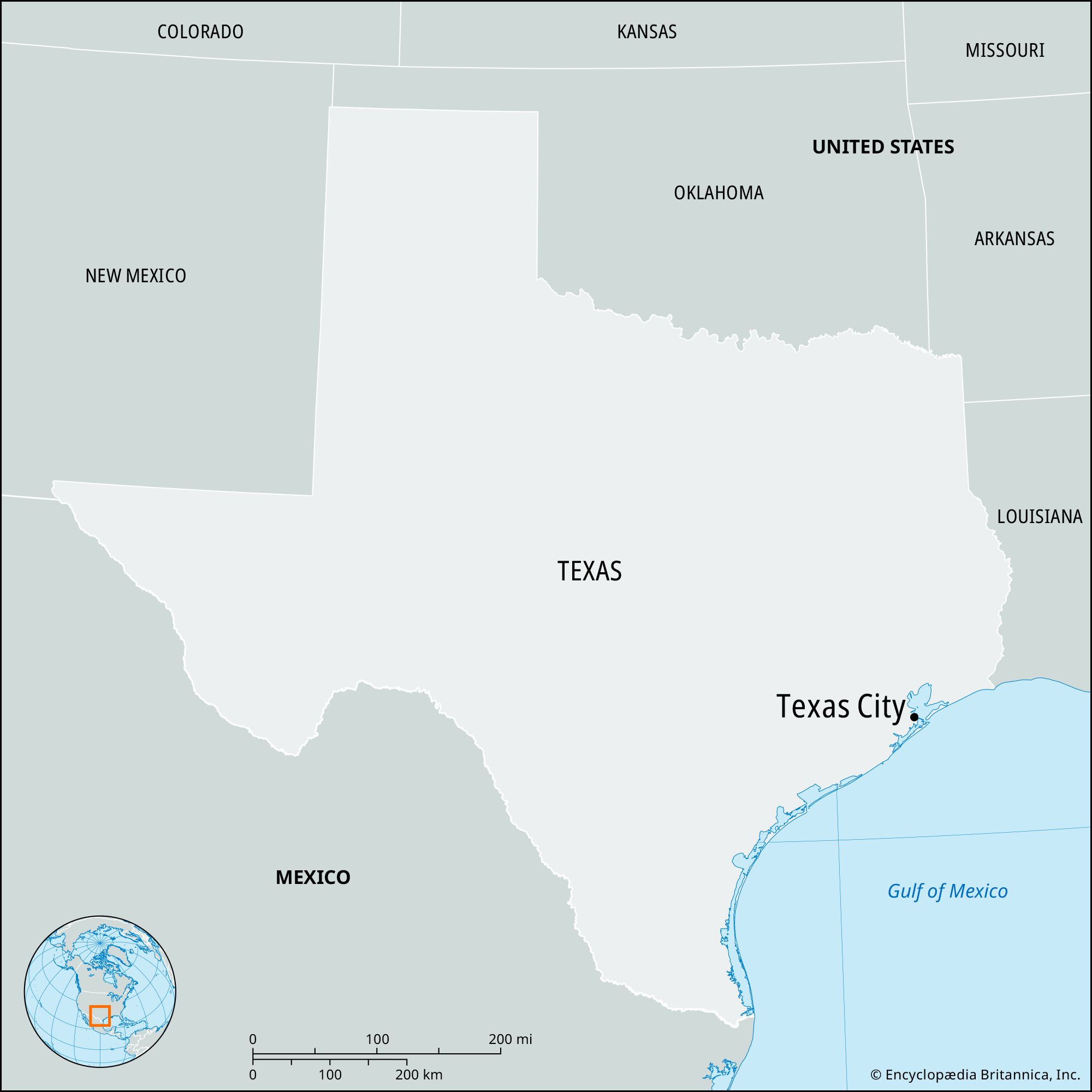
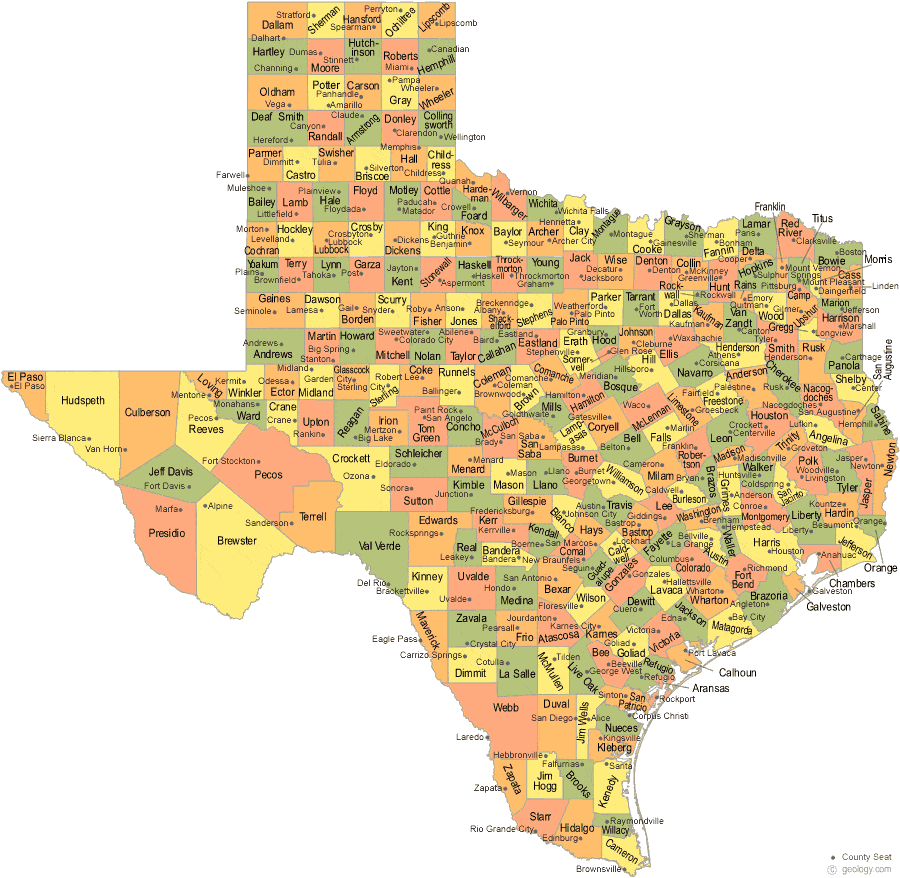
Texas City, Texas, a vital industrial and coastal hub, is situated within Galveston County, Texas. This strategic location places it along the northwestern shore of Galveston Bay, offering both significant economic opportunities and a unique cultural landscape shaped by its maritime heritage and proximity to the larger metropolitan area of Houston. Understanding the county’s administrative and geographical context is fundamental to appreciating Texas City‘s role in the broader Texas panorama, from its economic drivers to its recreational offerings and historical significance. Galveston County itself is a tapestry of coastal communities, each with its distinct character, and Texas City stands as a prominent thread within that fabric.
Navigating Galveston County: The Geographical and Administrative Landscape
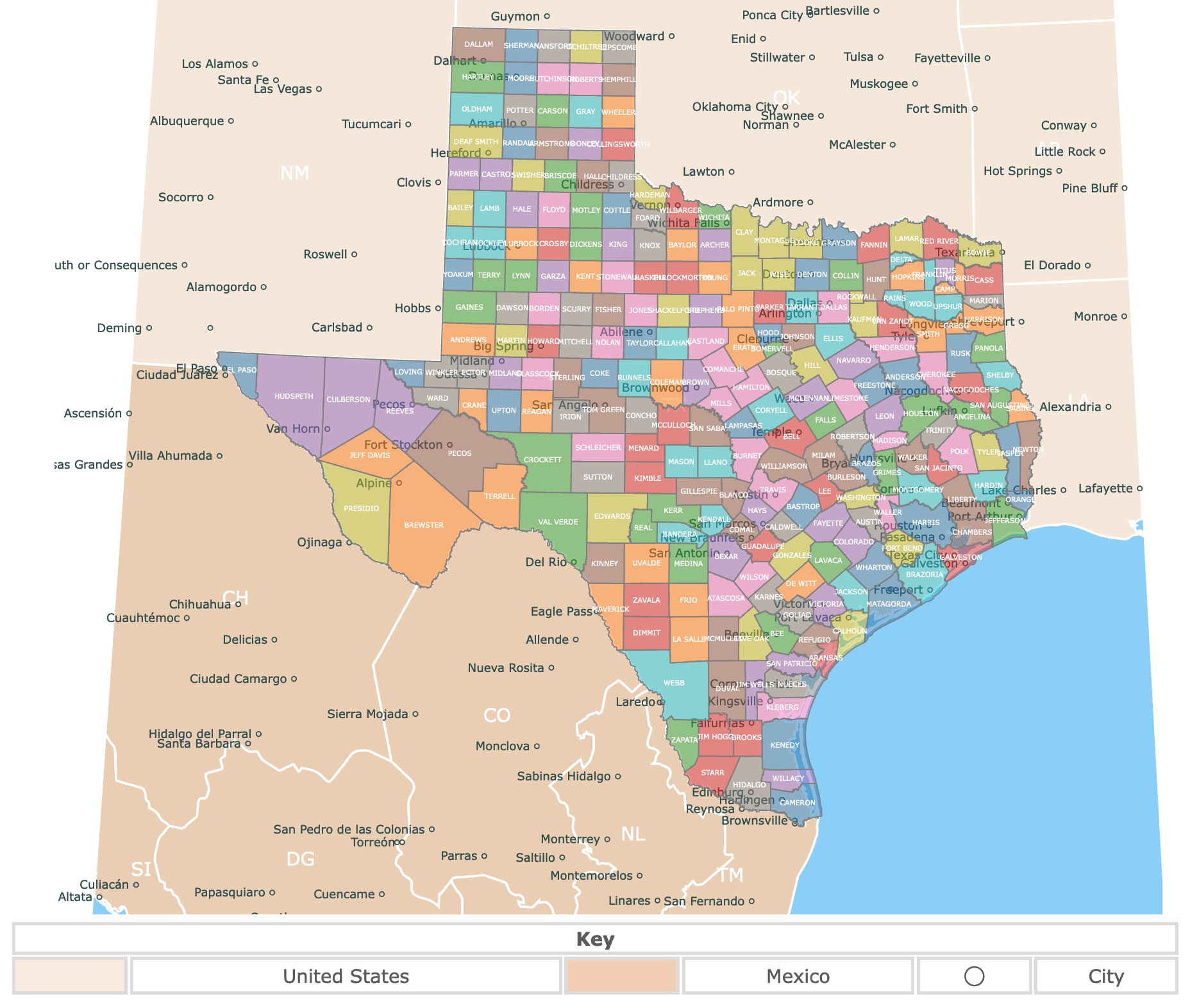
Galveston County is one of the original 133 counties of Texas, established in 1839 and organized in 1841. Its namesake, Galveston Bay, is the largest estuary in Texas, a critical waterway that has historically supported trade, fishing, and industry. The county encompasses a diverse range of environments, from the barrier island of Galveston Island to the mainland coastal plains where Texas City is located. This geographical diversity influences everything from local economies to the types of natural attractions available to residents and visitors.
Key Municipalities and Their Roles
Within Galveston County, several key municipalities contribute to the region’s economic and social vitality.
- Galveston: The county seat and a historic island city, Galveston is renowned for its Victorian architecture, cruise terminals, and tourist attractions. It serves as the administrative heart of the county and a major draw for visitors.
- Texas City: Located on the mainland, Texas City is a significant industrial center, particularly known for its petrochemical industry and port facilities. Its proximity to Galveston Bay and the Gulf of Mexico has shaped its development and economic base.
- League City: This rapidly growing city straddles the border of Galveston County and Harris County, offering a blend of suburban living with access to bayfront recreation.
- Dickinson: Another mainland city, Dickinson also benefits from its coastal location and proximity to major employment centers.
The administrative functions of Galveston County are managed from the courthouse in Galveston. However, each city, including Texas City, maintains its own local government, responsible for services such as law enforcement, zoning, and local development. This dual layer of governance is typical in Texas and ensures that local needs are addressed while also participating in broader county-wide initiatives.
The Significance of Galveston Bay
The presence of Galveston Bay is a defining characteristic of Galveston County. This expansive bay system is crucial for:
- Commerce: The Port of Texas City and the Port of Galveston are vital economic engines, facilitating the import and export of goods. The bay’s deep channels allow large vessels to access these ports, supporting the region’s robust industrial sector.
- Ecology: Galveston Bay is a rich estuarine environment, supporting diverse marine life, including commercially important species like shrimp and oysters. Conservation efforts within the county are often focused on protecting this vital ecosystem.
- Recreation: The bay and its surrounding waters offer numerous opportunities for boating, fishing, birdwatching, and other water-based activities, contributing to the lifestyle and tourism appeal of the region.
Texas City’s Strategic Position within Galveston County
Texas City’s placement within Galveston County is not merely a matter of geography but a key determinant of its identity and economic trajectory. Its position on the mainland, directly on the western edge of Galveston Bay, provides unparalleled access to crucial infrastructure and natural resources. This has historically positioned Texas City as a critical nexus for industrial development and transportation.
Industrial Powerhouse: The Petrochemical Hub
The most prominent feature of Texas City‘s economy, and by extension, its relationship with Galveston County, is its status as a major industrial center, particularly in the petrochemical sector. The presence of large refineries and chemical plants, including those operated by companies like Marathon Petroleum and Dow Chemical, drives significant economic activity and employment within the county.
- Refining Capacity: Texas City boasts one of the largest refining complexes in the United States. These facilities process crude oil into gasoline, diesel fuel, jet fuel, and various other petrochemical products, supplying both domestic and international markets.
- Chemical Manufacturing: Beyond refining, the city is home to extensive chemical manufacturing operations, producing a wide array of products from plastics to specialty chemicals. This manufacturing base is deeply interconnected with the refining sector.
- Port of Texas City: Integral to the industrial landscape is the Port of Texas City, one of the busiest ports in Texas by tonnage. It handles a massive volume of cargo, including crude oil, refined products, chemicals, and containerized goods. The port’s infrastructure and deep-water access are critical for the logistical operations of the industrial plants.
- Economic Impact: The industrial sector in Texas City generates substantial tax revenue for Galveston County and provides direct and indirect employment for thousands of residents across the county. It also necessitates specialized infrastructure, such as pipelines, rail lines, and maritime facilities, which are coordinated at both the city and county levels.
Maritime Connections: Galveston Bay and Beyond
The relationship between Texas City and Galveston County is inextricably linked to their shared access to Galveston Bay and the Gulf of Mexico. This maritime connection is multifaceted, impacting commerce, environment, and lifestyle.
- Shipping and Logistics: The Port of Texas City is a crucial gateway for international trade. Its facilities are designed to handle bulk cargo, liquid bulk, and general cargo, making it a vital link in global supply chains. This activity requires coordination with Galveston County port authorities and state maritime agencies.
- Fishing and Aquaculture: While not as dominant as in some other coastal communities, fishing and aquaculture contribute to the local economy and cultural heritage of Galveston County. The waters around Texas City support various species, and fishing fleets operate from nearby harbors.
- Environmental Stewardship: The health of Galveston Bay is a shared concern for all communities within Galveston County. Texas City‘s industrial activities necessitate rigorous environmental monitoring and management to protect the bay’s delicate ecosystem. Collaborations between the city, county, and state environmental agencies are essential for this.
Attractions and Lifestyle in and Around Texas City
While Texas City is often recognized for its industrial prowess, it also offers a range of attractions and a lifestyle shaped by its coastal location and community spirit, all within the broader context of Galveston County.
Coastal Recreation and Natural Beauty
The proximity to Galveston Bay and the Gulf of Mexico provides residents and visitors with ample opportunities for outdoor recreation.
- Texas City Dike: A notable landmark, the Texas City Dike is a seven-mile-long breakwater that extends into Galveston Bay. It is a popular spot for fishing, crabbing, boating, and enjoying panoramic views of the bay and the Galveston skyline. The dike also serves a critical function in protecting the city’s industrial facilities from storm surge.
- Bayfront Parks: Several parks along the bayfront offer recreational amenities, including boat ramps, picnic areas, and walking trails. These spaces are vital for community life and provide access to the waterfront.
- Birdwatching: The diverse coastal habitats of Galveston County, including the marshes and shorelines near Texas City, attract a wide variety of bird species, making the area a popular destination for birdwatchers.
Cultural and Historical Elements
Texas City and its surrounding Galveston County offer a glimpse into the region’s rich history and evolving culture.
- Texas City Museum: While smaller in scale compared to the museums in Galveston, local museums often preserve the history of the city, including its industrial development, maritime heritage, and community stories.
- Proximity to Galveston Island: The short drive to Galveston Island opens up a wealth of historical sites, museums, and entertainment options. The Strand, Moody Gardens, and the Galveston Historic Seaport Museum are just a few examples of the cultural attractions available within the county.
- Local Cuisine: The culinary scene in Texas City and the surrounding areas is influenced by its coastal location, with an emphasis on seafood. Local restaurants offer fresh catches, often prepared in Southern and Creole-inspired styles. Visitors can explore various dining options, from casual seafood shacks to more upscale establishments.
Community and Events
Texas City, as part of Galveston County, fosters a strong sense of community through local events and traditions.
- Festivals and Celebrations: The county hosts numerous festivals throughout the year, celebrating everything from seafood to local heritage. These events provide opportunities for residents to connect and for visitors to experience the local culture.
- Community Parks and Recreation: Beyond the bayfront, Texas City maintains various community parks and recreational facilities, offering spaces for sports, family gatherings, and leisure activities. These amenities contribute to the quality of life for residents within Galveston County.
Economic Synergies and Future Outlook
The relationship between Texas City and Galveston County is characterized by a dynamic interplay of industrial strength and coastal appeal. The county provides the administrative and logistical framework, while Texas City serves as a critical industrial engine and a gateway to the Gulf of Mexico.
Interconnected Infrastructure
The infrastructure supporting Texas City‘s industrial base is deeply integrated with the broader Galveston County network. This includes:
- Transportation Networks: Highways like Interstate 45 and state routes connect Texas City to Houston and other major population centers. Rail lines and extensive pipeline networks are also vital for the petrochemical industry.
- Utilities and Services: The provision of water, power, and other essential services is managed at levels that often involve cooperation between city, county, and private entities, especially for the large industrial users.
Economic Diversification and Sustainability
While the petrochemical industry is a dominant force, there is ongoing effort within Galveston County to foster economic diversification and promote sustainable development.
- Tourism Growth: Leveraging the attractions of Galveston Island and the coastal environment, tourism remains a significant sector for the county. Texas City‘s proximity and industrial tourism potential, though less common, also contribute.
- Technological Advancement: The industrial sector itself is continually evolving with advancements in technology, focusing on efficiency and environmental responsibility.
- Workforce Development: Ensuring a skilled workforce for both industrial and service sectors is a priority for Galveston County, with educational institutions and training programs playing a key role.
Collaboration and Regional Planning
Effective governance and planning are essential for the continued prosperity of Texas City and Galveston County.
- Emergency Management: Given the coastal location and potential for hurricanes, robust emergency preparedness and disaster response plans are coordinated across the county.
- Environmental Protection: Joint initiatives for water quality monitoring, habitat restoration, and pollution control are crucial for preserving the natural resources of Galveston Bay for future generations.
- Economic Development Strategies: Galveston County‘s economic development agencies often work collaboratively with individual cities like Texas City to attract new businesses, support existing ones, and create a favorable environment for growth.
In conclusion, Texas City‘s identity and operational significance are firmly rooted within Galveston County. This relationship is a testament to how a region’s geography, history, and economic drivers can converge to create a unique and vital community, contributing significantly to the broader landscape of Texas.
LifeOutOfTheBox is a participant in the Amazon Services LLC Associates Program, an affiliate advertising program designed to provide a means for sites to earn advertising fees by advertising and linking to Amazon.com. Amazon, the Amazon logo, AmazonSupply, and the AmazonSupply logo are trademarks of Amazon.com, Inc. or its affiliates. As an Amazon Associate we earn affiliate commissions from qualifying purchases.