
Planning a wedding is an exciting journey, and for many couples, the allure of the Golden State makes California an irresistible choice for tying the knot. From sun-kissed beaches to rolling vineyards and vibrant cityscapes, California offers a breathtaking backdrop for your special day, whether you envision a grand affair or an intimate elopement. Beyond the romantic scenery, understanding the practical steps to legally marry in this diverse state is crucial. This comprehensive guide will walk you through everything you need to know about obtaining a marriage license in California, ensuring your path to matrimony is as smooth as your honeymoon plans. We’ll delve into the requirements, the application process, and even suggest how to integrate your wedding planning with an unforgettable California travel experience, leveraging the state’s incredible accommodations, attractions, and lifestyle offerings.
Navigating the Golden State’s Marriage License Requirements
Before you can say “I do” against a stunning California backdrop, you’ll need to secure a marriage license. The process is straightforward, but it requires careful attention to detail regarding eligibility and necessary documentation. Being prepared will save you time and stress, allowing you to focus on the joy of your upcoming union.
Eligibility for Your California Union
To obtain a marriage license in California, both partners must meet specific eligibility criteria:
- Age Requirements: Both individuals must be at least 18 years old. If either party is under 18, they will need a court order and the written consent of at least one parent or legal guardian. This typically involves a petition to the Family Court, demonstrating the minor’s maturity and the best interests of all parties involved. This process is designed to protect minors and ensure they are making such a significant decision with appropriate guidance.
- Marital Status: Both individuals must be legally eligible to marry. This means neither party can currently be married to another person. If either applicant has been previously married, they must provide the date their most recent marriage ended through divorce, annulment, or death. While you don’t typically need to bring a physical copy of a divorce decree to the County Clerk’s office, knowing the exact date of final dissolution is crucial for the application form. For those who were widowed, the date of death of the former spouse will be required.
- Relationship: Applicants cannot be closely related by blood, such as parent and child, siblings, or first cousins. This is a standard legal and societal norm across most jurisdictions.
- Presence: Both applicants must appear together in person at a County Clerk’s office to apply for and receive the marriage license. There are no exceptions for one person applying on behalf of another, as both individuals must affirm the information provided under oath. This ensures the integrity and legality of the marriage contract.
Essential Documents and Information You’ll Need
Gathering the correct documents and information beforehand will streamline your visit to the County Clerk’s office.
- Valid Government-Issued Photo Identification: Each applicant must present a current, valid form of photo identification. Acceptable forms include a driver’s license, state-issued identification card, passport, or military ID. The ID must clearly show your legal name, date of birth, and a photograph. This is used to verify your identity and age.
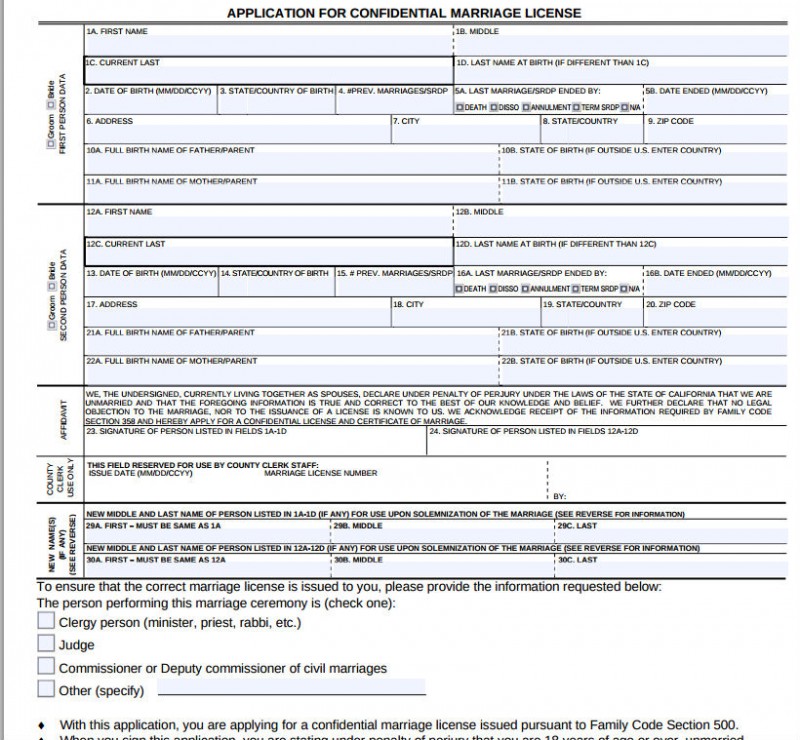
- Social Security Number: Both applicants must provide their Social Security number if they have one. If an applicant does not have a Social Security number (e.g., non-US citizen), they should state “None” on the application. This information is typically required for record-keeping purposes by the state.
- Information Regarding Parents: You will need to know your parents’ full birth names (including your mother’s maiden name) and their current or last known birthplaces (city and state/country). This information is used for statistical purposes and to complete the comprehensive marriage certificate.
- Previous Marriage Details: As mentioned, if either applicant has been previously married, you must provide the exact date your last marriage ended. While official documents are generally not required at the time of application, it’s wise to have them handy in case there are any questions. This ensures the clerk can verify the dissolution of any prior marriages.
The Application Process: Step-by-Step Guide
Once you’ve confirmed your eligibility and gathered all necessary documents, the next step is to visit a County Clerk’s office in California. The process is generally straightforward and designed to be user-friendly, allowing couples to focus on the excitement of their upcoming nuptials.
Where to Apply: County Clerk’s Office
One of the great conveniences of marrying in California is that you can obtain your marriage license from any County Clerk’s office, regardless of where in the state your ceremony will take place. This flexibility is particularly beneficial for couples traveling to California for their wedding or those planning a destination wedding within the state. For instance, if you plan to marry in Napa Valley but are staying in San Francisco, you could obtain your license at the San Francisco County Clerk’s office.
Popular counties for obtaining licenses, due to their robust tourism infrastructure and wedding industry, include:
- Los Angeles County: As the largest county by population, Los Angeles County has multiple County Clerk locations and often offers online pre-application services, such as through the Los Angeles County Registrar-Recorder/County Clerk website, which can significantly speed up your in-person visit.
- San Diego County: Known for its beautiful coastline and vibrant city life, San Diego County is another popular choice.
- Orange County: Home to stunning beaches and upscale resorts, Orange County is a prime spot for both weddings and license acquisition.
- San Francisco County: The iconic city offers numerous options for couples, and its County Clerk’s office is accustomed to assisting many out-of-towners.
- Napa County: For those dreaming of a wine country wedding, obtaining your license directly in Napa County makes perfect sense, often complementing a stay at a luxurious local resort.
Most County Clerk offices recommend or even require appointments for marriage license applications, especially in larger counties. Checking the specific county’s website for their procedures, hours, and appointment scheduling is highly advisable. Upon arrival, you and your partner will present your identification and information, complete a simple application form, and pay the required fee. The clerk will review your documents, administer an oath, and then issue your license on the spot.
Public vs. Confidential Marriage Licenses
California offers two types of marriage licenses: public and confidential. Understanding the differences will help you choose the best option for your circumstances.
- Public Marriage License: This is the most common type. A public marriage license becomes a public record once recorded, meaning anyone can obtain a copy. It requires at least one witness (two are allowed) to sign the license during the ceremony. The witness must be present at the ceremony and verify that the ceremony occurred. This is the traditional route and suitable for most couples.
- Confidential Marriage License: This option is available only to couples who are already living together as spouses. The key difference is that the marriage record is not publicly accessible; only the parties themselves or a court order can obtain copies. No witnesses are required to sign the confidential license during the ceremony, which can offer more privacy for intimate elopements or smaller ceremonies. When applying for a confidential license, you must attest that you have been living together as spouses, though no proof is typically required beyond your sworn statement.
Both types of licenses are equally valid and legally binding. Your choice depends primarily on your preference for privacy and whether you wish to have witnesses formally acknowledge your union on the document.
Understanding Fees and Validity Periods
Obtaining a marriage license in California involves a fee, which varies slightly by county but generally falls within a similar range.
- Fees: Marriage license fees typically range from approximately $80 to $120. These fees are subject to change, so it’s always best to check the specific county’s website for the most current pricing. Most offices accept cash, credit cards, and debit cards. Some may also accept money orders or cashier’s checks, but personal checks are rarely accepted. Be prepared with your preferred payment method.
- Validity Period: Once issued, a California marriage license is valid for 90 days. This means you must have your marriage ceremony performed and the license signed by an authorized officiant and returned to the County Clerk’s office for recording within this 90-day window. There is no waiting period between obtaining the license and getting married; you can get married the same day you receive the license if you wish. However, if the 90 days expire before the ceremony is completed and the license recorded, it becomes void, and you’ll need to reapply and pay the fee again. Plan your application date strategically in relation to your wedding date to ensure you have ample time.
Beyond the License: Planning Your California Wedding Journey
With your marriage license secured, the exciting part of planning your California wedding truly begins. The state offers an unparalleled array of destinations, accommodations, and lifestyle experiences that can transform your wedding into an unforgettable travel adventure.
Iconic California Destinations for Your Special Day
California’s diverse geography means you can find the perfect setting for any wedding vision.
- Beach Weddings: For couples dreaming of toes in the sand and ocean breezes, California’s coastline is legendary. Destinations like Malibu, Santa Monica, and Laguna Beach offer stunning seaside venues, from luxurious beachfront resorts to more secluded coves perfect for intimate ceremonies. Imagine exchanging vows as the sun dips below the Pacific horizon – truly magical.
- Wine Country Romance: Napa Valley and Sonoma Valley are synonymous with romance and luxury. With sprawling vineyards, exquisite wineries, and gourmet dining, these regions provide an elegant and sophisticated setting. Many wineries offer dedicated event spaces, and the surrounding towns boast charming boutique hotels and Michelin-starred restaurants, making it a perfect multi-day celebration.
- Vibrant Cityscapes: For the urban couple, cities like San Francisco, Los Angeles, and San Diego offer iconic landmarks and world-class venues. Imagine a rooftop wedding overlooking the San Francisco skyline, a glamorous event in a historic Los Angeles ballroom, or a sophisticated ceremony by San Diego’s Gaslamp Quarter. These cities blend cultural experiences with wedding celebrations, offering guests plenty to explore.
- Nature’s Grandeur: For the adventurous and nature-loving couple, California’s national parks and natural wonders provide awe-inspiring backdrops. While permits are often required and guest counts might be restricted, imagine saying “I do” with the towering granite cliffs of Yosemite National Park behind you, or by the serene, crystalline waters of [Lake Tahoe](https://lifeoutofthebox.com/lake- tahoe). These unique settings create truly unforgettable memories.
Curating Your California Wedding Experience: Accommodation & Lifestyle
Your wedding in California is more than just a ceremony; it’s an immersive experience for you and your guests. Consider the broader travel and lifestyle elements to enhance your special occasion.
- Hotels & Resorts: California is home to an incredible range of accommodations, catering to every style and budget. For a luxurious wedding experience, consider high-end resorts like The Ritz-Carlton, Laguna Niguel with its stunning ocean views, or the historic elegance of the Fairmont San Francisco atop Nob Hill. Boutique hotels offer unique charm, while vacation rentals (apartments or villas) provide a home-away-from-home feel, especially for longer stays or family groups. For guests, a variety of hotels, from budget-friendly options to mid-range suites, are available near most wedding destinations. Booking blocks of rooms at a preferred hotel can often secure better rates and convenience for your attendees.
- Pre and Post-Wedding Experiences: Integrate local tourism and activities into your wedding itinerary. In Napa Valley, consider wine-tasting tours for your bridal party or a gourmet cooking class for guests. Near the beaches of Southern California, arrange a surf lesson, a boat trip, or a relaxing spa day. In major cities, explore famous landmarks, world-class museums, or vibrant nightlife. These experiences not only entertain but also allow your loved ones to enjoy the full flavor of California, turning your wedding into a destination holiday.
- Transportation: Depending on your chosen location, consider transportation for your wedding day and for guest convenience. Limousine services, luxury car rentals, or even chartered buses can add a touch of elegance and practicality. For exploring the state, renting a car is often the most flexible option, allowing you to discover hidden gems and scenic routes.
- Officiants: Finally, remember that you’ll need an authorized officiant to perform your marriage ceremony. In California, this can be a judge, retired judge, commissioner, assistant commissioner of a court, mayor, current or retired member of the state legislature or congress, or a licensed clergy member of any religious denomination. Additionally, any adult can become a deputy commissioner of marriage for a day, allowing a friend or family member to officiate your wedding, adding an incredibly personal touch. Check with your chosen County Clerk’s office for specific procedures on this option.
Getting a marriage license in California is a straightforward process that paves the way for an unforgettable wedding experience. By understanding the requirements, preparing your documents, and navigating the application process efficiently, you can minimize stress and maximize the joy of planning your special day. Whether you dream of a grand celebration or an intimate elopement, California’s diverse landscapes, world-class accommodations, and vibrant lifestyle offer endless possibilities for a truly memorable start to your married life. Embrace the journey, and let the Golden State be the breathtaking backdrop to your forever.
LifeOutOfTheBox is a participant in the Amazon Services LLC Associates Program, an affiliate advertising program designed to provide a means for sites to earn advertising fees by advertising and linking to Amazon.com. Amazon, the Amazon logo, AmazonSupply, and the AmazonSupply logo are trademarks of Amazon.com, Inc. or its affiliates. As an Amazon Associate we earn affiliate commissions from qualifying purchases.