
Understanding the horticultural climate of a region is fundamental for any gardener, from the novice tending a few potted herbs to the seasoned horticulturalist cultivating extensive landscapes. For those drawn to the vibrant culture and unique charm of Austin, Texas, identifying its specific garden zone is the crucial first step in planning successful and resilient plantings. This knowledge directly impacts plant selection, planting schedules, and the overall health and longevity of your garden. Austin, Texas, nestled in the heart of the Texas Hill Country, experiences a climate that allows for a diverse range of horticultural possibilities, provided one understands its specific parameters.

Unpacking the USDA Plant Hardiness Zones
The United States Department of Agriculture (USDA) Plant Hardiness Zone map is the most widely recognized system for classifying geographical areas based on their average annual minimum winter temperature. This map is divided into ten zones, each representing a 10°F (about 5.6°C) difference in average annual minimum temperature. Zone 1 has the coldest average minimum winter temperatures, and Zone 11 has the warmest. These zones are critical because they indicate which perennial plants are likely to survive the winter in a particular location.
Determining Austin’s Zone
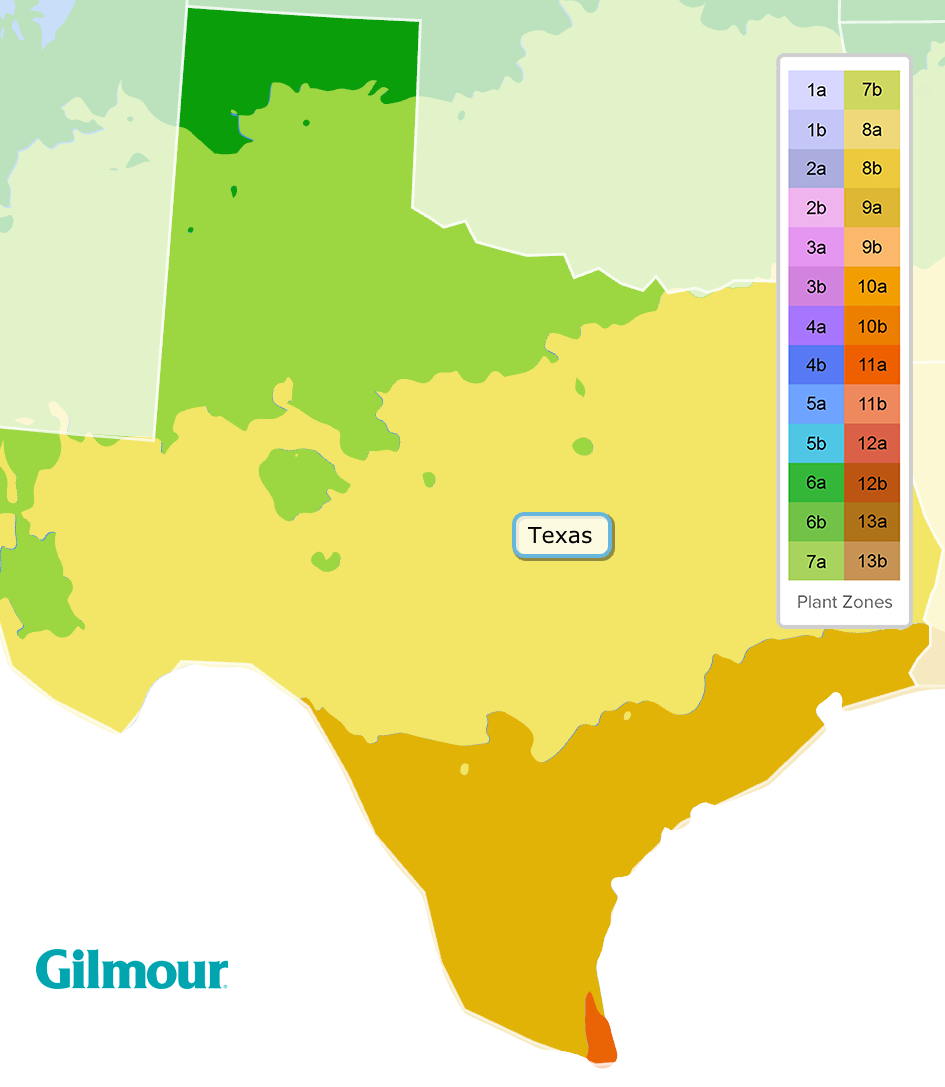
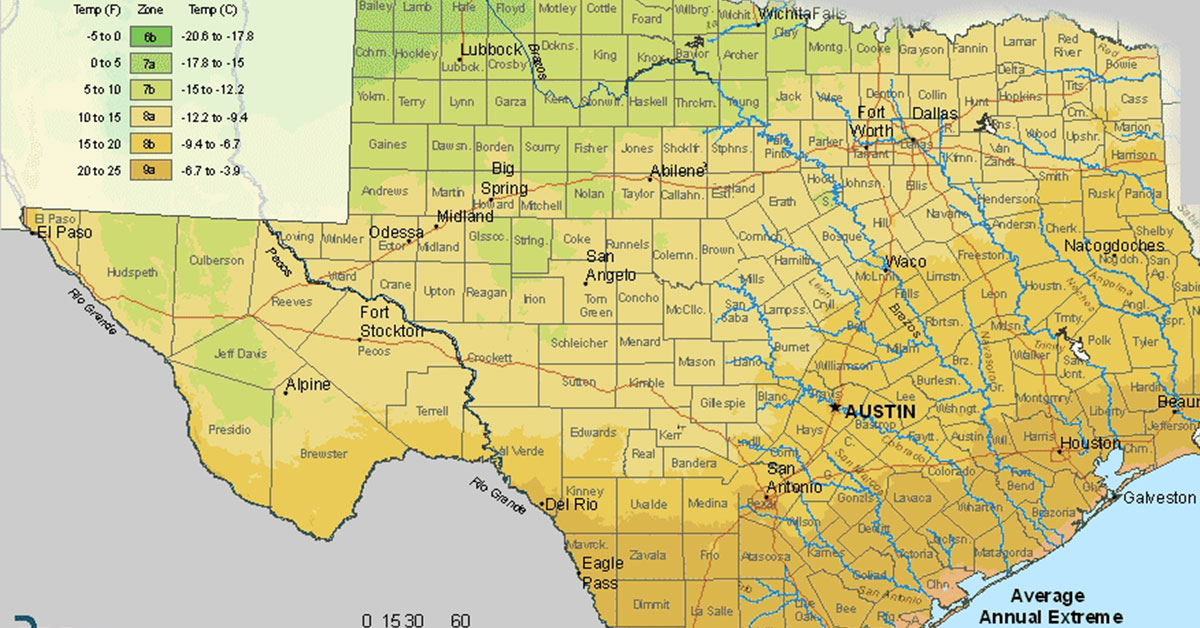
Austin, Texas primarily falls within USDA Plant Hardiness Zone 8b. Some outlying areas or microclimates might lean towards Zone 8a or even Zone 9a, but 8b is the most representative designation for the city and its immediate surroundings.
- Zone 8b: This zone is characterized by average annual minimum winter temperatures ranging from 15°F to 20°F (-9.4°C to -6.7°C). This means that perennial plants rated for Zone 8b or lower (i.e., Zones 1 through 8b) are generally expected to survive the winter in Austin.
It is important to note that this is a guideline, not an absolute rule. Factors such as elevation, proximity to water, and urban heat island effects can create microclimates that slightly alter the hardiness within a zone. However, Zone 8b provides an excellent starting point for any gardener planning their Austin landscape.
Implications for Plant Selection in Zone 8b
The designation of Zone 8b for Austin, Texas opens up a wide array of horticultural options. Gardeners have the advantage of a relatively mild winter, which allows for the cultivation of many plants that would struggle in colder climates.
Edible Gardening Opportunities
The ability to overwinter many perennial vegetables and fruits is a significant benefit of Zone 8b.
- Vegetables: Many popular vegetables can be grown year-round or in extended seasons. Cool-season crops like spinach, kale, broccoli, cauliflower, carrots, and peas can be planted in the fall for a winter harvest, and again in late winter for an early spring crop. Warm-season crops such as tomatoes, peppers, cucumbers, and squash thrive during Austin’s long, hot summers.
- Fruits: Fruit trees that typically require chilling hours (a certain number of hours below 45°F or 7°C) can still be successfully grown, though varieties with lower chilling requirements are often preferred. Examples include certain varieties of peaches, plums, figs, and citrus. Austin is particularly well-suited for growing figs, which can become large, productive trees and are relatively hardy in Zone 8b. Berries like strawberries, blueberries (requiring acidic soil), and raspberries also do well.
- Herbs: Many perennial herbs are evergreen or semi-evergreen in Zone 8b, providing a continuous harvest. Rosemary, thyme, sage, oregano, mint (which can be invasive, so consider container planting), and lavender are all excellent choices.
Ornamental Gardening Considerations
The ornamental possibilities in Austin, Texas are vast, ranging from traditional temperate climate favorites to plants native to warmer regions.
- Flowering Perennials: A gardener in Zone 8b can enjoy a continuous bloom throughout much of the year. Spring brings a riot of color with tulips, daffodils, hyacinths, and irises. As spring transitions to summer, expect vibrant displays from salvias, coneflowers, black-eyed Susans, and daylilies. Fall offers the fiery hues of chrysanthemums and asters. Many tropical plants that would be treated as annuals elsewhere can often be overwintered in pots or protected locations in Zone 8b, allowing them to return year after year.
- Shrubs and Trees: Zone 8b supports a diverse selection of shrubs and trees. Deciduous options like maples, oaks, and dogwoods provide seasonal interest with their changing foliage and blooms. Evergreen varieties such as hollies, magnolias, and various conifers offer year-round structure and color. Many flowering shrubs, including azaleas, rhododendrons (which require specific soil pH), camellias, and hydrangeas, thrive in Austin’s climate.
- Native and Adapted Plants: Embracing plants native to the Texas Hill Country or well-adapted to its conditions is a highly recommended strategy for successful gardening in Austin. These plants are naturally suited to the soil, rainfall patterns, and temperature fluctuations of the region, making them more drought-tolerant, pest-resistant, and requiring less maintenance. Examples include various species of salvias (like Autumn Sage), Indian Paintbrush, Bluebonnets, Texas Lantana, and native grasses.
Navigating Austin’s Unique Climate Beyond Hardiness Zones
While the USDA zone is a primary determinant of perennial survival, Austin, Texas’s climate presents additional factors that influence gardening success.
The Heat Factor
Austin is renowned for its scorching summers. High temperatures, often exceeding 100°F (38°C) for extended periods, can stress even heat-tolerant plants.
- Heat Tolerance: Selecting plants known for their heat tolerance is paramount. Many native Texas plants are exceptionally well-adapted to these conditions. Succulents and drought-tolerant species also perform admirably.
- Water Management: Efficient watering practices are crucial. Deep, infrequent watering encourages strong root development. Mulching heavily helps retain soil moisture and keeps root zones cooler. Drip irrigation systems are highly effective for delivering water directly to the roots.
- Shade and Protection: Providing afternoon shade for sensitive plants can make a significant difference. Utilizing taller, more heat-tolerant plants or structures to cast shade on more delicate species can prevent wilting and scorching.
Rainfall Patterns and Drought
Austin experiences a subtropical climate with distinct wet and dry periods. While the region can receive substantial rainfall, droughts are also common and can be severe.
- Drought-Tolerant Choices: As mentioned, drought-tolerant plants are a wise investment. Many Mediterranean and native Texas plants are adapted to survive periods of low rainfall.
- Rainwater Harvesting: Implementing rainwater harvesting systems, such as rain barrels connected to downspouts or more elaborate cisterns, can provide a sustainable water source for your garden during dry spells.
- Soil Improvement: Improving soil structure with organic matter enhances its ability to absorb and retain moisture, making it more resilient during dry periods.
Soil Types
The soils in the Austin area are primarily alkaline clays, often referred to as “blackland prairie” soils. These heavy clay soils can be challenging for gardening due to their poor drainage and tendency to compact.
- Amending Clay Soil: Incorporating generous amounts of compost and other organic matter is the most effective way to improve clay soil. This enhances drainage, aeration, and nutrient availability.
- Raised Beds: For gardeners struggling with heavy clay, raised beds filled with a quality soil mix offer an excellent alternative, providing better control over soil conditions and drainage.
- pH Considerations: While many plants tolerate alkaline soils, some, like blueberries and azaleas, require acidic conditions. Adjusting soil pH for specific plant needs may be necessary, often involving the use of elemental sulfur or specific soil amendments.
Planting Schedules for Zone 8b
Knowing your garden zone is only half the battle; understanding when to plant is equally important. In Austin, Texas, the extended growing season allows for a year-round planting calendar for many crops.
Spring Planting
Spring is a crucial planting season for warm-season crops that need to establish before the intense summer heat.
- February-March: Start cool-season crops indoors for transplanting, such as tomatoes, peppers, and eggplant. Direct sow peas, carrots, radishes, and lettuce. Plant bare-root fruit trees and roses.
- April-May: Continue planting warm-season vegetables like beans, corn, and squash. Transplant heat-loving flowers like zinnias and marigolds.
Summer Planting
While the heat can be challenging, some crops can be planted in summer, especially those that benefit from heat or can mature quickly.
- June-July: Plant heat-tolerant crops such as okra, southern peas (black-eyed peas), sweet potatoes, and some varieties of cucumbers and squash. Consider planting heat-tolerant greens like Malabar spinach or New Zealand spinach.
- August: Begin preparing for fall by sowing seeds for cool-season vegetables that will mature in the cooler autumn months.
Fall Planting
Fall in Austin is often considered a second spring, offering ideal conditions for many vegetables and flowers.
- September-October: Direct sow or transplant a wide variety of cool-season vegetables including broccoli, cauliflower, cabbage, kale, spinach, lettuce, radishes, and carrots. Plant garlic and onions for overwintering. Plant cool-season annual flowers like pansies, violas, and snapdragons.
- November: Continue planting cool-season crops as space allows. Mulch beds to protect young plants from any unexpected cold snaps.
Winter Planting
Even winter offers opportunities for dedicated gardeners.
- December-January: Focus on overwintering crops, protecting sensitive plants, and planning for the upcoming growing season. Some hardy greens and root vegetables can continue to grow slowly. This is an excellent time for soil amendment and garden bed preparation.
By understanding that Austin, Texas resides primarily in USDA Plant Hardiness Zone 8b, and by considering the unique climatic factors of heat, rainfall, and soil type, gardeners can cultivate a thriving and beautiful landscape that celebrates the distinctive environment of the Texas Hill Country. This knowledge empowers informed plant selection and effective gardening practices, ensuring a rewarding horticultural experience in this dynamic region.
LifeOutOfTheBox is a participant in the Amazon Services LLC Associates Program, an affiliate advertising program designed to provide a means for sites to earn advertising fees by advertising and linking to Amazon.com. Amazon, the Amazon logo, AmazonSupply, and the AmazonSupply logo are trademarks of Amazon.com, Inc. or its affiliates. As an Amazon Associate we earn affiliate commissions from qualifying purchases.