
Navigating the complexities of auto insurance can feel like a labyrinth, especially when terms like “full coverage” are used. In the Lone Star State, understanding what this popular phrase truly encompasses is crucial for Texas drivers. While not an official policy type, “full coverage” is a common industry term referring to a combination of liability insurance and several types of optional coverages that provide a more comprehensive safety net for your vehicle and yourself. This article delves into the components that typically constitute “full coverage” in Texas, helping you make informed decisions about protecting your most valuable assets on the road.
Deconstructing “Full Coverage”
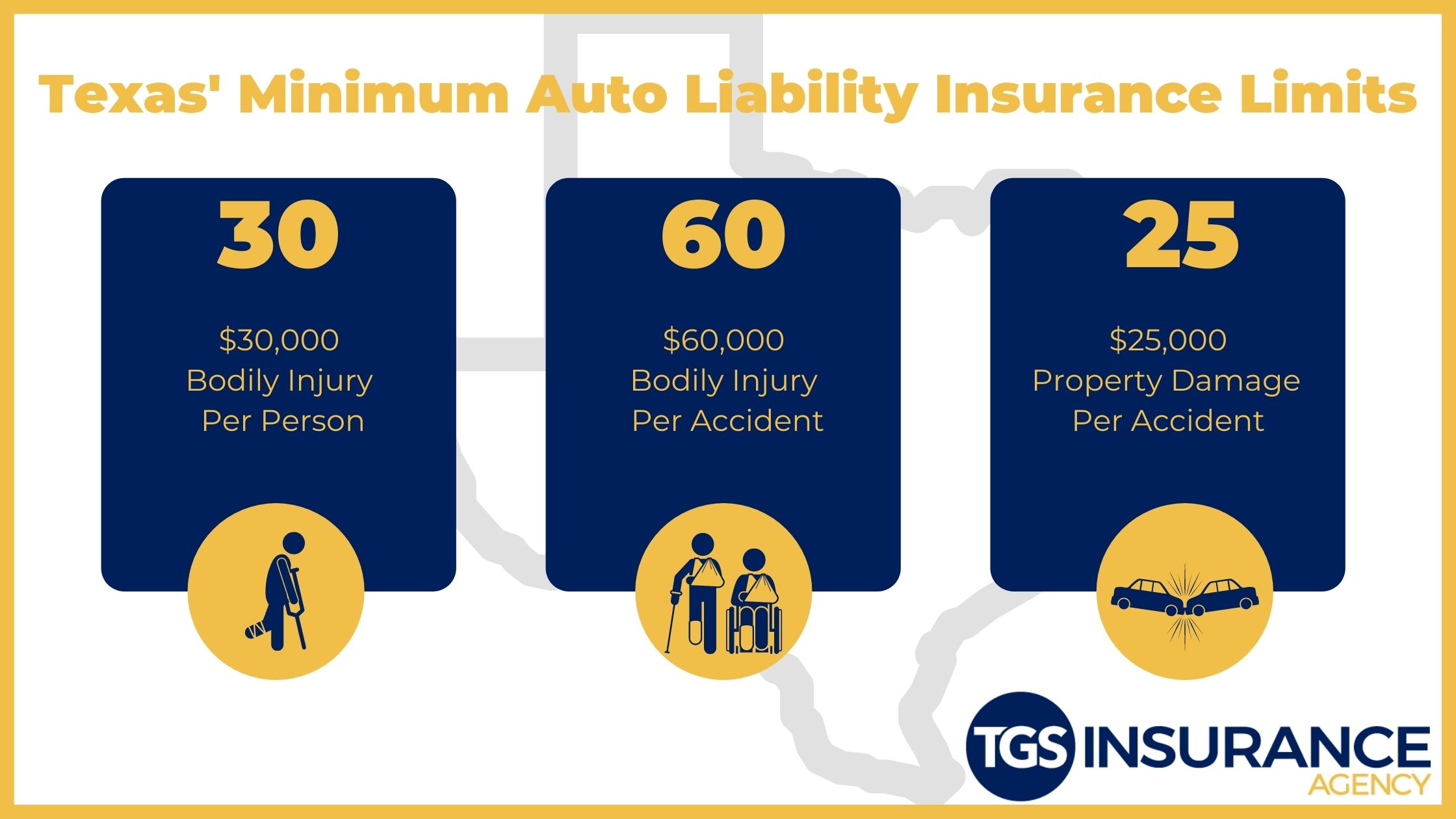
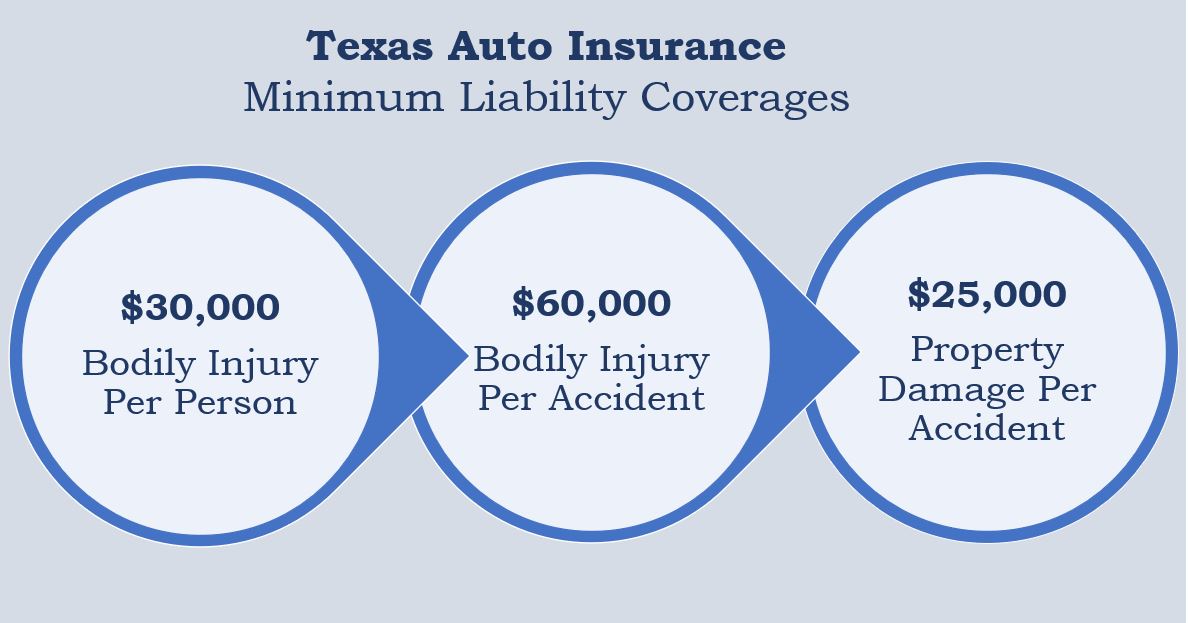
The term “full coverage” is a colloquialism, not a defined insurance product by regulatory bodies. Essentially, it signifies a policy that goes beyond the state-mandated minimum liability requirements. In Texas, all drivers are legally required to carry at least 30/60/25 liability coverage. This breaks down as:
- $30,000 of bodily injury liability coverage per person.
- $60,000 of bodily injury liability coverage per accident.
- $25,000 of property damage liability coverage per accident.
While this meets the legal minimum, it offers very little protection if you are involved in an accident that causes significant damage or injury. “Full coverage” aims to bridge this gap by adding essential protections.
Core Components of “Full Coverage”
The foundation of what is generally considered “full coverage” in Texas includes:
-
Liability Insurance: This is the bedrock of any auto insurance policy, mandated by law. It covers damages and injuries you cause to others in an accident where you are at fault. While the state minimums are low, most policies considered “full coverage” will carry significantly higher liability limits to offer greater protection against substantial claims. Higher limits are always recommended, especially if you own significant assets you wish to protect.
-
Collision Coverage: This coverage pays to repair or replace your vehicle if it’s damaged in a collision with another vehicle or object, regardless of who is at fault. This is a critical component of “full coverage” as it addresses damage to your own car. A deductible, which is the amount you pay out-of-pocket before the insurance company pays the rest, usually applies to collision claims.
-
Comprehensive Coverage: This coverage is designed to protect your vehicle from damage caused by events other than collisions. This includes theft, vandalism, fire, natural disasters (like hail or floods), falling objects, and animal strikes. Like collision coverage, comprehensive coverage typically has a deductible.
Essential Add-Ons for True “Full Coverage”
While liability, collision, and comprehensive insurance form the core of “full coverage,” a truly comprehensive policy in Texas often includes additional coverages designed to provide even broader protection:
1. Uninsured/Underinsured Motorist (UM/UIM) Coverage
This is a vital protection in Texas.
-
Uninsured Motorist (UM): This coverage protects you if you are involved in an accident with a driver who has no auto insurance at all. Given that a significant number of drivers nationwide operate without insurance, UM coverage is a smart investment. It can cover your medical expenses, lost wages, and pain and suffering.
-
Underinsured Motorist (UIM): This coverage steps in when the at-fault driver has insurance, but their policy limits are too low to cover the full extent of your damages. For example, if the at-fault driver has the minimum liability coverage and causes severe injuries or extensive vehicle damage, UIM can help cover the remaining costs. UM/UIM coverage can be purchased for bodily injury and property damage.
2. Personal Injury Protection (PIP)
Often included or offered as an optional add-on, Personal Injury Protection (PIP) is a no-fault coverage. This means it pays for medical expenses and, in some cases, lost wages for you and your passengers, regardless of who caused the accident. In Texas, PIP is an optional coverage, but it’s highly recommended for its broad applicability. It can help cover costs like ambulance fees, hospital stays, and even funeral expenses.
3. Medical Payments (MedPay) Coverage
Similar to PIP, MedPay coverage helps pay for medical expenses for you and your passengers, regardless of fault. However, MedPay typically only covers medical and funeral expenses and doesn’t extend to lost wages or other related costs that PIP might cover. It’s generally a more limited coverage than PIP but can still be a valuable addition.
Factors Influencing “Full Coverage” Costs
The price of a “full coverage” auto insurance policy in Texas can vary significantly based on several factors. Understanding these elements can help you anticipate costs and shop for the best rates.
Key Cost Determinants
-
Vehicle Type and Value: The make, model, year, and overall value of your vehicle play a significant role. Expensive, high-performance, or frequently stolen vehicles will typically command higher premiums for collision and comprehensive coverage.
-
Driving Record: A clean driving record with no accidents or traffic violations is the most significant factor in securing lower insurance rates. Conversely, recent accidents, speeding tickets, or DUIs will increase your premiums considerably.
-
Deductible Amounts: Choosing higher deductibles for your collision and comprehensive coverage will generally lower your overall premium. However, it means you’ll pay more out-of-pocket in the event of a claim. It’s a balancing act between upfront cost savings and potential out-of-pocket expenses.
-
Coverage Limits and Additional Coverages: The higher the liability limits you select, and the more optional coverages you add (like enhanced UM/UIM or roadside assistance), the higher your premium will be.
-
Location: Where you live within Texas can impact your rates. Areas with higher rates of accidents, vehicle theft, or vandalism may see higher insurance costs. For instance, drivers in Houston might have different rates than those in a rural area.
-
Driver Demographics: Factors such as age, gender, marital status, and credit history (in states where it’s permissible, like Texas) can also influence your premium. Younger, less experienced drivers typically pay more.
-
Insurance Company: Different insurance providers have different underwriting guidelines and pricing structures. Shopping around and comparing quotes from multiple companies is essential to find the most competitive rates for your “full coverage” needs. Companies like State Farm, Geico, and Progressive all offer various options.
Why Is “Full Coverage” Recommended in Texas?
While the state of Texas only mandates liability insurance, investing in what is commonly referred to as “full coverage” offers substantial benefits and peace of mind.
Protecting Your Investment and Financial Stability
-
Protecting Your Vehicle: Collision and comprehensive coverage are essential for safeguarding your vehicle, which for many is a significant financial investment. Without them, you would be solely responsible for the cost of repairs or replacement after an accident or theft.
-
Mitigating Financial Ruin: High-value liability limits are crucial to protect your assets in the event of a severe accident. A major lawsuit resulting from an at-fault accident could potentially lead to the loss of your home, savings, and other assets if your liability coverage is insufficient.
-
Covering Medical Expenses: The addition of PIP or MedPay coverage ensures that medical bills for you and your passengers are addressed promptly, regardless of fault, preventing unexpected and potentially crippling medical debt.
-
Peace of Mind: Knowing you are protected against a wide range of potential incidents, from minor fender-benders to major accidents and theft, provides invaluable peace of mind. You can drive with greater confidence, knowing you have a robust safety net in place.

Making the Right Choice for Your Needs
The definition of “full coverage” is not static; it is a package of coverages tailored to individual needs and circumstances. When seeking “full coverage” in Texas, it’s vital to:
-
Assess Your Vehicle’s Value: If you drive a newer or high-value vehicle, collision and comprehensive coverage are almost certainly necessary. For older, lower-value cars where the cost of repairs might exceed the car’s worth, you might consider dropping collision coverage, but always ensure you have adequate liability.
-
Evaluate Your Financial Situation: Consider your ability to pay for repairs out-of-pocket. If you have substantial savings, you might opt for higher deductibles to reduce your premium. If your finances are tighter, lower deductibles might be preferable, even if it means a higher premium.
-
Understand Your Risk Tolerance: How comfortable are you with the possibility of facing significant financial burdens after an accident? This personal risk tolerance will influence the types and limits of coverage you choose.
-
Consult with an Insurance Professional: An experienced insurance agent can help you understand the nuances of different coverages, assess your specific needs, and compare quotes from various insurers. They can explain options like rental car reimbursement, roadside assistance, and gap insurance, which can further enhance your policy.
In conclusion, while “full coverage” is a consumer term, it represents a comprehensive approach to auto insurance in Texas that typically includes liability, collision, and comprehensive coverages, often supplemented by uninsured/underinsured motorist protection and personal injury protection. By understanding these components and considering your personal circumstances, you can secure a policy that offers robust protection for yourself, your passengers, and your vehicle on the roads of Texas.
LifeOutOfTheBox is a participant in the Amazon Services LLC Associates Program, an affiliate advertising program designed to provide a means for sites to earn advertising fees by advertising and linking to Amazon.com. Amazon, the Amazon logo, AmazonSupply, and the AmazonSupply logo are trademarks of Amazon.com, Inc. or its affiliates. As an Amazon Associate we earn affiliate commissions from qualifying purchases.