
Navigating the landscape of social support programs can often feel complex, but for residents of the Golden State seeking assistance with food security, understanding how to apply for CalFresh – California’s version of the federal Supplemental Nutrition Assistance Program (SNAP) – is a crucial first step. Formerly known as food stamps, CalFresh provides monthly benefits on an Electronic Benefit Transfer (EBT) card, empowering eligible individuals and families to purchase nutritious food. This comprehensive guide aims to demystify the process, outlining eligibility requirements, application steps, and what to expect once your application is submitted, ensuring you have the knowledge to secure the support you need.
Understanding CalFresh: California’s SNAP Program
CalFresh is a vital program designed to alleviate hunger and improve nutrition among low-income Californians. It serves as a cornerstone of the state’s efforts to ensure that everyone has access to adequate food, regardless of their economic circumstances. The program is federally funded through the United States Department of Agriculture (USDA) and administered at the state level by the California Department of Social Services, with local implementation handled by county welfare departments.
The primary goal of CalFresh is to supplement the food budget of qualifying individuals and families, allowing them to purchase healthy food options at grocery stores, farmers’ markets, and other authorized retailers. This assistance is delivered through an EBT card, which functions much like a debit card, offering dignity and convenience to recipients. Beyond merely providing financial aid for food, CalFresh plays a significant role in stimulating local economies by increasing demand for groceries and supporting agricultural producers. For many, it represents not just food assistance, but a lifeline that enables them to focus on other essential aspects of their lives, from employment to education and overall well-being. Understanding its purpose and reach is the first step in recognizing the profound impact CalFresh has across California.
Eligibility Requirements for CalFresh
Determining eligibility for CalFresh involves several factors, primarily centered around household income, residency, and citizenship status. While the general guidelines are established at the federal level, California has adopted specific rules that can make it more accessible for its residents. It’s important to review these criteria carefully to ascertain whether you qualify for assistance.
Income Limits and Household Size
The most critical factor in CalFresh eligibility is your household’s gross and net income relative to the federal poverty level. Income limits vary based on the number of people in your household. Generally, for most households, your gross monthly income (before deductions) must be at or below 200% of the federal poverty level. Net income (after certain allowable deductions) is also considered. California has opted for broad-based categorical eligibility, which means that if your household receives other assistance programs like CalWORKs or Medi-Cal, or meets certain income requirements, you may automatically qualify for CalFresh regardless of liquid assets. This simplifies the process for many low-income families already enrolled in other state programs. It’s crucial to report all sources of income, including wages, self-employment earnings, Social Security benefits (from the Social Security Administration), and any other financial contributions to your household. Certain deductions, such as for dependent care, medical expenses for the elderly or disabled, and excess shelter costs, can help reduce your countable income, potentially increasing your benefit amount or making you eligible.
Residency and Citizenship Status
To be eligible for CalFresh, you must be a resident of California. This means you intend to reside in the state and are physically present there. As for citizenship, generally, individuals must be U.S. citizens or meet specific non-citizen requirements. These include legal permanent residents, refugees, asylum seekers, victims of human trafficking, and certain other qualified non-citizens. Undocumented immigrants are typically not eligible for CalFresh benefits. However, an important aspect of California’s policy is that mixed-status families are often eligible. This means that if some members of a household are eligible (e.g., U.S. citizen children) and others are not (e.g., undocumented parents), the eligible members can still receive benefits. The income and resources of all household members are counted, but benefits are provided only for the eligible individuals. This policy ensures that vulnerable children and other eligible family members do not go without food assistance due to the immigration status of other household members.
Work Requirements and Other Criteria
Most adult CalFresh recipients between the ages of 16 and 59 are subject to certain work requirements. These typically involve registering for work, accepting suitable employment if offered, and participating in an employment and training program if assigned by the county. There are many exemptions to these requirements, including individuals who are caring for a child under six, are medically unable to work, are participating in a drug or alcohol treatment program, or are already working at least 20 hours a week. College students, too, have specific eligibility criteria, often requiring them to be enrolled less than half-time, or to meet additional conditions like working a certain number of hours, participating in a work-study program, or receiving CalWORKs benefits. Unlike many other states, California has largely waived the asset test for CalFresh eligibility for most households, meaning that the value of your savings, property, or vehicles typically will not count against your application. This makes CalFresh more accessible to individuals and families who may have some savings but still struggle with monthly food expenses.
Navigating the CalFresh Application Process
Once you’ve determined your potential eligibility, the next step is to submit an application. California offers several convenient ways to apply for CalFresh, ensuring that the process is as accessible as possible for all residents, regardless of their location within the state, from bustling urban centers like Los Angeles to more rural communities.
Where to Apply
The most straightforward way to apply for CalFresh in California is online through BenefitsCal. This user-friendly portal allows you to complete and submit your application digitally from anywhere with internet access. BenefitsCal also enables you to apply for other benefits like Medi-Cal and CalWORKs simultaneously, streamlining the application process for multiple assistance programs. If you prefer a more personal approach or require assistance, you can also apply in person at your local county welfare department. Each of California’s 58 counties has a designated office, such as the Los Angeles County Department of Public Social Services or the San Francisco Human Services Agency, where staff can help you fill out the application, answer questions, and provide resources. Additionally, many community-based organizations and food banks throughout cities like Sacramento, San Diego, and the counties of Alameda, Orange, Riverside, and San Bernardino offer free assistance with CalFresh applications, often providing support in multiple languages. They can be invaluable resources for those who need extra guidance or have specific concerns.

Required Documentation
When applying for CalFresh, you’ll need to provide documentation to verify the information you’ve submitted. While not everything is required upfront, having these documents ready can significantly expedite the process. Key documents generally include proof of identity (such as a driver’s license or state ID), proof of residency in California (utility bill, mail with your address), and verification of your income (pay stubs, tax returns, unemployment letters, Social Security award letters from the Social Security Administration). You’ll also need to verify your household size (birth certificates, school records), and provide proof of any deductible expenses, such as rent or mortgage payments, utility bills, child care costs, and medical expenses for household members who are elderly or have disabilities. While the asset test has been largely waived, certain households may still need to provide information about resources if they do not meet categorical eligibility. It’s always best to gather as much relevant documentation as possible before or immediately after applying to ensure a smooth verification process.
The Interview and Verification
After submitting your application, you will typically be contacted for an interview with a county eligibility worker. This interview can often be conducted over the phone, though in-person interviews may be requested or preferred by some applicants. During the interview, the worker will review your application, ask questions to clarify information, and explain your rights and responsibilities as a CalFresh recipient. This is also an opportunity for you to ask any questions you might have about the program. Following the interview, the county will proceed with verifying your eligibility based on the documents you provided. If any information is missing or unclear, they will request additional documentation, giving you sufficient time to submit it. Federal regulations mandate that counties process CalFresh applications within 30 days of the application date. For households with very low or no income and immediate food needs, expedited service may be available, delivering benefits within three business days. It’s crucial to respond promptly to all requests from your county worker to avoid delays in receiving your benefits.
After You Apply: What to Expect
Once your application for CalFresh has been processed and approved, you can anticipate certain steps and responsibilities to ensure the continuous flow of your benefits. Understanding these post-application procedures is essential for maximizing your assistance and maintaining your eligibility.
Benefit Issuance and EBT Card
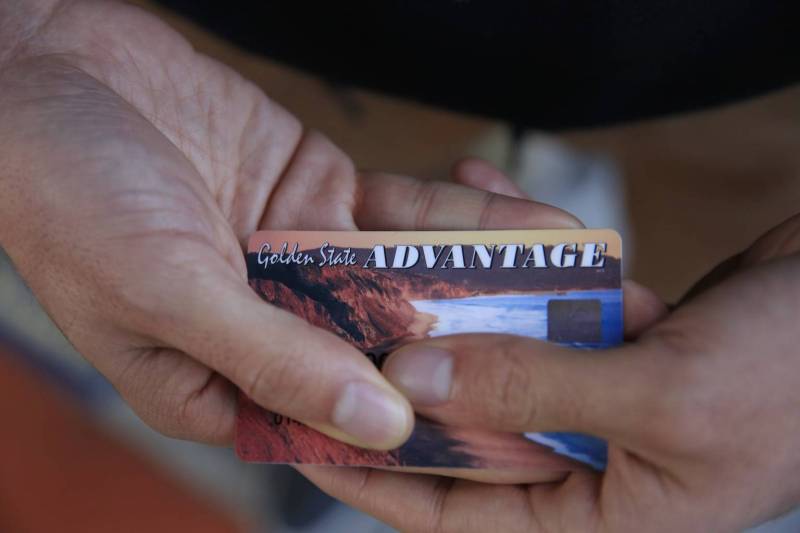
If your application is approved, you will receive an EBT card in the mail. This card is your gateway to purchasing eligible food items. Benefits are typically loaded onto your EBT card on a specific date each month, based on the last digit of your case number. You can use your EBT card at most grocery stores, supermarkets, convenience stores, and even many farmers’ markets that display the CalFresh or SNAP logo. The funds can be used to buy most food items, including fruits, vegetables, meat, poultry, fish, dairy products, breads, cereals, and seeds/plants that produce food. They cannot be used for non-food items like alcohol, tobacco, vitamins, pet food, or hot, prepared foods in grocery stores. Additionally, many CalFresh recipients are eligible for the CalFresh Healthy Living program, which offers nutrition education and resources to help make healthy food choices and incorporate physical activity into daily life.
Maintaining Your Benefits
Receiving CalFresh benefits comes with responsibilities to ensure ongoing eligibility. You are generally required to report certain changes in your household circumstances to your county welfare department. These changes typically include alterations in your household’s income (e.g., getting a new job, a raise, or a job loss), changes in household size (e.g., a new baby, someone moving in or out), or a change of address. The reporting requirements usually involve submitting a Semi-Annual Report (SAR 7) every six months, and an annual recertification. The SAR 7 form requires you to report any changes that have occurred in the previous six months. The annual recertification process is more comprehensive and essentially involves reapplying for benefits to ensure all eligibility factors are still met. Failing to report changes accurately or on time can lead to a reduction or termination of benefits, or even overpayments that you may be required to repay. It’s crucial to keep your county updated to avoid any disruptions to your food assistance.
Rights and Responsibilities
As a CalFresh recipient, you have certain rights, including the right to a fair and impartial review of your case if you disagree with a county decision (known as a fair hearing). If you believe your benefits were denied, reduced, or terminated incorrectly, you can request a fair hearing to present your case. It’s also important to understand your responsibilities, primarily to provide accurate information and avoid program fraud. Deliberately misrepresenting information or failing to report changes that impact your eligibility can result in serious penalties, including disqualification from the program, fines, and even prosecution. If you have questions about your rights or responsibilities, or suspect an error in your case, reaching out to your county welfare department or a legal aid organization can provide clarity and support. The goal of CalFresh is to provide essential food assistance, and by understanding and adhering to the program rules, recipients contribute to the integrity and effectiveness of this vital safety net.
Additional Resources and Support in California
While CalFresh is a cornerstone of food assistance, it is part of a broader ecosystem of support available to residents of California. Understanding these additional resources can further strengthen food security and provide holistic support for individuals and families facing challenges.
One of the most significant complementary resources is the network of local food banks and pantries throughout the state. Organizations like the California Association of Food Banks work tirelessly to distribute food to those in need, often filling gaps that CalFresh benefits might not entirely cover. These food banks operate various programs, including emergency food distribution, mobile pantries, and programs specifically for children and seniors, reaching communities across Los Angeles, San Francisco, San Diego, Sacramento, and smaller towns. Connecting with your local food bank can provide immediate relief and access to a wider variety of food items.
Many community organizations, often non-profits, offer direct assistance with the CalFresh application process. These groups provide invaluable support, from helping to gather necessary documents to navigating the BenefitsCal portal and advocating on behalf of applicants. They frequently have staff who are fluent in multiple languages and are well-versed in the nuances of eligibility requirements, making the application process less intimidating for many. A quick online search for “CalFresh assistance near me” or contacting your county welfare department can direct you to these supportive organizations.
Beyond food, California offers other vital programs that often go hand-in-hand with CalFresh. Programs like Medi-Cal provide free or low-cost health coverage, ensuring access to necessary medical care. CalWORKs offers cash aid and services to eligible families with children, helping them achieve self-sufficiency. For those needing housing assistance, various local and state programs exist, although they can be more competitive and limited. The interplay of these programs forms a comprehensive safety net designed to support the overall well-being and stability of California’s most vulnerable residents.

Ultimately, food security is a fundamental human right and a cornerstone of a healthy, productive lifestyle. CalFresh plays a critical role in addressing this need across California, ensuring that individuals and families have the nutritional foundation required to thrive. By understanding how to access and maintain these benefits, and by connecting with the broader network of support services, residents can navigate challenging times with greater confidence and stability.
LifeOutOfTheBox is a participant in the Amazon Services LLC Associates Program, an affiliate advertising program designed to provide a means for sites to earn advertising fees by advertising and linking to Amazon.com. Amazon, the Amazon logo, AmazonSupply, and the AmazonSupply logo are trademarks of Amazon.com, Inc. or its affiliates. As an Amazon Associate we earn affiliate commissions from qualifying purchases.