
Understanding time zones is a fundamental aspect of navigating any region, and for travelers, business professionals, and even residents of the vast state of Texas, this knowledge is crucial. Texas, being a large geographical area, observes more than one time zone. This guide will illuminate the intricacies of Texas time, ensuring you are always precisely on schedule, whether you’re planning a visit to San Antonio or conducting business in Houston.
The Two Time Zones of Texas
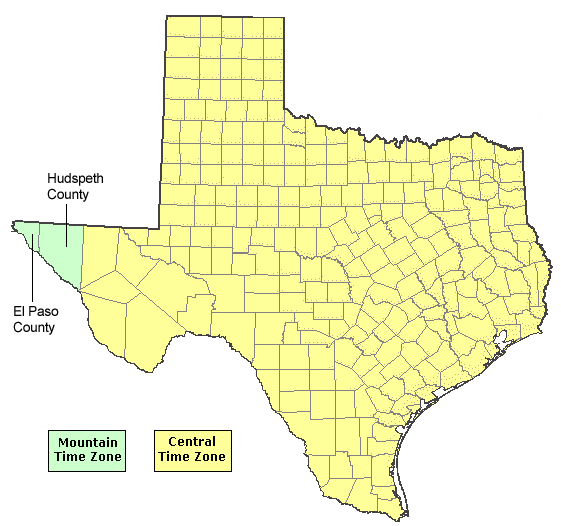
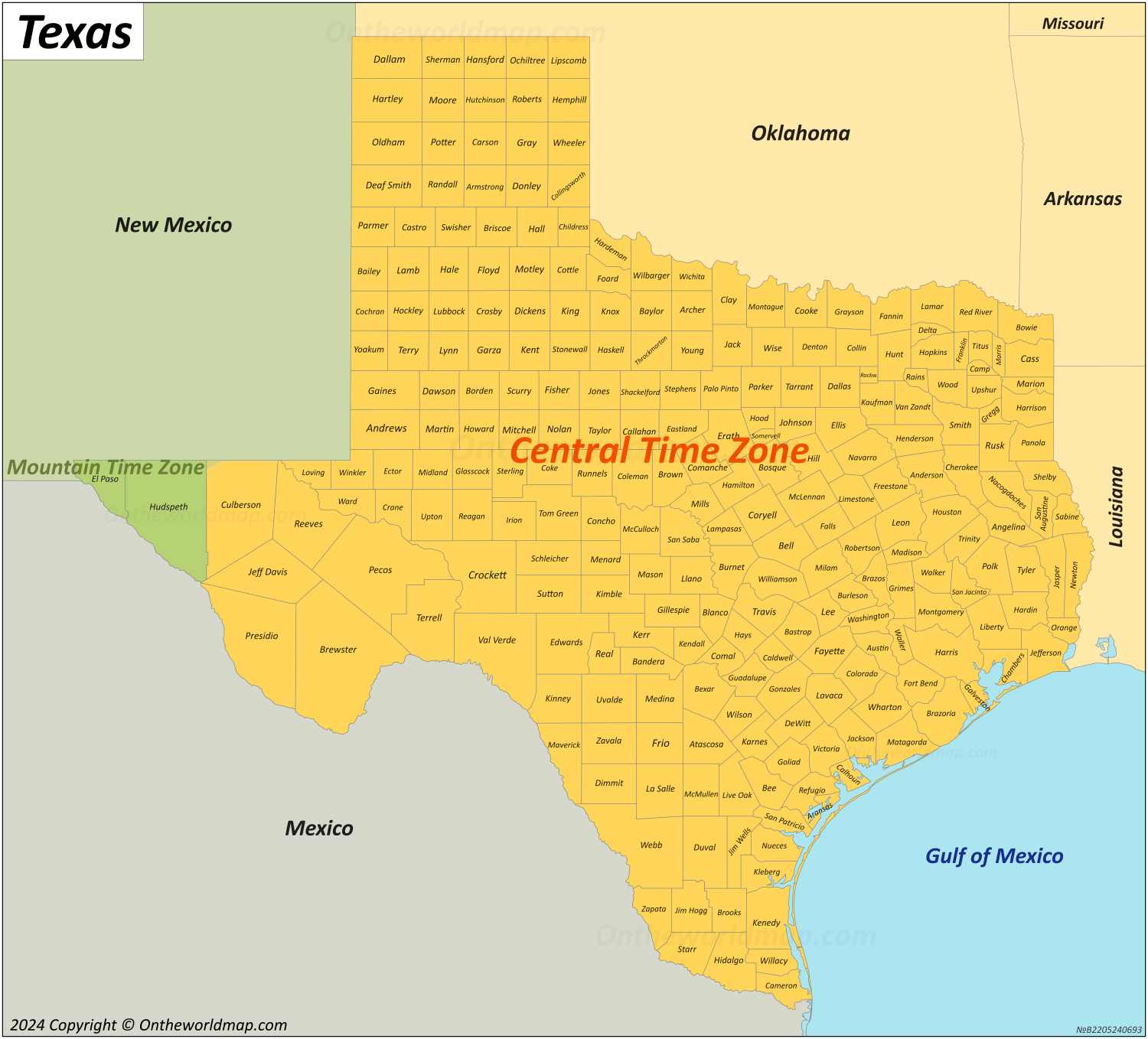
The Lone Star State straddles two primary United States time zones: the Central Time Zone (CT) and the Mountain Time Zone (MT). The vast majority of Texas falls under the Central Time Zone, while a small western portion observes Mountain Time. This division is not arbitrary but is largely dictated by historical geographical and economic considerations.
Central Time Zone (CT)
The Central Time Zone is the predominant time zone in Texas. It is observed throughout most of the state’s major cities and populated areas, including:
- Houston: The largest city in Texas and a major hub for energy, aerospace, and healthcare.
- Dallas: A prominent financial and cultural center in North Texas.
- San Antonio: Known for its rich history and vibrant culture, home to the Alamo and the San Antonio River Walk.
- Austin: The state capital and a global center for technology and live music.
- Fort Worth: A significant city in the Dallas-Fort Worth metroplex, known for its Western heritage.
- El Paso: While geographically in the western part of the state, most of El Paso county observes Central Time, creating a unique situation for its residents.
Central Time is further divided into two periods:
- Central Standard Time (CST): This is the standard time, observed during the fall and winter months. CST is UTC-6, meaning it is six hours behind Coordinated Universal Time.
- Central Daylight Time (CDT): This is the daylight saving time, observed during the spring and summer months. CDT is UTC-5, meaning it is five hours behind Coordinated Universal Time.
Texas observes Daylight Saving Time (DST), meaning clocks are moved forward by one hour in the spring and back by one hour in the fall. This typically occurs on the second Sunday in March and the first Sunday in November. This practice aligns with most of the contiguous United States, further standardizing time for national travel and communication.
Mountain Time Zone (MT)
A small, westernmost sliver of Texas observes the Mountain Time Zone. This predominantly includes Hudspeth County and a portion of Culberson County. The primary city affected by this shift is El Paso and its surrounding areas.
- El Paso: A major border city in West Texas, facing Juárez, Mexico.
Similar to Central Time, Mountain Time also observes Daylight Saving Time:
- Mountain Standard Time (MST): Observed during fall and winter. MST is UTC-7, seven hours behind Coordinated Universal Time.
- Mountain Daylight Time (MDT): Observed during spring and summer. MDT is UTC-6, six hours behind Coordinated Universal Time.
It is important to note that while most of Texas is in CT, the significant population center of El Paso is a notable exception and falls under MT. This can sometimes lead to confusion for visitors or those conducting business across the state.
Navigating Time Zones for Travel in Texas
For travelers, understanding Texas time zones is paramount to a smooth journey. Whether you are flying into Dallas/Fort Worth International Airport or driving across the state, being aware of the time can prevent missed flights, late check-ins, and other travel mishaps.
Arrival and Departure Planning
When booking flights to Texas, ensure you note the arrival and departure times in the local time zone of the destination airport. For example, a flight arriving in Houston will be listed in Central Time, while a flight arriving in El Paso will be in Mountain Time. Many airline websites and travel apps automatically adjust to your local time zone or the destination’s time zone, but it’s always wise to double-check.
Road Trips and Cross-State Travel
Texas is a vast state, and driving across it can take many hours. If your road trip involves traveling from the eastern side of the state (e.g., Houston) to the western side (e.g., El Paso), you will transition from Central Time to Mountain Time. This means you will effectively gain an hour as you travel west into the Mountain Time Zone. Consider this when planning your driving route, estimated arrival times, and any activities or reservations you have scheduled.

For instance, if you leave Dallas at 8:00 AM Central Time and the drive to El Paso takes 10 hours, you would arrive at 6:00 PM Central Time if El Paso were also in CT. However, since El Paso is in MT, your arrival time will be 5:00 PM Mountain Time.
Accommodation and Reservations
When booking hotels or making restaurant reservations, confirm the time zone for the establishment. Most establishments in Texas will operate on the local time zone of their city or town. For example, a reservation at the Menger Hotel in San Antonio will be in Central Time, while a reservation in El Paso will be in Mountain Time.
Business and Communication in Texas
For businesses operating within or with Texas, understanding the time zone differences is critical for scheduling meetings, coordinating teams, and ensuring effective communication.
Scheduling Meetings
When scheduling virtual meetings or calls with individuals in different parts of Texas, clearly specify the time zone. Using tools that automatically convert time zones can be invaluable. For example, if you are in Houston (CT) and need to schedule a meeting with a colleague in El Paso (MT), a 10:00 AM CT meeting is equivalent to a 9:00 AM MT meeting. Conversely, a 10:00 AM MT meeting is 11:00 AM CT.
Client and Partner Relations
Maintaining strong relationships with clients and partners across Texas requires attentiveness to their local time. Reaching out to a business in Dallas at 7:00 AM might be perfectly acceptable, but attempting the same in El Paso would be an hour earlier in their local time. Being mindful of these differences demonstrates professionalism and respect for your counterparts’ schedules.
Economic Implications
The time zone division in Texas has subtle economic implications. Businesses located in El Paso may find themselves better positioned for communication and business dealings with companies in neighboring states that also observe Mountain Time, such as New Mexico and Arizona, and particularly with businesses in Mexico, which shares similar time zones with El Paso. This can foster unique cross-border business opportunities.
Frequently Asked Questions About Texas Time Zones
As you plan your travels or business engagements in Texas, some common questions arise regarding its time zones.
Does all of Texas observe Daylight Saving Time?
Yes, the entire state of Texas, regardless of whether it is in the Central or Mountain Time Zone, observes Daylight Saving Time. The dates for the DST transitions are synchronized across the state, following the federal guidelines.
What happens if I travel from a Central Time area to a Mountain Time area in Texas?
When you travel westward from a Central Time Zone area into a Mountain Time Zone area within Texas, you will move your clocks back by one hour. This means that 12:00 PM CT becomes 11:00 AM MT.
How can I be sure which time zone I am in?
Most smartphones and digital devices automatically update their time based on your location. However, for certainty, especially in border areas between the time zones or when dealing with critical schedules, it is advisable to:
- Check your device’s settings: Ensure your phone or computer is set to automatically detect and update the time zone.
- Consult local signage: Some businesses or public places may indicate their local time zone.
- Use online resources: Websites like timeanddate.com or Google can quickly tell you the current time and time zone for any city in Texas.
- Ask locals: When in doubt, a quick inquiry to a local resident or hotel staff can provide clarity.
Are there any other time zone considerations for Texas?
While the primary division is between CT and MT, it’s worth noting that Texas is geographically vast. Even within the Central Time Zone, there can be significant differences in sunrise and sunset times between the eastern and western parts of the state due to longitude. This is a natural phenomenon of time zones but is something to be aware of for activities like outdoor sightseeing or early morning commutes.
Understanding the time zones of Texas is a small but essential detail for anyone visiting or working in the state. By paying attention to the distinction between Central and Mountain Time, and the observance of Daylight Saving Time, you can ensure your journey is seamless and your engagements are punctual. Whether you’re exploring the historic missions of San Antonio or attending a conference in Dallas, being time-zone savvy will enhance your experience of the great state of Texas.
LifeOutOfTheBox is a participant in the Amazon Services LLC Associates Program, an affiliate advertising program designed to provide a means for sites to earn advertising fees by advertising and linking to Amazon.com. Amazon, the Amazon logo, AmazonSupply, and the AmazonSupply logo are trademarks of Amazon.com, Inc. or its affiliates. As an Amazon Associate we earn affiliate commissions from qualifying purchases.