
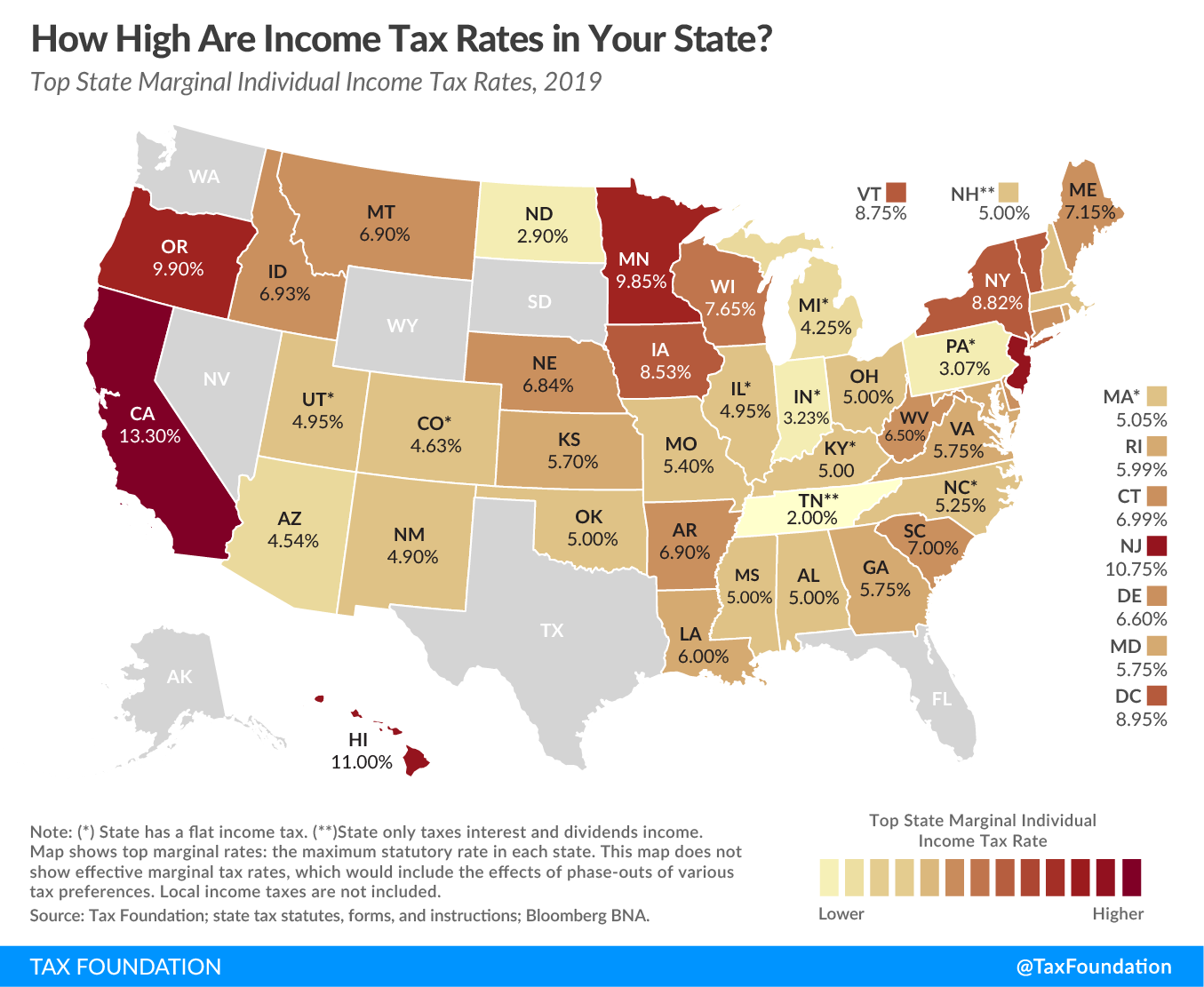
Navigating the fiscal landscape of any state can be a complex endeavor, especially when it comes to understanding what constitutes taxable income and what is exempt. For travelers, tourists, and even short-term residents exploring the vast and diverse state of Texas, a clear grasp of its taxation policies can significantly impact budgeting and financial planning. Texas famously operates without a state income tax, a significant draw for individuals and businesses alike. However, this absence does not mean the state is tax-free. Instead, its revenue is primarily generated through other forms of taxation, most notably sales and property taxes, with specific considerations for tourists and temporary visitors.
Understanding Texas Sales Tax: A Tourist’s Primer
Sales tax is the most immediate and pervasive form of taxation that visitors to Texas will encounter. This tax is levied on the retail sale of tangible personal property and certain services. For tourists, this means that most purchases made during their stay, from souvenirs in San Antonio to meals in Austin, will include this additional charge.
The Standard Sales Tax Rate
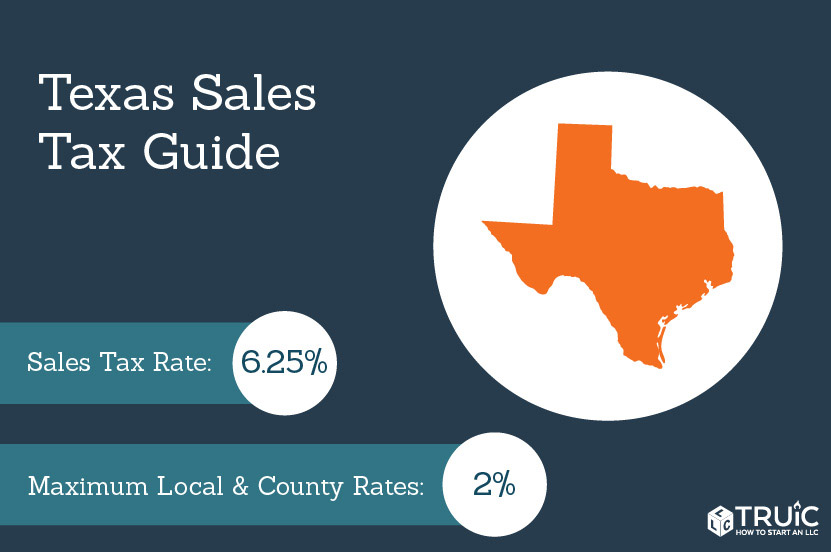
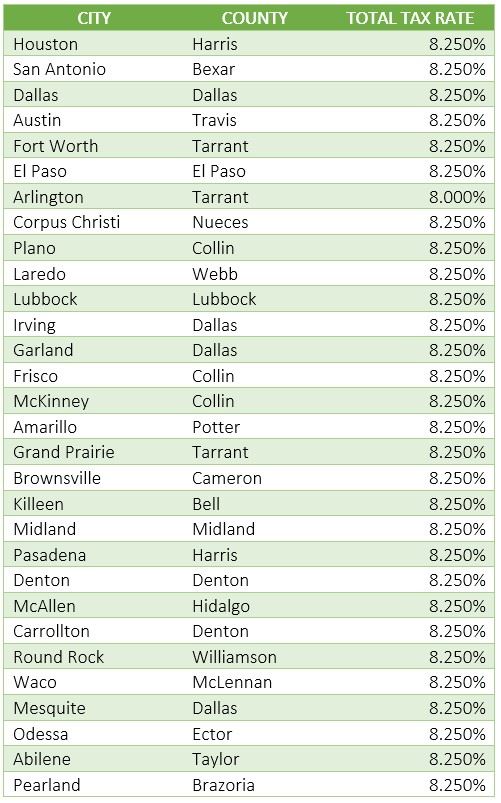
The statewide sales and use tax rate in Texas is 6.25%. However, this is just the base rate. Localities, including cities, counties, and special districts, are permitted to levy their own sales taxes, which are added to the state rate. This means the total sales tax rate can vary significantly depending on the specific location within Texas.
For example, a tourist visiting Dallas might pay a different combined rate than someone in Houston or a smaller town. These local taxes are crucial for funding local services such as schools, law enforcement, and infrastructure improvements.
What Is Taxable?
Generally, tangible personal property is subject to sales tax. This includes a wide array of items commonly purchased by tourists:
- Clothing and Apparel: From resort wear in Galveston to cowboy boots in Fort Worth.
- Souvenirs and Gifts: Trinkets, art, and local crafts.
- Electronics and Gadgets: Cameras, portable devices, and accessories.
- Food and Drink: With important distinctions.
- Lodging: Hotel rooms and vacation rentals.
- Services: Such as amusement and entertainment, repair services, and cleaning services.
Exemptions and Nuances for Tourists
While the general rule is that tangible personal property is taxable, there are key exemptions and nuances that tourists should be aware of:
Food and Prepared Meals
The taxation of food in Texas can be a bit intricate.
- Groceries: Most food items purchased for home consumption, like those from a grocery store, are generally exempt from state sales tax. This includes items you might buy if you’re staying in a vacation rental with a kitchen.
- Prepared Food: Meals purchased from restaurants, cafes, delis, and catering services are typically taxable. This also extends to vending machine sales of prepared food and drinks. When you dine out in Austin or grab a quick bite in El Paso, expect sales tax to be applied.
- Snacks and Drinks: The taxability of items like candy, soft drinks, and bottled water can depend on whether they are considered a “food product” or a “soft drink.” While specific definitions apply, generally, most beverages that are not milk, juice, or water are taxable.
Services
While some services are taxable, others are not.
- Amusement and Recreation: Tickets to theme parks like Six Flags Fiesta Texas, sporting events, concerts, and entry fees to museums and historical sites are generally taxable. This is a significant consideration for planning your leisure activities.
- Repair and Maintenance: Services performed on tangible personal property, such as electronics repair or dry cleaning, are often taxable.
- Lodging: Hotel rooms, motels, and vacation rentals are subject to state and local sales tax. This is a crucial element for anyone booking accommodation, whether it’s a luxury resort in the Texas Hill Country or a short-term apartment in Plano. The specific tax rate will depend on the city and county where the lodging is located.
- Exempt Services: Some services are explicitly exempt. For instance, basic telephone service (not long-distance or specialized services) and services related to real property (like landscaping or plumbing for a home) are generally not subject to sales tax.
Motor Vehicles
While tourists aren’t typically purchasing vehicles during a short visit, it’s worth noting that the sale of motor vehicles is subject to both state and local sales tax. This is collected at the time of registration.
Use Tax
Texas also imposes a “use tax” to complement its sales tax. Use tax is generally paid on taxable items purchased out-of-state and brought into Texas for use, storage, or consumption. The purpose is to ensure that goods purchased elsewhere are taxed at the same rate as if they were purchased within the state, preventing tax evasion. For most tourists making typical souvenir purchases, the sales tax collected at the point of sale is sufficient. However, for individuals moving larger items into the state, understanding use tax becomes more relevant.
Property Tax Considerations for Visitors
While tourists won’t generally be subject to property taxes on personal belongings, Texas property taxes are a significant part of its revenue system and are worth understanding, particularly for those considering longer stays or investments.
Real Property Taxes
Property tax is levied on real estate (land and buildings) and some tangible personal property, primarily for businesses. For tourists, this means:
- Vacation Rentals: If you rent a vacation home for an extended period, the owner of that property is responsible for property taxes. This cost is factored into the rental rate.
- Second Homes and Investments: If a tourist purchases a property in Texas as a vacation home or investment, they will be liable for property taxes, which are assessed annually by local appraisal districts. These rates can vary widely depending on the school district and other local taxing entities.
Business Property
While not typically a concern for casual tourists, businesses operating within Texas, including those that might offer services to tourists (like tour operators or event venues), are subject to property taxes on their business assets.
Other Potential Taxes and Fees
Beyond sales and property taxes, a few other taxes and fees might impact a tourist’s experience in Texas.
Hotel Occupancy Tax (HOT)
This is a crucial tax for anyone staying in paid accommodations. The Hotel Occupancy Tax is imposed on persons who occupy hotel rooms, motel rooms, or other lodging for a period of less than 30 days. It is collected by the lodging provider and remitted to the state and often to local governments. The rate of HOT can vary by locality and typically includes a state portion and a local portion. This tax is added to your hotel bill and is an essential part of the cost of staying in hotels across Texas.
Excise Taxes
Certain goods are subject to excise taxes, which are often included in the retail price. These include:
- Alcoholic Beverages: Taxes are levied on beer, wine, and spirits. These are reflected in the price you pay at bars, restaurants, and liquor stores.
- Tobacco Products: Cigarettes and other tobacco products also carry excise taxes.
These taxes are generally incorporated into the final price of the product and are not itemized separately for the consumer in most retail settings.
Planning Your Texas Trip: Tax-Savvy Tips
Understanding Texas taxation allows for better financial planning and can help tourists avoid unexpected costs.
Budgeting for Sales Tax
Always factor in the combined state and local sales tax when budgeting for purchases. The rate can range from 6.25% to over 8% in some metropolitan areas. Researching the specific tax rate for your destination can be helpful. For instance, Austin and Dallas will have different local rates than smaller towns in the Texas Hill Country.
Maximizing Tax-Free Purchases
While most goods are taxable, taking advantage of exemptions can save money. If you’re staying in a rental with a kitchen, stocking up on groceries for meals at home will be more cost-effective than dining out for every meal.
Understanding Lodging Costs
When booking hotels or vacation rentals, be aware that the listed price often does not include the Hotel Occupancy Tax and any applicable local taxes. Always ask for a breakdown of the total cost, including all taxes and fees, to get an accurate picture of your accommodation expenses.
Utilizing Tax-Free Weekends
Texas observes an annual Sales Tax Holiday for energy-efficient appliances and water-saving devices. While this is generally aimed at residents, it could coincidentally benefit tourists purchasing such items if their visit aligns with the holiday. A more significant benefit for tourists is the state’s annual “back-to-school” sales tax holiday in August, which exempts certain clothing, footwear, school supplies, and other items under a specific price threshold from sales tax. Checking the dates for these holidays might offer savings for those making significant purchases.
Seeking Information
For specific questions about taxability, the Texas Comptroller of Public Accounts is the official source of information. Their website provides detailed guides, publications, and tax rates that can clarify any ambiguities.
In conclusion, while Texas offers an attractive proposition with no state income tax, its reliance on sales and occupancy taxes means visitors should be prepared for these charges. By understanding what is taxable and the applicable rates, tourists can navigate their financial obligations with confidence and enjoy all that the Lone Star State has to offer.
LifeOutOfTheBox is a participant in the Amazon Services LLC Associates Program, an affiliate advertising program designed to provide a means for sites to earn advertising fees by advertising and linking to Amazon.com. Amazon, the Amazon logo, AmazonSupply, and the AmazonSupply logo are trademarks of Amazon.com, Inc. or its affiliates. As an Amazon Associate we earn affiliate commissions from qualifying purchases.