
Understanding the temperature in Houston, Texas is paramount for any traveler looking to experience the diverse offerings of this vibrant Southern metropolis. More than just a number on a thermometer, temperature dictates the kind of activities one can enjoy, the wardrobe choices to make, and the overall comfort level during a visit. Houston experiences a humid subtropical climate, characterized by hot, humid summers and mild winters, with a significant amount of rainfall spread throughout the year. This climatic pattern profoundly influences the rhythm of life in the city, from outdoor festivals to indoor cultural pursuits.
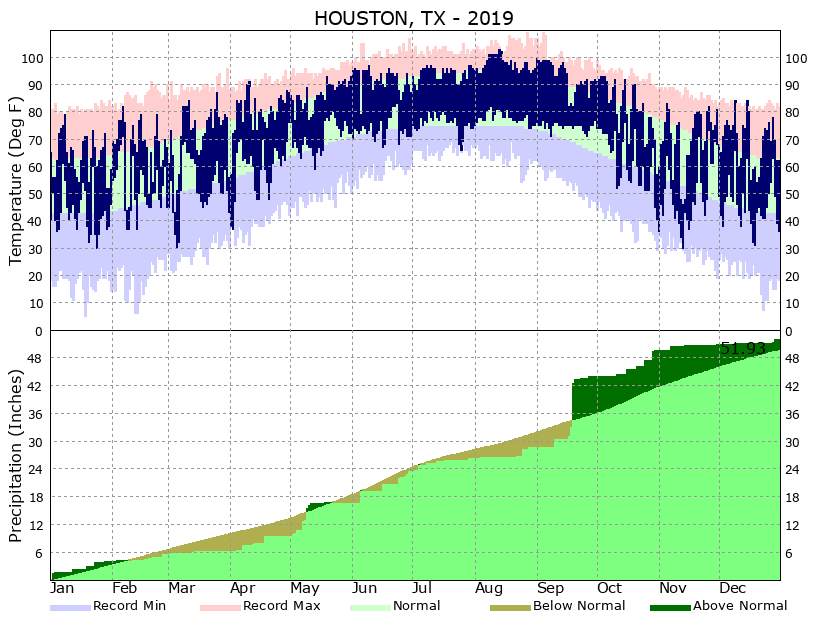
Understanding Houston’s Seasonal Climate
The climate of Houston is a significant factor for travelers planning their itineraries. The city’s location on the Gulf Coast contributes to its distinct weather patterns, marked by high humidity and a relatively small annual temperature range. This means that even during cooler months, the air can retain a certain moisture, and summer days can feel exceptionally oppressive without proper preparation.
Summer Dominance: Heat and Humidity
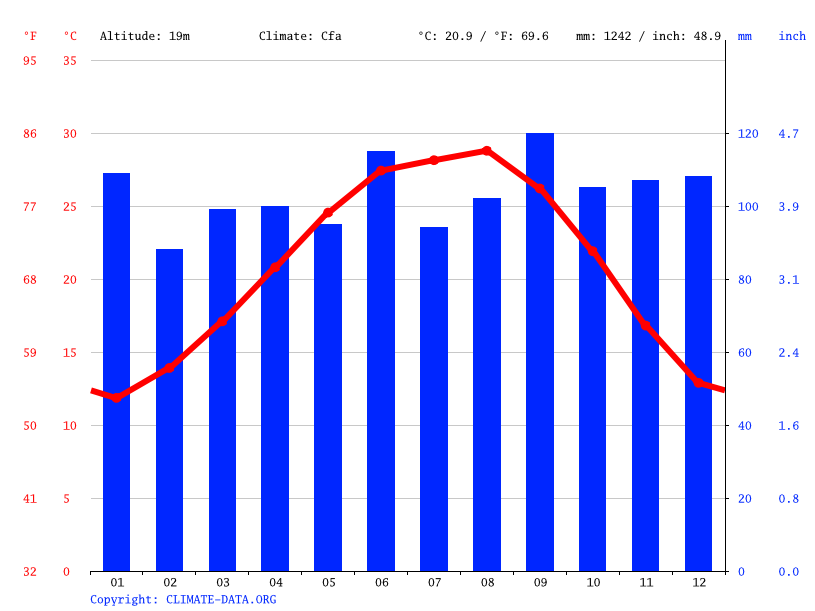
Houston summers, typically from June through August, are notoriously hot and humid. Average high temperatures frequently climb into the 90s Fahrenheit (around 32-37 degrees Celsius), and the heat index, which factors in humidity, can often push into the triple digits, making it feel much hotter. The humidity levels are consistently high, often exceeding 70-80%, creating a thick, sticky atmosphere. Rainfall is also common during this season, often in the form of afternoon thunderstorms that provide temporary, albeit brief, relief from the heat. These storms can be intense, sometimes bringing heavy downpours and lightning. For travelers visiting during the summer, light, breathable clothing, ample hydration, and a focus on indoor activities or early morning/late evening excursions are highly recommended. Exploring the Space Center Houston or enjoying the air-conditioned comfort of the Museum District are ideal ways to escape the midday sun.
Autumn’s Gentle Transition
As summer fades, Houston experiences a welcome transition into autumn, generally from September to November. While September can still feel quite warm and humid, temperatures gradually begin to moderate. Average highs in October and November often settle in the comfortable 70s and 80s Fahrenheit (around 21-29 degrees Celsius), with cooler evenings becoming more prevalent. The humidity also tends to decrease, making outdoor activities significantly more pleasant. This season is an excellent time to explore the city’s many parks, such as Buffalo Bayou Park, or to enjoy outdoor dining at the numerous restaurants and cafes. The lower temperatures and reduced humidity make it an ideal period for strolling through the Historic Heights or attending outdoor events like the Houston Livestock Show and Rodeo.
Mild Winters and Fleeting Cold Snaps
Houston winters, from December to February, are generally mild. Average high temperatures hover in the 60s Fahrenheit (around 15-20 degrees Celsius), and freezing temperatures are rare, though they can occur. Lows can dip into the 40s and 50s Fahrenheit (around 4-15 degrees Celsius). Snowfall is exceptionally uncommon, and when it does occur, it’s usually a light dusting that melts quickly. The primary characteristic of winter is the variability; while most days are pleasant, the city can experience occasional cold snaps, bringing temperatures down into the 30s and 40s Fahrenheit (around 0-10 degrees Celsius) for a few days. These cold spells are typically short-lived. Travelers during winter should pack layers, including a light jacket or sweater, to adapt to these fluctuating conditions. It’s a good time for exploring indoor attractions like the Museum of Fine Arts, Houston or enjoying the festive holiday season events.
Spring’s Arrival: Warmth and Rain
Spring in Houston, from March to May, heralds a return to warmer weather. Temperatures begin to climb steadily, with average highs in the 70s and 80s Fahrenheit (around 21-29 degrees Celsius) by April and May. The humidity also starts to increase, gradually building towards the summer months. Spring is also known for its significant rainfall, often with periods of heavy showers and thunderstorms. This rainfall is crucial for the lush greenery that blooms across the city during this season. For travelers, spring offers a delightful window of opportunity to enjoy the outdoors before the intense heat of summer arrives. It’s perfect for visiting the Houston Arboretum & Nature Center or enjoying the vibrant colors of the city’s many gardens. However, it’s wise to pack an umbrella and be prepared for occasional wet days.
Impact on Travel Planning and Activities
The prevailing temperatures and weather patterns in Houston, Texas have a direct and significant impact on how visitors can best plan their trips and what activities they can comfortably pursue. Understanding these nuances allows for a more enjoyable and seamless travel experience.
Optimizing Your Itinerary Based on Temperature

When planning a trip to Houston, considering the time of year is crucial.
- For heat-seekers and those who don’t mind humidity: Summer offers long daylight hours and a buzzing city atmosphere, perfect for those who thrive in warm conditions and plan to spend ample time in air-conditioned venues or exploring during cooler parts of the day.
- For comfort and outdoor exploration: Spring and Autumn are generally considered the prime seasons. The moderate temperatures and less oppressive humidity make it ideal for extensive walking tours, exploring outdoor markets, and enjoying the city’s numerous parks and green spaces.
- For a milder climate: Winter provides a pleasant respite from colder climates elsewhere, with crisp air and fewer crowds, making it suitable for cultural immersion and indoor attractions.
Regardless of the season, always check the specific weather forecast closer to your travel dates, as microclimates and unexpected weather shifts can occur.
Recommended Attire and Packing Essentials
Your wardrobe should be a direct reflection of Houston’s climate.
- Summer: Lightweight, breathable fabrics like cotton and linen are essential. Think shorts, t-shirts, sundresses, and sandals. A wide-brimmed hat and sunglasses are non-negotiable for sun protection. Don’t forget a light rain jacket or poncho for those sudden thunderstorms.
- Spring and Autumn: A mix of short-sleeved and long-sleeved shirts, comfortable trousers or jeans, and a light jacket or cardigan are suitable. Comfortable walking shoes are a must, as you’ll likely be doing a lot of exploring.
- Winter: Layers are key. Pack long-sleeved shirts, sweaters, a light to medium-weight jacket, and possibly a scarf. Evenings can get cool, so a warmer outer layer is advisable. While rarely needed, very occasional cold snaps might warrant a warmer coat.
Hydration and Sun Protection: Non-Negotiables
Given the often high temperatures and humidity, especially during the summer months, staying hydrated is paramount. Always carry a reusable water bottle and refill it frequently. Look for water fountains in public spaces or purchase bottled water. For those visiting during warmer periods, consider electrolyte drinks to replenish lost salts.
Sun protection is equally vital. The Texas sun can be intense, even on partly cloudy days. Apply high-SPF sunscreen liberally and reapply every couple of hours, especially if you are sweating or swimming. Wear sunglasses to protect your eyes and a hat to shield your face and scalp. Seeking shade during the hottest parts of the day, typically between 10 AM and 4 PM, can significantly reduce your risk of heatstroke or sunburn.
Beyond the Thermometer: Experiencing Houston’s Climate
The temperature in Houston, Texas is more than just data; it’s a fundamental element that shapes the city’s character and influences the experiences available to visitors. From the way locals interact with their environment to the types of festivals and events that thrive, the climate is woven into the fabric of Houston.
Embracing Indoor Culture During Peak Heat
When the summer heat becomes too intense for extended outdoor activities, Houston truly shines with its vast array of indoor attractions. The Museum District alone boasts 19 institutions, including the renowned Museum of Fine Arts, Houston, the Children’s Museum Houston, and the Houston Museum of Natural Science. These provide hours of air-conditioned exploration. Beyond museums, the city offers numerous indoor entertainment options, from world-class dining establishments to vibrant performance venues like the Alley Theatre and the Houston Symphony. The extensive underground tunnel system, the Houston Tunnel System, also offers a unique way to navigate parts of the downtown area while staying cool and dry.
Outdoor Adventures in More Temperate Seasons
As the temperatures become more forgiving in spring, autumn, and milder winter days, Houston opens up for a wealth of outdoor experiences. Buffalo Bayou Park is a central green lung offering jogging trails, picnic spots, and kayaking opportunities on the bayou. The Hermann Park Conservancy provides a tranquil escape with its Japanese Garden, pedal boats on the lake, and the popular Houston Zoo. For nature enthusiasts, the Houston Arboretum & Nature Center provides miles of walking trails through diverse ecosystems. The city also hosts numerous outdoor festivals and farmers’ markets throughout the year, taking advantage of the pleasant weather.
Navigating Rainfall and Thunderstorms
Houston’s rainfall, particularly during spring and summer thunderstorms, is a characteristic feature. While sometimes disruptive to outdoor plans, these storms are also a part of the region’s natural beauty. Visitors should remain aware of weather alerts and be prepared to adjust their schedules. Having a flexible itinerary that includes indoor alternatives is always a wise strategy. Many of the city’s attractions are designed to be enjoyed rain or shine, and the dramatic spectacle of a Gulf Coast thunderstorm can be a unique experience in itself when viewed from a safe, indoor vantage point. Understanding the likelihood of rain and packing appropriate gear, like a reliable umbrella and waterproof footwear, can turn a potential inconvenience into a minor footnote in a memorable trip.
LifeOutOfTheBox is a participant in the Amazon Services LLC Associates Program, an affiliate advertising program designed to provide a means for sites to earn advertising fees by advertising and linking to Amazon.com. Amazon, the Amazon logo, AmazonSupply, and the AmazonSupply logo are trademarks of Amazon.com, Inc. or its affiliates. As an Amazon Associate we earn affiliate commissions from qualifying purchases.