
Texas Caviar, also known as Cowboy Caviar or Black-Eyed Pea Salsa, is a vibrant and flavorful dish that has become a staple of Texan cuisine. Far from the briny, luxurious pearls of fish roe, this Texan iteration is a hearty, refreshing, and incredibly versatile appetizer or side dish. It’s a celebration of fresh ingredients, zesty flavors, and the convivial spirit of the Lone Star State.
A Culinary Origin Story
The creation of Texas Caviar is often attributed to Helen Corbitt, a renowned chef who worked at the Driskill Hotel in Austin, Texas, during the mid-20th century. While the exact origins can be debated, Corbitt is widely credited with popularizing a version of this dish in her cookbook, “Helen Corbitt’s Cookbook,” published in 1950. She described it as a delightful accompaniment to barbecued meats and a refreshing starter for any gathering.

The Name Game: Caviar or Salsa?
The “caviar” in Texas Caviar is purely metaphorical, a nod to its rich, dark appearance when made with black-eyed peas, and its function as a sophisticated party dip. However, the ingredients themselves are humble and down-to-earth. Unlike traditional caviar, which is delicate and requires careful handling, Texas Caviar is robust and forgiving. The term “Cowboy Caviar” emerged as a more descriptive, folksy alternative, highlighting its association with Texas ranch culture and its hearty, portable nature. “Black-Eyed Pea Salsa” is perhaps the most literal description, accurately reflecting its primary ingredient and its salsa-like consistency.
Deconstructing the Flavors: Key Ingredients and Their Roles
At its heart, Texas Caviar is a chopped salad, a harmonious blend of textures and tastes that come together to create something truly special. The foundation is typically black-eyed peas, but the magic truly happens with the addition of a colorful medley of vegetables and a tangy dressing.
The Star: Black-Eyed Peas
The cornerstone of this dish is the humble black-eyed pea. These legumes offer a slightly creamy texture and a mild, earthy flavor that readily absorbs the dressing. While canned black-eyed peas are most commonly used for convenience, dried peas can also be cooked from scratch for a more intense flavor and slightly firmer texture.
The Supporting Cast: A Symphony of Freshness
A truly exceptional Texas Caviar is defined by its vibrant ensemble of fresh vegetables, each contributing a unique element:
- Bell Peppers: Diced bell peppers, typically a mix of red, green, and yellow, provide a sweet crunch and a burst of color. Red bell peppers add a touch of sweetness, while green offers a slightly more vegetal note.
- Onions: Finely chopped red onion or yellow onion lends a sharp, pungent bite that balances the sweetness of the peppers. For a milder flavor, some recipes call for soaking the diced onion in cold water for a few minutes before adding it.
- Tomatoes: Ripe, juicy tomatoes, often Roma or cherry tomatoes, add moisture and a slight acidity. Their tender texture contrasts beautifully with the crispier vegetables.
- Jalapeños or Serrano Peppers: For a touch of heat, finely minced jalapeños or serrano peppers are essential. The amount can be adjusted to suit individual spice preferences, ranging from a subtle warmth to a fiery kick.
- Cilantro: Freshly chopped cilantro provides an essential herbaceous aroma and a bright, citrusy flavor that ties all the elements together.
The Tangy Dressing: The Unifying Element
The dressing is what brings all the ingredients into a cohesive whole, infusing them with flavor and a delightful tang. It’s typically a vinaigrette-based concoction that is both simple and impactful:
- Vinegar: Apple cider vinegar or white wine vinegar provides the necessary acidity to brighten the dish.
- Olive Oil: A good quality extra virgin olive oil forms the base of the vinaigrette, adding richness and body.
- Seasonings: Salt and freshly ground black pepper are fundamental for enhancing the overall flavor profile.
- Optional additions: Some variations include a touch of Dijon mustard for added depth and emulsification, a pinch of sugar to balance the acidity, or even a splash of lime juice for an extra citrusy zest.
Variations and Customizations: Making it Your Own
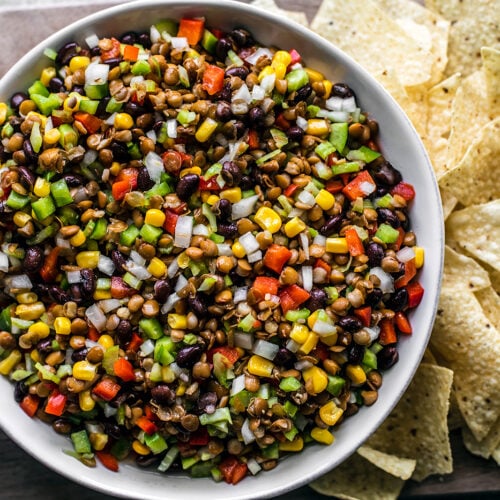
While the classic recipe for Texas Caviar is undeniably delicious, its inherent flexibility allows for endless variations and personal touches. This adaptability is part of its enduring appeal, making it a beloved dish across Texas and beyond.
Beyond the Black-Eyed Pea
While black-eyed peas are the traditional choice, other legumes can be incorporated or substituted. Chickpeas offer a firmer texture and a slightly nuttier flavor. Cannellini beans or even pinto beans can also work, though they will alter the characteristic taste and texture of the dish.
Adding More Crunch and Substance
For those who prefer a more substantial appetizer or a heartier side, several additions can elevate the Texas Caviar:
- Corn: Fresh or frozen corn kernels add a delightful sweetness and pop of texture. Grilled corn can impart a wonderful smoky flavor.
- Avocado: Diced avocado, added just before serving, provides a creamy, rich element that complements the other ingredients beautifully.
- Cheese: Crumbled cotija cheese or a sprinkle of sharp cheddar can add a salty, savory dimension.
- Meats: For a heartier salad, cooked and crumbled bacon or finely diced grilled chicken can be incorporated.
Spicing Things Up (or Down)
The heat level is entirely customizable. Beyond jalapeños and serranos, other chili peppers can be used. For those who prefer a milder flavor, the seeds and membranes of the peppers can be removed, or they can be omitted altogether. A dash of hot sauce can also be stirred into the dressing for an easy heat boost.
Serving Suggestions: The Versatile Champion
Texas Caviar truly shines in its versatility. It’s a dish that can be enjoyed in a multitude of ways, making it a go-to for potlucks, game days, holidays, or simply a casual weeknight meal.
As an Appetizer and Dip
This is arguably the most popular way to serve Texas Caviar. Presented in a communal bowl with a generous side of tortilla chips, it’s an irresistible crowd-pleaser. The vibrant colors make it visually appealing, and its robust flavors are sure to be a hit. It also pairs wonderfully with cornbread or pita bread.
As a Side Dish
Texas Caviar is an excellent accompaniment to a variety of main courses. Its fresh, zesty profile cuts through the richness of grilled meats, barbecue, and fried foods. It’s a fantastic addition to any Texan cookout, alongside brisket, ribs, or pulled pork. It also complements grilled chicken, fish, or even vegetarian main dishes.
As a Salad or Topping
For a lighter meal, Texas Caviar can be enjoyed as a stand-alone salad. It can also be used as a topping for baked potatoes, grilled chicken breasts, or even as a flavorful filling for wraps or lettuce cups. The possibilities are as vast as the Texas landscape itself.

The Enduring Appeal of Texas Caviar
In a culinary world often focused on trends and fleeting fads, Texas Caviar stands as a testament to the power of simple, fresh ingredients and well-balanced flavors. It’s a dish that embodies the spirit of Texas – generous, flavorful, and always welcoming. Whether you call it Texas Caviar, Cowboy Caviar, or Black-Eyed Pea Salsa, this vibrant dish is a delicious and essential part of Texan culinary culture, offering a delightful taste of the Southwest. Its ease of preparation, combined with its incredible flavor and adaptability, ensures its place on tables for generations to come.
LifeOutOfTheBox is a participant in the Amazon Services LLC Associates Program, an affiliate advertising program designed to provide a means for sites to earn advertising fees by advertising and linking to Amazon.com. Amazon, the Amazon logo, AmazonSupply, and the AmazonSupply logo are trademarks of Amazon.com, Inc. or its affiliates. As an Amazon Associate we earn affiliate commissions from qualifying purchases.