
Texas, a state renowned for its vast landscapes, rich history, and distinct cultural identity, also boasts a vibrant marine ecosystem. Understanding its state symbols offers a unique window into its heritage and natural treasures. While many associate Texas with cowboys and sprawling ranches, its connection to the sea, particularly along the Gulf Coast, is equally significant. The designation of a state fish is not merely an honorary title; it often reflects a species’ ecological importance, economic impact, or historical relevance to the region. Exploring the story behind Texas’s state fish reveals a fascinating interplay between nature and the Texan spirit, highlighting the importance of conservation and the enduring allure of its coastal waters.
The Official Designate: The Guadalupe Bass
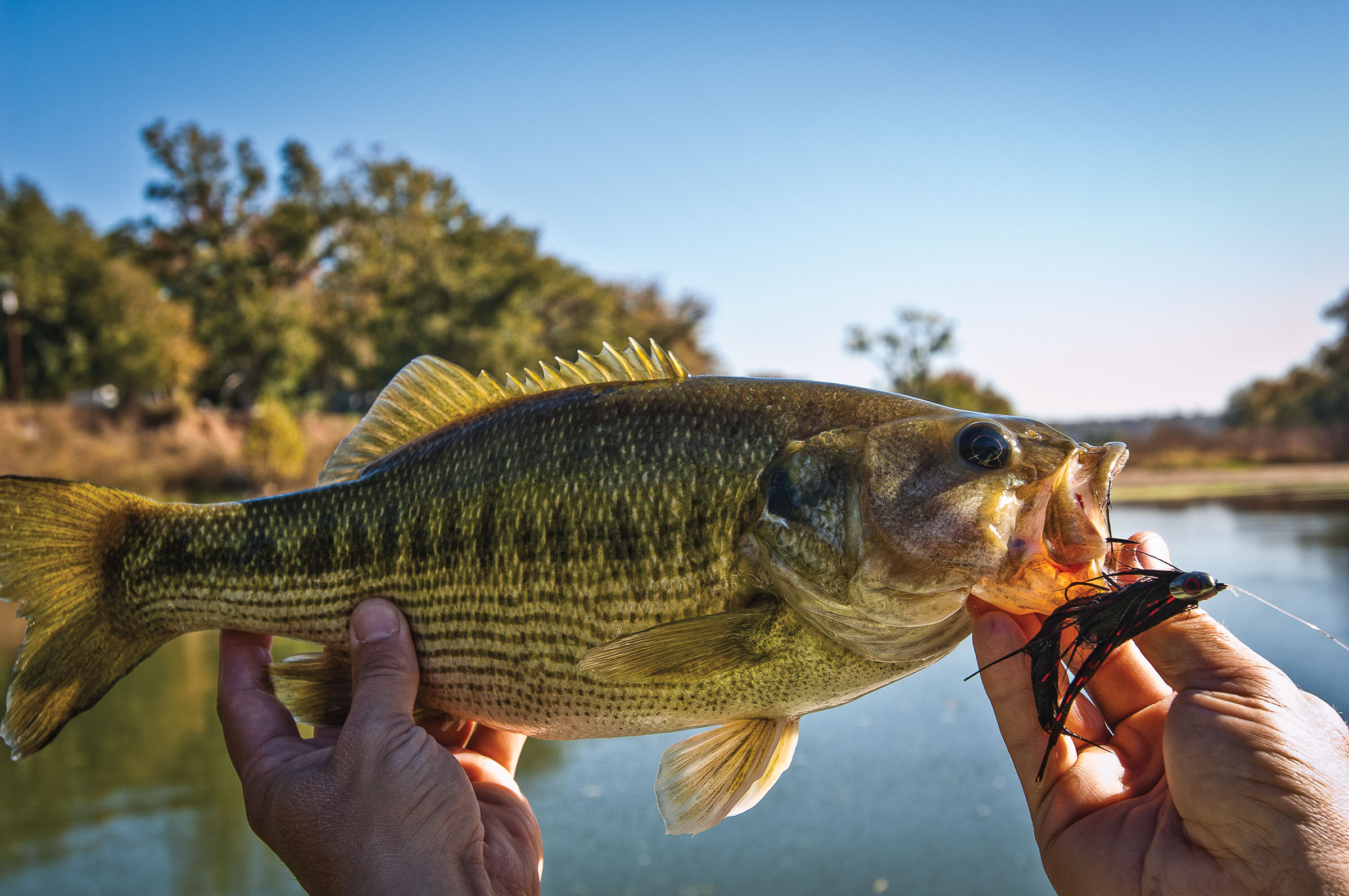
The official state fish of Texas is the Guadalupe Bass (Micropterus treculii). This designation, made official by the 71st Texas Legislature in 1989, recognizes a native species that is found almost exclusively within the state’s borders. Its scientific name, Micropterus treculii, honors the French naturalist François Louis Paul Trécul, who is credited with its early scientific description. The Guadalupe Bass is a member of the sunfish family (Centrarchidae), which also includes other popular game fish like the largemouth bass and smallmouth bass.
Ecological Significance and Habitat
The Guadalupe Bass is an integral part of the freshwater ecosystems of the Texas Hill Country. Its native range is primarily confined to the clear, cool, and flowing waters of the Edwards Plateau region, particularly in the headwaters of the San Antonio River, Guadalupe River, and Comal River systems. These rivers are characterized by limestone substrates, rapids, riffles, and deep pools, providing ideal conditions for the Guadalupe Bass to thrive. Unlike its more widespread cousins, the Guadalupe Bass is a habitat specialist, making its conservation particularly important. Its presence is a strong indicator of healthy aquatic environments.
Unique Characteristics and Behavior
Distinguishing the Guadalupe Bass from other bass species requires a keen eye for detail. Adults typically range from 10 to 15 inches in length, with larger specimens reaching up to 20 inches and weighing several pounds. They possess a greenish-bronze coloration, often with a series of dark, irregular blotches along their sides. A key distinguishing feature is the presence of a dark lateral stripe that is more pronounced than in largemouth bass, and the absence of the distinct black stripe found in smallmouth bass. Their fins are typically edged with white, adding to their subtle beauty.
Guadalupe Bass are primarily piscivorous, meaning they feed on small fish, but their diet also includes crustaceans, insects, and other aquatic invertebrates. They are known for their aggressive strikes and spirited fight when hooked, making them a prized catch for anglers. Spawning typically occurs in the spring when water temperatures rise, and the males guard the nest and newly hatched fry diligently. Their territorial nature and preference for swift currents set them apart from other bass species that may favor more sluggish waters.
Angling and Conservation Efforts
The Guadalupe Bass is a popular target for sportfishing enthusiasts, particularly within its native Texas range. Anglers are drawn to its challenging fight and the unique experience of pursuing a species endemic to the Lone Star State. The Texas Parks and Wildlife Department (TPWD) actively manages populations through stocking programs and habitat improvement initiatives. Conservation efforts are crucial due to the species’ limited natural range and susceptibility to environmental changes, such as drought and habitat degradation.
- Sportfishing Value: The Guadalupe Bass is highly valued by anglers for its feisty nature and the challenge it presents. Many fishing guides and lodges in the Texas Hill Country specialize in targeting this species, contributing to the local economy.
- Management Strategies: TPWD employs various strategies, including catch-and-release programs, slot limits to protect larger breeding fish, and habitat restoration projects. Efforts are also underway to control invasive species that may compete with or prey upon the Guadalupe Bass.
- Hybridization Concerns: A significant conservation challenge is the threat of hybridization with introduced largemouth bass. Hybridization can dilute the genetic purity of the Guadalupe Bass, potentially leading to a loss of its unique adaptive traits. Management plans often focus on maintaining purebred populations in specific areas.
Beyond the Guadalupe Bass: Other Notable Texas Aquatic Life
While the Guadalupe Bass holds the official title, Texas’s aquatic environments are home to a diverse array of fascinating fish species, each contributing to the ecological richness of the state. From the salty depths of the Gulf of Mexico to the vast network of freshwater rivers and lakes, these creatures play vital roles in their respective habitats and hold cultural and economic significance. Understanding these species provides a broader appreciation for Texas’s natural heritage.

Coastal Champions: The Red Drum and Speckled Trout
Along the Gulf Coast, species like the Red Drum (Sciaenops ocellatus) and Spotted Seatrout (Cynoscion nebulosus), commonly known as Speckled Trout, are iconic.
- Red Drum: Famous for its distinctive dark spot (or spots) near the tail, the Red Drum is a powerful and popular game fish. Its “drumming” sound, produced by vibrating muscles against its swim bladder, is a characteristic of its presence. Red Drum are found in shallow bays, estuaries, and surf zones, and are a significant target for recreational and commercial fishing.
- Speckled Trout: Adorned with characteristic black spots, Speckled Trout are highly sought after by anglers for their delicious taste and challenging fight on light tackle. They inhabit the same coastal waters as Red Drum, often congregating in grass beds and oyster reefs where they ambush their prey.
Freshwater Favorites: Largemouth Bass and Catfish
Texas’s extensive network of lakes, reservoirs, and rivers supports a healthy population of freshwater game fish.
- Largemouth Bass: While not the state fish, the Largemouth Bass (Micropterus salmoides) is arguably the most popular freshwater game fish in Texas, and indeed in much of North America. Texas lakes are renowned for producing trophy-sized largemouth bass, attracting anglers from around the globe. Its adaptability to various freshwater environments makes it a ubiquitous and cherished species.
- Catfish: Various catfish species, including the Channel Catfish (Ictalurus punctatus), Blue Catfish (Ictalurus furcatus), and Flathead Catfish (Pylodictis olivaris), are abundant in Texas waters. These fish are not only important sport fish but also significant food sources and play a crucial role in maintaining the ecological balance of their aquatic habitats.
The Significance of State Symbols in Tourism and Culture
The designation of a state fish, like that of other state symbols, serves multiple purposes beyond mere recognition. It acts as a cultural touchstone, a point of pride for residents, and an educational tool for visitors. For a state like Texas, where natural resources are a significant draw, these symbols can subtly influence tourism and local identity.
Education and Awareness
The official designation of the Guadalupe Bass as the state fish raises awareness about this unique species and the delicate ecosystems it inhabits. This can foster a greater sense of responsibility for conservation among Texans and visitors alike. Educational programs in schools and at nature centers often feature the state fish, highlighting its biological characteristics and ecological importance. This educational aspect is particularly relevant for attracting eco-tourists and those interested in the natural history of Texas.
Promoting Local Identity and Tourism
State symbols contribute to the unique identity of a place. For Texas, the Guadalupe Bass reinforces its connection to its natural landscapes and the importance of its freshwater systems. This can translate into tourism opportunities, encouraging visitors to explore the Texas Hill Country, engage in fishing, and appreciate the state’s biodiversity. Local festivals, fishing tournaments, and outdoor recreation businesses often leverage these symbols in their marketing and activities.

Conservation as a Tourism Driver
The commitment to conserving species like the Guadalupe Bass can, in turn, become a draw for tourists. Visitors interested in sustainable tourism and responsible outdoor recreation often seek destinations that demonstrate a strong environmental ethic. Promoting the Guadalupe Bass and its conservation story can attract a segment of the tourism market that values nature and is willing to support destinations that prioritize its preservation. This aligns with broader trends in responsible travel, where authentic experiences are often tied to natural and cultural heritage.
In conclusion, the designation of the Guadalupe Bass as the Texas State Fish is more than just an honorary title. It is a testament to the state’s unique biodiversity, a call for conservation, and a symbol that resonates with the Texan spirit of appreciation for its natural world. It invites exploration of its pristine Hill Country rivers and underscores the importance of protecting these vital aquatic resources for generations to come.
LifeOutOfTheBox is a participant in the Amazon Services LLC Associates Program, an affiliate advertising program designed to provide a means for sites to earn advertising fees by advertising and linking to Amazon.com. Amazon, the Amazon logo, AmazonSupply, and the AmazonSupply logo are trademarks of Amazon.com, Inc. or its affiliates. As an Amazon Associate we earn affiliate commissions from qualifying purchases.