
Understanding the intricacies of sales tax is a crucial element for any traveler planning a trip to the Lone Star State. While most visitors focus on the vibrant attractions, delicious cuisine, and unique experiences that Texas has to offer, a foundational knowledge of its tax structure can lead to more informed budgeting and a smoother travel experience. Texas state sales tax is a significant component of the overall cost of goods and services, and it applies to a wide array of transactions that travelers will encounter, from booking accommodations to purchasing souvenirs.
The Fundamentals of Texas Sales Tax
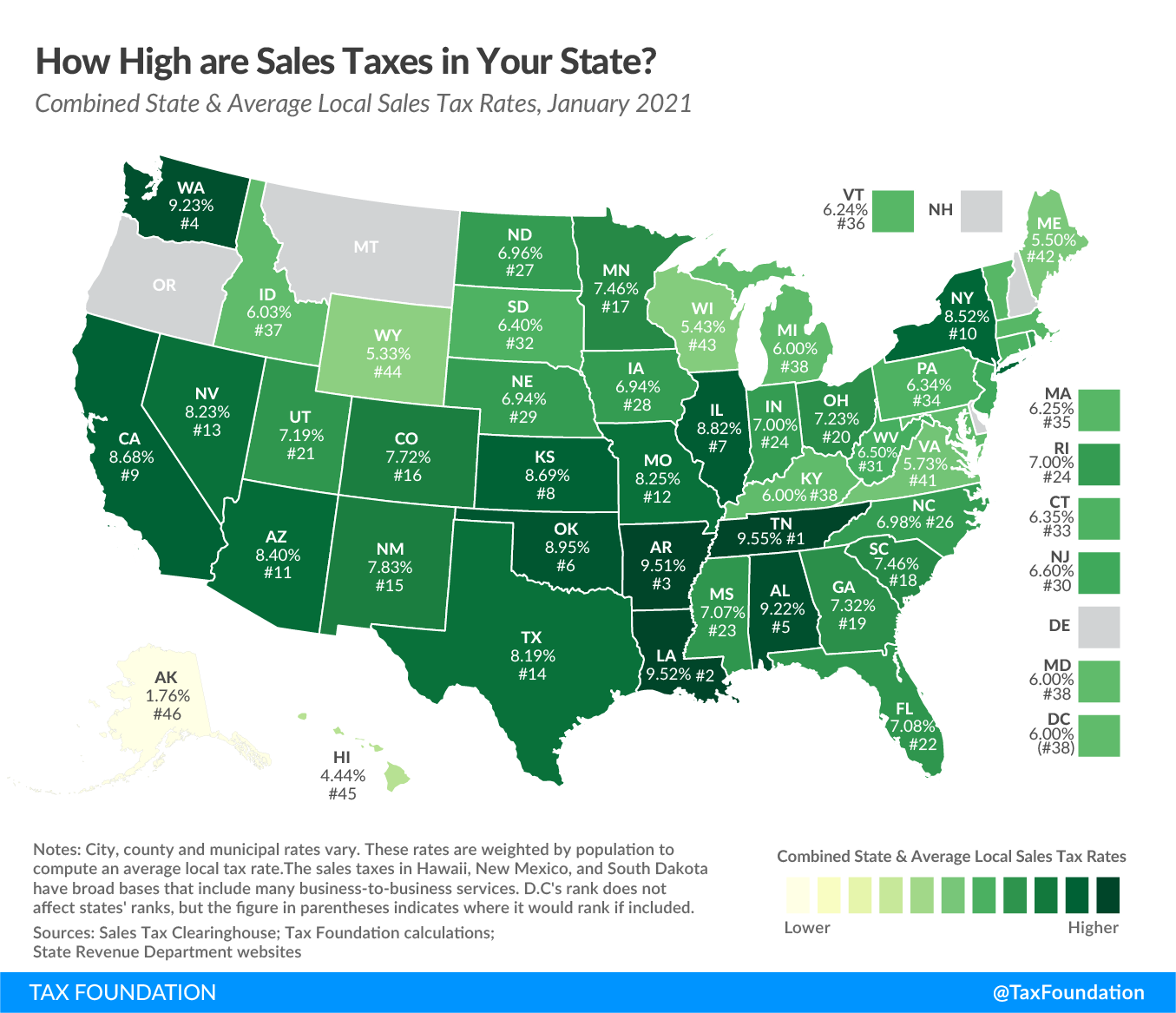
Texas imposes a state sales tax on the retail sale of tangible personal property and certain services. This tax is a primary source of revenue for the state, funding essential public services such as education, infrastructure, and public safety. For travelers, this translates into an additional percentage added to the price of most items they purchase. The current state sales tax rate in Texas is 6.25%. However, this is just the beginning of the story, as local jurisdictions have the authority to levy their own sales taxes, leading to a combined rate that can vary significantly across different cities and counties.
State vs. Local Sales Taxes
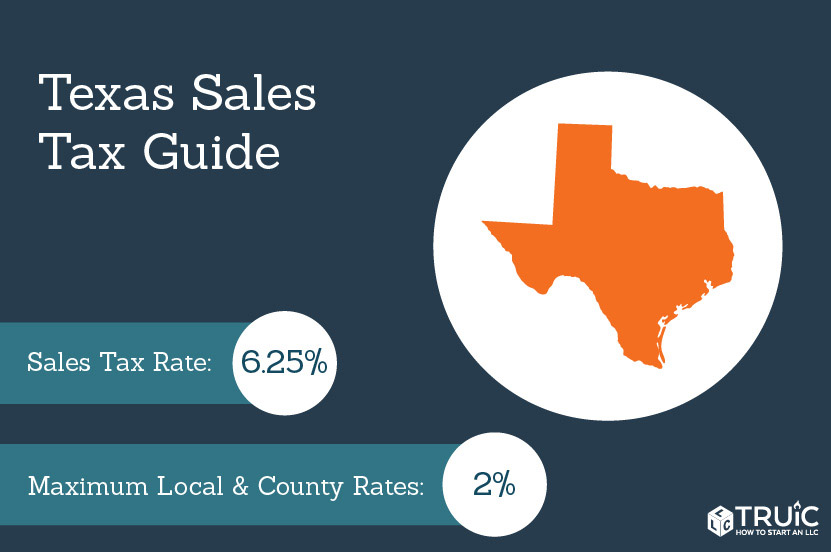
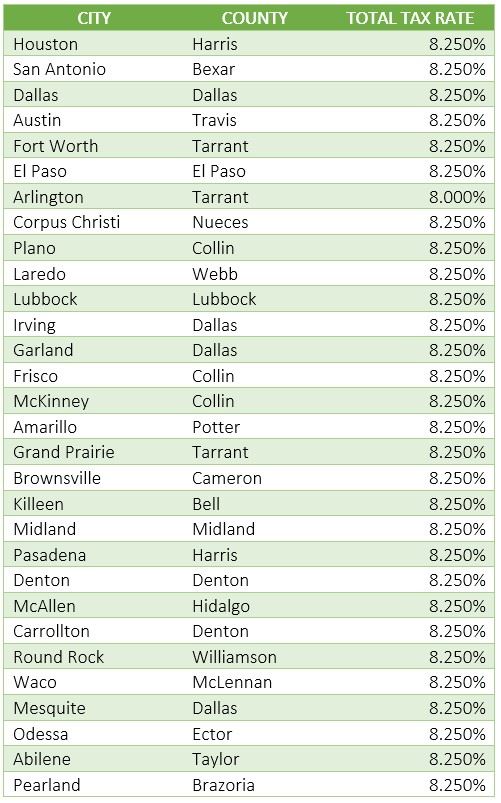
The distinction between state and local sales taxes is paramount for understanding the total tax burden. While the state mandates a base rate, cities, counties, and special districts can opt to impose additional sales taxes. These local taxes are added on top of the state rate, creating a combined sales tax rate. For example, a purchase made in Houston will have a different total sales tax rate than the same purchase made in Dallas or a smaller town.
The maximum combined sales tax rate in Texas is capped at 8.25%. This means that while the state rate is 6.25%, local taxes can add up to an additional 2%. These local taxes are often used to fund local infrastructure projects, public transportation, or other community services. When planning a trip, it is wise to research the specific sales tax rates in the destinations you intend to visit, as this can impact your overall travel budget, particularly for larger purchases or extended stays.
What is Taxable?
The scope of Texas sales tax is broad, covering most tangible personal property and a defined list of taxable services. For travelers, this includes common purchases such as:
- Souvenirs and Gifts: Items bought from shops in places like San Antonio or Austin are subject to sales tax.
- Clothing and Accessories: Apparel purchased in malls or boutiques will have sales tax added.
- Electronics: Gadgets, cameras, or other electronic devices are taxable.
- Food and Drinks (in certain contexts): While most groceries are exempt, prepared foods purchased for immediate consumption from restaurants, cafes, and convenience stores are typically taxable. This also extends to drinks like soda and bottled water.
- Hotel Stays: Occupancy taxes, which are a form of sales tax, are levied on hotel rooms. These often include state and local components, and can vary widely depending on the city and the type of lodging.
- Car Rentals: The cost of renting a vehicle to explore the vast expanse of Texas is also subject to sales tax.
- Admissions: Tickets to attractions, theme parks, museums, and sporting events in cities like Arlington or Galveston generally include sales tax in their price or add it at the point of sale.
- Certain Services: While the specifics can be complex, some services that are closely tied to tangible goods or are deemed to provide a benefit similar to property are taxable. This might include repair services for taxable items.
Understanding what is and isn’t taxable can help travelers make more informed purchasing decisions. For instance, certain agricultural products or essential groceries are often exempt to ease the burden on residents. However, for the typical tourist, the vast majority of retail transactions will incur sales tax.
Navigating Sales Tax in the Hospitality Sector
The hospitality industry, a cornerstone of tourism, is particularly affected by Texas sales tax. When booking a hotel, resort, or even a vacation rental, travelers will encounter occupancy taxes and potentially other service-related taxes that contribute to the overall cost. These taxes are crucial for funding tourism promotion efforts and maintaining local amenities that enhance the visitor experience.
Hotel Stays and Occupancy Taxes
Lodging in Texas is subject to a combination of state and local hotel occupancy taxes. The state levies a rate of 6% on hotel room revenues. On top of this, cities and counties can impose their own additional hotel occupancy taxes, which can range from a few percentage points to several more, depending on the municipality. Some larger cities, especially those with significant tourism, may have substantial local occupancy tax rates to support their tourism infrastructure and marketing initiatives.
For example, a stay at a San Antonio hotel might have a total occupancy tax rate that is higher than a hotel in a less tourist-centric area. These taxes are typically calculated on the gross rental receipts from the room. When reviewing hotel rates, it is important to look for the final price, which will include these occupancy taxes, to get an accurate picture of your expenses. Many booking platforms will itemize these taxes, providing transparency.
Restaurant and Dining Experiences
Dining out is a significant part of the Texas travel experience, from exploring the barbecue joints of central Texas to enjoying Tex-Mex in the south. Prepared food and beverages sold by restaurants, cafes, and catering services are generally subject to the combined state and local sales tax rate. This means that a meal in Austin will be priced with sales tax included.
It’s worth noting that the tax treatment of food can sometimes be nuanced. For instance, raw grocery items intended for home preparation are typically exempt, while meals purchased for immediate consumption are not. This distinction is generally clear for travelers, as they are more likely to be dining out rather than stocking up on groceries for an extended stay. The sales tax on food and beverages contributes to local economies and helps support the very establishments that make Texas dining so renowned.
Special Considerations for Travelers
While the general rules of sales tax apply to most transactions, there are a few specific scenarios and considerations that travelers should be aware of to avoid surprises and maximize their budget.
Taxable Services Beyond Hospitality
Beyond hotel stays and dining, other services commonly utilized by travelers are also subject to sales tax. This can include:
- Amusement and Recreational Services: Entrance fees to attractions like theme parks such as Six Flags Fiesta Texas, water parks, professional sporting events, and even movie theaters are typically subject to sales tax. The price listed on tickets may or may not include the tax, so it’s good to be aware at the point of purchase.
- Parking and Storage: Fees for parking at airports, hotels, or special event venues can also be taxed.
- Motor Vehicle Rentals: As mentioned earlier, renting a car to traverse the vast distances between cities like El Paso and Beaumont will incur sales tax on the rental charges.
Exemptions and What to Look For
While the list of taxable items and services is extensive, there are some notable exemptions that travelers might encounter, though they are less common for the average tourist. The most significant exemption is for most grocery food items sold for home consumption. However, this rarely impacts those staying in hotels or short-term rentals.
One area where exemptions might apply is for certain charitable organizations or government entities, but this is unlikely to be relevant for standard tourist purchases. It is always advisable for travelers to check the final price or receipt to ensure that sales tax has been correctly applied. If there are any doubts, a quick inquiry at the point of sale can clarify any confusion.
Planning Your Budget
Incorporating sales tax into your travel budget is a simple yet effective way to prevent unexpected expenses. For estimations, using the maximum combined rate of 8.25% for general purchases is a safe bet, especially if you plan to visit major metropolitan areas. For hotel stays, researching the specific occupancy tax rates for your chosen city and hotel will provide a more precise figure. Many travel websites and hotel booking engines will either include these taxes in the total price or clearly indicate them as an additional charge. By being aware of Texas sales tax, visitors can better plan their spending, allowing for more enjoyment of the state’s diverse offerings without financial stress.
LifeOutOfTheBox is a participant in the Amazon Services LLC Associates Program, an affiliate advertising program designed to provide a means for sites to earn advertising fees by advertising and linking to Amazon.com. Amazon, the Amazon logo, AmazonSupply, and the AmazonSupply logo are trademarks of Amazon.com, Inc. or its affiliates. As an Amazon Associate we earn affiliate commissions from qualifying purchases.