
Navigating the labyrinth of health insurance options in Texas can feel like a daunting task. With a diverse population and a wide array of healthcare providers and plans, identifying the “best” health insurance is not a one-size-fits-all proposition. Instead, it hinges on your unique needs, financial situation, and healthcare priorities. This guide aims to demystify the process, helping you make an informed decision for yourself and your family within the Lone Star State.
Understanding the Texas Health Insurance Landscape
Texas, much like other states, offers a variety of health insurance avenues. These primarily include plans purchased through the Affordable Care Act (ACA) Marketplace, employer-sponsored plans, Medicare for seniors, and Medicaid for low-income individuals and families. Each offers distinct benefits, eligibility requirements, and cost structures.

The ACA Marketplace in Texas
The Affordable Care Act (ACA) Marketplace, also known as Healthcare.gov for Texas residents, is a crucial platform for individuals and families who do not have access to employer-sponsored insurance or government programs like Medicare or Medicaid. The open enrollment period is your primary window to select a plan, though qualifying life events can trigger special enrollment periods outside of this time.
Key Considerations for ACA Plans:
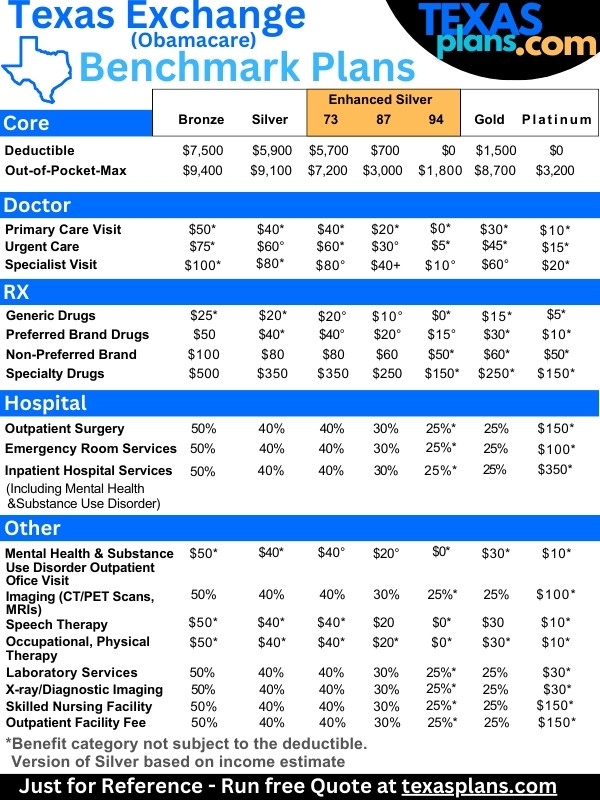
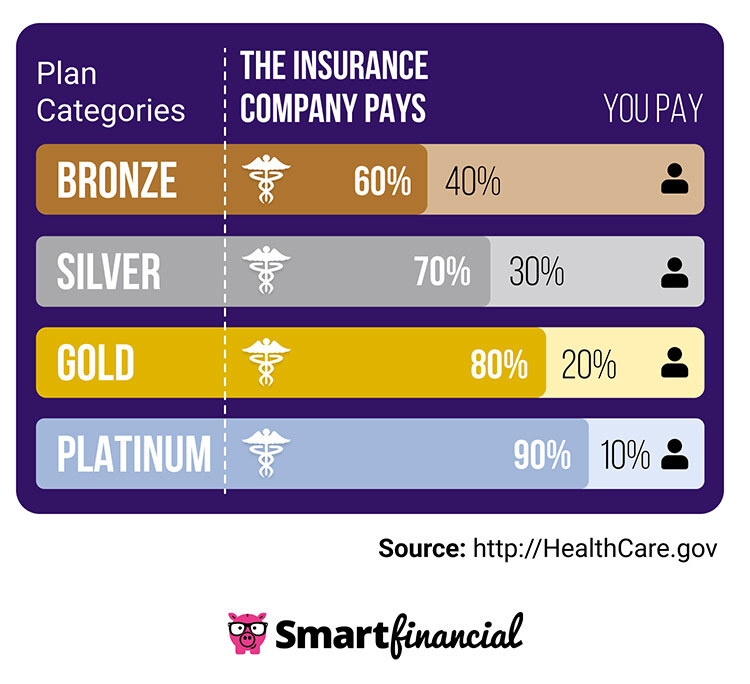
- Metal Tiers: Plans are categorized into Bronze, Silver, Gold, and Platinum. These tiers reflect the average cost-sharing between the insurer and the policyholder. Bronze plans have lower monthly premiums but higher out-of-pocket costs, while Platinum plans have higher premiums but lower out-of-pocket expenses. Silver plans are particularly significant as they are the only tier that qualifies you for cost-sharing reductions (subsidies) if your income falls within a certain range.
- Subsidies and Financial Assistance: The ACA offers premium tax credits to help lower monthly premium costs and cost-sharing reductions (CSRs) to lower deductibles, copayments, and coinsurance. Eligibility for these subsidies is based on your household income and size. It is crucial to accurately estimate your income when applying to ensure you receive the maximum available financial assistance.
- Network Types: The plans available on the Marketplace come in various network configurations, most commonly Health Maintenance Organizations (HMOs) and Preferred Provider Organizations (PPOs). HMOs typically require you to choose a primary care physician (PCP) and get referrals to see specialists, and you generally must stay within their network for covered services. PPOs offer more flexibility, allowing you to see specialists without a referral and visit providers outside the network, though at a higher cost.
Employer-Sponsored Health Insurance
For many Texans, employer-sponsored health insurance remains the most common and often the most affordable route to coverage. If your employer offers health benefits, it’s usually a strong contender for the “best” option due to potential employer contributions towards premiums, making your out-of-pocket costs lower.
Evaluating Employer Plans:
- Coverage Details: Carefully examine the benefits offered by your employer’s plan. Understand the deductibles, copayments, coinsurance, out-of-pocket maximums, and prescription drug coverage.
- Network: Determine the network of doctors and hospitals associated with the plan. If you have preferred providers, ensure they are in-network.
- Premiums and Contributions: Understand how much of the premium your employer covers versus how much you will contribute from your paycheck.
Medicare and Medicaid
While not directly competing with Marketplace or employer plans for everyone, Medicare and Medicaid are vital safety nets for specific demographics in Texas.
- Medicare: Primarily for individuals aged 65 and older, and younger people with certain disabilities. Texas residents eligible for Medicare have various options, including Original Medicare (Parts A and B), Medicare Advantage (Part C) plans, and Prescription Drug Plans (Part D). Medicare Advantage plans are often offered by private insurers and can include additional benefits beyond Original Medicare.
- Medicaid: Provides low-cost or free healthcare coverage to eligible low-income adults, children, pregnant women, elderly adults, and people with disabilities in Texas. Eligibility is determined by income, household size, and other factors.
Determining Your Healthcare Needs
The “best” health insurance plan is intrinsically linked to your personal healthcare requirements. What may be ideal for a young, healthy individual might be entirely unsuitable for a family with young children or someone managing a chronic condition.
Assessing Your Health Status
- Current Health Conditions: Do you or any family members have pre-existing conditions that require ongoing treatment, specialist visits, or expensive medications? If so, you’ll need a plan with robust coverage for these specific needs, potentially with lower copays and deductibles for specialist visits and a comprehensive formulary for prescription drugs.
- Prescription Drug Needs: Review the drug lists (formularies) of potential plans. Ensure your current medications are covered, and note any tiers that might affect your out-of-pocket costs.
Considering Your Financial Situation
- Income and Budget: How much can you realistically afford to spend on monthly premiums? Simultaneously, consider your capacity to handle deductibles and copayments when you need care. A lower premium might sound appealing, but if it comes with a very high deductible, you could face significant out-of-pocket expenses in the event of an illness or injury.
- Expected Healthcare Utilization: Do you anticipate needing frequent doctor visits, specialist appointments, or diagnostic tests in the coming year? If so, a plan with lower copays and a lower deductible might be more cost-effective in the long run, even with a higher monthly premium. Conversely, if you are generally healthy and expect minimal healthcare usage, a high-deductible plan with a lower premium might be more suitable.
Evaluating Your Provider Preferences
- Doctor and Hospital Network: Do you have a primary care physician or a specialist you wish to continue seeing? Are there specific hospitals you prefer for certain procedures? It’s crucial to verify that your preferred providers are within the network of any plan you are considering. Out-of-network care can result in significantly higher costs or may not be covered at all.
- Urgency of Care: Do you value the ability to see specialists without a referral, or are you comfortable with a primary care physician managing your referrals? This distinction often separates HMOs from PPOs.
Key Factors to Compare When Choosing a Plan
Once you’ve assessed your needs, the next step is to compare the specific attributes of available health insurance plans. This involves delving into the details that directly impact your costs and access to care.
Premiums, Deductibles, Copayments, and Coinsurance
- Monthly Premium: This is the fixed amount you pay each month to maintain your health insurance coverage.
- Deductible: The amount you must pay out-of-pocket for covered healthcare services before your insurance plan starts to pay. Plans with lower premiums often have higher deductibles, and vice versa.
- Copayment (Copay): A fixed amount you pay for a covered healthcare service after you’ve met your deductible (though some plans have copays that apply before the deductible is met for certain services like doctor visits).
- Coinsurance: Your share of the costs of a covered healthcare service, calculated as a percentage (e.g., 20%) of the allowed amount for the service. You pay coinsurance after you’ve met your deductible.
Out-of-Pocket Maximum
This is the most you will have to pay for covered services in a plan year. Once you reach this limit, your health insurance plan pays 100% of the costs of covered benefits for the rest of the year. This is a critical figure to understand, as it sets a cap on your financial liability for healthcare expenses.
Prescription Drug Coverage
Understanding your prescription drug benefits is paramount. Look for:
- Formulary: The list of prescription drugs covered by the plan.
- Tiers: How drugs are categorized, with each tier having a different cost.
- Mail-Order Pharmacy Options: Some plans offer discounts or convenience through mail-order services.
Preventive Care Services
The ACA mandates that most health insurance plans cover certain preventive care services at no cost to you, even before you meet your deductible. This includes services like annual physicals, certain screenings (e.g., mammograms, colonoscopies), and vaccinations. Ensuring these are covered is a significant benefit.
Making Your Final Decision in Texas
Choosing the best health insurance in Texas requires a deliberate and informed approach. It’s not merely about picking the cheapest option; it’s about finding a plan that provides comprehensive coverage tailored to your specific circumstances, ensures access to the providers you trust, and fits within your budget for both monthly premiums and potential out-of-pocket expenses.
When comparing plans, consider using online comparison tools available through the ACA Marketplace or through independent insurance brokers. These tools allow you to input your specific needs and preferences to see a side-by-side comparison of available plans.
Remember that your needs can change over time. Review your health insurance coverage annually during the open enrollment period, or if you experience a qualifying life event, to ensure it continues to meet your evolving healthcare requirements. By thoroughly understanding your options and diligently comparing plans, you can secure the best health insurance for your peace of mind and well-being in Texas.
LifeOutOfTheBox is a participant in the Amazon Services LLC Associates Program, an affiliate advertising program designed to provide a means for sites to earn advertising fees by advertising and linking to Amazon.com. Amazon, the Amazon logo, AmazonSupply, and the AmazonSupply logo are trademarks of Amazon.com, Inc. or its affiliates. As an Amazon Associate we earn affiliate commissions from qualifying purchases.