
The climate of Texas is a tapestry woven from a diverse range of weather patterns, influenced by its sheer size and varied geography. Stretching from the humid subtropical regions of the Gulf Coast to the arid deserts of the West Texas landscape, and encompassing the rolling plains and piney woods in between, Texas experiences a wide spectrum of temperatures, precipitation, and seasonal changes. Understanding this climatic diversity is crucial for travelers planning a visit, residents preparing for seasonal shifts, and anyone seeking to appreciate the unique environmental character of the Lone Star State.
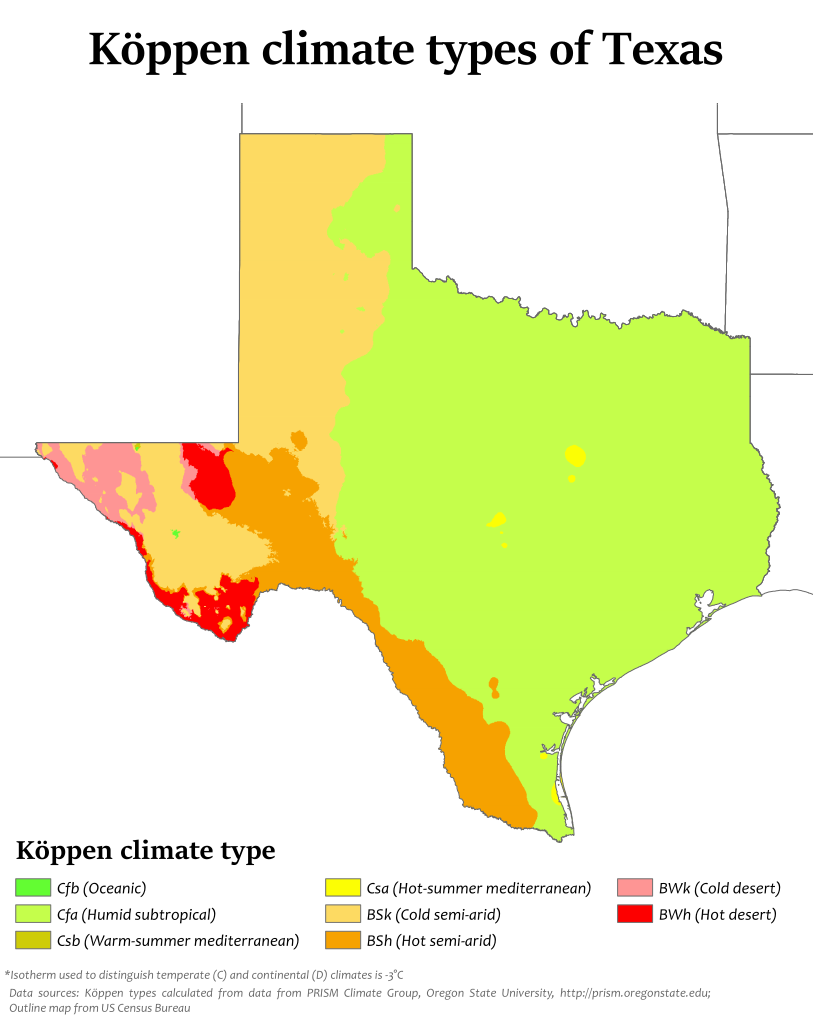
Regional Climate Variations
Texas can be broadly divided into several climatic zones, each with its distinct characteristics. This regional variation is the most significant factor shaping the weather experienced across the state.
East Texas: Humid Subtropical Dominance
The easternmost third of Texas, often characterized by its lush pine forests and abundant rainfall, falls under a humid subtropical climate. This region, including cities like Houston and Dallas, experiences hot, humid summers and mild winters.
- Summers: From June through August, temperatures frequently soar into the 90s Fahrenheit, with high humidity making it feel even hotter. Thunderstorms are common, providing temporary relief from the heat, but also contributing to the risk of flash flooding.
- Winters: Winters are generally mild, with average daytime temperatures in the 50s and 60s Fahrenheit. Freezing temperatures are infrequent, and snow is a rare occurrence, usually seen as a dusting rather than significant accumulation. The exception can be in the northern parts of East Texas, where winter chills can be more pronounced.
- Precipitation: This region receives the most rainfall in the state, with annual averages often exceeding 40 inches. The moisture is distributed relatively evenly throughout the year, though typically peaking in the spring and fall.
Central Texas: Transition Zone
Central Texas, encompassing areas like Austin and San Antonio, represents a transition zone between the wetter East Texas and the drier West. It experiences a blend of the humid subtropical and semi-arid climates.
- Summers: Summers are hot and often humid, with temperatures routinely reaching the high 90s Fahrenheit. Drought conditions can exacerbate the heat, leading to increased wildfire risk.
- Winters: Winters are cool to mild, with average temperatures in the 40s and 50s Fahrenheit. Frost and occasional freezes are common, especially in the northern parts of Central Texas.
- Precipitation: Rainfall averages are typically between 30 and 40 inches annually. Spring and fall are the wettest seasons, often bringing severe thunderstorms capable of producing hail and tornadoes.
The Panhandle and West Texas: Arid and Semi-Arid Conditions
The Panhandle and the vast expanse of West Texas, including cities like Amarillo and El Paso, are characterized by arid and semi-arid climates. This region is known for its lower humidity, greater temperature extremes, and significantly less rainfall.
- Summers: Summers are intensely hot, with daytime temperatures frequently exceeding 100 degrees Fahrenheit, often with very low humidity. The lack of moisture means that heat can feel more oppressive.
- Winters: Winters are colder than in the eastern and central parts of the state. Snowfall is more common in the Panhandle, with occasional blizzards impacting travel. West Texas experiences cold snaps and freezing temperatures, but significant snow is less frequent.
- Precipitation: Annual rainfall is considerably lower, often falling below 20 inches. The precipitation that does occur is typically concentrated in late spring and early summer, often in the form of thunderstorms. Dust storms, known as “Texas-sized dust storms” or “haboobs,” can occur, particularly during dry periods.
The Texas Gulf Coast: Coastal Influence
The Texas Gulf Coast, stretching from Corpus Christi to Galveston, shares similarities with East Texas in its humid subtropical climate but is heavily influenced by proximity to the Gulf of Mexico.
- Summers: Summers are very hot and extremely humid, with temperatures often in the high 80s and 90s Fahrenheit, and dew points frequently in the 70s. Tropical storms and hurricanes are a significant concern during this season, bringing heavy rainfall, high winds, and storm surge.
- Winters: Winters are mild and pleasant, with average temperatures in the 50s and 60s Fahrenheit. Freezing temperatures are rare, and the region is a popular winter destination for those seeking to escape colder climates.
- Precipitation: The Gulf Coast receives ample rainfall, typically between 40 and 50 inches annually. The coastal air contributes to the persistent humidity.
Seasonal Considerations for Travelers
When planning a trip to Texas, understanding the seasonal climate variations is paramount to ensuring a comfortable and enjoyable experience.
Spring (March – May)
Spring is often considered one of the most pleasant times to visit most of Texas. The wildflowers, particularly the famous Texas Bluebonnets, bloom across the state, offering spectacular natural displays.
- Temperatures: Temperatures begin to warm significantly, ranging from mild in the early spring to hot by late May. In the north, temperatures might still be cool in March, while South Texas can experience summer-like heat early on.
- Precipitation: This is often the wettest season for much of the state, with abundant rainfall from thunderstorms. Severe weather, including tornadoes and hail, is a significant risk, especially in Central and East Texas.
- Activities: Ideal for outdoor activities, hiking, exploring state parks, and enjoying festivals.
Summer (June – August)
Summers in Texas are characterized by intense heat and high humidity, especially in the eastern and coastal regions.
- Temperatures: Daytime highs frequently reach the 90s and can exceed 100 degrees Fahrenheit across much of the state. The Gulf Coast experiences oppressive humidity, while West Texas can be dangerously hot and dry.
- Precipitation: While thunderstorms are common, they often provide brief, localized relief. The risk of hurricanes increases along the coast from June 1st through November 30th.
- Activities: Water-based activities like swimming, boating, and visiting water parks are popular. Indoor attractions and air-conditioned venues are essential for escaping the heat. Early morning or late evening outdoor excursions are recommended.
Fall (September – November)
Fall offers a welcome respite from the summer heat and is another prime season for visiting Texas.
- Temperatures: Temperatures gradually cool throughout the season, becoming mild and pleasant. Early fall can still be warm, particularly in September and October, but by November, many regions experience comfortable, crisp weather.
- Precipitation: Rainfall generally decreases, though occasional fronts can bring significant weather. The hurricane season technically continues through November.
- Activities: This is an excellent time for exploring cities, attending outdoor events, and enjoying hiking and camping. Fall foliage can be seen in the eastern parts of the state.
Winter (December – February)
Texas winters are generally mild, especially in the southern half of the state, making it a popular destination for those seeking warmer climes.
- Temperatures: While southern Texas can enjoy daytime temperatures in the 60s and 70s Fahrenheit, North Texas and the Panhandle can experience much colder weather, with freezing temperatures and occasional snow.
- Precipitation: Winter precipitation is generally lower, though cold fronts can bring rain or, in the northern regions, snow and ice.
- Activities: Enjoying holiday events, exploring museums, and visiting attractions without the intense heat of summer. Birdwatching is particularly popular in South Texas during the winter months.
Extreme Weather Events
Texas is susceptible to a variety of extreme weather phenomena that can impact travel and daily life.
Thunderstorms and Tornadoes
The central part of the state, often referred to as “Tornado Alley,” experiences frequent severe thunderstorms during the spring and early summer. These storms can produce large hail, damaging winds, and tornadoes. Residents and visitors should stay informed about weather alerts and have a safety plan in place.
Hurricanes and Tropical Storms
The Texas Gulf Coast is in a region prone to hurricanes and tropical storms. These events can cause widespread damage through high winds, torrential rain, and dangerous storm surge. Evacuation orders may be issued for coastal areas, and travel plans should be flexible during hurricane season.
Drought and Wildfires
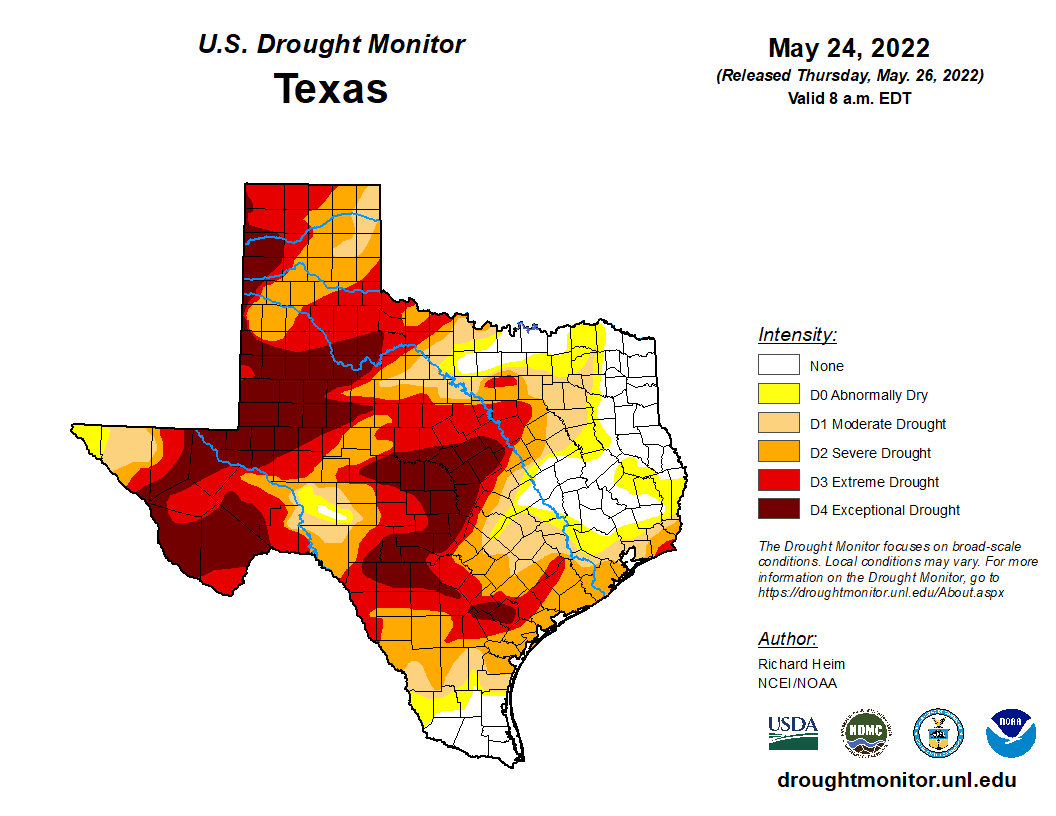
Periods of drought are common in Texas, particularly in the western and central regions. Dry conditions, combined with high temperatures and wind, significantly increase the risk of wildfires, which can affect air quality and pose a danger to communities.

Extreme Temperatures
From intense heatwaves in the summer to arctic blasts in the winter, Texas can experience significant temperature extremes. Heat advisories and winter storm warnings are issued as needed to alert the public to hazardous conditions.
In conclusion, Texas presents a dynamic and varied climate. Whether you’re planning to explore the vibrant cities, relax on the coast, or venture into the vast plains, an awareness of the state’s climatic nuances will enhance your journey and ensure you are well-prepared for whatever weather Texas may offer.
LifeOutOfTheBox is a participant in the Amazon Services LLC Associates Program, an affiliate advertising program designed to provide a means for sites to earn advertising fees by advertising and linking to Amazon.com. Amazon, the Amazon logo, AmazonSupply, and the AmazonSupply logo are trademarks of Amazon.com, Inc. or its affiliates. As an Amazon Associate we earn affiliate commissions from qualifying purchases.