
Understanding the prevailing weather conditions is a cornerstone of planning any successful travel experience, particularly when visiting a dynamic city like Austin, Texas. The current temperature in Austin, Texas is not merely a statistic; it’s a crucial piece of information that influences everything from the attire you pack to the activities you choose to pursue. Whether you’re a first-time visitor or a seasoned traveler looking to revisit the vibrant heart of Texas, grasping the immediate climate offers invaluable insight into the city’s palpable atmosphere. This guide delves into the significance of temperature in shaping your Austin, Texas journey, exploring how it impacts daily life, local attractions, and the overall vibe of this eclectic destination.
Navigating Austin’s Climate for Optimal Travel Planning
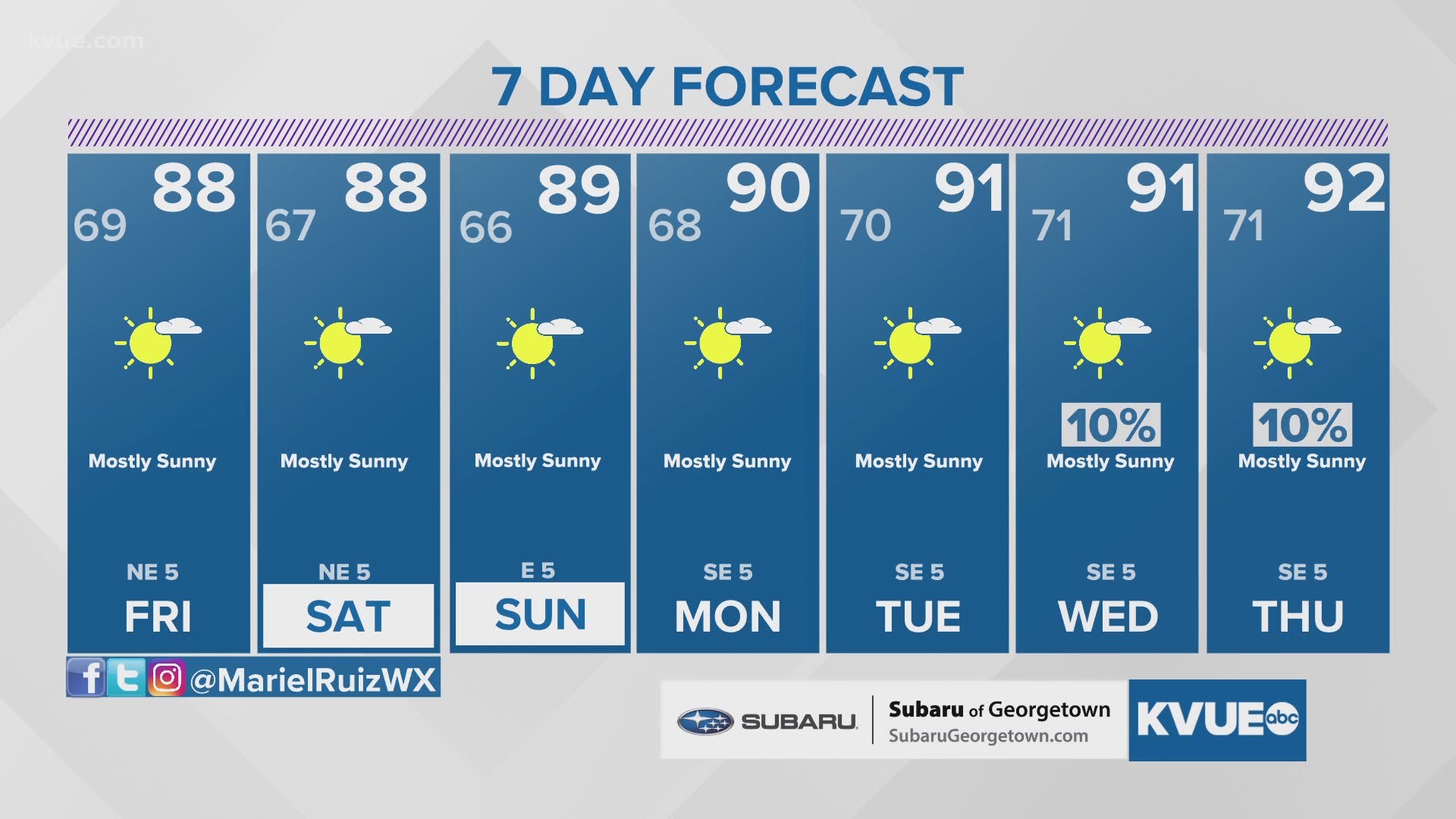
The weather in Austin, Texas is a significant factor that influences the experience of visitors. Understanding the current temperature allows for informed decisions regarding travel dates, packing essentials, and the types of activities that are most enjoyable. Austin, Texas experiences a humid subtropical climate, characterized by hot summers and mild winters. This means that the temperature can fluctuate significantly throughout the year, and even within a single day.
The Impact of Temperature on Packing and Comfort
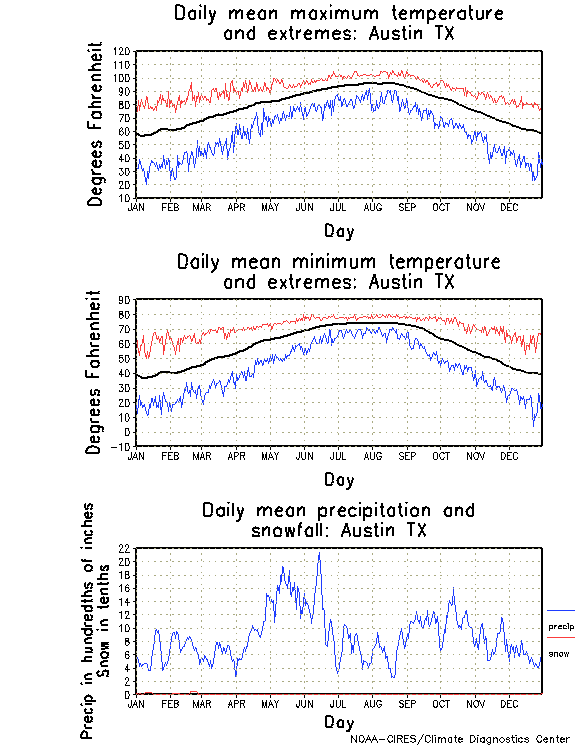
When preparing for a trip to Austin, Texas, checking the current temperature is paramount for packing appropriately. During the sweltering summer months, typically from June to August, daytime temperatures can frequently exceed 90°F (32°C), with heat indexes often soaring even higher. In these conditions, lightweight, breathable fabrics like cotton and linen are essential. Think shorts, t-shirts, sundresses, and comfortable walking shoes suitable for warm pavements. Hydration is also key, so carrying a reusable water bottle is a wise choice. Sun protection, including sunscreen, hats, and sunglasses, is non-negotiable.
Conversely, winter in Austin, Texas, from December to February, is generally mild. While freezing temperatures are rare, they can occur. Daytime temperatures often hover in the 50s and 60s (°F, or 10-15°C), but evenings can dip into the 30s and 40s (°F, or 0-10°C). Packing layers is the most effective strategy for navigating these milder temperatures. A light jacket or sweater, long-sleeved shirts, and comfortable trousers will suffice for most winter days. Even during cooler months, there can be sunny days that feel quite pleasant, so it’s always wise to be prepared for variations.
Spring and fall in Austin, Texas are often considered the most pleasant times to visit, with temperatures typically ranging from the 60s to 80s (°F, or 15-27°C). These seasons offer a perfect balance for outdoor exploration, with less intense heat and a refreshing breeze. Packing for these transitional periods involves a mix of lighter clothing and a few warmer layers, anticipating potential cool evenings or unseasonably warm afternoons.
Seasonal Temperature Trends and Travel Planning
The annual temperature cycle in Austin, Texas directly influences the types of activities that are most appealing and comfortable.
Summer’s Embrace: Heat and Outdoor Activities
Summer in Austin, Texas is synonymous with heat. While the high temperatures might deter some, they also usher in a unique set of experiences. The numerous swimming holes and springs around the city, such as Barton Creek Pool and Barton Springs Pool, become incredibly popular. These natural oases offer a welcome respite from the heat. Outdoor concerts and festivals, which are abundant in Austin, Texas, continue to thrive, often taking advantage of cooler evening hours. For those who don’t mind the warmth, exploring areas like the South Congress Avenue district in the early morning or late afternoon, when the sun is less intense, is a rewarding experience. Dining al fresco is also a common practice, with many restaurants offering patio seating.
Winter’s Gentle Touch: Mild Weather and Urban Exploration
Austin, Texas’s winters are characterized by their mildness, making it an attractive destination for those seeking to escape colder climates. The lower temperatures during winter are conducive to extensive urban exploration. Walking tours of the historic Downtown Austin area, visits to museums like the Blanton Museum of Art, or browsing the unique shops and galleries are particularly enjoyable when the air is crisp. The city’s renowned live music scene continues to flourish indoors, providing ample opportunities for entertainment. The Texas State Capitol building and its surrounding grounds are also pleasant to explore during the cooler months.
Spring and Fall: The Sweet Spot for Exploration
Spring and fall represent the peak seasons for many visitors to Austin, Texas. The pleasant temperatures are ideal for enjoying the city’s abundant outdoor attractions. Hiking and biking trails in places like the Greenbelt become popular. Exploring the Zilker Metropolitan Park, which is home to Barton Springs Pool, is a must. The numerous outdoor music venues and festivals, such as the renowned South by Southwest (SXSW) in March, often coincide with these favorable weather patterns. Foodies will also find these seasons perfect for exploring the city’s vibrant food truck scene and farmer’s markets.
Practical Considerations Based on Current Temperature
Beyond general seasonal trends, knowing the immediate temperature in Austin, Texas is crucial for real-time decision-making. This is especially true for activities that have a strong dependence on weather.
Adapting Activities to the Thermometer
If the current temperature is high, prioritizing indoor attractions or water-based activities is sensible. This might mean spending more time at the Bullock Texas State History Museum, exploring the unique boutiques of South Congress Avenue, or enjoying the live music venues that the city is famous for, such as the Continental Club. Conversely, a cooler temperature opens up opportunities for extended walks along the Lady Bird Lake hike and bike trail or exploring neighborhoods like East Austin on foot.
The Influence of Humidity and Precipitation
It’s important to remember that temperature is only one aspect of weather. Humidity levels in Austin, Texas can significantly affect how the temperature feels. High humidity can make hot days feel even more oppressive, while dry heat, though still warm, is often more bearable. Precipitation, while less common during peak summer months, can occur and should be monitored. A sudden rain shower can impact outdoor plans, making it wise to have a flexible itinerary or backup indoor options. Checking a reliable weather forecast that includes humidity and precipitation is always recommended.
Beyond the Numbers: Experiencing Austin’s Vibe
The temperature in Austin, Texas doesn’t just dictate comfort; it profoundly influences the city’s palpable energy and the way its inhabitants and visitors interact with their surroundings.
The “Keep Austin Weird” Spirit and Its Weather Connection
Austin, Texas is famously known for its eclectic motto, “Keep Austin Weird.” This spirit of individuality and creativity is often amplified by the prevailing weather. On hot summer evenings, the city’s vibrant nightlife, with its outdoor patios and lively street scenes, comes alive. The warmth encourages people to gather, to enjoy the long daylight hours, and to embrace the city’s laid-back, yet energetic, atmosphere. Conversely, during cooler, crisp evenings in the fall or winter, cozy indoor music venues and intimate dining experiences take center stage, fostering a different, yet equally engaging, aspect of the city’s character. The temperature, in essence, sets the stage for how Austin expresses its unique identity.

Seasonal Events and Temperature-Driven Tourism
Many of Austin, Texas’s most celebrated events are intrinsically linked to its climate. The massive music and film festival, South by Southwest, held in March, thrives on the pleasant spring temperatures that allow for outdoor showcases and networking. The city’s numerous outdoor art markets and festivals, which dot the calendar throughout the year, are best enjoyed when the temperature is moderate. Even the iconic Austin City Limits Music Festival, held in October, benefits from the often mild and sunny autumn weather, drawing large crowds to the Zilker Metropolitan Park. Understanding the current temperature is often a precursor to understanding what major events might be happening or what kind of atmosphere to expect.
In conclusion, while the specific current temperature in Austin, Texas is a fleeting data point, its significance for travelers is profound and far-reaching. It informs packing decisions, shapes activity choices, and subtly influences the overall experience of this dynamic city. By paying attention to the thermometer, visitors can ensure their trip to Austin, Texas is as comfortable, enjoyable, and authentic as possible, allowing them to truly immerse themselves in the unique charm and vibrant culture that define this Texan gem.
LifeOutOfTheBox is a participant in the Amazon Services LLC Associates Program, an affiliate advertising program designed to provide a means for sites to earn advertising fees by advertising and linking to Amazon.com. Amazon, the Amazon logo, AmazonSupply, and the AmazonSupply logo are trademarks of Amazon.com, Inc. or its affiliates. As an Amazon Associate we earn affiliate commissions from qualifying purchases.