
Navigating the legal landscape of alcohol consumption is a crucial aspect of responsible enjoyment, especially when traveling or engaging with local customs in new regions. For visitors and residents alike in the great state of Texas, understanding the legal drinking limit is paramount to avoiding unintended legal entanglements and ensuring a safe, enjoyable experience. This guide delves into the specific regulations governing alcohol consumption in Texas, offering clarity for those looking to partake responsibly.
Understanding Texas’s Blood Alcohol Content (BAC) Laws
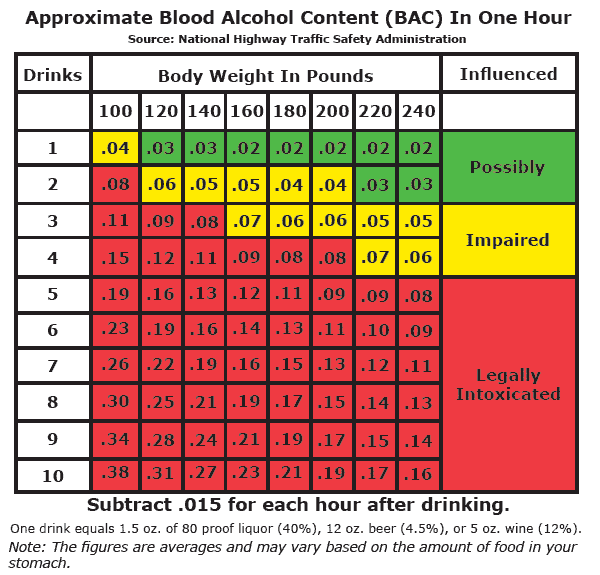
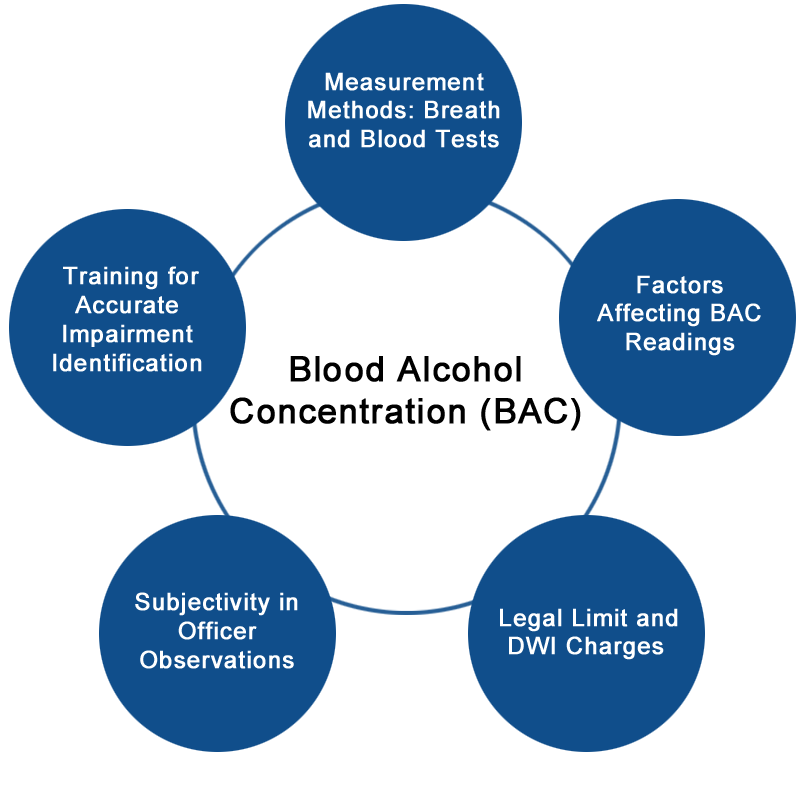
The core of understanding the legal drinking limit in Texas lies in comprehending the Blood Alcohol Content (BAC) laws. BAC refers to the percentage of alcohol in a person’s bloodstream. Texas, like all other U.S. states, has established specific BAC thresholds that define legal intoxication. These laws are designed to promote public safety, particularly on the roadways, by setting clear boundaries for impaired driving.
The Standard BAC Limit for Drivers
For most drivers operating a vehicle in Texas, the legal BAC limit is 0.08%. This means that if a driver’s BAC measures 0.08% or higher, they are considered legally intoxicated and subject to severe penalties under the law. It is important to note that this limit applies to drivers who are 21 years of age or older.
Special Considerations for Younger Drivers
The legal drinking age in the United States is 21. In Texas, this age restriction extends to driving. Individuals under the age of 21 are subject to stricter laws concerning alcohol consumption and driving. Texas operates under a “zero tolerance” policy for drivers under 21.
Zero Tolerance for Underage Drivers
For drivers under 21 years of age, the legal BAC limit is significantly lower: 0.02%. This stringent regulation means that any detectable amount of alcohol in the bloodstream of a driver under 21 can lead to legal consequences. This policy underscores the state’s commitment to preventing underage drinking and driving, which are particularly dangerous behaviors. The rationale behind this lower limit is that even a small amount of alcohol can impair the judgment and reaction times of younger, less experienced drivers.
Commercial Drivers and Their Limits
Commercial drivers, due to the nature of their profession and the larger vehicles they operate, face even more stringent BAC limits. For individuals holding a commercial driver’s license (CDL) in Texas, the legal BAC limit is 0.04%. This lower threshold is in place to ensure the highest level of safety for all road users, as the potential for harm is amplified when commercial vehicles are involved. Operating a commercial vehicle with a BAC of 0.04% or higher is a serious offense.
Factors Influencing BAC and Legal Consequences
It is crucial for individuals to understand that the BAC limit is not a magic number that suddenly appears after consuming a certain number of drinks. Various factors can influence how quickly and how high a person’s BAC rises, and the consequences for exceeding the legal limit are substantial.
Factors Affecting BAC
Several elements contribute to an individual’s BAC. These include:
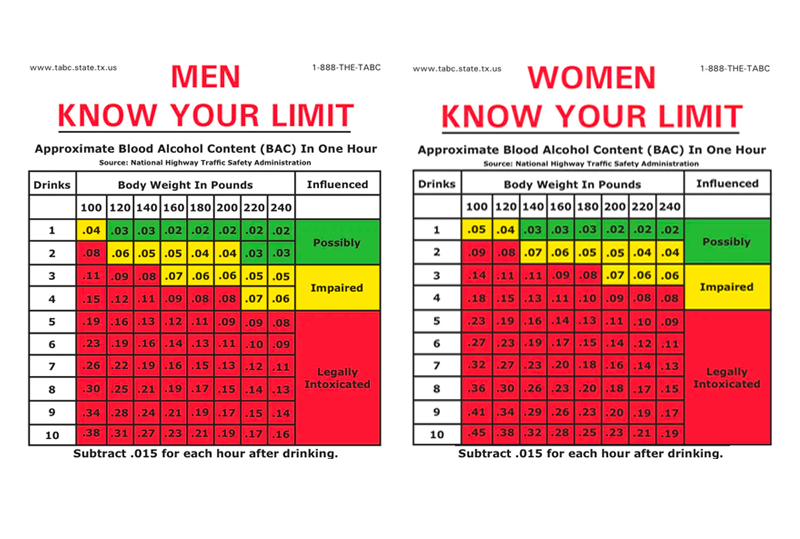
- Body Weight: Generally, individuals with higher body weight can consume more alcohol before reaching a specific BAC compared to lighter individuals.
- Gender: Due to differences in body composition and metabolism, women often reach a higher BAC than men after consuming the same amount of alcohol.
- Food Consumption: Drinking on an empty stomach leads to faster alcohol absorption into the bloodstream, resulting in a quicker rise in BAC. Eating before or while drinking can slow down this absorption process.
- Type of Alcohol: While the alcohol content varies between beverages, it is the pure alcohol consumed that matters. A standard drink containing 14 grams of pure alcohol will have a similar effect regardless of whether it’s beer, wine, or spirits.
- Speed of Consumption: Drinking rapidly increases BAC more quickly than consuming the same amount of alcohol over an extended period.
- Metabolism: Individual metabolic rates vary, affecting how quickly the body processes alcohol.
Penalties for Driving Under the Influence (DUI) in Texas
Exceeding the legal drinking limit and operating a vehicle in Texas carries significant penalties. These penalties are designed to deter drunk driving and can include:
- Fines: Fines can range from hundreds to thousands of dollars, depending on whether it is a first, second, or subsequent offense, and the circumstances of the arrest.
- Jail Time: Convictions can result in jail sentences, with the length of incarceration increasing with each subsequent offense.
- License Suspension or Revocation: The Texas Department of Public Safety (DPS) will typically suspend or revoke a driver’s license upon a DUI conviction. The duration of the suspension or revocation also escalates with repeat offenses.
- Ignition Interlock Device (IID): Many DUI offenders are required to install an IID on their vehicle. This device requires the driver to provide a breath sample free of alcohol before the vehicle will start.
- Increased Insurance Rates: A DUI conviction will almost certainly lead to a substantial increase in auto insurance premiums.
- Criminal Record: A DUI conviction results in a criminal record, which can have long-term implications for employment, professional licenses, and background checks.
It is important to note that the penalties can be more severe if the DUI involves an accident causing injury or death, or if there are minor passengers in the vehicle.
Responsible Alcohol Consumption and Alternatives
Understanding the legal limits is the first step toward responsible alcohol consumption. However, it is also essential to be aware of personal limits and to make informed choices that prioritize safety.
Knowing Your Limits
Individual tolerance to alcohol varies greatly. What might be a moderate amount for one person could be excessive for another. Paying attention to how your body reacts to alcohol is crucial. Signs of impairment can include changes in judgment, coordination, and reaction time, even before reaching the legal BAC limit.
The Dangers of “Buzz Drinking”
Some individuals attempt to skirt the legal BAC limits by strategically consuming alcohol to stay “just under” the 0.08% mark. This is a dangerous practice. It is extremely difficult to accurately gauge one’s BAC without a professional measurement, and even a BAC slightly below the legal limit can still impair driving abilities. Furthermore, the legal system does not recognize a specific BAC for “buzzed” driving; any impairment can lead to a DUI charge.
Safe Transportation Options
When planning to consume alcohol in Texas, especially in cities like Austin, Dallas, Houston, or San Antonio, it is imperative to arrange for safe transportation beforehand. Several options are readily available:
- Designated Driver: Assigning a sober driver within your group is a classic and effective strategy.
- Ride-Sharing Services: Companies like Uber and Lyft are widely available in most urban and many suburban areas of Texas, offering convenient door-to-door service.
- Taxis: Traditional taxi services remain a reliable option for getting around.
- Public Transportation: Many Texas cities offer public transportation systems that can be utilized, especially for shorter distances or within specific corridors.
- Hotel Shuttles or Services: If you are staying at a hotel, inquire about shuttle services or any transportation assistance they might offer. Many hotels, especially those near attractions or entertainment districts, provide such amenities.
Alcohol Service Laws in Texas
Beyond personal consumption and driving, it’s worth noting that Texas also has specific laws regarding the service of alcohol. For example, establishments serving alcohol are prohibited from serving individuals who are visibly intoxicated. These laws are part of the broader framework to ensure responsible alcohol service and to prevent the escalation of dangerous situations.
Enjoying Texas Responsibly: A Traveler’s Guide
For tourists visiting Texas, embracing the local culture and enjoying its vibrant nightlife or culinary scene often involves alcohol. Whether you’re sampling craft beers at a brewery in Fredericksburg, enjoying margaritas at a restaurant in El Paso, or savoring fine wines in the Texas Hill Country, always do so with an awareness of the legal drinking limits and responsible practices.
Understanding “Open Container” Laws
In addition to BAC limits, Texas has “open container” laws. Generally, it is illegal to possess an open container of an alcoholic beverage in the passenger area of a motor vehicle. This means that any open bottles, cans, or glasses containing alcohol must be stored in the trunk or a locked glove compartment.
Alcohol Service Hours
Texas has specific regulations regarding when alcohol can be sold. On Sundays, many establishments cannot sell alcohol before noon, and sales are typically prohibited after midnight. This varies slightly depending on the specific type of establishment and local ordinances, so it’s always wise to check local guidelines if you are unsure.
The Importance of Legal Age
The legal age to purchase and consume alcohol in Texas is 21. This applies to everyone, including tourists. Providing alcohol to minors is a serious offense with significant legal repercussions for both the provider and the minor. Always carry valid identification that proves your age, as establishments may request it, and law enforcement officers can also request it.
Staying Informed and Safe
By staying informed about Texas drinking laws, including the legal BAC limits, open container rules, and age restrictions, travelers can ensure a safe and enjoyable experience. Prioritizing responsible behavior, making safe transportation arrangements, and respecting local laws are key to making the most of your visit to the Lone Star State. Whether you’re exploring the historical sites in Galveston, enjoying the arts scene in Fort Worth, or venturing into the vast landscapes of West Texas, a commitment to responsible choices will allow you to fully appreciate all that Texas has to offer.
LifeOutOfTheBox is a participant in the Amazon Services LLC Associates Program, an affiliate advertising program designed to provide a means for sites to earn advertising fees by advertising and linking to Amazon.com. Amazon, the Amazon logo, AmazonSupply, and the AmazonSupply logo are trademarks of Amazon.com, Inc. or its affiliates. As an Amazon Associate we earn affiliate commissions from qualifying purchases.