
While the title of this article might seem to pertain to legal or financial matters, it can also be viewed through the lens of family travel and planning, particularly for single-parent households or families navigating co-parenting arrangements. Understanding financial obligations, such as child support, can significantly impact the feasibility and scope of family vacations, the selection of destinations, and the overall experience of travel. This exploration delves into how child support, as a financial consideration, relates to family travel experiences within the context of Texas. It aims to provide insights for families looking to plan enriching travel opportunities while managing their financial responsibilities.
Financial Planning for Family Travel
The financial implications of child support can directly influence a family’s ability to engage in travel. For parents in Texas, understanding the state’s guidelines for child support is the foundational step in financial planning that can encompass leisure activities, including travel. While the specific percentages are determined on a case-by-case basis, they are generally tied to the obligor’s net monthly income. This means that a significant portion of a parent’s income may be allocated towards supporting their child, which in turn can affect the discretionary funds available for family trips.
Understanding Texas Child Support Guidelines
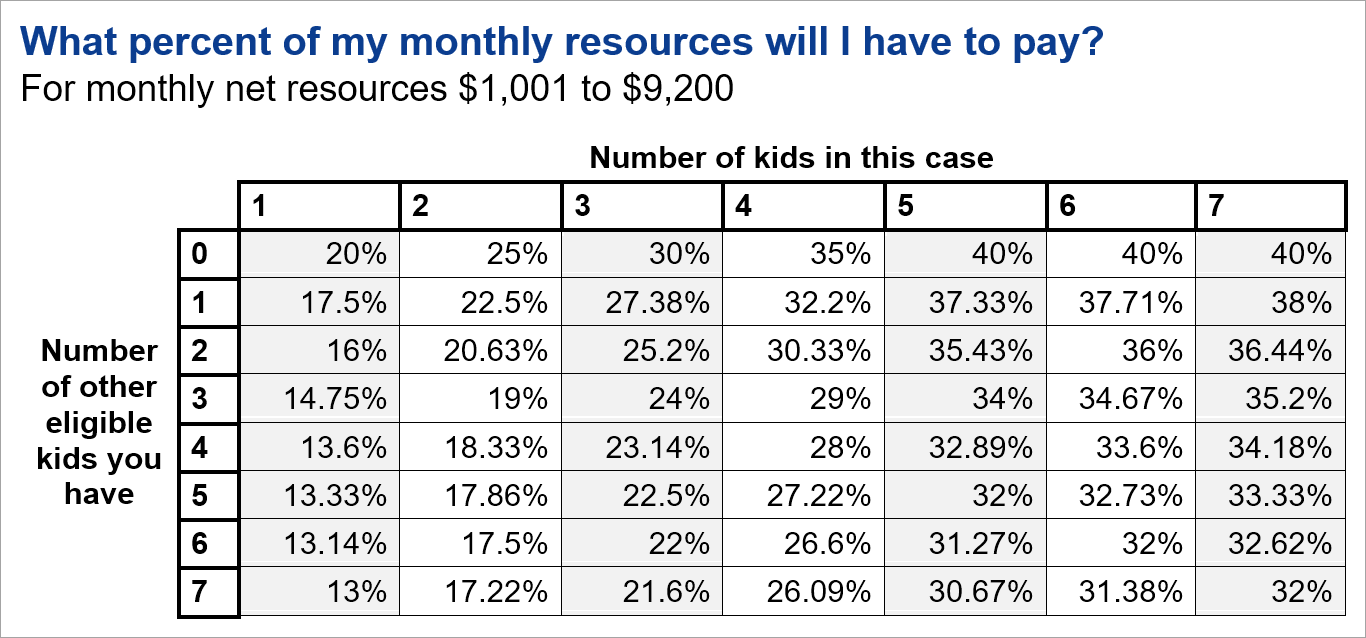
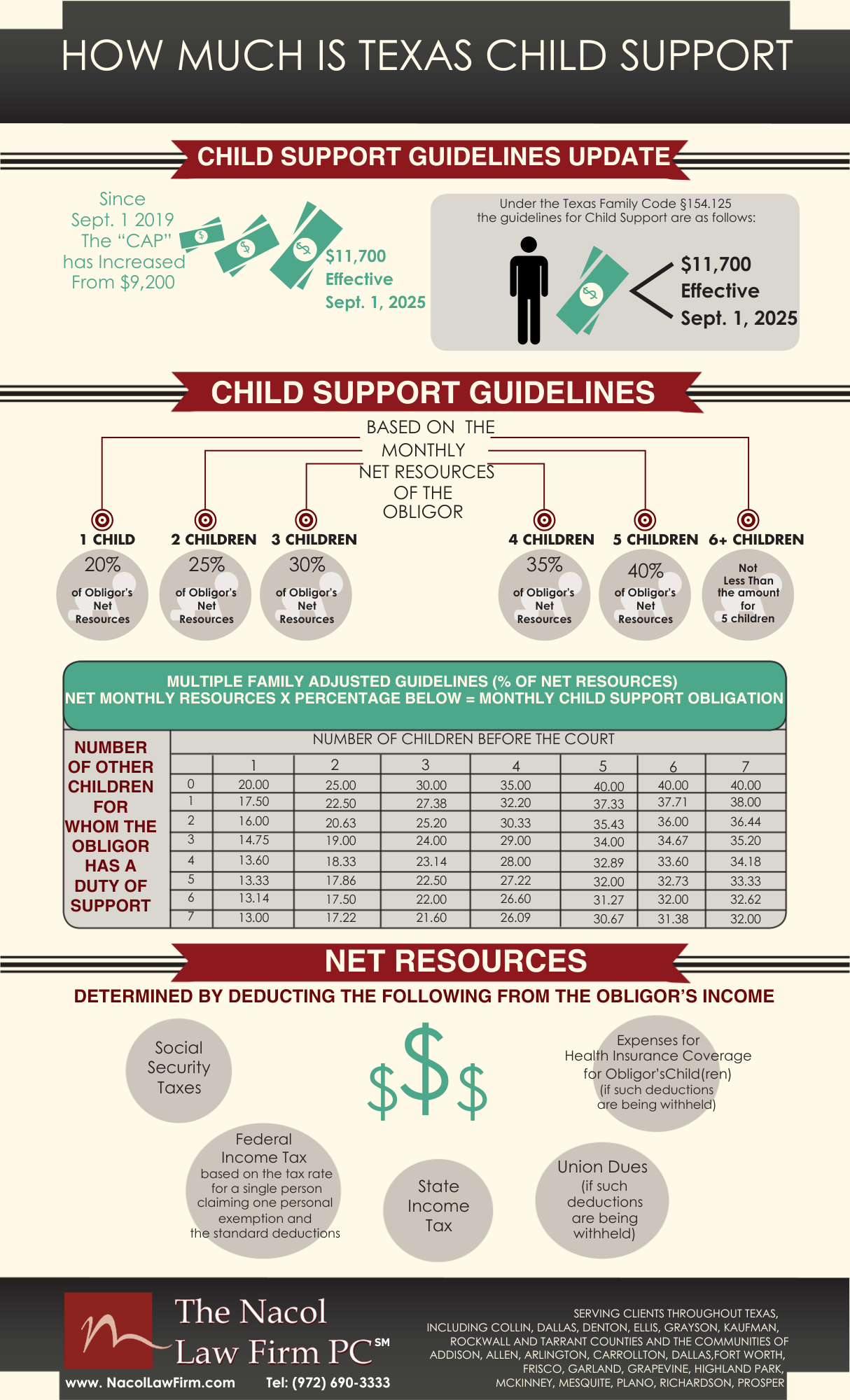
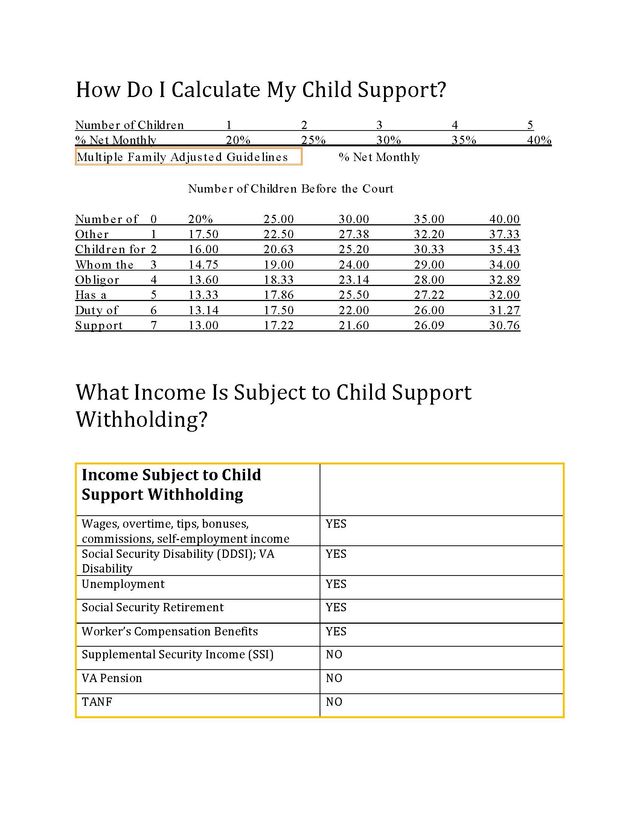
In Texas, child support is calculated based on a set of guidelines established by the state. These guidelines consider the obligor’s net monthly income (income after taxes and certain deductions) and the number of children being supported. The percentage of net monthly income allocated for child support varies:
- One child: 20%
- Two children: 25%
- Three children: 30%
- Four children: 35%
- Five children: 40%
- Six or more children: Not less than 40%
These percentages are applied to the obligor’s net monthly income, up to a statutory cap. For incomes exceeding this cap, the court may consider additional factors to determine a fair amount. It’s crucial for parents to consult with legal professionals or utilize official Texas resources to understand their specific obligations and rights.
Budgeting for Travel with Child Support Considerations
For families where child support is a significant financial component, budgeting for travel requires careful consideration. The allocated child support payments are intended for the child’s well-being, which can include enrichment activities like travel. However, it’s essential to distinguish between the child support payment itself and the parent’s personal income available for discretionary spending.
- Obligor’s Perspective: A parent paying child support needs to factor this obligation into their overall budget. When planning a trip, they must assess their remaining disposable income after all essential expenses, including child support, are met. This might mean opting for more budget-friendly destinations, shorter trips, or travel during off-peak seasons. For example, a family might consider a road trip to a nearby state park in Oklahoma or a camping trip in the Big Bend National Park rather than an international cruise.
- Obligee’s Perspective: The parent receiving child support payments can utilize these funds, in part, for the child’s benefit, which can include contributing to travel expenses. When planning family vacations, the obligee can factor in the anticipated child support received as a source of funding. This could allow for more comfortable accommodations, engaging activities, or extended stays in destinations like Galveston Island.
Impact on Destination and Accommodation Choices
The financial framework influenced by child support can shape the types of travel experiences families pursue.
- Destination Selection: Families with tighter budgets might gravitate towards domestic travel within Texas or neighboring states like Louisiana. Popular options could include exploring the Alamo in San Antonio, visiting the Space Center Houston, or enjoying the beaches along the Gulf Coast. For those with more financial flexibility, international destinations might be within reach, such as theme parks in Orlando, Florida or cultural experiences in New York City.
- Accommodation Options: The choice of lodging is also closely tied to financial planning. Families might opt for:
- Budget-Friendly Stays: This could include well-rated motels or inns in smaller towns, or vacation rentals booked through platforms like Airbnb or VRBO offering kitchens to save on dining costs.
- Mid-Range Hotels: Standard hotel chains offering amenities like pools and complimentary breakfast can provide a comfortable balance for family stays. Look for deals at places like the Hyatt Place or Holiday Inn Express.
- Resorts and Villas: For families with a more substantial travel budget, resorts offering all-inclusive packages or private villas can provide a luxurious and convenient experience, allowing for a more immersive vacation without constant financial calculations. Think of places like The Woodlands Resort or a beach house rental in Corpus Christi.
Maximizing Travel Experiences within Financial Constraints
Regardless of the specific child support percentage, effective financial management is key to unlocking enjoyable and memorable family travel. For parents in Texas, this involves a proactive approach to budgeting, seeking out value, and prioritizing experiences that offer the most significant impact for the family.
Creative Budgeting Strategies for Travel
Beyond simply allocating funds, creative budgeting can stretch a travel dollar further.
- Embrace Local and Free Activities: Many destinations, including those within Texas, offer a wealth of free or low-cost attractions. Parks, public beaches, historical markers, and local festivals can provide hours of entertainment without significant expense. For instance, exploring the vibrant streets of Austin or enjoying a picnic in Discovery Green Park in Houston can be highly rewarding.
- Travel During Shoulder Seasons: Visiting popular destinations outside of peak tourist times can lead to substantial savings on flights and accommodations. For example, a summer trip to the Texas Hill Country might be more expensive than a spring or fall visit.
- Utilize Loyalty Programs and Discounts: Many airlines, hotel chains, and car rental companies offer loyalty programs that can earn points or provide discounts on future bookings. Searching for family passes or city tourism cards can also offer bundled access to attractions at a reduced cost.
Prioritizing Family Time and Experiences
Ultimately, travel is about creating lasting memories. While financial constraints are real, they don’t have to diminish the quality of family time.
- Focus on Shared Activities: Whether it’s building sandcastles on the beach, hiking a scenic trail, or exploring a new city together, the focus should be on the shared experience rather than the monetary value of the activity.
- Involve Children in Planning: Allowing children to participate in the planning process can build excitement and help them understand the financial realities of travel. They might suggest activities that are less expensive but equally engaging, fostering a sense of ownership and appreciation for the trip.
- Create a Travel Fund: Encouraging saving specifically for travel can be a beneficial practice. This fund can be supplemented by various sources, including portions of child support payments, discretionary income, or even small contributions from family members.
The Role of Child Support in Facilitating Enriching Travel
The percentage of child support in Texas is a legal framework designed to ensure a child’s financial well-being. When viewed through the lens of family travel, this framework indirectly contributes to a child’s overall development and happiness by enabling enriching experiences.
Travel as an Educational and Developmental Tool
Travel offers invaluable opportunities for learning and personal growth that extend far beyond the classroom.
- Exposure to New Cultures and Environments: Visiting different cities, states, or even countries exposes children to diverse ways of life, new foods, and different perspectives. This broadens their understanding of the world and fosters empathy and open-mindedness.
- Developing Life Skills: Navigating unfamiliar places, managing money (even on a small scale during a trip), and problem-solving in new situations all contribute to a child’s development of practical life skills.
- Strengthening Family Bonds: Dedicated family travel time, free from the usual daily routines, provides a unique opportunity for parents and children to connect, communicate, and build stronger relationships.
Child Support as an Investment in a Child’s Experiences
While child support payments are legally mandated, they can be viewed as an investment in a child’s future and their overall quality of life. This includes the ability to participate in enriching activities such as travel. For parents in Texas, understanding how child support is calculated and how it fits into the family budget empowers them to make informed decisions that can lead to memorable and beneficial travel experiences for their children. The goal is not solely about covering basic needs, but about providing opportunities for growth, learning, and joy. By thoughtfully integrating child support considerations into travel planning, families can create vacations that are both financially responsible and deeply enriching.
LifeOutOfTheBox is a participant in the Amazon Services LLC Associates Program, an affiliate advertising program designed to provide a means for sites to earn advertising fees by advertising and linking to Amazon.com. Amazon, the Amazon logo, AmazonSupply, and the AmazonSupply logo are trademarks of Amazon.com, Inc. or its affiliates. As an Amazon Associate we earn affiliate commissions from qualifying purchases.