
For many travelers and prospective residents, understanding the financial landscape of a destination is paramount. When considering a move or an extended stay in the Lone Star State, one of the most significant financial considerations is the absence of a state income tax. This unique characteristic sets Texas apart from many other states in the United States, offering a distinct advantage for individuals and businesses alike. This article delves into the implications of this tax structure, exploring what it means for personal finances, business operations, and the overall economic vibrancy of Texas, particularly as it relates to individuals and entities that might be considering Texas as a travel destination or a place for extended stays, such as in a vacation home or a long-term rental.
The Absence of State Income Tax in Texas
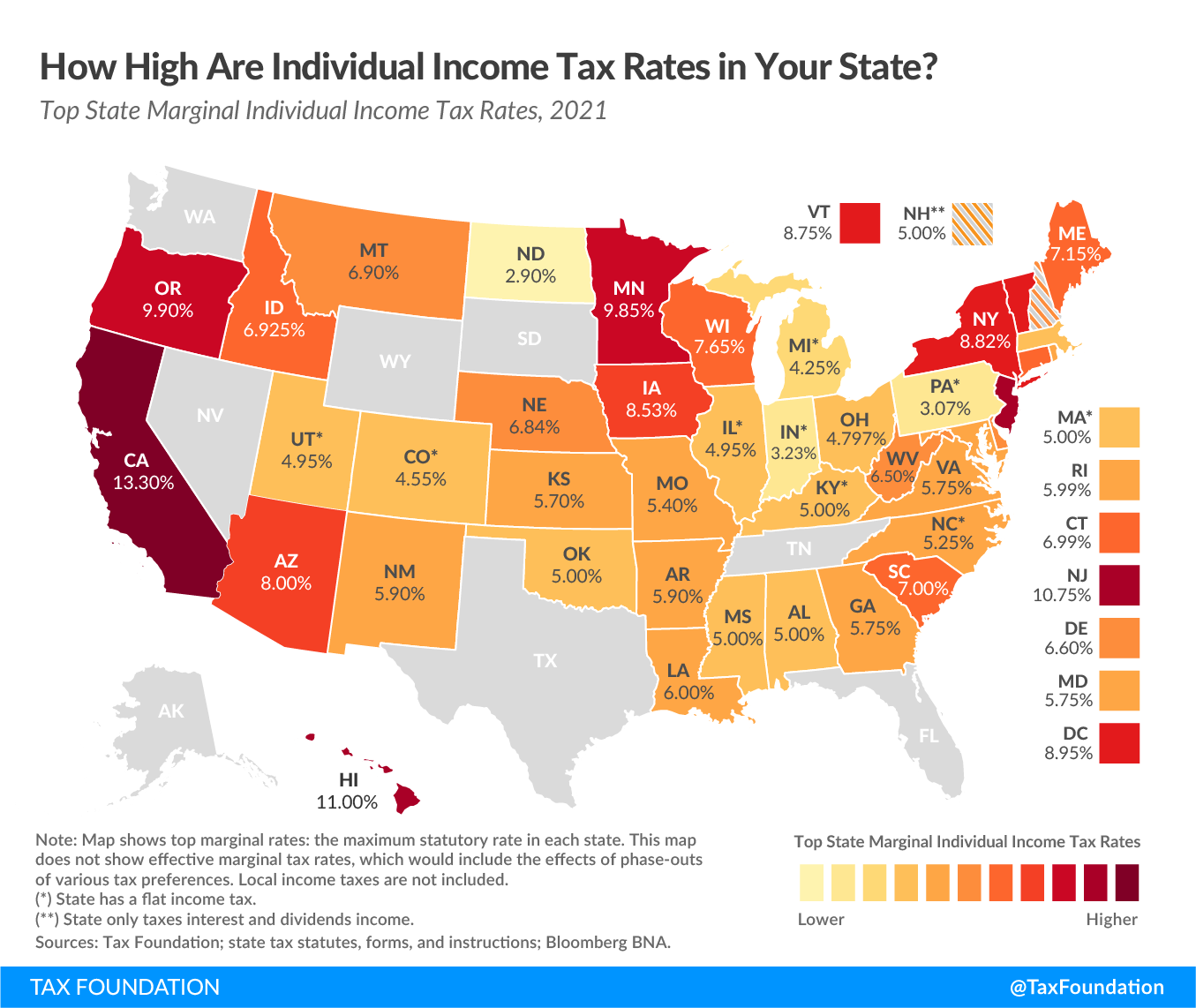
Texas stands as one of a minority of states in the U.S. that does not levy a tax on individual income. This means that residents and those earning income within the state do not have to set aside a portion of their earnings for state income tax. This is a significant draw for many, especially those relocating from states with high income tax burdens. The economic policy of Texas has historically favored a business-friendly environment, and the lack of an individual income tax is a cornerstone of this approach.
Historical Context and Policy Rationale
The decision to forgo an individual income tax in Texas is rooted in a long-standing political and economic philosophy. Proponents argue that it stimulates economic growth by leaving more disposable income in the hands of consumers and more capital for businesses to invest. This has been a key factor in attracting new residents and corporations to the state. The state’s revenue is primarily generated through other sources, such as sales taxes, property taxes, and taxes on oil and gas production. This diversified revenue stream allows Texas to fund public services without imposing a direct tax on income.
Impact on Individuals and Families
For individuals and families planning a move to Texas, the absence of state income tax can translate into substantial savings. This extra income can be allocated towards various aspects of life, from discretionary spending on travel and leisure to investments in property or savings for retirement. For those considering a longer-term stay, perhaps in a vacation rental in cities like Austin or Dallas, or even purchasing a property, the financial benefits are immediate and ongoing. This allows for a potentially higher quality of life or greater financial flexibility.
Attracting Businesses and Investment
The tax-friendly environment of Texas is not only appealing to individuals but also to businesses. The lack of corporate income tax, coupled with other business incentives, has made Texas a prime destination for corporate relocations and expansions. Major companies, from tech giants to manufacturing firms, have established significant operations in the state, drawn by the favorable economic climate. This, in turn, creates job opportunities and further stimulates the state’s economy, indirectly benefiting residents and visitors through increased economic activity and diverse tourism offerings.
Alternative Revenue Streams in Texas
While Texas does not collect income tax, it relies on other significant revenue sources to fund its state government and public services. Understanding these alternative streams provides a complete picture of the state’s fiscal structure.
Sales Tax
The primary source of revenue for Texas is its sales and use tax. This tax is levied on the sale of tangible goods and certain services. The state sales tax rate is 6.25%, with local governments authorized to add up to 2% for a combined maximum rate of 8.25%. This tax is a significant contributor to the state’s budget, funding education, infrastructure, and other essential services. For visitors, this means that purchases made in Texas will include a sales tax component, impacting the overall cost of goods and services.
Property Tax
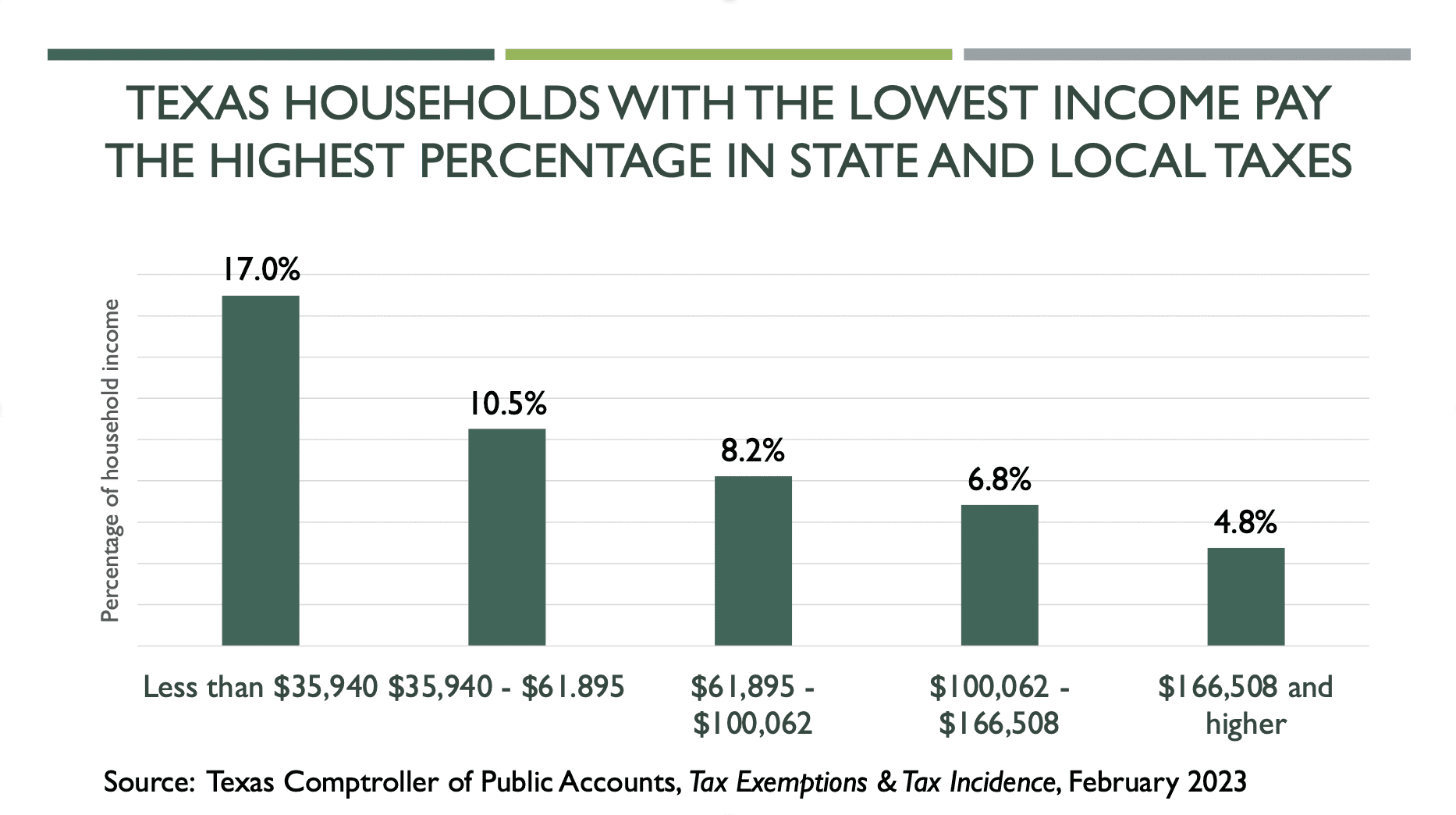
Property taxes are a crucial revenue source for local governments in Texas, including cities, counties, school districts, and special districts. While the state itself does not directly levy property taxes for its general fund, these local taxes are vital for funding public schools, local law enforcement, and other community services. Property tax rates vary significantly by location, depending on the value of the property and the taxing entities in the area. For homeowners and businesses, property taxes represent a substantial ongoing expense. For those considering purchasing vacation homes or long-term accommodations, understanding local property tax rates is essential for budgeting.
Other Revenue Sources
Beyond sales and property taxes, Texas generates revenue from a variety of other sources. These include:
- Franchise Tax: A tax on certain business entities operating in Texas, based on their taxable margin.
- Motor Fuels Tax: Taxes on gasoline and other motor fuels, contributing to road and transportation infrastructure funding.
- Oil and Gas Taxes: Severance taxes on the extraction of oil and natural gas, which can fluctuate with market prices.
- Mixed Beverage Tax: A tax on alcoholic beverages sold in establishments.
- Fees and Licenses: Revenue from various state-issued licenses, permits, and fees for services.
These diverse revenue streams allow Texas to maintain its no-income-tax policy while still adequately funding state operations and services.
Implications for Travelers and Long-Term Visitors
The absence of state income tax in Texas has several direct and indirect implications for individuals who are traveling to or considering extended stays in the state, whether for leisure or business.
Increased Disposable Income
For individuals visiting Texas for vacation or business, the lack of state income tax on their primary earnings means they retain more of their income. This can translate into more spending power for activities, dining, shopping, and accommodations. For instance, a traveler might find they can afford a nicer hotel in Houston, enjoy more fine dining experiences, or extend their trip by a few days. This financial flexibility can enhance the overall travel experience.
Considerations for Remote Workers and Digital Nomads
The appeal of Texas is particularly strong for remote workers and digital nomads who can choose where to live and work. The absence of state income tax, combined with a generally lower cost of living in many parts of the state compared to coastal metropolises, makes it an attractive option. This can lead to an influx of professionals who contribute to the local economies of cities like San Antonio and Fort Worth, supporting local businesses and the hospitality sector.
Business Travel and Corporate Stays
For businesses, Texas offers a compelling environment for corporate travel and extended business stays. Companies can reduce their overall tax burden, which can translate into savings that are reinvested into employee benefits, travel budgets, or other operational aspects. This can make Texas cities hubs for conventions, conferences, and corporate retreats, attracting a steady stream of business travelers who contribute significantly to the state’s tourism and hospitality industries.
Understanding Local Taxes and Fees
While state income tax is absent, visitors and those considering longer stays must be mindful of other taxes and fees. As mentioned, sales tax will be applied to most purchases. Additionally, local jurisdictions may impose specific fees or taxes related to lodging or tourism. For those looking to rent an apartment for a few months or purchase a vacation home, understanding local property taxes, as well as any city or county specific fees, is crucial for accurate financial planning. Researching the specific tax structures of cities like El Paso or the more rural areas of Texas will provide a clearer picture of the financial commitments involved.
Conclusion: A Financially Attractive Proposition
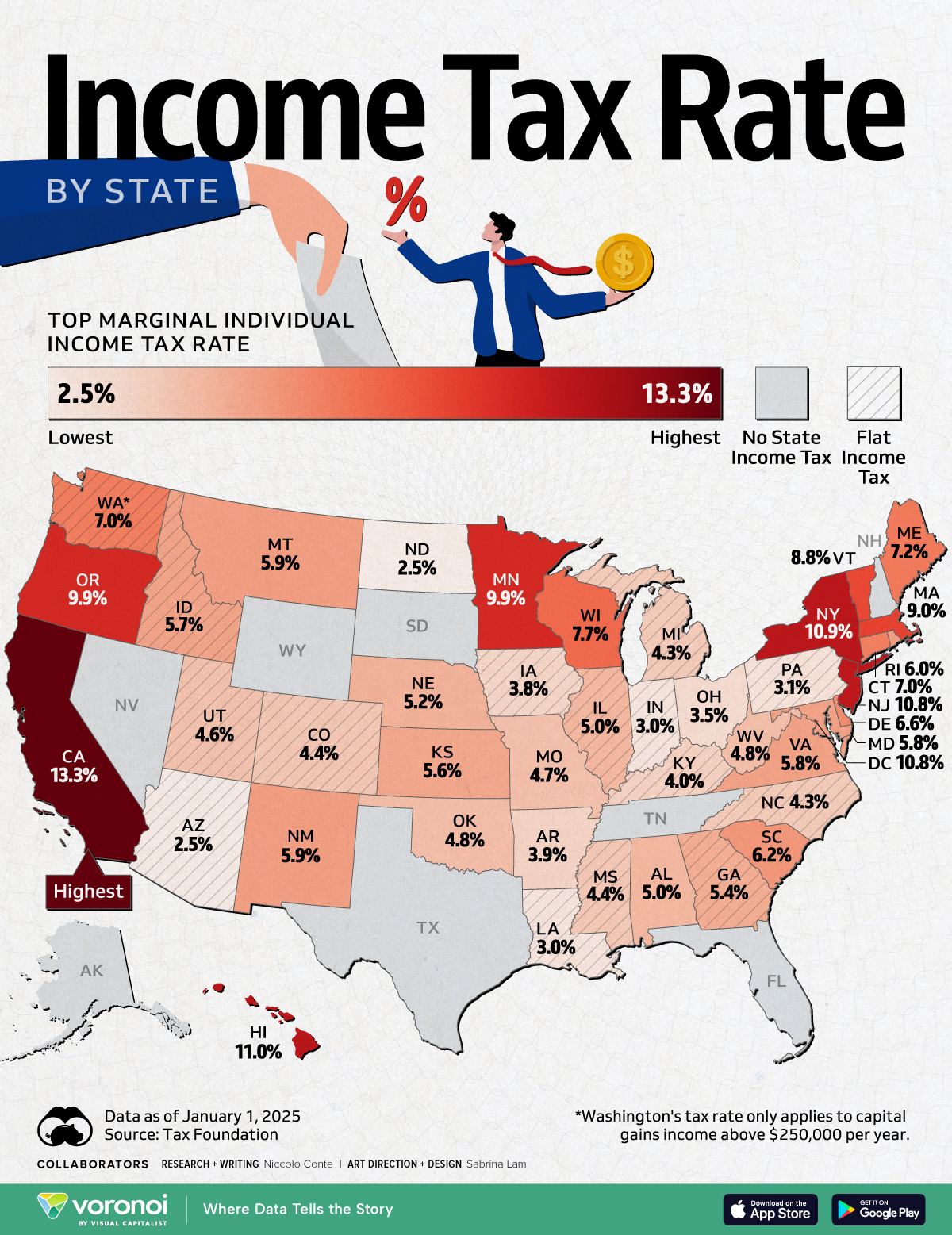
The absence of a state income tax in Texas is a defining characteristic of its economic and fiscal policy. This policy has been instrumental in attracting individuals, families, and businesses to the state, fostering economic growth and creating a dynamic business environment. For travelers, the financial advantage of not having to account for state income tax on their earnings can lead to greater spending power and a more enjoyable experience. For those considering longer-term stays, whether in a vacation rental or a more permanent residence, the savings are substantial. While sales and property taxes remain significant considerations, the overall financial proposition of Texas remains highly attractive. Understanding this core aspect of its financial structure is essential for anyone planning a visit, a relocation, or an investment in this vast and diverse state. The economic landscape, bolstered by this unique tax advantage, continues to draw new opportunities and visitors to the heart of the Lone Star State.
LifeOutOfTheBox is a participant in the Amazon Services LLC Associates Program, an affiliate advertising program designed to provide a means for sites to earn advertising fees by advertising and linking to Amazon.com. Amazon, the Amazon logo, AmazonSupply, and the AmazonSupply logo are trademarks of Amazon.com, Inc. or its affiliates. As an Amazon Associate we earn affiliate commissions from qualifying purchases.