
The majestic bald eagle, a symbol of freedom and a powerful presence in the skies, often evokes images of vast wilderness and iconic American landscapes. For many, the idea of these magnificent raptors conjures visions of expansive forests, pristine lakes, and rugged coastlines. Within the diverse ecosystems of the United States, the question of a species’ native range is crucial for understanding its ecological role, conservation needs, and the historical tapestry of a region. This inquiry into Alabama’s connection with the bald eagle delves into the natural history, conservation triumphs, and ongoing presence of this iconic bird within the state’s borders. The answer is not a simple yes or no, but rather a narrative of resilience, recovery, and continued coexistence.

A Historical Perspective: Eagles in the Cotton State
The bald eagle’s historical presence in Alabama is well-documented, though their numbers have fluctuated dramatically over time. Historically, bald eagles were a common sight across North America, including the southeastern United States. Their preferred habitat includes areas with abundant food sources, primarily fish, and suitable nesting sites, typically large trees near open water. Alabama, with its extensive network of rivers, lakes, and coastal marshes, provided precisely these conditions.
Early Encounters and Indigenous Knowledge
Indigenous tribes residing in the region, such as the Cherokee and Creek nations, undoubtedly observed and interacted with bald eagles for centuries. These birds held significant cultural and spiritual importance for many Native American cultures, often symbolizing strength, wisdom, and a connection to the divine. Their imagery frequently appeared in art, ceremonies, and oral traditions, reflecting their deep integration into the natural and spiritual life of the land. While specific documentation of their abundance in pre-colonial Alabama is scarce, it is reasonable to assume their presence was consistent with that of other southeastern states.
The Impact of Human Development and Pesticides
The 20th century brought significant challenges for bald eagle populations nationwide, and Alabama was no exception. Habitat loss due to agricultural expansion, urbanization, and industrial development encroached upon vital nesting and foraging grounds. However, the most devastating blow came with the widespread use of pesticides, particularly DDT. This persistent organic pollutant accumulated in the food chain, leading to eggshell thinning in birds of prey. Eagles, feeding on contaminated fish, laid eggs that were too fragile to survive incubation, causing a catastrophic decline in reproductive success. By the mid-20th century, bald eagle populations in many parts of the country, including Alabama, had plummeted to critical levels, with some areas losing their resident populations entirely.
The Resurgence: Conservation Efforts and the Road to Recovery
The near extinction of the bald eagle in the mid-20th century spurred a monumental conservation effort, driven by scientific research, public outcry, and legislative action. The story of the bald eagle’s recovery in Alabama is a testament to the effectiveness of dedicated conservation strategies.
The DDT Ban and its Ripple Effect
A pivotal moment in the recovery of bald eagles, and many other bird species, was the U.S. Environmental Protection Agency ban on DDT in 1972. This action, driven by the groundbreaking work of scientists like Rachel Carson, allowed ecosystems to begin healing. As DDT levels decreased in the environment, the reproductive capabilities of bald eagles started to rebound. It took time for the pollutant to clear from the environment and for breeding pairs to re-establish themselves, but the ban provided the crucial foundation for recovery.
Reintroduction Programs and Habitat Protection
In addition to the DDT ban, targeted conservation initiatives played a significant role in re-establishing bald eagle populations in Alabama. States and wildlife organizations implemented hacking programs, where young eagles raised in captivity were released into suitable wild habitats. These programs involved carefully selecting release sites, providing food and shelter for the young birds as they adapted to their new environment, and monitoring their progress. Furthermore, efforts focused on protecting and restoring critical bald eagle habitats, ensuring the availability of safe nesting sites and abundant food sources. The designation of protected areas, the management of water quality in lakes and rivers, and the preservation of mature trees suitable for nesting all contributed to the birds’ successful return.
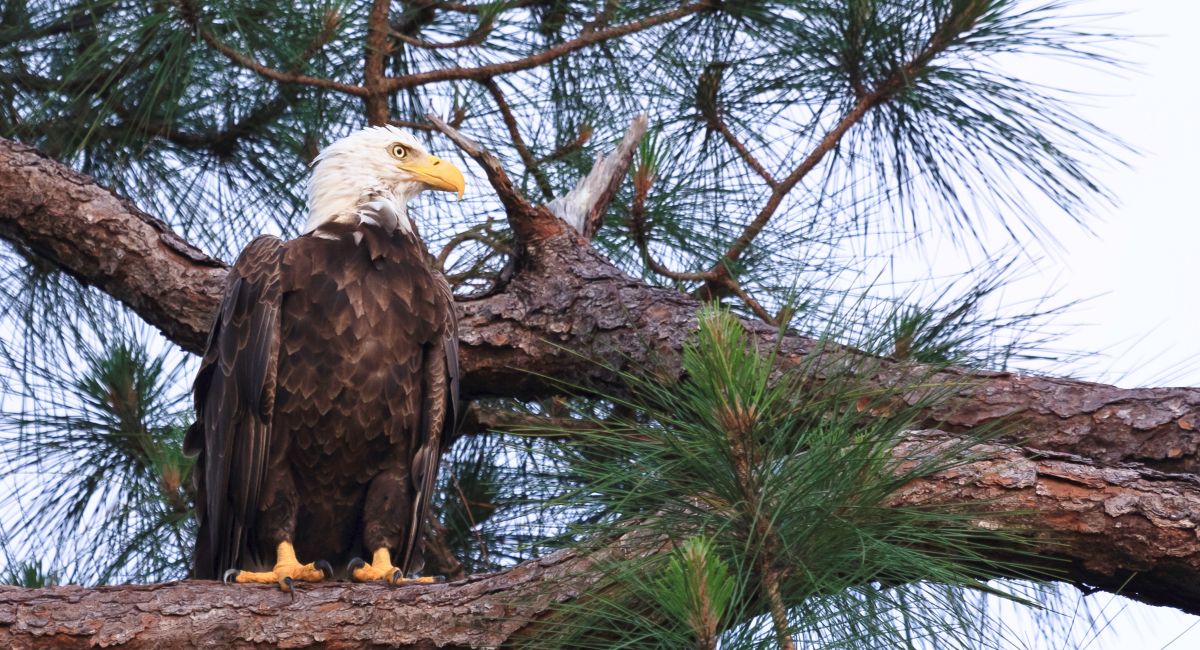
Bald Eagles in Alabama Today: A Symbol of Success
The tireless efforts of conservationists have yielded remarkable results. Today, bald eagles are no longer a rarity in Alabama. They have become a visible and inspiring presence across the state, a living symbol of successful conservation and ecological restoration.
Current Distribution and Population Status
Bald eagles are now found throughout Alabama, with a notable concentration around major bodies of water. Areas like Guntersville Lake, Wheeler Lake, the Tennessee River system, and the coastal regions of Mobile Bay and the Gulf of Mexico are prime habitats. While precise population counts can be challenging due to their wide range and nomadic tendencies, surveys indicate a healthy and growing population. The species was officially delisted from the Endangered Species Act in 2007, a monumental achievement signifying their recovery from the brink of extinction.
Observing Bald Eagles in Alabama
For nature enthusiasts and tourists, the return of the bald eagle presents a fantastic opportunity for wildlife viewing. Several locations across Alabama offer excellent chances to spot these magnificent birds. Birdwatching tours and eco-tourism initiatives often focus on bald eagle viewing during specific seasons, particularly in winter when they may congregate in larger numbers around open water. Parks and wildlife refuges, such as the Bon Secour National Wildlife Refuge and areas surrounding the William B. Bankhead National Forest, are prime locations for observing bald eagles in their natural habitat. Remember to maintain a respectful distance, use binoculars or spotting scopes, and avoid disturbing nesting sites.
Threats and Future Outlook
Despite their remarkable comeback, bald eagles still face challenges that require ongoing vigilance and conservation efforts. Understanding these threats is crucial for ensuring their continued presence in Alabama for generations to come.
Persistent Environmental Concerns
While DDT has been banned, other environmental contaminants can still pose risks to bald eagle populations. Mercury, PCBs, and other pollutants can accumulate in their diet and affect their health and reproductive success. Lead poisoning, often from ingesting lead fragments in scavenging carcasses (e.g., from gut piles left by hunters), remains a significant concern. Continued efforts to reduce pollution in waterways and promote the use of non-lead alternatives in hunting are vital.
Habitat Fragmentation and Human Disturbance
As human populations grow, so does the pressure on natural habitats. Habitat fragmentation, where large, continuous areas of wilderness are broken up by development, can isolate populations and reduce foraging and nesting opportunities. Human disturbance around nesting sites, especially during the breeding season, can cause eagles to abandon their nests. Maintaining large tracts of undeveloped land, particularly around critical water bodies, and educating the public about responsible wildlife viewing practices are essential for long-term conservation.

The Role of Citizens in Conservation
The success of bald eagle recovery in Alabama is a shared achievement, and citizens play a crucial role in its continuation. Reporting sightings of injured or distressed eagles to local wildlife rehabilitation centers is vital. Supporting organizations dedicated to wildlife conservation and participating in citizen science initiatives, such as bird counts, can provide valuable data for monitoring populations. Educating oneself and others about the importance of bald eagles and their ecological role fosters a greater appreciation and commitment to their protection. The bald eagle’s journey from the brink of extinction back into the skies of Alabama is a powerful narrative of hope, resilience, and the profound impact of dedicated conservation efforts. Their presence serves as a constant reminder of the delicate balance of nature and our shared responsibility to protect it.
LifeOutOfTheBox is a participant in the Amazon Services LLC Associates Program, an affiliate advertising program designed to provide a means for sites to earn advertising fees by advertising and linking to Amazon.com. Amazon, the Amazon logo, AmazonSupply, and the AmazonSupply logo are trademarks of Amazon.com, Inc. or its affiliates. As an Amazon Associate we earn affiliate commissions from qualifying purchases.