
Navigating the regulatory landscape of starting a new venture in the Heart of Dixie can seem daunting, but understanding the process for obtaining a business license in Alabama is a crucial first step toward entrepreneurial success. This guide aims to demystify the requirements, outlining the various licenses and permits you might need, and where to secure them. Whether you’re opening a charming bed and breakfast in Mobile, launching a boutique tour operation in Birmingham, or offering unique culinary experiences in Huntsville, a proper business license is fundamental for legal operation and building trust with your clientele.
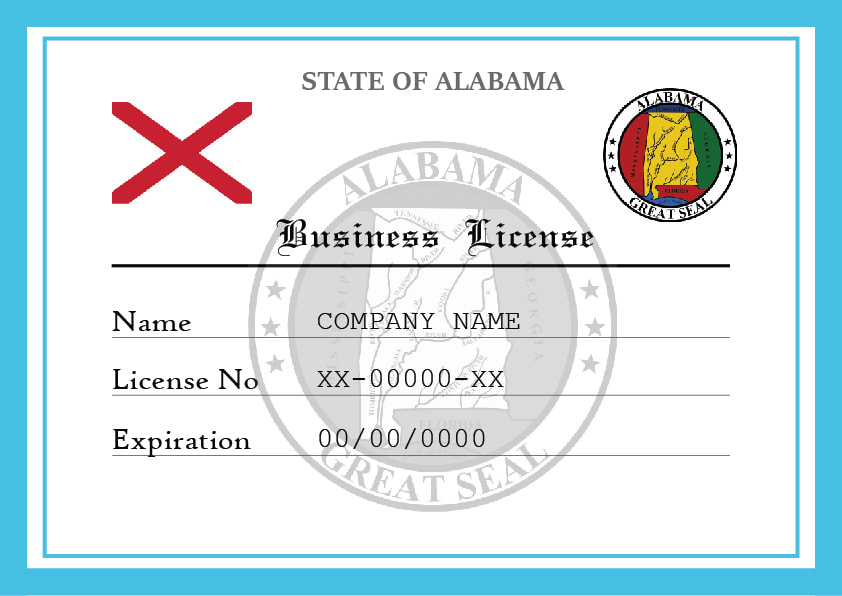
Understanding Business Licenses in Alabama
A business license is essentially permission from a government entity – be it state, county, or city – to conduct business within its jurisdiction. In Alabama, this framework involves multiple layers, ensuring that businesses adhere to specific standards related to public safety, economic integrity, and consumer protection. It’s not a one-size-fits-all process; the specific licenses and permits you’ll need are highly dependent on your business type, location, and the activities you’ll be undertaking.
State-Level Licenses and Permits
Many businesses operating in Alabama will require at least one form of state-level licensing. These are typically overseen by specific state agencies that regulate particular industries.
General Business Registration
For most businesses, the initial point of contact for state registration is the Alabama Secretary of State. Here, you’ll register your business name (if operating under a name different from your own, known as a “Doing Business As” or DBA) and establish your legal business structure (e.g., sole proprietorship, partnership, LLC, corporation). While this isn’t a license in the traditional sense, it’s a prerequisite for obtaining other licenses and operating legally.
Industry-Specific Licenses
Alabama has a robust system of professional and occupational licensing boards. These licenses ensure that individuals and businesses meet established standards of competence and safety within their respective fields. For those in the tourism and hospitality sectors, this can be particularly relevant.
- Food Service Establishments: If your business involves preparing and serving food, whether it’s a restaurant in Tuscaloosa, a catering service for events, or even a small café attached to a tourist attraction, you will likely need permits from the Alabama Department of Public Health or the Alabama Department of Agriculture and Industries, depending on the specific nature of your operation. This often involves inspections to ensure food safety standards are met.
- Alcoholic Beverage Sales: Businesses planning to sell or serve alcoholic beverages, such as a bar or a restaurant with a liquor license, must obtain a license from the Alabama Alcoholic Beverage Control Board. This process is rigorous and involves background checks and adherence to strict regulations regarding sales and service.
- Lodging and Accommodations: While the term “business license” might not directly apply to hotels or resorts in the same way as a retail store, businesses offering lodging often fall under specific regulations. For example, bed and breakfasts or short-term rental operators might need to comply with local zoning ordinances and potentially register with the Alabama Department of Revenue for occupancy taxes. Furthermore, larger establishments like hotels and resorts may have specific permits related to health, fire safety, and building codes that are enforced by state and local authorities.
- Tour Operators and Guides: While Alabama doesn’t have a universal state-level license for all tour operators, specific types of tours or services might require specialized permits. For instance, tour operators offering fishing excursions might need licenses from the Alabama Department of Conservation and Natural Resources. Companies providing transportation services as part of their tours will also need appropriate permits for commercial vehicles.
- Contractors and Trades: If your business involves construction or significant renovations to properties, such as improving a historic landmark for tourism or building new facilities for accommodation, you will likely need contractor licenses from the Alabama State Licensing Board for General Contractors.
Local-Level Licenses: City and County Requirements
Beyond state mandates, virtually every business in Alabama will need to comply with local licensing ordinances. These are typically managed at the city and county levels.
City Business Licenses
Most incorporated cities in Alabama require businesses operating within their limits to obtain a municipal business license. This is often referred to as an “occupational license” or “privilege license.” The purpose of this license is generally to generate revenue for the local government to fund public services.
- Application Process: To obtain a city business license, you will generally need to:
- Determine the correct city. If your business has a physical location, it’s the city where that location resides. If you operate a mobile business or primarily serve clients from home, it’s usually the city where your primary residence or office is located.
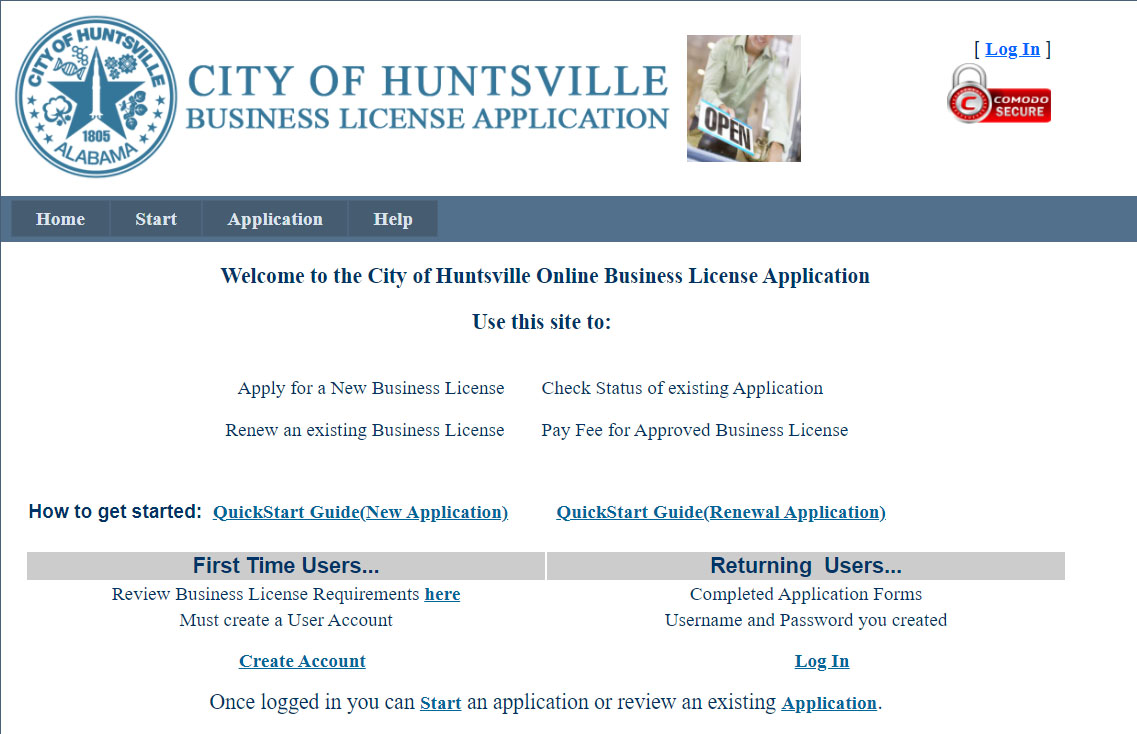
- Visit the city’s official website or contact the city hall or its designated licensing department. Many cities now offer online application portals.
- Complete an application form, which will typically ask for details such as your business name, address, business structure, Federal Employer Identification Number (EIN) if applicable, a description of your business activities, and projected gross receipts.
- Pay the required license fee. These fees can vary significantly from city to city and are often based on your projected annual gross revenue.
- Examples:
- Birmingham: Businesses operating within the city limits of Birmingham must obtain a business license from the City of Birmingham. The process is usually handled by the Revenue Department.
- Montgomery: Similarly, businesses in Montgomery will need a license from the City of Montgomery’s licensing authority.
- Huntsville: Huntsville has its own licensing requirements administered by the City of Huntsville Revenue Department.
County Business Licenses
In addition to city licenses, businesses operating in unincorporated areas of a county, or sometimes even those within cities, may be subject to county business license requirements.
- Unincorporated Areas: If your business is located outside of any incorporated city limits, you will likely need a business license from the county government where your business is situated.
- Dual Requirements: In some instances, businesses might need both a city and a county license. It’s essential to verify this with both the city and county authorities where you plan to operate.
- County Tax Collectors: The County Tax Collector’s office is often the primary agency responsible for issuing and managing county business licenses. The application and fee structure will be similar to city licenses, based on business activity and projected revenue.
Federal Licenses and Permits
While most tourism and hospitality businesses in Alabama won’t need federal licenses unless they engage in specific federally regulated activities, it’s worth noting their existence.
- Alcohol Import/Export: If you plan to import or export alcoholic beverages, you would need a license from the Alcohol and Tobacco Tax and Trade Bureau (TTB).
- Transportation: Businesses involved in interstate transportation of passengers or goods might require authority from the U.S. Department of Transportation.
- Broadcasting: Radio or television stations offering tourism-related content would need licenses from the Federal Communications Commission (FCC).
Steps to Obtain Your Business License in Alabama
A systematic approach will make the licensing process smoother.
1. Define Your Business Structure and Name
Before anything else, solidify your business structure (sole proprietorship, partnership, LLC, S-corp, C-corp) and decide on your business name. If you choose a name other than your legal personal name, you’ll need to register it as a DBA with the Alabama Secretary of State.

2. Determine Your Business Activities and Location
Clearly define what your business will do. Are you offering guided tours of historic sites like the USS Alabama Battleship Memorial Park? Are you managing rental properties in a popular vacation spot like Gulf Shores? Will you be serving food at a vineyard in North Alabama? Your specific activities will dictate the state-level permits required. Your primary business location will determine which cities and counties you need to register with.
3. Research State Licensing Requirements
Visit the websites of relevant Alabama state agencies. For example:
- Alabama Secretary of State: For business registration.
- Alabama Department of Revenue: For tax registration and information on sales tax.
- Alabama Department of Public Health: For food service and health-related permits.
- Alabama Alcoholic Beverage Control Board: For liquor licenses.
- Alabama State Licensing Board for General Contractors: If construction is involved.
4. Research Local Licensing Requirements
Contact the city hall and/or county courthouse for the jurisdiction(s) where you will be operating. Their websites are usually the best starting point. Look for departments named “Revenue,” “Licensing,” or “Permits.”
5. Gather Required Documentation
Common documents you may need include:
- Proof of business registration (from the Secretary of State).
- Federal Employer Identification Number (EIN) from the IRS (required for most business structures except sole proprietorships with no employees).
- Social Security Number (for sole proprietors).
- Lease agreements or proof of property ownership.
- Information about your business activities.
- Potentially, a certificate of occupancy or zoning approval.
6. Complete and Submit Applications
Fill out all application forms accurately and completely. Be prepared to pay the associated fees. Many applications can now be submitted online.
7. Schedule Inspections (If Applicable)
For businesses requiring health, safety, or building permits (like restaurants, hotels, or businesses undergoing significant renovations), inspections by local or state authorities will likely be necessary before a license or permit is granted.
8. Maintain Your Licenses
Business licenses typically need to be renewed annually. Keep track of renewal dates and fees to ensure your business remains compliant and legal. Failure to renew can result in penalties and the suspension of your business operations.
Navigating Specific Tourism-Related Businesses
The tourism and hospitality industry in Alabama is diverse and vibrant, encompassing everything from quaint bed and breakfasts to expansive resorts and unique adventure tours. Understanding licensing nuances for these specific ventures is key.
Bed and Breakfasts and Short-Term Rentals
Operating a bed and breakfast or managing short-term rental properties (like those found in Orange Beach or Lake Martin) often involves a blend of state and local regulations. While a specific state “B&B license” might not be universal, you’ll likely need to:
- Register with the Alabama Department of Revenue: To collect and remit state sales tax and potentially lodging taxes.
- Obtain City/County Business Licenses: As described earlier, depending on your location.
- Comply with Local Ordinances: Many cities and counties have specific zoning laws, occupancy limits, and safety requirements for short-term rentals and B&Bs. This might include fire safety inspections and adherence to neighborhood regulations.
- Health and Safety Standards: Ensure your property meets basic health and safety standards. While not always a formal inspection for small operations, maintaining a safe and clean environment is crucial for guest satisfaction and avoiding liabilities.
Restaurants and Food Service
The culinary scene in Alabama is a significant draw for visitors. If your business involves food preparation and service:
- Food Service Establishment Permit: This is a critical permit, usually obtained from the Alabama Department of Public Health. It requires passing an inspection of your facilities, equipment, and food handling practices.
- Alabama Department of Revenue: For sales tax permits, especially if you sell prepared foods.
- City/County Business License: Essential for all businesses.
- Liquor License: If applicable, from the Alabama Alcoholic Beverage Control Board.
Tour Operators and Experience Providers
Whether you’re leading historical walking tours in Selma, guiding kayaking trips on the Coosa River, or offering culinary tours of Birmingham’s diverse food scene, licensing considerations include:
- General Business License: From your city and/or county.
- Industry-Specific Permits: As mentioned, depending on the nature of the tour (e.g., fishing guides needing Conservation and Natural Resources permits).
- Vehicle Permits: If you provide transportation, your vehicles will need to be properly registered and insured for commercial use, potentially requiring specific state transportation permits.
- Insurance: While not a license, adequate liability insurance is paramount for any tour operator to protect against potential accidents or incidents.
By meticulously researching and fulfilling these licensing requirements, you lay a solid foundation for a successful and compliant business in the dynamic tourism and hospitality sector of Alabama. This diligence ensures you can focus on what truly matters: creating memorable experiences for your guests.
LifeOutOfTheBox is a participant in the Amazon Services LLC Associates Program, an affiliate advertising program designed to provide a means for sites to earn advertising fees by advertising and linking to Amazon.com. Amazon, the Amazon logo, AmazonSupply, and the AmazonSupply logo are trademarks of Amazon.com, Inc. or its affiliates. As an Amazon Associate we earn affiliate commissions from qualifying purchases.