
Navigating the path to becoming a licensed real estate agent in Alabama involves a structured process designed to ensure competency and ethical practice within the industry. This journey is not merely about acquiring a license; it’s about building a foundation for a successful career in property transactions, whether you aspire to work with residential homes in Birmingham, commercial properties in Mobile, or vacation rentals along the Gulf Coast. The Alabama Real Estate Commission oversees this process, setting the standards and requirements that all aspiring agents must meet.
Understanding the Core Requirements
Before diving into the specific steps, it’s crucial to grasp the fundamental eligibility criteria set forth by the Alabama Real Estate Commission. These are non-negotiable prerequisites that ensure candidates are qualified to enter the profession.
Age and Citizenship
Prospective real estate agents must be at least 19 years of age. This age requirement reflects the legal maturity expected when engaging in significant financial transactions on behalf of clients. Additionally, applicants must be U.S. citizens or lawfully admitted aliens. This ensures compliance with federal and state regulations governing professional licensing and business operations.
Education and Background Checks
A high school diploma or GED is a mandatory educational qualification. Beyond basic education, all applicants are subject to a criminal background check. This is a standard practice in many licensed professions to protect the public from individuals with a history of fraudulent or unethical behavior. Any felony conviction or any crime involving moral turpitude may disqualify an applicant. Honesty and transparency during the application process are paramount, as any attempt to conceal relevant information can lead to immediate rejection.
Honesty and Integrity
The Alabama Real Estate Commission places a strong emphasis on the character of its licensees. Applicants must demonstrate honesty, integrity, and trustworthiness. This is typically assessed through the background check and a sworn statement included with the application. Any misrepresentation or omission of facts on the application can have severe consequences, including denial of the license and potential future prohibitions from reapplying.
The Educational Journey: Pre-Licensing Courses
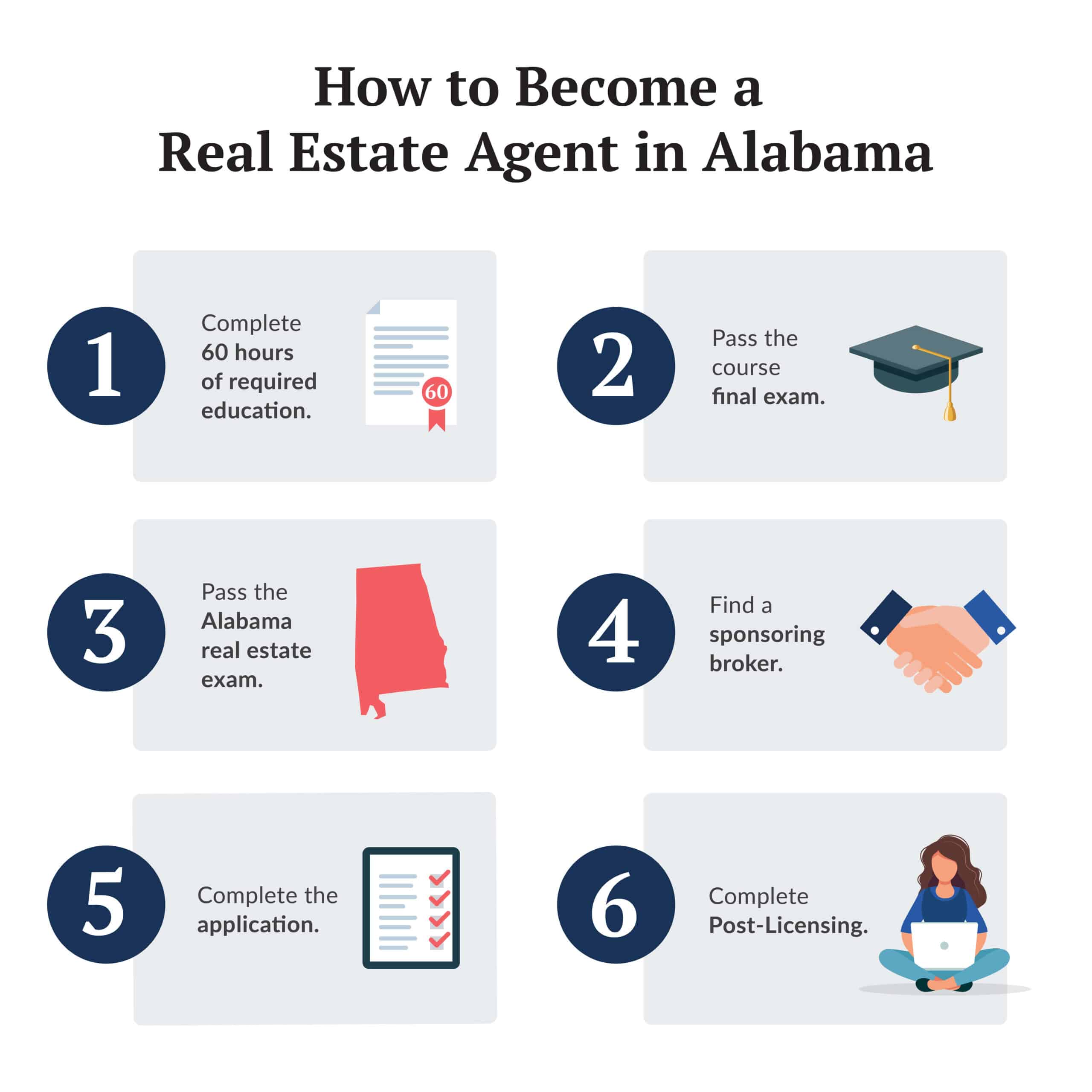
The cornerstone of obtaining a real estate license in Alabama is completing a state-approved pre-licensing education course. This educational component is designed to equip you with the essential knowledge and skills needed to understand real estate principles, laws, and practices.
Selecting an Approved Education Provider
The first step in the educational phase is to choose a real estate school that is officially approved by the Alabama Real Estate Commission. Numerous reputable institutions offer these courses, both in-person and online. When selecting a provider, consider factors such as:
- Accreditation: Ensure the school is fully accredited and recognized by the Commission.
- Curriculum: Review the course content to confirm it covers all mandated topics, including Alabama real estate law, contracts, agency, ethics, financing, and property management.
- Instructors: Look for schools with experienced and knowledgeable instructors who can provide practical insights.
- Flexibility: If you are working or have other commitments, an online or hybrid format might be more suitable.
- Pass Rates: Some schools may publish their student pass rates for the licensing exam, which can be a good indicator of their effectiveness.
Course Content and Duration
The standard pre-licensing course in Alabama requires 60 hours of instruction. This comprehensive curriculum covers a broad spectrum of real estate topics. Key areas typically include:
- Real Estate Principles and Practices: Fundamental concepts of land ownership, property rights, and market analysis.
- Alabama Real Estate Law: Specific statutes and regulations governing real estate transactions within the state, including licensing laws, agency relationships, and disclosure requirements.
- Contracts and Deeds: Understanding the legal aspects of purchase agreements, leases, and property transfer documents.
- Financing: Knowledge of mortgage lending, appraisal methods, and investment strategies.
- Ethics and Fair Housing: Crucial principles of professional conduct, including anti-discrimination laws and ethical decision-making.
- Property Management: Basics of managing rental properties.
Upon successful completion of the course, you will receive a certificate of completion, which is necessary to proceed to the next stage of the licensing process.
The Licensing Examination: Proving Your Competence
Once you have completed your pre-licensing education, the next significant hurdle is passing the official Alabama real estate licensing examination. This exam is administered by a third-party testing service, typically Pearson VUE, which is contracted by the Alabama Real Estate Commission.
Scheduling and Taking the Exam
After your pre-licensing education provider submits your completion information to the Commission, you will be eligible to register for the exam. You will need to create an account with the testing service and schedule your exam at one of their designated testing centers. It’s advisable to book your exam appointment in advance, as testing slots can fill up quickly, especially in popular areas like Montgomery.
The exam consists of two sections: a national portion and a state portion. Both sections cover material from your pre-licensing course. The national portion focuses on general real estate principles and practices applicable across the United States, while the state portion delves into Alabama-specific laws, regulations, and practices.
Exam Format and Content
The exam is typically computer-based and consists of multiple-choice questions. You will be allotted a specific amount of time to complete both sections. It is essential to study diligently, review your course materials thoroughly, and consider taking practice exams to familiarize yourself with the format and types of questions you might encounter. Understanding the key concepts related to agency, contracts, property valuation, and legal disclosures is critical for success.
Upon completion of the exam, you will receive your score immediately. A passing score is required on both the national and state sections to be eligible for licensure. If you do not pass, you will be given information on how to retake the exam, usually after a waiting period.
Applying for Your License and Next Steps
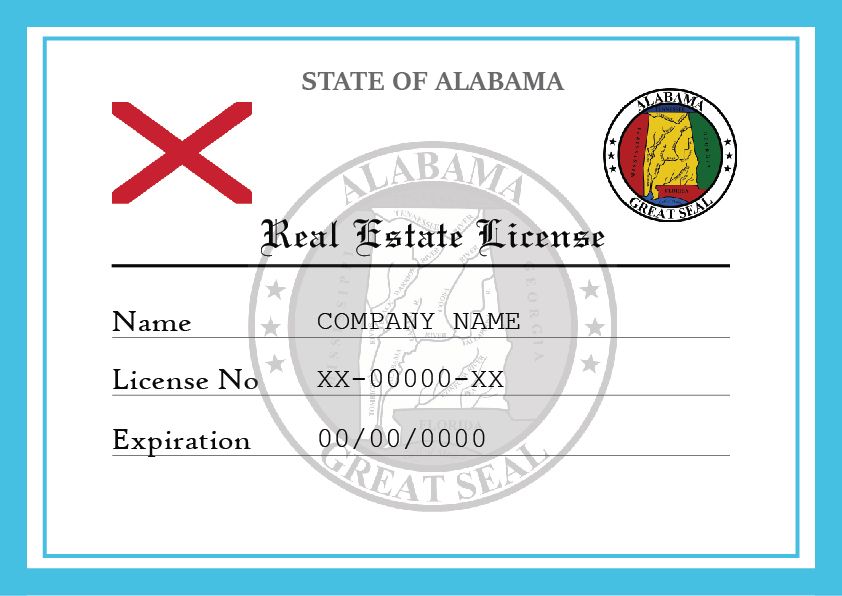
Passing the licensing exam is a major achievement, but it is not the final step. You must then formally apply for your real estate license with the Alabama Real Estate Commission.
Submitting Your Application
Once you have passed the exam, you will need to submit a complete application for licensure. This application will require information such as your personal details, proof of education completion, and the results of your licensing exam. You will also need to submit fingerprints for the background check, if not already done, and pay the required licensing fees. It is crucial to fill out the application accurately and completely to avoid any delays.
Sponsoring Broker Requirement
In Alabama, individuals must be sponsored by a licensed real estate broker before they can actively practice real estate. This means you will need to find a broker who is willing to sponsor your license. This relationship is vital, as the broker is responsible for supervising your activities and ensuring compliance with all real estate laws and regulations.
When searching for a brokerage to join, consider factors such as:
- Company Culture: Find a brokerage whose values and work environment align with yours.
- Training and Support: Look for companies that offer robust training programs, mentorship, and ongoing support for new agents.
- Commission Structure: Understand how commissions are split and what fees are involved.
- Reputation and Resources: A well-established brokerage with a good reputation can provide valuable resources and networking opportunities.
Post-Licensing Education and Continuing Education
After obtaining your initial real estate license, there are further educational requirements to maintain your status and advance your career. Alabama requires licensees to complete post-licensing education within their first license period. This typically involves additional hours of specialized coursework that build upon the foundational knowledge gained during pre-licensing.
Furthermore, to renew your license every two years, you must complete a specified number of hours of continuing education (CE). These courses are designed to keep agents updated on the latest industry trends, legal changes, and ethical standards. Staying current through CE is not only a legal requirement but also essential for professional growth and providing the best service to your clients, whether they are buying a starter home in Huntsville or selling a luxury property in Mountain Brook.
Becoming a licensed real estate agent in Alabama is a rewarding endeavor that opens doors to a dynamic and fulfilling career. By diligently following these steps, from education and examination to application and ongoing professional development, you can successfully embark on your journey in the Alabama real estate market.
LifeOutOfTheBox is a participant in the Amazon Services LLC Associates Program, an affiliate advertising program designed to provide a means for sites to earn advertising fees by advertising and linking to Amazon.com. Amazon, the Amazon logo, AmazonSupply, and the AmazonSupply logo are trademarks of Amazon.com, Inc. or its affiliates. As an Amazon Associate we earn affiliate commissions from qualifying purchases.