
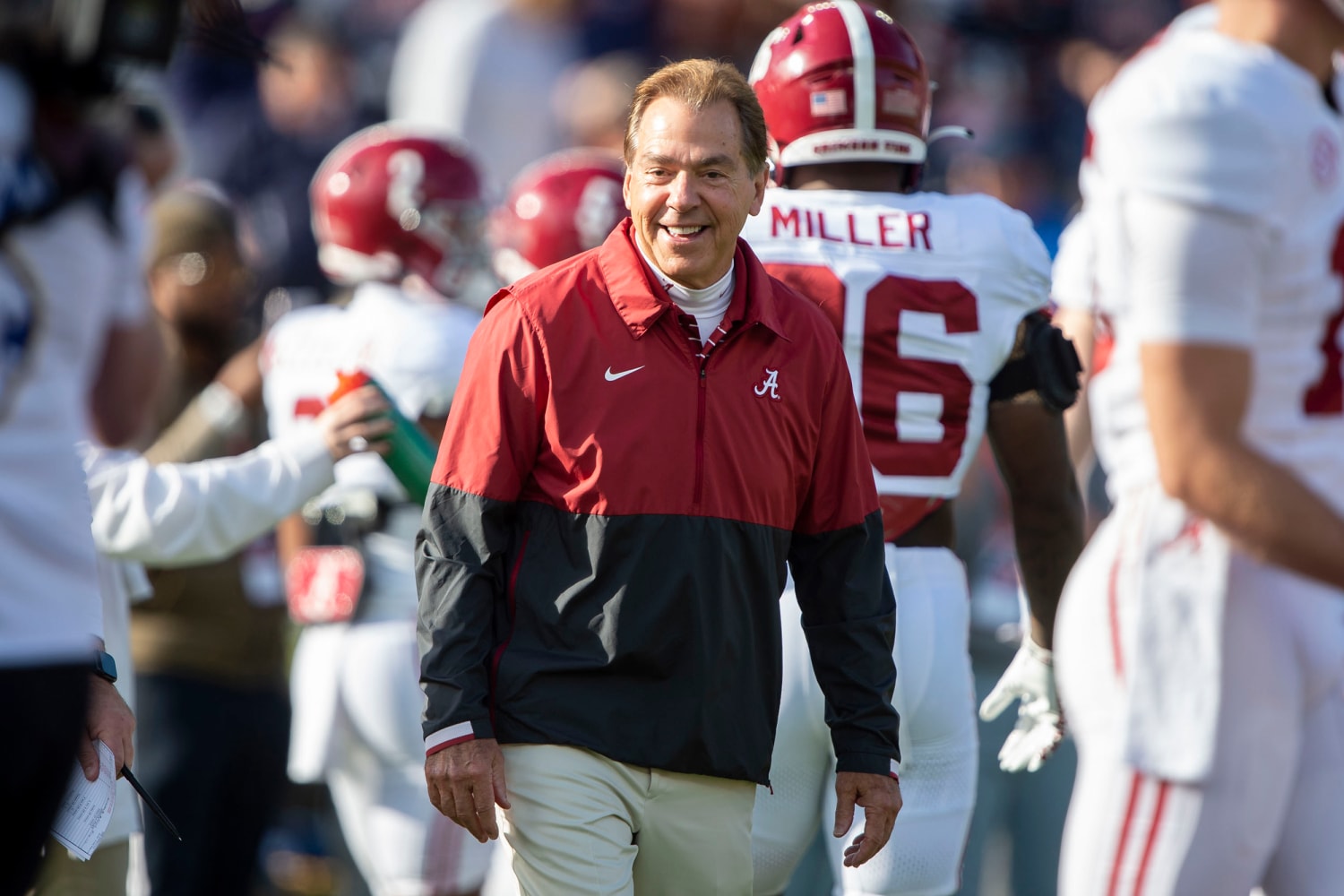
Nick Saban’s tenure as head coach of the University of Alabama football team spanned 17 remarkable seasons, from 2007 to 2023. This era fundamentally redefined college football, establishing a dynasty that became synonymous with excellence and drawing unprecedented attention to the state of Alabama and its vibrant college town of Tuscaloosa. Beyond the staggering win-loss records and numerous championships, Saban’s presence transformed Tuscaloosa into a premier destination for sports tourism, a pilgrimage site for dedicated fans, and a city whose local culture was inextricably linked to the success of its beloved Alabama Crimson Tide. Understanding the duration of his impactful career is key to appreciating the profound and lasting influence he had on the region’s tourism landscape, shaping travel patterns, local businesses, and community identity for nearly two decades.

The Dynastic Era and Its Tourist Magnetism
Nick Saban’s 17-year coaching career at Alabama was characterized by an unparalleled level of sustained success, including six National Championship titles within that period. This era transcended mere sports; it became a cultural phenomenon that significantly bolstered tourism in Tuscaloosa and the wider state. The sheer anticipation surrounding each season, coupled with the consistent championship contention, turned every home game into a major event, attracting tens of thousands of visitors from across the country and even internationally. This consistent influx of fans created a robust tourism economy that thrived on the reputation built by Saban’s program.
A Legacy That Transcended the Gridiron
The magnetic pull of the Alabama Crimson Tide under Nick Saban extended far beyond the confines of Bryant-Denny Stadium. For visitors, a trip to Tuscaloosa during Saban’s tenure became an immersive experience into a deeply entrenched sports culture. Tourists didn’t just come to watch a game; they came to be part of the tradition, to walk the grounds where legends were made, and to soak in the atmosphere of a town that lived and breathed college football. The coach’s stringent standards and consistent victories cultivated a brand of excellence that became a major draw, appealing to sports enthusiasts, aspiring athletes, and even casual travelers curious about the fervor surrounding the program. His longevity and consistent winning record meant that this “Saban effect” on tourism was not a fleeting trend but a long-term, foundational element of Tuscaloosa’s identity as a tourist destination.
The Economic Ripple Effect on Tuscaloosa
The economic impact of Nick Saban’s 17 seasons on Tuscaloosa was profound and multifaceted. Every home game weekend during his tenure saw hotels booked solid, often months in advance, with rates surging to accommodate demand. Local restaurants, bars, and retail shops experienced massive upticks in business, catering to the thousands of visitors eager to spend their money supporting the local economy. The demand extended to ancillary services like transportation, event rentals for tailgating, and souvenir vendors. This sustained economic boom, driven by the consistent success of the Crimson Tide, encouraged significant investment in Tuscaloosa’s infrastructure, including new hotel developments, restaurant expansions, and urban revitalization projects. The city itself evolved to better accommodate and enhance the visitor experience, cementing its status as a top-tier destination for sports-related travel.
Experiencing Tuscaloosa Beyond Game Day
While game days were undeniably the peak of tourist activity during Nick Saban’s reign, Tuscaloosa’s appeal as a tourism destination was carefully cultivated to offer rich experiences even outside of football season. The city leveraged the Crimson Tide’s prominence to promote its wider cultural and recreational attractions, ensuring that the legacy of Saban’s program became a gateway to discovering all that Tuscaloosa had to offer.
Exploring the University of Alabama Campus

A visit to Tuscaloosa is incomplete without exploring the sprawling and picturesque campus of the University of Alabama. Tourists can walk through the historic Quad, admire the architectural beauty of its buildings, and feel the pulse of student life. For football enthusiasts, a highlight is undoubtedly Bryant-Denny Stadium itself, the iconic arena where Saban’s teams achieved so much glory. While internal tours are often limited on game days, visitors can explore the exterior, including the Walk of Champions, adorned with statues commemorating Crimson Tide National Championship coaches and teams. Adjacent to the stadium is the Paul W. Bryant Museum, a treasure trove of Alabama football history, displaying trophies, memorabilia, and interactive exhibits that trace the program’s storied past, including extensive sections dedicated to Nick Saban’s transformative years. This museum serves as a year-round attraction, drawing fans eager to relive the triumphs and understand the profound impact of the university’s football tradition.
Local Gastronomy and Fan Hangouts
Tuscaloosa’s culinary scene also benefited immensely from the constant stream of visitors during the Saban era, evolving to offer a diverse array of dining experiences. Beyond typical game-day fare, the city boasts a variety of establishments that cater to every taste, from classic Southern comfort food to modern upscale dining. Iconic local eateries became destinations in themselves. Dreamland Bar-B-Que, famous for its ribs and white bread, is a quintessential Tuscaloosa experience, often bustling with fans and locals alike. Another must-visit is Rama Jama’s, located directly across from Bryant-Denny Stadium, known for its hearty breakfast and lunch fare amidst a museum-like collection of Crimson Tide memorabilia. These establishments, deeply woven into the fabric of the University of Alabama football culture, offer a taste of local tradition and provide excellent opportunities for visitors to mingle with residents and experience the city’s unique charm, even when there isn’t a game being played. The Tuscaloosa Riverwalk, offering scenic views along the Black Warrior River, provides a perfect setting for a leisurely stroll or a casual meal at one of the waterfront restaurants, offering a tranquil escape from the bustling game day energy.
Planning Your Visit to a College Football Mecca
For anyone considering a trip to Tuscaloosa, understanding the rhythms of college football tourism, particularly during the impactful Nick Saban years, is crucial for an optimal experience. Even with Saban’s retirement, the foundations he built ensure that Tuscaloosa remains a vibrant and popular destination for those seeking to immerse themselves in a rich sports culture.
Best Times to Visit for the Full Experience
The prime time to experience Tuscaloosa in its full glory remains during the college football season, typically from early September through late November. Weekends with home games are when the city truly comes alive, offering an electrifying atmosphere with tailgating, fan events, and the spectacle of a Southeastern Conference football game. However, visitors should be prepared for higher costs and crowded conditions for accommodation and dining during these periods. For those seeking a more relaxed visit to explore the campus and museums without the game-day frenzy, the spring (March-April) or late summer (August) can be ideal. Spring offers milder weather and the opportunity to witness the Crimson Tide’s A-Day spring game, providing a taste of the football atmosphere without the full intensity of the regular season.
Accommodation and Logistics
Due to the immense popularity of Alabama football, especially during the Nick Saban era, securing accommodation in Tuscaloosa requires advance planning. Options range from upscale hotels to more budget-friendly motels and vacation rentals. The Hotel Capstone, located on campus, offers convenience and a premium experience. Other popular choices include Embassy Suites by Hilton Tuscaloosa Alabama Downtown, Home2 Suites by Hilton Tuscaloosa Downtown University, and Hampton Inn Tuscaloosa-University, all providing comfortable stays with varying amenities. Many visitors also opt to stay in nearby cities like Birmingham and commute on game days, though traffic can be substantial. For transportation within Tuscaloosa, ride-sharing services and a local bus system are available, but walking is often the best way to navigate the campus and downtown areas, especially during busy game weekends.
Embracing Alabama’s Unique Sports Culture
Nick Saban’s 17 years at the helm of the Alabama Crimson Tide created not just a football dynasty but a deeply ingrained cultural phenomenon that significantly shaped tourism in Tuscaloosa. His tenure saw the city evolve into a magnet for sports fans, cementing its reputation as a must-visit destination for those seeking to experience the unparalleled fervor of Southeastern Conference football. From the roaring crowds at Bryant-Denny Stadium to the historic exhibits at the Paul W. Bryant Museum and the savory delights of local barbecue joints, every aspect of a Tuscaloosa visit during the Saban years, and continuing into the present, is imbued with the spirit of victory and tradition. Travelers coming to Alabama today are not just visiting a university town; they are stepping into the living legacy of a coaching legend who, through consistent excellence, transformed a local passion into a national tourist attraction. The impact of those 17 years ensures that Tuscaloosa will remain a vibrant, engaging destination for decades to come, celebrating a unique blend of academic heritage and unrivaled athletic prowess. The energy of game day, the warmth of Southern hospitality, and the enduring pride in the Crimson Tide make Tuscaloosa an essential experience for anyone exploring the rich tapestry of American sports culture.
LifeOutOfTheBox is a participant in the Amazon Services LLC Associates Program, an affiliate advertising program designed to provide a means for sites to earn advertising fees by advertising and linking to Amazon.com. Amazon, the Amazon logo, AmazonSupply, and the AmazonSupply logo are trademarks of Amazon.com, Inc. or its affiliates. As an Amazon Associate we earn affiliate commissions from qualifying purchases.