
Birmingham, Alabama presents a fascinating study in urban dynamics, particularly when examining its population figures. For travelers and those interested in understanding the character of a destination, knowing the demographic landscape offers crucial insights into its culture, infrastructure, and overall appeal. While the question of “how many people live in Birmingham” might seem straightforward, the answer reveals a complex narrative of a city that has evolved significantly over its history, shaping the unique experiences it offers today.
Birmingham at a Glance: A Population Snapshot
At its core, the population of Birmingham, Alabama can be understood through two key lenses: the population within the city limits and the broader Birmingham Metropolitan Statistical Area (MSA). According to recent estimates and the latest U.S. Census data, the city proper of Birmingham is home to approximately 200,000 residents. This figure places it as one of the largest cities in Alabama, but it tells only part of the story.
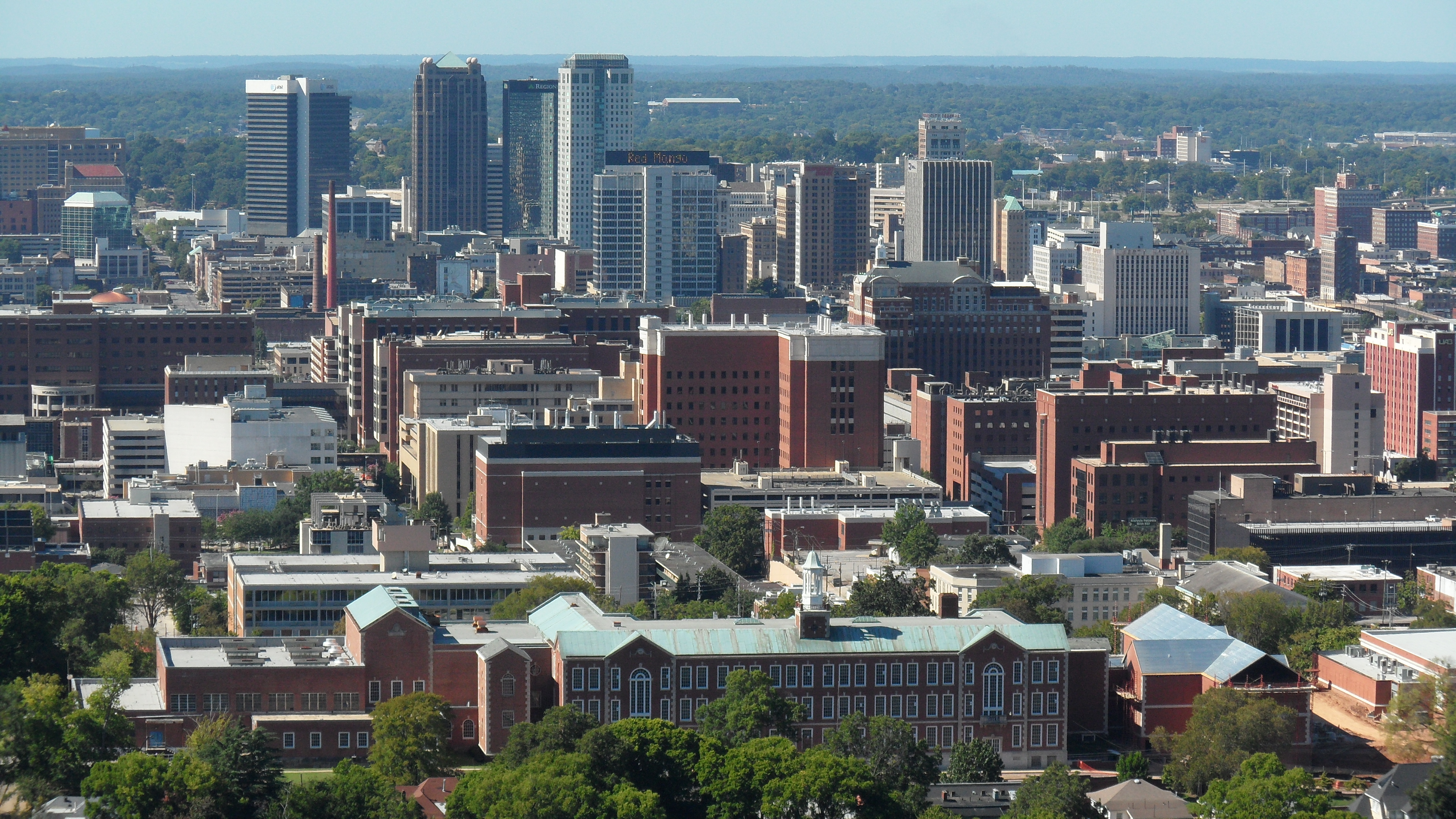
The larger Birmingham Metropolitan Statistical Area, which encompasses several counties including Jefferson, Shelby, St. Clair, Blount, and Chilton counties, boasts a population exceeding 1.1 million people. This distinction is vital for any traveler or prospective resident, as the metro area population reflects the true economic and cultural reach of Birmingham, influencing everything from its job market and entertainment options to its traffic patterns and suburban sprawl. The density and distribution of these populations contribute significantly to the city’s character, dictating the feel of its urban core versus its quieter, sprawling suburbs. Understanding this duality helps travelers grasp the scale and scope of the region, whether they’re exploring downtown attractions or venturing into nearby natural landscapes.
A City in Flux: Population Dynamics and Growth
The historical trajectory of Birmingham’s population is a compelling narrative of boom, bust, and revitalization. Founded in 1871 at the intersection of major railroad lines and abundant mineral resources, Birmingham quickly earned the moniker “The Magic City” due to its explosive industrial growth, primarily in steel production. Its population soared through the late 19th and early 20th centuries, peaking in the 1960s with well over 300,000 residents within the city limits. This era cemented its status as an industrial powerhouse of the South.
However, like many industrial cities in the United States, Birmingham experienced significant population decline in the latter half of the 20th century. Factors such as the decline of heavy industry, suburbanization, and social challenges led to a steady outward migration from the urban core. This demographic shift profoundly impacted the city’s infrastructure, economy, and social fabric.
In recent decades, Birmingham has embarked on a remarkable journey of revitalization. While the city proper’s population has stabilized and even shown modest growth in some areas, the metropolitan area continues to expand. This renewed vigor is largely fueled by diversification of its economy into healthcare, technology, and service industries, alongside significant investments in urban renewal projects. Downtown Birmingham has seen a resurgence with new residential developments, thriving restaurant scenes, and cultural institutions, drawing both young professionals and empty-nesters back to city living. This revitalization influences the traveler’s experience directly, offering a vibrant, walkable core filled with modern amenities juxtaposed against historic architecture. The city’s ability to adapt and attract new residents has transformed its landscape, creating a more dynamic and engaging destination.
The Fabric of the City: How Population Shapes the Birmingham Experience
The demographic makeup of Birmingham directly influences the character and offerings of the city, making it a unique destination for visitors.
Diversity and Culture
Birmingham’s population is wonderfully diverse, a blend of different ethnicities, backgrounds, and perspectives that contribute to a rich cultural tapestry. The city has a significant African American population, reflecting its pivotal role in the Civil Rights Movement. Institutions like the Birmingham Civil Rights Institute and historic sites such as Sixteenth Street Baptist Church are powerful testaments to this history and are essential visits for anyone seeking to understand the soul of the city. Beyond its historical significance, this diversity fuels a vibrant arts scene, a plethora of culinary experiences ranging from traditional Southern fare to international cuisine, and a calendar full of festivals and community events that celebrate its multicultural identity. Travelers benefit from this melting pot, finding a wider array of authentic experiences and welcoming communities.

Urban Development and Accessibility
The distribution of Birmingham’s population has a direct impact on its urban development and how easily visitors can navigate the city. The concentrated population within the downtown core and surrounding neighborhoods (like Lakeview, Avondale, and Uptown) means these areas are highly walkable and feature a dense concentration of attractions, eateries, and entertainment venues. In contrast, the sprawling metropolitan area, with its lower population density in suburban communities, relies more heavily on vehicular transport. Public transit options connect some areas, but a car is often necessary for exploring the wider region. This design influences how a traveler plans their itinerary, whether they prefer a pedestrian-friendly urban adventure or wish to explore the broader Greater Birmingham area, which offers outdoor activities and unique suburban charm.
Economic Landscape and Visitor Impact
The population’s economic activities also shape the visitor experience. Birmingham’s modern economy is driven by healthcare, led by institutions like the University of Alabama at Birmingham (UAB), a major employer and research hub. This robust sector attracts conferences and business travelers, contributing to a vibrant hospitality industry with a range of hotels and services. Additionally, a growing tech startup scene and a revitalized retail sector provide dynamic new businesses and experiences for locals and tourists alike. The presence of a strong local economy ensures a continuous influx of new restaurants, shops, and cultural venues, keeping Birmingham fresh and exciting for repeat visitors.
Beyond the Numbers: Birmingham’s Enduring Appeal
While population statistics provide a quantitative measure of a city, Birmingham’s enduring appeal as a destination lies in the qualitative aspects shaped by its people and their collective history. The relatively manageable size of the city proper, combined with the extensive resources of its metropolitan area, offers a unique balance. It’s large enough to offer diverse amenities and cultural experiences, yet small enough to maintain a welcoming, Southern charm often missing in larger metropolises.
Historic Significance and Modern Relevance
The story of Birmingham’s population is inextricably linked to its historical importance. From its industrial might to its struggle for civil rights, the people of Birmingham have forged a legacy that resonates globally. Today, this history is thoughtfully preserved in its museums, monuments, and neighborhoods, offering profound educational and emotional experiences for visitors. Landmarks such as Vulcan Park and Museum, featuring the largest cast iron statue in the world, stand as testaments to the city’s industrial past and offer panoramic views of the modern urban landscape. This blend of historical depth and contemporary vibrancy makes Birmingham a destination rich in meaning.
Green Spaces and Outdoor Recreation
Despite its urban core, the Birmingham metropolitan area is also blessed with extensive green spaces and outdoor recreational opportunities, serving its large and active population. The Red Mountain Park, an expansive urban park built on former mining lands, offers miles of hiking and biking trails, a zip line, and a unique perspective on the city’s natural beauty. Ruffner Mountain, another impressive nature preserve, provides more trails and educational programs. These spaces cater to both local residents and tourists seeking respite from city life or an opportunity for adventure. The access to nature within such close proximity to a major metropolitan area is a significant draw, enhancing the overall destination appeal.

Culinary and Arts Scene
The current population and its ongoing growth have fueled a dynamic culinary and arts scene that rivals much larger cities. Award-winning restaurants, craft breweries, and diverse eateries reflect the community’s adventurous palate and entrepreneurial spirit. The Theater District and venues like the Alabama Theatre and the Lyric Theatre host a variety of performances, from Broadway shows to local acts. Art galleries, public art installations, and a vibrant live music scene further enrich the cultural landscape. These offerings are a direct reflection of a population that values creativity, community, and quality of life, making Birmingham an engaging and enjoyable destination for any traveler.
In conclusion, understanding “how many people live in Birmingham, Alabama” is more than just a statistic; it’s a gateway to appreciating the city’s resilience, diversity, and evolving identity as a travel destination. The numbers, both city proper and metropolitan, paint a picture of a dynamic Southern city that continues to reinvent itself, offering a compelling blend of history, culture, and modern vibrancy for all who visit.
LifeOutOfTheBox is a participant in the Amazon Services LLC Associates Program, an affiliate advertising program designed to provide a means for sites to earn advertising fees by advertising and linking to Amazon.com. Amazon, the Amazon logo, AmazonSupply, and the AmazonSupply logo are trademarks of Amazon.com, Inc. or its affiliates. As an Amazon Associate we earn affiliate commissions from qualifying purchases.