
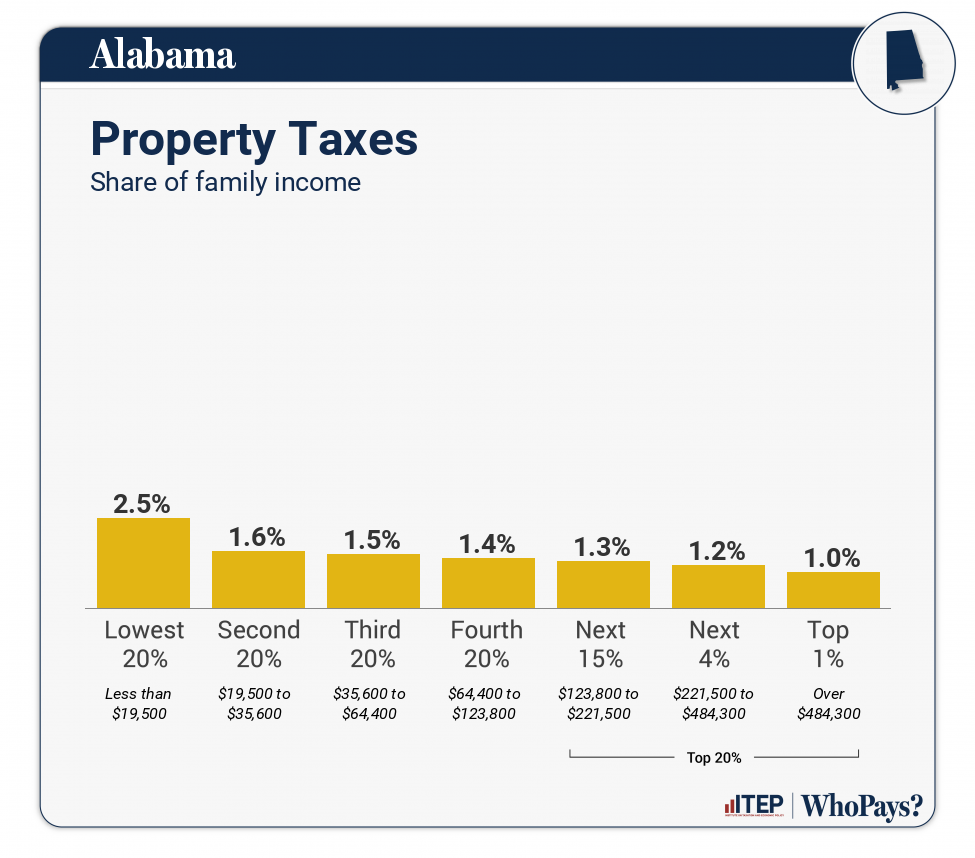
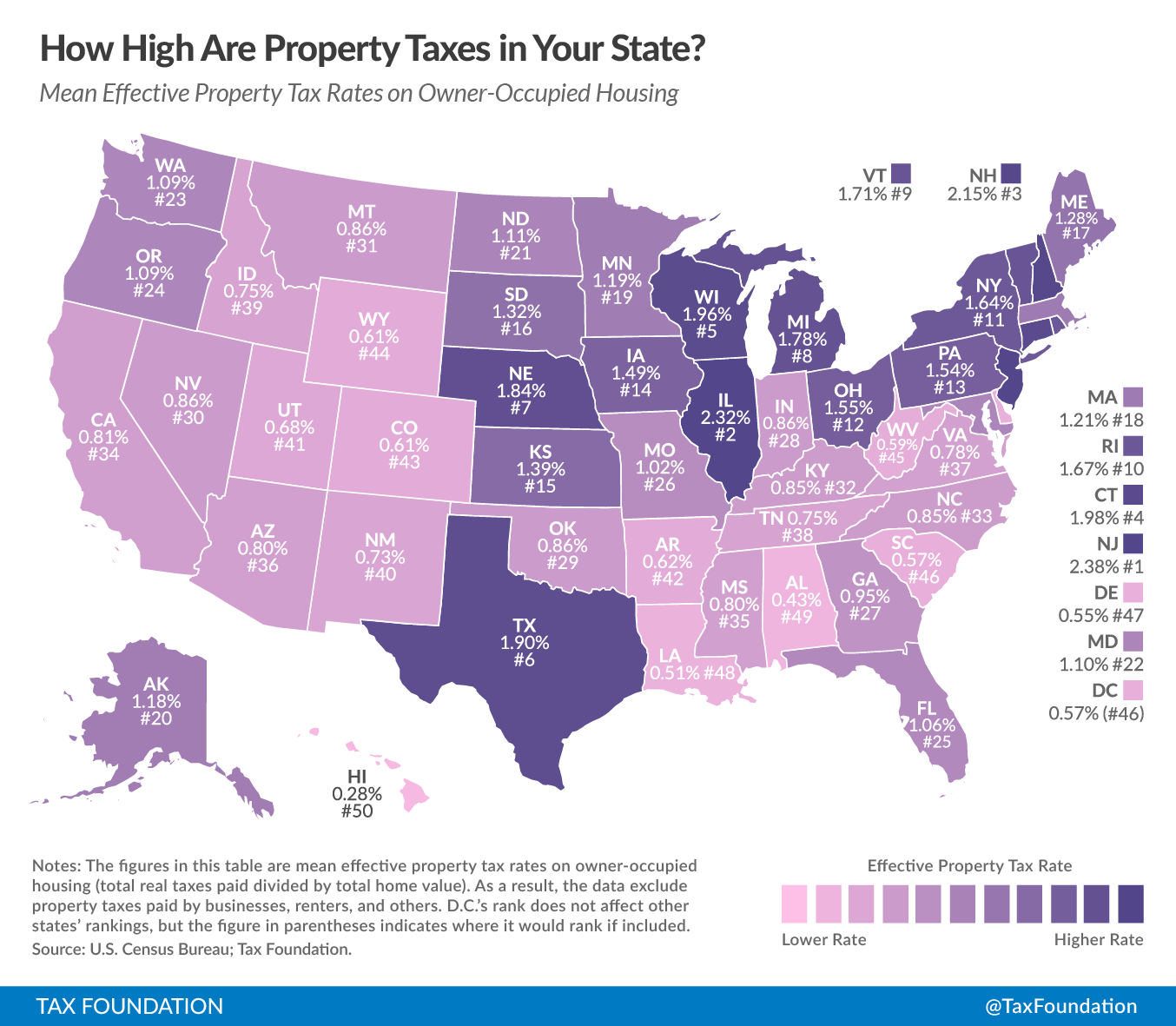
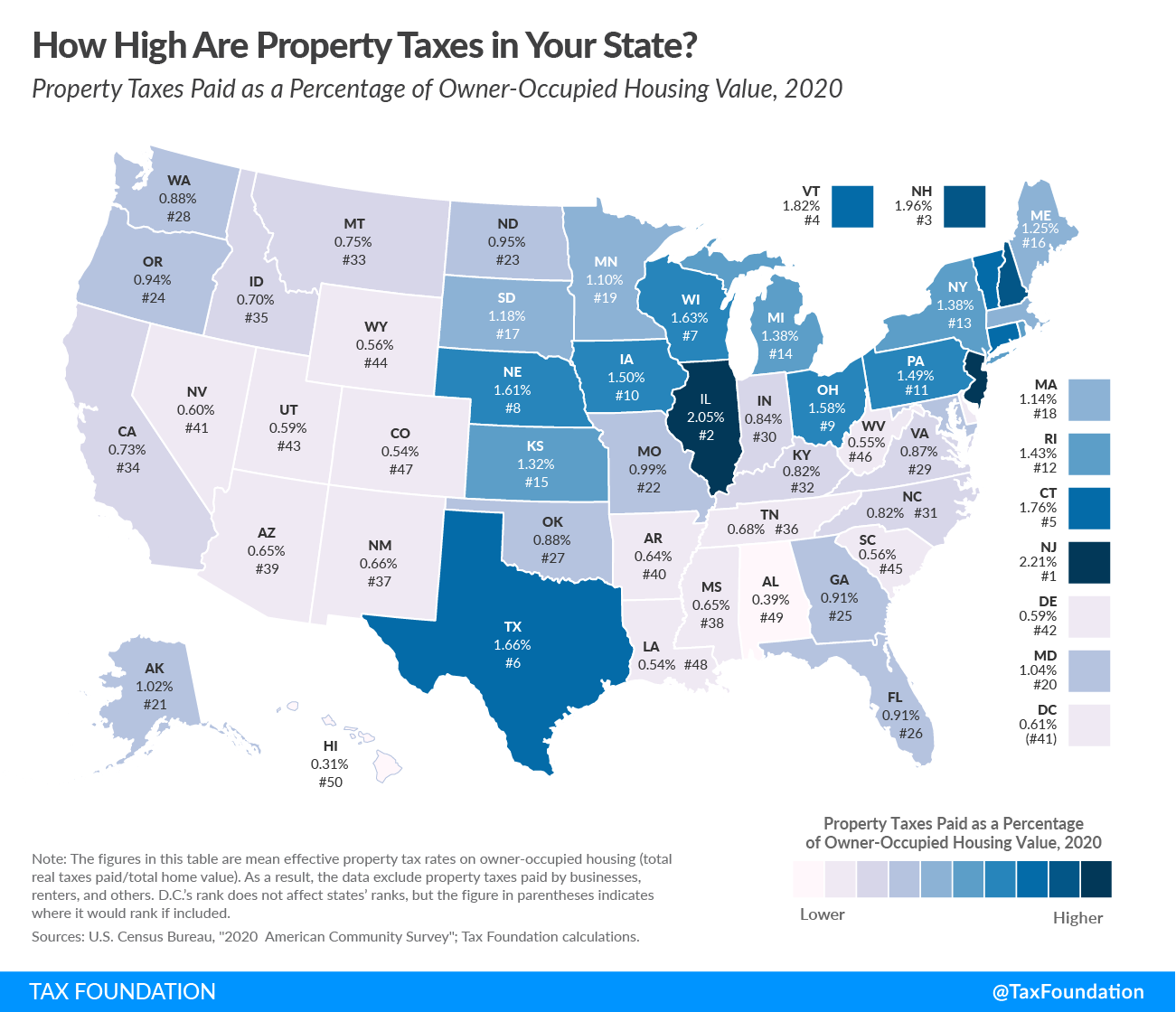
When considering a move, an extended stay, or even investing in a vacation home, understanding the local financial landscape is paramount. For those drawn to the charm and hospitality of the Deep South, Alabama presents a compelling option, often celebrated for its lower cost of living. However, delving into the specifics of property tax is crucial for a complete picture, as it significantly impacts long-term budgeting and lifestyle choices. Alabama stands out with some of the lowest property tax rates in the United States, a factor that profoundly influences everything from housing affordability to the appeal of retirement in the state. This comprehensive guide aims to demystify property taxation in the Cotton State, providing insights for anyone contemplating a life enriched by its unique culture and natural beauty.
Understanding the Alabama Property Tax System
The property tax system in Alabama is structured around principles designed to balance revenue generation for local services with maintaining affordability for its residents. Unlike many states that rely heavily on property taxes for state-level funding, Alabama’s system primarily supports county and municipal services, including schools, law enforcement, and infrastructure. This localized approach contributes to the diverse rates observed across its 67 counties, making it essential for prospective residents or investors to research specific areas.
The Ad Valorem Tax Principle
At the heart of Alabama’s property tax system is the ad valorem principle, meaning “according to value.” This fundamental concept dictates that property taxes are levied based on the assessed value of the property. Local assessors are responsible for determining the fair market value of land, homes, and commercial properties within their jurisdiction. This valuation process considers various factors, including recent sales of comparable properties, the property’s size, condition, location, and any improvements made. The accuracy of this initial assessment is critical, as it forms the baseline for all subsequent calculations. Understanding how assessors arrive at these values can empower property owners to challenge assessments they believe are inaccurate, a vital step in managing one’s long-term financial commitments.
Assessment Ratios and Classes
Alabama employs a classification system for real property, assigning different assessment ratios based on the property’s use. These ratios are a key differentiator in the state’s low property tax burden. There are four primary classes:
- Class I (Utility Property): Assessed at 30% of fair market value. This category typically includes property owned by utilities like power companies and railroads.
- Class II (Commercial and Industrial Property): Assessed at 20% of fair market value. This applies to businesses, factories, and other commercial enterprises.
- Class III (Residential Property and Agricultural Property): Assessed at 10% of fair market value. This is the most relevant class for homeowners and those considering a personal residence or farm in Alabama. This significantly lower ratio for residential property is a primary reason for the state’s overall low property tax rates.
- Class IV (Personal Property leased or rented to others): Assessed at 15% of fair market value. This includes items like machinery or equipment rented out.
The 10% assessment ratio for residential property is particularly attractive to those seeking an affordable lifestyle, allowing more of their hard-earned money to go towards experiences, savings, or other aspects of life rather than recurring property taxes. This favorable ratio makes homeownership in Alabama significantly more accessible and sustainable compared to many other states.
Calculating Your Property Tax Bill
Understanding the assessment ratios is only one piece of the puzzle. To calculate your actual property tax bill, you need to combine this assessed value with the local millage rates. The process involves a few straightforward steps, but each component plays a crucial role in the final amount due.
Fair Market Value vs. Assessed Value
First, it’s essential to distinguish between a property’s fair market value and its assessed value.
The fair market value is what your property would likely sell for on the open market. This is determined by the county tax assessor and is influenced by market conditions, recent sales, and the property’s characteristics.
The assessed value is the fair market value multiplied by the applicable assessment ratio. For most homeowners in Alabama, this means their property’s fair market value is multiplied by 10%. For example, a home with a fair market value of $200,000 would have an assessed value of $20,000 ($200,000 x 0.10). This assessed value is the figure used in the subsequent property tax calculation.
Millage Rates Explained
Once the assessed value is determined, it is multiplied by the local millage rates. A mill is equivalent to one-tenth of one cent ($0.001) or $1 per $1,000 of assessed value. Millage rates are set by various taxing authorities within a county, including the county itself, municipalities, school districts, and special service districts (e.g., fire, library). These rates are often expressed as mills per dollar of assessed value.
For instance, if a county’s total millage rate is 30 mills, this translates to $30 for every $1,000 of assessed value. Using our previous example of a $200,000 home with an assessed value of $20,000, the property tax calculation would be:
($20,000 Assessed Value / $1,000) * 30 mills = $600 in annual property taxes.
This demonstrates how significantly the low assessment ratio, combined with often modest millage rates, results in relatively low property tax bills for homeowners in Alabama. It’s crucial for individuals to look up the specific millage rates for their desired location, as these can vary widely even within the same county due to different municipal or special district levies.
Factors Influencing Property Tax in Alabama
While the general framework for property tax in Alabama is consistent, several factors can influence the final amount a property owner pays. These nuances are vital for a holistic understanding, especially when making lifestyle-driven decisions about where to live or invest.
Geographic Variations and Localities
The most significant variable influencing property tax bills is location. Millage rates are determined at the local level, meaning taxes can differ considerably from one county to another, and even between cities or unincorporated areas within the same county. For example, a home in a bustling city like Birmingham, the state’s largest city, might have higher millage rates due to more extensive municipal services and school district funding requirements, compared to a similar home in a rural part of Alabama.
Counties with higher property values, such as Baldwin County along the Gulf Coast or Madison County (home to Huntsville‘s booming tech sector), might see higher overall tax bills simply because the fair market value of properties is greater, even if their millage rates are comparable to other areas. Conversely, counties with lower average property values, or those with fewer municipal services, may have some of the lowest effective property tax rates in the nation. It’s advisable for individuals to contact the tax assessor’s office in specific counties of interest, such as Jefferson County (for Birmingham) or Mobile County (for Mobile), to obtain precise millage rates.
Exemptions and Relief Programs
Alabama offers several exemptions that can reduce a homeowner’s property tax liability, further contributing to the state’s affordability. The most common and impactful is the Homestead Exemption.
The Homestead Exemption is available to homeowners who reside on their property as their primary residence. This exemption generally provides a reduction in the assessed value that is taxed. While the specific amount can vary by county, it significantly lowers the tax burden for primary homeowners. For instance, the general statewide Homestead Exemption (Homestead Exemption 1) removes the first $4,000 of assessed value from county taxes and $2,000 from state taxes for property owned by a resident of Alabama and occupied as their home. There are also additional homestead exemptions for seniors, disabled persons, and other specific categories, offering even greater relief. For example, the Homestead Exemption 2 exempts property owners over 65, or those who are permanently and totally disabled, from paying state property tax and a certain amount of county property tax, depending on income. These programs are invaluable for those planning their retirement or seeking a more financially stable living environment.
Property Use and Classification
As mentioned earlier, the classification of property—residential, commercial, utility, or personal leased property—directly impacts the assessment ratio. This distinction is critical for anyone considering various property types. An individual purchasing a home for personal use will benefit from the 10% residential assessment ratio, while an investor looking to purchase a commercial building or lease out personal property will face higher ratios. This structure encourages homeownership and makes Alabama an attractive state for families and individuals seeking permanent residences. For those considering rental properties, understanding whether the property will be classified as Class II (commercial) or Class III (residential, if rented for residential purposes) is key to accurately forecasting expenses.
Property Tax and Lifestyle Choices in Alabama
The favorable property tax environment in Alabama directly translates into significant advantages for various lifestyle choices, from budgeting for a permanent move to investing in a vacation retreat.
Budgeting for a Move or Extended Stay
For individuals or families contemplating a move to Alabama, the state’s low property taxes are a substantial draw. Lower property tax bills mean more disposable income, which can be allocated towards enhancing one’s lifestyle—be it through travel, dining, entertainment, or savings. This financial breathing room can be particularly appealing for those looking to stretch their budget further without compromising on quality of life. Whether you’re settling in the capital city of Montgomery, the vibrant Gulf Coast city of Mobile, or the rapidly growing northern hub of Huntsville, the reduced burden of property taxes makes a tangible difference in monthly expenses, allowing residents to embrace the local culture and attractions with greater ease.
Investment Properties and Vacation Homes
Alabama’s scenic beauty, from the Appalachian foothills to the pristine beaches of Gulf Shores and Orange Beach, makes it an ideal location for vacation homes or investment properties. The relatively low property taxes enhance the profitability and affordability of owning such assets. Investors might find Alabama particularly attractive due to lower carrying costs, which can improve rental yields or make a second home more financially viable. This is especially true for properties that can qualify under residential classifications, even if occasionally rented out, provided they primarily serve as a single-family dwelling. Understanding the specific assessment and millage rates for areas popular with tourists, like those in Baldwin County, is crucial for maximizing investment potential.
Retirement and Relocation Considerations
For retirees, Alabama is often cited as a top destination, largely due to its low cost of living, pleasant climate, and the presence of significant tax benefits beyond just property taxes. The state does not tax retirement income from defined benefit plans (pensions), and Social Security benefits are exempt. Combined with the attractive Homestead Exemption for seniors and low property taxes, Alabama offers a robust financial environment for those living on a fixed income. Relocating to Alabama for retirement means stretching retirement savings further, allowing retirees to enjoy a higher quality of life, whether it’s golfing, exploring historical sites, or simply enjoying the relaxed pace of life.
In conclusion, Alabama’s property tax system is notably favorable to homeowners, especially those using their property as a primary residence. Its low assessment ratios, coupled with local variations in millage rates and generous exemption programs, make it an attractive state for anyone seeking financial stability and an enhanced lifestyle. Understanding these nuances is key to making informed decisions about living, retiring, or investing in this captivating Southern state.
LifeOutOfTheBox is a participant in the Amazon Services LLC Associates Program, an affiliate advertising program designed to provide a means for sites to earn advertising fees by advertising and linking to Amazon.com. Amazon, the Amazon logo, AmazonSupply, and the AmazonSupply logo are trademarks of Amazon.com, Inc. or its affiliates. As an Amazon Associate we earn affiliate commissions from qualifying purchases.