
Orange Beach, Alabama, a jewel on the Gulf Coast, consistently draws visitors with its pristine white sands, emerald waters, and vibrant recreational opportunities. As with any travel destination, prospective visitors often prioritize safety, seeking reassurance that their vacation will be secure and worry-free. Understanding the various facets of safety in Orange Beach is crucial for a well-prepared and enjoyable trip, encompassing everything from crime statistics to natural phenomena and local infrastructure.
Understanding Safety in Coastal Destinations
Coastal destinations like Orange Beach present unique safety considerations that differ from urban or rural environments. While general crime rates are always a factor, specific concerns often revolve around water safety, environmental conditions, and the dynamics of a tourist-centric economy. A holistic view of safety requires examining these interconnected elements.

General Crime Rates
The overall safety of any destination is frequently benchmarked against its crime statistics. Orange Beach, like many popular resort towns, experiences a seasonal influx of visitors, which can subtly influence crime patterns. Generally, resort areas prioritize visitor safety to protect their tourism-driven economies. Law enforcement agencies in such locales are often well-resourced and proactive, understanding that a perception of insecurity can significantly deter travelers. Property crimes, such as petty theft or vehicle break-ins, are typically more common in tourist areas than violent crimes, often linked to opportunities presented by relaxed visitors. Vigilance with personal belongings and securing valuables remains a universal travel tip, regardless of destination.
Water Safety and Beach Protocols
Given its primary allure as a beach destination, water safety is paramount in Orange Beach. The Gulf of Mexico presents dynamic conditions, from gentle waves to strong rip currents. Local authorities, notably the Orange Beach Safety Division, implement robust flag systems and provide vigilant lifeguard services, particularly during peak seasons. Understanding and respecting these protocols is fundamental to personal safety. Flags communicate current surf conditions, ranging from green (calm) to double red (water closed). Adhering to these warnings, staying hydrated, and supervising children near water are essential practices for all beachgoers.
Natural Disasters and Preparedness
Coastal regions are inherently susceptible to certain natural phenomena, including hurricanes, tropical storms, and severe thunderstorms. Orange Beach has a well-established emergency management system designed to protect residents and visitors. During hurricane season (June 1st to November 30th), local officials closely monitor weather patterns and issue timely advisories or evacuation orders if necessary. Visitors should stay informed through official weather channels and local news sources, have a flexible travel plan, and be prepared to follow emergency instructions. Hotels and rental agencies typically have their own emergency procedures, which guests should familiarize themselves with upon arrival.
Orange Beach: A Closer Look at Crime Statistics
While no community is entirely crime-free, examining specific crime data provides a more nuanced understanding of safety. Orange Beach strives to maintain a safe environment, leveraging community engagement and law enforcement presence.
Property Crime vs. Violent Crime
Statistical data from the Orange Beach Police Department often indicates that property crimes (theft, burglary) outnumber violent crimes (assault, robbery). This pattern is typical for many popular vacation spots, where the transient nature of visitors and the presence of unattended valuables can create opportunities for opportunistic crime. Violent crime rates generally remain low, contributing to a sense of security for both residents and tourists. However, even with low rates, practicing situational awareness—especially in crowded areas or late at night—is always prudent. Securing rental cars, locking accommodations, and not displaying large amounts of cash or expensive electronics openly are simple yet effective deterrents.
Seasonal Fluctuations and Tourist Impact
The seasonality of tourism in Orange Beach directly impacts crime statistics. During peak seasons (spring break, summer holidays), the population swells dramatically, leading to increased traffic, larger crowds, and sometimes, a slight uptick in minor incidents. Conversely, during the off-season, the area becomes quieter, often correlating with lower crime rates. Local law enforcement adjusts its presence and strategies according to these fluctuations, deploying additional patrols and resources during busy periods to maintain order and respond swiftly to any issues. This proactive approach helps mitigate potential problems arising from increased visitor numbers.
Law Enforcement Presence and Community Efforts
The Orange Beach Police Department is highly visible and actively engaged with the community. Officers regularly patrol public areas, beaches, and commercial districts, serving as both a deterrent and a readily available resource for visitors. Beyond direct law enforcement, community-led initiatives and neighborhood watch programs also contribute to the city’s safety network. Many hotels and local businesses collaborate with authorities to ensure a safe environment for their patrons. This strong partnership between residents, businesses, and law enforcement forms a robust safety infrastructure that benefits everyone in Orange Beach.
Navigating Water Safety in Orange Beach
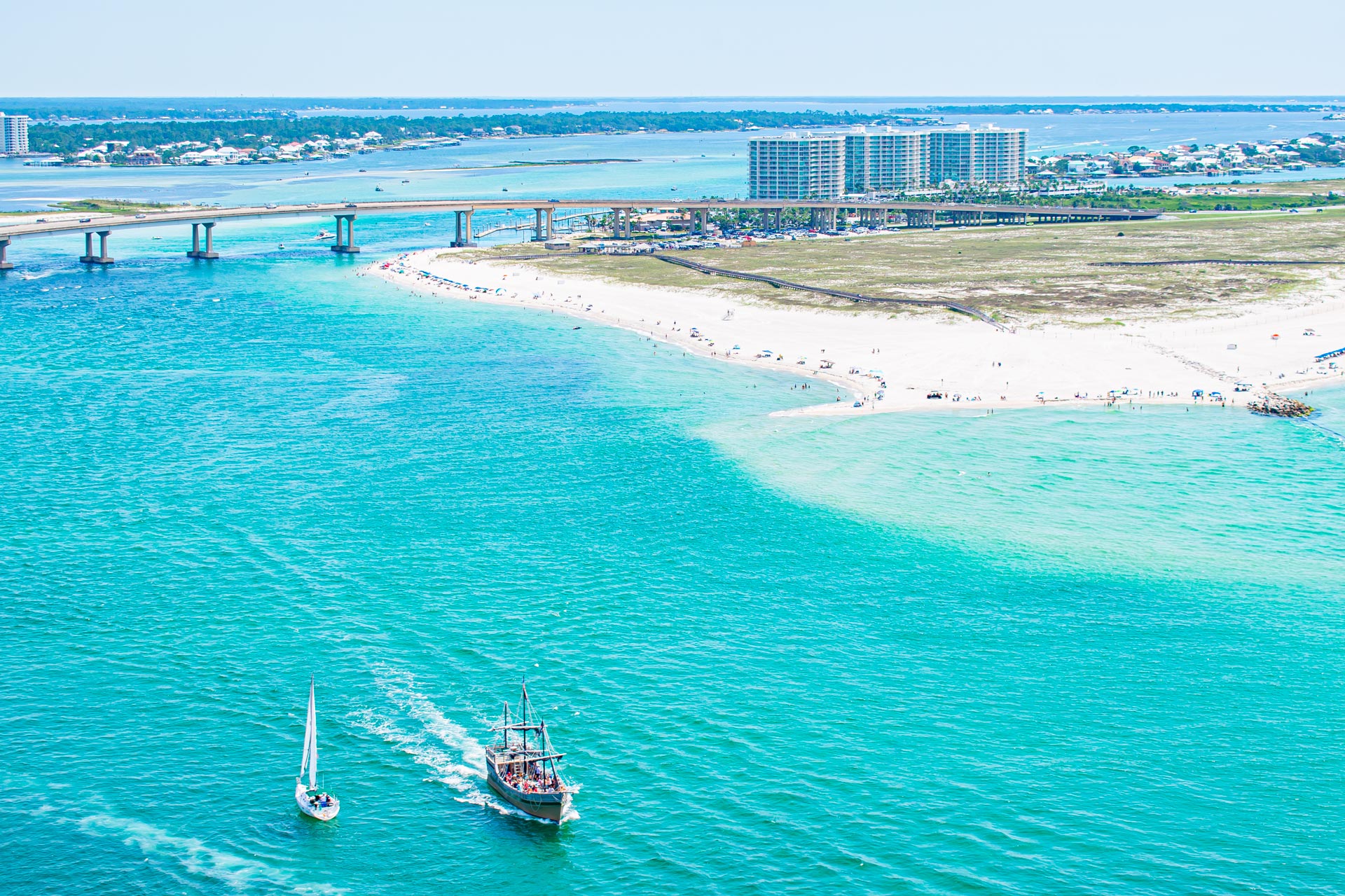
The primary draw of Orange Beach is its access to the Gulf of Mexico, making water safety an essential component of any travel guide. Understanding the potential hazards and how to mitigate them ensures a pleasant and safe experience on and in the water.
Rip Currents and Flag Systems
Rip currents are powerful, narrow channels of water flowing rapidly away from the shore, posing a significant hazard to swimmers. Orange Beach employs a well-publicized beach flag system to alert visitors to current surf conditions and rip current risks.
- Green Flag: Low hazard; calm conditions.
- Yellow Flag: Moderate hazard; moderate surf and/or currents.
- Red Flag: High hazard; rough conditions, strong surf, and/or strong currents.
- Double Red Flag: Water closed to the public.
- Purple Flag: Dangerous marine life (e.g., jellyfish).
It is imperative to check the flags daily, which are posted at public beach access points and often updated on local government websites or apps. If caught in a rip current, the advice is to remain calm, conserve energy, and swim parallel to the shore until out of the current, then swim back to the beach. Never fight against the current directly.
Marine Life Awareness
The Gulf of Mexico is home to diverse marine life, most of which is harmless. However, visitors should be aware of potential encounters with jellyfish, stingrays, or even small sharks, though shark incidents are extremely rare. Wearing water shoes can prevent stepping on stingrays, which often bury themselves in the sand near the shoreline. If a purple flag is flying, it indicates the presence of dangerous marine life, and caution should be exercised. It’s always advisable to shuffle your feet when entering the water to scare away any lurking stingrays.
Boating and Water Sports Safety
For those engaging in boating, jet skiing, paddleboarding, or kayaking, adherence to maritime safety regulations is critical. All watercraft operators should be familiar with navigation rules, carry appropriate safety equipment (life jackets, flares), and avoid operating under the influence of alcohol. Rental companies for water sports equipment typically provide safety briefings and require the use of life vests. Staying aware of other vessels, swimmers, and fixed obstacles like piers is crucial for preventing accidents.
Health, Emergency Services, and Local Support
Beyond crime and water safety, access to reliable health services and a robust emergency response system contributes significantly to the overall safety profile of a destination. Orange Beach is well-equipped in this regard.
Access to Medical Facilities
Orange Beach and its immediate vicinity boast access to quality medical care. Urgent care clinics are available for non-life-threatening conditions, offering convenient options for minor illnesses or injuries. For more serious emergencies, major hospitals like South Baldwin Regional Medical Center in nearby Foley or Thomas Hospital in Fairhope are within a reasonable driving distance, providing comprehensive emergency services, specialist care, and advanced medical technology. Having travel insurance that covers medical emergencies is always a wise precaution for any trip.
Emergency Response Times
The Orange Beach Fire Department and Orange Beach Police Department are known for their rapid response times, a critical factor in emergency situations. The relatively compact size of the city and its dedicated public safety personnel ensure that assistance can arrive swiftly, whether it’s for a medical emergency, a fire, or a law enforcement incident. The universal emergency number, 911, is the direct line to these services.
Community Vigilance and Traveler Tips
A strong sense of community vigilance further enhances safety. Local businesses, residents, and visitors often look out for one another. For travelers, some essential tips include:
- Share your itinerary: Let someone know your plans, especially if exploring less-frequented areas or going out on the water.
- Secure your valuables: Use hotel safes for passports, cash, and expensive items.
- Stay informed: Follow local news and weather updates.
- Trust your instincts: If a situation feels unsafe, remove yourself from it.
- Carry identification: Always have a form of ID and emergency contact information readily available.
Cultivating a Safe and Enjoyable Experience
Ultimately, safety in Orange Beach is a shared responsibility. While the city provides a robust safety infrastructure, personal awareness and responsible choices play a significant role in ensuring a trouble-free vacation.
Personal Responsibility and Awareness
Travelers are their own best advocates for safety. This involves being mindful of one’s surroundings, especially in unfamiliar environments. Avoiding excessive alcohol consumption, particularly when driving or engaging in water activities, is crucial. If traveling with children, constant supervision, especially near water or in crowded areas, is non-negotiable. Simple acts like knowing the address of your accommodation, having a charged phone, and being aware of local laws and customs contribute significantly to personal security.
Researching Accommodations and Activities
Before booking, a quick review of accommodation safety features can be beneficial. Does the property have secure access, good lighting, and a responsive staff? For activities, choose reputable operators who prioritize safety, have proper certifications, and maintain their equipment. Reading recent reviews from other travelers can offer insights into safety and service quality. Orange Beach offers a wide array of accredited businesses and tour operators that adhere to high safety standards.
Local Resources for Visitors
Orange Beach is well-equipped with resources for visitors. The Orange Beach Welcome Center provides maps, information on local regulations, and contacts for emergency services. Most hotels and rental agencies also have staff available to answer questions and assist with any concerns. By utilizing these resources and staying informed, visitors can confidently enjoy all that this beautiful Alabama destination has to offer. In conclusion, Orange Beach is generally a very safe travel destination, provided visitors exercise common sense, respect local guidelines, and stay informed about current conditions.
LifeOutOfTheBox is a participant in the Amazon Services LLC Associates Program, an affiliate advertising program designed to provide a means for sites to earn advertising fees by advertising and linking to Amazon.com. Amazon, the Amazon logo, AmazonSupply, and the AmazonSupply logo are trademarks of Amazon.com, Inc. or its affiliates. As an Amazon Associate we earn affiliate commissions from qualifying purchases.