
Understanding the climate of a destination is paramount for any traveler planning an enriching experience. In the heart of the American South, Alabama presents a diverse temperature profile, primarily characterized by a humid subtropical climate. This means hot, humid summers and mild winters, with distinct seasonal variations that significantly influence tourist activities, packing considerations, and the overall enjoyment of your visit. From the rolling foothills of the Appalachian Mountains in the north to the sun-drenched beaches along the Gulf Coast, Alabama’s temperature can vary considerably by region and season, offering unique appeals for every type of traveler.
Alabama’s Diverse Climate Zones: A Tourist’s Guide
Alabama’s elongated shape from north to south, coupled with its varied topography, leads to discernible climate differences across its regions. These zones dictate not only the mercury reading but also the atmospheric feel, impacting how tourists plan their itineraries.
Northern Alabama’s Temperate Shifts
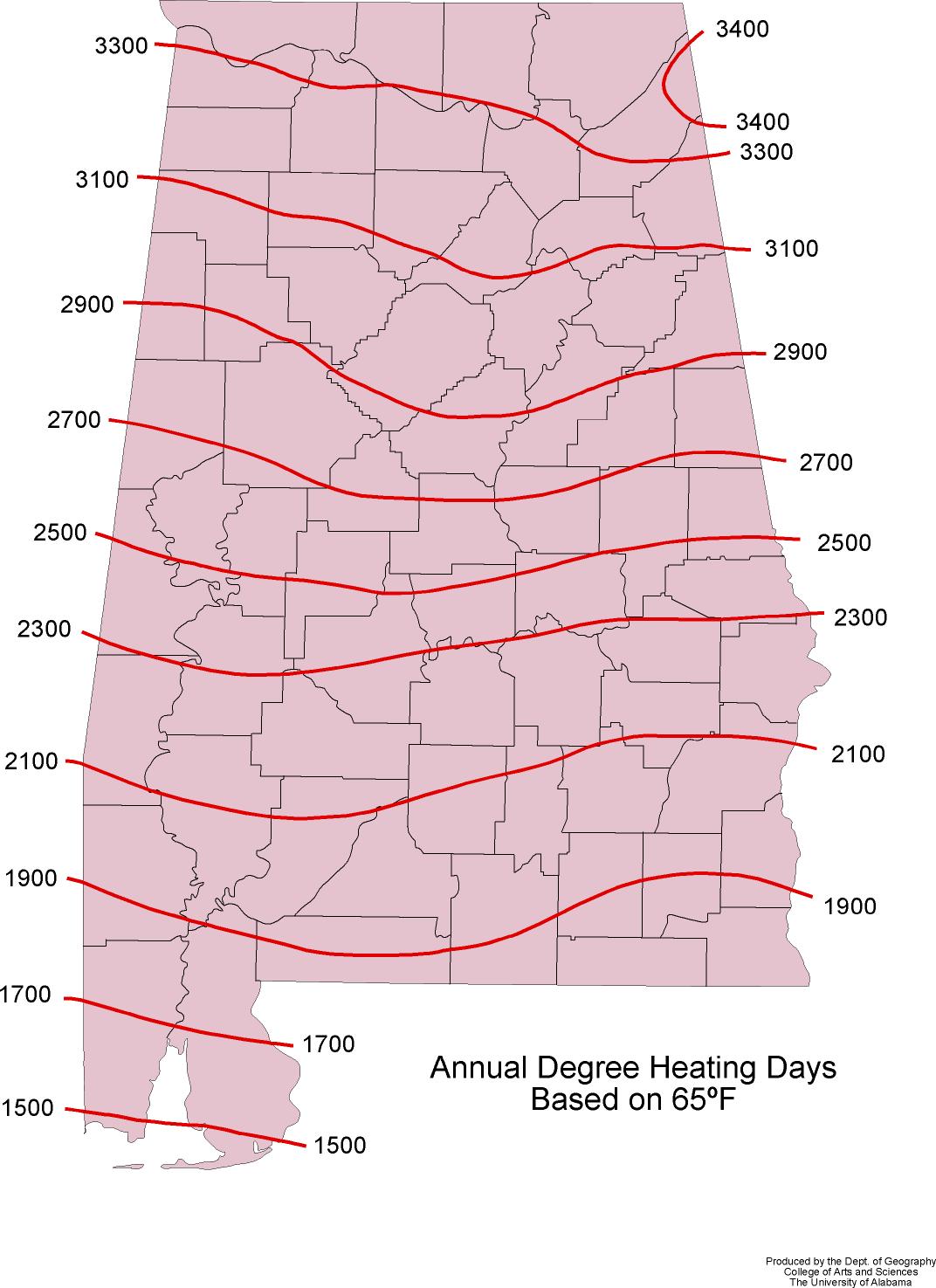
The northern reaches of Alabama, encompassing cities like Huntsville and stretching towards the Tennessee border, experience the most pronounced four seasons. While still humid subtropical, the influence of the Appalachian Mountains means slightly cooler average temperatures compared to the state’s central and southern parts. Summers here are hot, often reaching into the low to mid-90s Fahrenheit (32-35°C), with significant humidity. However, nights can be slightly more comfortable. Winters are mild but can see occasional cold snaps, with average daytime temperatures in the 40s and 50s Fahrenheit (4-15°C) and nighttime lows sometimes dipping below freezing. Snowfall is rare but not unheard of, typically light and fleeting. Spring and autumn are particularly delightful, offering moderate temperatures in the 60s and 70s Fahrenheit (15-25°C), ideal for exploring natural parks, historical sites, and the Rocket City’s attractions without the intensity of summer heat or winter chill.
Central Alabama’s Humid Subtropical Core
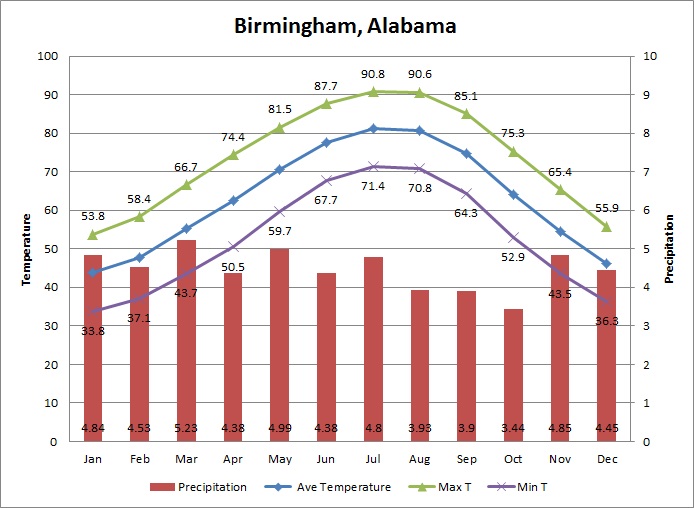
The central region, home to major cities like Birmingham and the state capital, Montgomery, represents the quintessential Alabama climate. Summers are long, hot, and notoriously humid, with daily highs frequently soaring into the 90s Fahrenheit (32-37°C) and heat index values making it feel even hotter. Thunderstorms are common during summer afternoons, providing temporary relief. Winters are generally mild, with average highs in the 50s and 60s Fahrenheit (10-18°C) and nighttime lows in the 30s and 40s (0-9°C). Freezing temperatures occur periodically, but prolonged severe cold is uncommon. This central zone offers an extended spring and autumn, characterized by pleasant temperatures, vibrant foliage in the fall, and blooming dogwoods and azaleas in the spring, making these shoulder seasons highly attractive for outdoor activities, golf, and city explorations.
Coastal Alabama’s Gulf Influences
The southern part of Alabama, including Mobile and the popular beach destinations of Gulf Shores and Orange Beach, experiences the most direct influence from the Gulf of Mexico. This results in slightly warmer winters and even more humid summers compared to inland areas. Summer highs regularly reach the upper 80s to low 90s Fahrenheit (30-34°C), but the sea breeze can offer some localized relief. The humidity, however, remains a constant companion. The appeal of the Gulf Coast during summer is, of course, the access to the warm waters for swimming, boating, and other marine activities. Winters are exceedingly mild, with average daily temperatures in the 60s Fahrenheit (15-20°C) and rarely dipping below freezing. This makes Coastal Alabama a popular destination for snowbirds seeking escape from colder northern climates. Spring and autumn provide the most comfortable beach weather, with warm, but not oppressive, temperatures perfect for enjoying the white sands and charming coastal towns.
Seasonal Temperature Impacts on Alabama Tourism
The ebb and flow of Alabama’s temperatures directly dictate the types of activities and experiences most enjoyable for tourists throughout the year.
Spring: Mild Weather and Outdoor Festivals
From March to May, Alabama truly blossoms. Average temperatures range from the 60s to high 70s Fahrenheit (15-26°C). This season is often considered the prime time for tourism, with comfortable weather ideal for exploring the state’s numerous state parks, hiking trails, and historical sites like the U.S. Space & Rocket Center in Huntsville or the civil rights landmarks in Montgomery and Birmingham. The state hosts a plethora of outdoor festivals, art shows, and music events, taking advantage of the pleasant conditions. Golf courses are in pristine condition, and fishing begins to pick up across freshwater lakes and coastal waters.
Summer: Hot, Humid, and Water-Centric Escapes
June through August brings intense heat and humidity, with daily highs typically in the 90s Fahrenheit (32-37°C) and high dew points. While challenging for some, this is the peak season for Coastal Alabama. Tourists flock to Gulf Shores, Orange Beach, and Dauphin Island for their pristine beaches and warm Gulf of Mexico waters. Inland, visitors seek out air-conditioned attractions such as museums, aquariums, and indoor entertainment venues. Water parks, lakes, and rivers become popular havens for cooling off. Early mornings and late evenings offer slightly more bearable temperatures for outdoor activities like fishing or short walks.
Autumn: Crisp Air and Scenic Drives
September to November brings a welcome respite from summer’s intensity. Temperatures gradually cool from the high 80s Fahrenheit (30-31°C) in early September to the 50s and 60s (10-18°C) by November. Humidity levels drop, creating crisp, clear days perfect for outdoor adventures. Autumn is prime time for hiking, especially in northern Alabama’s scenic parks, where the foliage transformation provides stunning visual displays. Football season is in full swing, and college towns like Auburn and Tuscaloosa buzz with energy. Farmers’ markets are abundant with seasonal produce, and numerous fall festivals celebrate the harvest.
Winter: Mild Chill and Unique Experiences
December through February sees the coolest temperatures in Alabama. Average highs typically range from the 40s to 60s Fahrenheit (4-18°C), with overnight lows often dipping into the 30s (0-4°C). While brief cold fronts can occur, severe winter weather is rare. This season offers a peaceful atmosphere for exploring cities, enjoying indoor attractions without the summer crowds, and experiencing unique holiday events. The mild temperatures are excellent for golfing, particularly in the southern part of the state. Birdwatching is also popular, as many migratory species spend their winter in Alabama’s wetlands and coastal areas.
Planning Your Trip: What to Expect and Pack
Understanding Alabama’s temperature patterns is crucial for preparing for your trip and maximizing your enjoyment.
Dressing for Alabama’s Seasons
- Spring & Autumn: Layers are key. Days can be warm, but evenings often cool down significantly. Pack light sweaters, long-sleeved shirts, and comfortable pants alongside your shorts and t-shirts. A light jacket or rain jacket is also advisable.
- Summer: Lightweight, breathable fabrics like cotton or linen are essential. Shorts, t-shirts, sundresses, and swimwear are your go-to items. Don’t forget a wide-brimmed hat and sunglasses for sun protection.
- Winter: While mild, don’t underestimate the chill. Pack medium-weight coats, sweaters, long pants, and closed-toe shoes. Hats and gloves might be needed for colder mornings or evenings, especially in northern Alabama.
Best Times for Specific Activities
- Beach & Water Sports: Late spring, summer, and early autumn are best, with summer offering the warmest water temperatures.
- Hiking & Outdoor Exploration: Spring and autumn provide the most comfortable temperatures and beautiful scenery.
- City Sightseeing & Historical Tours: Spring, autumn, and winter offer pleasant conditions without the intense summer heat or crowds.
- Golfing: Excellent year-round, with spring and autumn being ideal, and winter remaining highly playable, especially on the coast.
Hydration and Sun Protection Tips
Regardless of the season, if you’re engaging in outdoor activities, hydration is crucial, especially during the humid summers. Carry a reusable water bottle and drink frequently. Sunscreen with a high SPF is a year-round necessity, as even on cloudy days, UV radiation can be strong. Insect repellent can also be useful, particularly in warmer months and near wooded or marshy areas.
Beyond the Thermometer: Humidity and Comfort
While temperature readings provide a numerical guide, the true “feel” of Alabama’s climate is heavily influenced by its humidity.
The Role of Humidity in Perceived Temperature
Due to its proximity to the Gulf of Mexico, Alabama experiences high humidity levels for much of the year, particularly during spring and summer. High humidity can make warm temperatures feel much hotter than the thermometer indicates (the “heat index”), as it impairs the body’s ability to cool itself through sweat evaporation. Conversely, in winter, high humidity can make cooler temperatures feel damp and penetrate to the bone, even if actual temperatures aren’t extremely low.
Adapting to Alabama’s Climate
For tourists, this means being prepared for the atmospheric conditions, not just the numerical temperature. During humid months, seek out air-conditioned environments, schedule strenuous outdoor activities for early mornings or evenings, and prioritize staying hydrated. When planning your trip, consider the “feel” you desire. If you’re a fan of warm, balmy evenings perfect for dining outdoors, summer or early autumn might appeal. If crisp air and moderate conditions for extensive exploration are preferred, spring and late autumn will be your best bet.
In conclusion, “What is temperature in Alabama?” is not a simple question with a single answer. It is a dynamic aspect of the state’s geography that offers a spectrum of experiences. By understanding its regional and seasonal variations, tourists can strategically plan their visits, ensuring comfort and maximizing the enjoyment of all that the Yellowhammer State has to offer.
LifeOutOfTheBox is a participant in the Amazon Services LLC Associates Program, an affiliate advertising program designed to provide a means for sites to earn advertising fees by advertising and linking to Amazon.com. Amazon, the Amazon logo, AmazonSupply, and the AmazonSupply logo are trademarks of Amazon.com, Inc. or its affiliates. As an Amazon Associate we earn affiliate commissions from qualifying purchases.