
Gulf Shores, Alabama, a jewel on the Northern Gulf Coast, is renowned for its sugar-white beaches, emerald waters, and a vibrant atmosphere that beckons travelers year-round. However, for any discerning traveler, understanding the local climate, particularly the temperature, is paramount to planning an unforgettable experience. The temperature in Gulf Shores plays a pivotal role in dictating the types of activities available, the necessary wardrobe, and ultimately, the overall enjoyment of your vacation. From the scorching summer sun ideal for beachgoers to the mild, pleasant winters perfect for nature enthusiasts, the seasonal shifts offer distinct advantages.
Decoding Gulf Shores’ Climate: A Seasonal Overview
The climate of Gulf Shores is classified as humid subtropical, characterized by hot, humid summers and mild winters. This means that while sunshine is abundant for much of the year, the mercury can fluctuate significantly, impacting everything from water activities to outdoor dining.
Spring: The Awakening of Coastal Beauty (March – May)
Spring in Gulf Shores is arguably one of the most delightful times to visit. The air begins to warm, shedding the last vestiges of winter’s chill, creating an idyllic environment for both relaxation and adventure.
- Temperatures: Average daily highs typically range from the mid-60s°F (18-20°C) in March, steadily climbing to the low to mid-80s°F (27-29°C) by May. Nighttime lows are comfortable, often in the 50s°F (10-15°C) in early spring, rising to the 60s°F (15-20°C) by late spring.
- Humidity: While present, humidity levels are generally lower and more comfortable than in the peak summer months, making outdoor activities particularly pleasant.
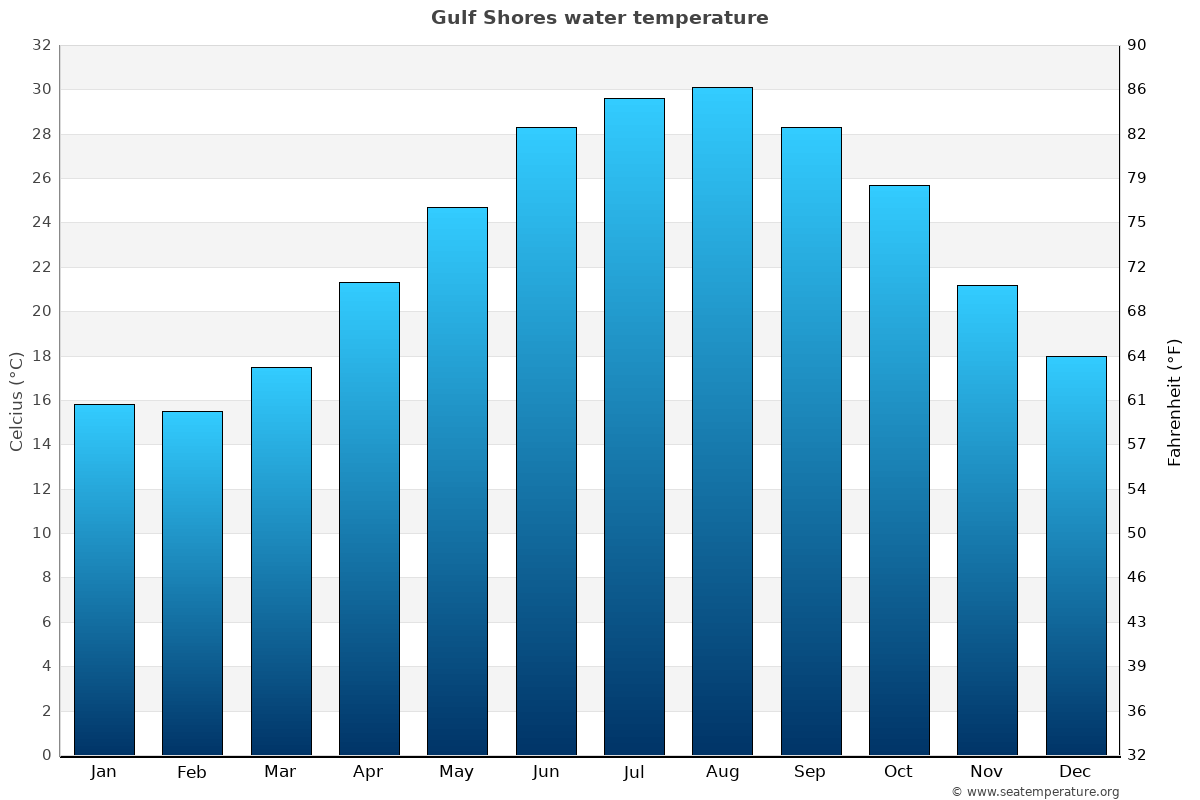
- Water Temperature: The Gulf of Mexico begins to warm significantly, moving from the mid-60s°F (18-20°C) in March to the mid-70s°F (24-25°C) by May, becoming inviting for swimming and water sports.
This period is ideal for those seeking comfortable weather without the intense heat or the largest crowds of summer.
Summer: The Sun-Soaked Zenith (June – August)
Summer is the undisputed peak season in Gulf Shores, attracting families and sun-seekers eager to bask in the intense sunshine and warm waters.
- Temperatures: Daily high temperatures consistently soar into the upper 80s°F to low 90s°F (31-34°C). Overnight lows typically remain in the mid-70s°F (24-25°C), offering little respite from the warmth.
- Humidity: High humidity is a defining characteristic of Gulf Shores summers, often making the “feels like” temperature several degrees higher than the actual reading. This can be invigorating for some, but draining for others.
- Water Temperature: The Gulf of Mexico reaches its warmest, often hovering in the upper 80s°F (30-31°C), perfect for swimming, snorkeling, and other aquatic adventures.
While the heat is undeniable, it is precisely what many travelers come for, creating the quintessential beach vacation experience.
Fall: A Milder, Enchanting Retreat (September – November)
As the intense summer heat begins to subside, Gulf Shores transitions into a beautiful autumn, often considered by many locals and seasoned travelers to be the absolute best time to visit.
- Temperatures: September still boasts warm temperatures in the mid-80s°F (29-30°C), but by October, highs drop into the comfortable mid-70s°F (24-25°C). November sees temperatures settle into the mid-60s°F (18-20°C). Nighttime lows cool down significantly, ranging from the 60s°F (15-20°C) in early fall to the 40s-50s°F (4-10°C) by late November.
- Humidity: Fall brings a noticeable decrease in humidity, leading to crisper air and more enjoyable outdoor conditions.
- Water Temperature: The Gulf waters remain warm enough for swimming through September and often into October, gradually cooling into the low 70s°F (21-22°C) by November.
This season offers a perfect blend of pleasant weather, fewer crowds, and still-warm waters.
Winter: The Mild Coastal Escape (December – February)
Winter in Gulf Shores provides a welcome escape from colder climates, with mild temperatures that allow for continued outdoor enjoyment, albeit with a different focus.
- Temperatures: Daily highs typically range from the low to mid-60s°F (15-20°C), occasionally dipping into the 50s°F (10-15°C) during colder fronts. Overnight lows can fall into the 30s-40s°F (0-10°C), particularly in January, requiring warmer layers. Frost is rare but possible.
- Humidity: Winter typically features the lowest humidity levels of the year, contributing to clear, crisp days.
- Water Temperature: The Gulf waters are at their coldest during winter, generally in the 50s°F (10-15°C), making swimming less appealing for most, though brave souls might still enjoy a quick dip.
This season is ideal for those seeking tranquility, nature walks, and a respite from harsh winter weather without the expectation of swimming.
Tailoring Your Travel Plans: Best Times to Visit
Understanding the temperature trends in Gulf Shores directly informs the optimal time for your visit, depending on your preferred activities and tolerance for heat or crowds.
For Beach & Water Enthusiasts: Summer’s Embrace
If your primary goal is to fully immerse yourself in the beach experience—swimming, sunbathing, paddleboarding, or jet-skiing—then the summer months (June to August) are your prime window. The consistently high air and water temperatures create the quintessential warm-weather vacation. Be prepared for intense sun, high humidity, and larger crowds, and ensure you stay hydrated and use ample sun protection. Mornings and late afternoons offer slightly cooler temperatures for active pursuits, reserving midday for cooling off in the Gulf or under an umbrella.

For Balanced Comfort and Exploration: Spring & Fall’s Charm
Travelers seeking a blend of comfortable temperatures, fewer crowds, and still-inviting waters will find spring (April-May) and fall (September-October) to be the sweet spots. These periods offer excellent conditions for exploring beyond the beach. Think long walks along the shore, cycling on the scenic trails of Gulf State Park, fishing excursions, or enjoying outdoor dining without feeling overwhelmed by heat or humidity. The shoulder seasons provide a more relaxed pace and often more competitive rates on accommodations.
For Tranquil Getaways & Nature Lovers: Winter’s Mildness
For those looking for a peaceful escape, a focus on nature, or a break from frigid northern winters, the mild temperatures of winter (December-February) are ideal. While swimming might be off the table for many, the cooler, crisp air is perfect for birdwatching, exploring the Bon Secour National Wildlife Refuge, playing golf, or enjoying the many local festivals and events that cater to a more relaxed pace. This is also an excellent time to experience the local culinary scene without the long waits.
Packing and Preparing for Gulf Shores Temperatures
The varied temperatures mean that your packing list for Gulf Shores will differ significantly based on the season. Smart preparation ensures comfort and allows you to fully engage in all the destination offers.
Warm Weather Essentials (Spring, Summer, Early Fall)
For visits during warmer months, prioritize light, breathable fabrics.
- Clothing: Swimsuits, shorts, t-shirts, sundresses, and light cover-ups are essential. A wide-brimmed hat and sunglasses are crucial for sun protection.
- Footwear: Sandals, flip-flops, and comfortable walking shoes for boardwalk strolls.
- Accessories: High SPF sunscreen, insect repellent (especially for evenings), and a reusable water bottle to stay hydrated. A light jacket or long-sleeved shirt might be useful for cooler evenings in spring or early fall, or for air-conditioned indoor spaces.
Cooler Weather Comforts (Late Fall, Winter)
When traveling during the cooler parts of the year, layering is key to adapting to fluctuating daily temperatures.
- Clothing: Long-sleeved shirts, sweaters, light to medium weight jackets, and jeans or long pants. For cooler mornings or evenings, a warmer coat or fleece might be necessary.
- Footwear: Closed-toe shoes, walking boots, and perhaps waterproof footwear if rain is in the forecast.
- Accessories: Scarves, light gloves, and perhaps a warm hat if you plan on spending extended time outdoors during the chilliest periods. Sunscreen is still important, even on cooler, overcast days.
Regardless of the season, checking the detailed forecast closer to your travel dates is always recommended. Gulf Shores’ weather can sometimes be unpredictable, especially during transition periods, and being prepared for a sudden shower or an unseasonably warm or cool day will enhance your travel experience.
Beyond the Thermometer: Other Weather Considerations
While temperature is a primary concern, other climatic factors can influence your Gulf Shores trip, particularly rainfall and the hurricane season.
Rainfall Patterns
Gulf Shores receives a fair amount of rainfall throughout the year. Summers tend to have frequent, short-lived afternoon thunderstorms, which can provide a welcome, albeit temporary, cool-down. Fall and winter generally see more prolonged, gentler rains, while spring can be a mix. It’s always wise to pack a light rain jacket or umbrella, especially during the summer and fall months. These showers rarely derail an entire day of activities, often passing quickly to reveal clear skies.
Hurricane Season
The Atlantic hurricane season officially runs from June 1st to November 30th, with the peak activity typically occurring from August through October. While direct hits are infrequent, travelers planning trips during this period should remain aware of weather advisories and consider travel insurance. Local authorities in Gulf Shores and Orange Beach are highly proactive in monitoring and communicating potential threats, ensuring visitor safety is paramount. Rest assured, robust evacuation plans are in place should they become necessary.
In conclusion, the temperature in Gulf Shores, Alabama, is a dynamic element that shapes the character of each season. By understanding these thermal rhythms, travelers can strategically plan their visit, pack appropriately, and ultimately curate a journey that aligns perfectly with their desires, ensuring an enriching and comfortable experience on this beautiful stretch of the Emerald Coast.
LifeOutOfTheBox is a participant in the Amazon Services LLC Associates Program, an affiliate advertising program designed to provide a means for sites to earn advertising fees by advertising and linking to Amazon.com. Amazon, the Amazon logo, AmazonSupply, and the AmazonSupply logo are trademarks of Amazon.com, Inc. or its affiliates. As an Amazon Associate we earn affiliate commissions from qualifying purchases.