
Understanding the Alabama Property Tax Cycle for Lifestyle Planning
For those considering a move, investing in a second home, or simply managing existing property within the picturesque state of Alabama, understanding the local property tax cycle is a cornerstone of responsible financial planning and a stress-free lifestyle. Property taxes, while a fundamental civic duty, can significantly impact one’s budget and long-term financial health. Alabama, known for its diverse landscapes from the Gulf Coast beaches to the Appalachian foothills, offers an attractive setting for various lifestyles, from serene retirement to bustling family life. However, navigating the specific deadlines and regulations surrounding property taxes is crucial for anyone looking to embrace the Alabama way of life without unexpected financial hurdles.
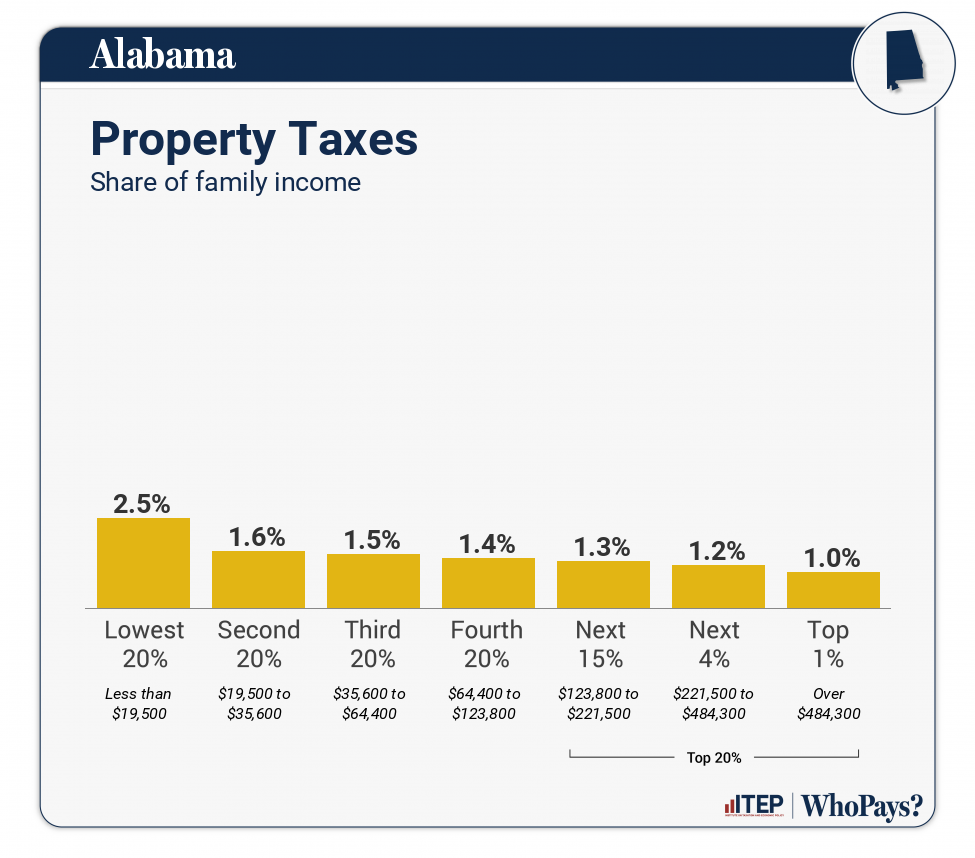
Unlike some states where property taxes are paid in advance, Alabama property taxes are paid in arrears, meaning you pay for the previous year’s taxes. This distinction is vital for new property owners or those relocating from areas with different systems. The fiscal year for property taxes typically aligns with the calendar year, but the assessment and payment periods follow a distinct timeline. A clear grasp of these dates allows homeowners to budget effectively, avoid penalties, and maintain peace of mind, contributing significantly to a harmonious lifestyle in the Yellowhammer State.
Key Dates for Property Owners
The property tax process in Alabama kicks off well before the payment due date. Here are the critical annual milestones every property owner should mark on their calendar:
- October 1st: This is the beginning of the tax year for which property is assessed. For example, property taxes due in late 2024 will be based on the assessment as of October 1, 2023. This date is crucial because it determines the ownership and condition of the property for tax purposes. If you purchase a home after October 1st, understanding how taxes are prorated at closing is essential.
- January 1st (of the following year): Property taxes officially become due on January 1st of the year after the assessment period. So, for the property assessed on October 1, 2023, the taxes become due on January 1st, 2024. This is not the delinquency date but rather the earliest date payments can be made without penalty.
- December 31st (of the year taxes became due): This is arguably the most critical date for Alabama property owners. All property taxes for the preceding tax year must be paid by December 31st to avoid penalties and interest. If December 31st falls on a weekend or holiday, the deadline typically extends to the next business day. For example, taxes due on January 1st, 2024, must be paid by December 31st, 2024.
Understanding these foundational dates ensures that property owners can proactively manage their finances, whether they reside in bustling Birmingham, historic Montgomery, or the scenic Dauphin Island.
The Assessment Process and Your Lifestyle
Beyond just knowing when to pay, understanding how your property’s value is assessed profoundly impacts your overall tax burden and, by extension, your lifestyle choices. In Alabama, the county tax assessor’s office is responsible for appraising the value of real property. This appraised value is then multiplied by an assessment rate to determine the assessed value, which property taxes are calculated upon. Different types of property have different assessment rates:
- Class I (Utility Property): 30%
- Class II (Residential, Agricultural, and Historic Property): 10%
- Class III (Commercial and All Other Property): 20%
For homeowners, the Class II rate of 10% is most relevant. This relatively low assessment rate, combined with comparatively lower property tax rates (millage rates) set by local jurisdictions, contributes to Alabama’s reputation for having some of the lowest property taxes in the nation. This financial advantage can significantly enhance a lifestyle focused on affordability, allowing for more disposable income for leisure, savings, or investment in local experiences. Regularly reviewing your property assessment is a crucial step in ensuring accuracy and fairness, and disputes can be appealed through the local board of equalization. Staying informed about your property’s value empowers you to make wise financial decisions for your Alabama lifestyle.
Navigating Payment Deadlines and Penalties for a Smooth Lifestyle
Missing a property tax deadline can lead to unnecessary stress and financial penalties, disrupting the tranquil lifestyle many seek in Alabama. Proactive engagement with tax payment responsibilities is not just about compliance; it’s about maintaining financial harmony and avoiding complications that can escalate over time. Each county in Alabama has a Tax Collector’s office responsible for collecting these payments, and while the state-mandated deadlines are uniform, individual county offices often provide various payment options to facilitate a seamless process for homeowners.
Official Due Dates and Grace Periods
As previously highlighted, Alabama property taxes are due on January 1st following the assessment year and become delinquent if not paid by December 31st of the same year. This twelve-month window for payment provides ample opportunity for homeowners to plan and execute their tax obligations. While there isn’t a formal “grace period” in the sense that penalties are waived for a short time after December 31st, the lengthy payment window serves a similar purpose, allowing flexibility for homeowners to manage their finances throughout the year.
Many county tax collector offices offer convenient payment methods, including:
- Online payments: Most counties now provide portals to pay taxes securely online, often with a small convenience fee. This method is ideal for those with busy lifestyles who prioritize efficiency.
- Mail: Traditional mail-in payments are still widely accepted. It’s crucial to ensure your payment is postmarked by December 31st.
- In-person: Visiting the county tax collector’s office allows for direct payment and the opportunity to ask questions. This can be particularly helpful for new residents or those seeking personalized assistance.
- Payment plans: Some counties may offer installment plans or allow partial payments, though these arrangements should be confirmed directly with your local tax collector.
Adhering to the December 31st deadline is paramount for a worry-free property ownership experience in Alabama, ensuring that one’s lifestyle is not burdened by avoidable financial setbacks.
Consequences of Late Payments
The state of Alabama imposes strict penalties for delinquent property taxes. These consequences are designed to encourage timely payment and contribute to the funding of local services that enhance the quality of life for all residents.
- Penalties and Interest: If taxes are not paid by December 31st, a penalty of 1% per month (or fraction thereof) is immediately added to the unpaid balance, along with 1% interest per month. These charges accrue from January 1st of the year they were due. For example, if taxes due on January 1st, 2024, are unpaid by December 31st, 2024, they become delinquent on January 1st, 2025, and penalty and interest begin to accrue.
- Tax Lien Sale: If taxes remain unpaid, the county tax collector is required by law to sell a tax lien on the property. This sale typically occurs in the spring, usually in April or May, following the delinquency. A tax lien sale transfers the right to collect delinquent taxes, penalties, and interest to an investor.
- Redemption Period: After a tax lien sale, the property owner usually has a three-year redemption period to pay off the delinquent taxes, penalties, interest, and any associated fees to the tax lien purchaser. If the property is not redeemed within this timeframe, the tax lien purchaser can petition the court for a tax deed, which could result in the loss of the property.

These serious ramifications underscore the importance of integrating property tax payments into your annual financial calendar. A well-organized lifestyle in Alabama means proactively managing these obligations, whether you reside in Huntsville, Mobile, or any of the state’s charming communities.
Exemptions and Relief Programs: Enhancing Your Alabama Lifestyle
Alabama’s commitment to supporting its residents and encouraging property ownership is reflected in its various exemption and relief programs. These initiatives can significantly reduce a homeowner’s property tax burden, directly contributing to a more comfortable and affordable lifestyle. Understanding and utilizing these benefits is a smart financial move for eligible property owners across the state, from Florence to Dothan.
Homestead Exemption Benefits
The most widely utilized property tax relief program in Alabama is the Homestead Exemption. This exemption is available to property owners who occupy their home as their primary residence. It reduces the assessed value of the property for tax calculation purposes, thereby lowering the overall tax bill.
- Standard Homestead Exemption (H1): This exemption applies to state, county, and school taxes. It generally provides an exemption on the first $4,000 of assessed value for state taxes and the first $2,000 of assessed value for county and school taxes. To qualify, the property owner must own and occupy the home on October 1st of the tax year for which they are claiming the exemption. Application is typically made at the county tax assessor’s office.
- Homestead Exemption for Seniors (H2, H3, H4): Alabama offers additional homestead exemptions for senior citizens, further enhancing the appeal of retirement lifestyles within the state.
- H2 Exemption: For homeowners 65 years or older with an adjusted gross income (AGI) of $12,000 or less, this exemption provides relief from all state, county, and school ad valorem taxes.
- H3 Exemption: Available to homeowners 65 years or older with an AGI of more than $12,000, this exemption provides a full exemption from state taxes and a portion of county taxes, depending on local regulations.
- H4 Exemption: Specifically for homeowners 65 years or older, regardless of income, residing in counties that have adopted Act 99-424, this exemption typically provides relief from all property taxes on their primary residence.
These exemptions are not automatically applied; homeowners must file an application with their county tax assessor. It is advisable to reconfirm eligibility and apply for these exemptions promptly after purchasing a home or qualifying for senior status. Taking advantage of these programs is a critical component of maximizing one’s financial resources and enjoying a more secure lifestyle in Alabama.
Special Exemptions for Seniors and Veterans
Beyond the standard homestead options, Alabama extends specific property tax relief to certain groups, recognizing their contributions and needs.
- Exemptions for Disabled Persons: Property owners who are permanently and totally disabled may qualify for exemptions similar to those offered to seniors, often based on income thresholds. Proof of disability from a qualified authority is required.
- Exemptions for Blind Persons: Individuals certified as legally blind are also eligible for special homestead exemptions, reducing their property tax burden.
- Exemptions for Veterans: Honorably discharged veterans who are permanently and totally disabled as a result of service (as certified by the U.S. Department of Veterans Affairs) may be exempt from all property taxes on their homestead. This is a significant benefit for veterans choosing to live out their lives in Alabama, fostering a lifestyle of appreciation and support. The veteran’s unremarried surviving spouse may also qualify for this exemption.
These special provisions highlight Alabama’s supportive environment for specific populations. Property owners in areas like Auburn, Tuscaloosa, or Gadsden should contact their local tax assessor or the Alabama Department of Revenue for detailed information on eligibility and application procedures. Leveraging these exemptions can free up significant financial resources, allowing for a richer, more comfortable lifestyle whether in retirement, managing a disability, or after military service.
Strategic Financial Planning for Your Alabama Property Lifestyle
Owning property in Alabama is often a key component of a desired lifestyle, be it for quiet retirement, vibrant family living, or strategic investment. To ensure this aspect of your life remains a source of comfort rather than stress, strategic financial planning around property taxes is indispensable. Proactive management of these obligations allows you to fully enjoy the natural beauty, cultural richness, and community spirit that Alabama offers, from the historic streets of Selma to the Gulf Shores of Orange Beach.
Budgeting for Annual Property Taxes
Effective budgeting is the cornerstone of managing property taxes without strain. Since Alabama taxes are paid in arrears and have a consistent December 31st deadline, integrating this expense into your annual financial plan is straightforward.
- Monthly Savings Strategy: Instead of facing a large lump sum payment at the end of the year, consider setting aside a portion of your property tax bill each month. Divide your estimated annual tax amount by 12 and transfer that sum to a dedicated savings account. This “tax escrow” approach ensures funds are readily available when the payment is due, preventing last-minute financial pressure.
- Escrow Accounts: If you have a mortgage, your lender likely manages an escrow account for property taxes and insurance. This means a portion of your monthly mortgage payment goes into this account, and the lender pays the property taxes on your behalf. While convenient, it’s still wise to monitor your escrow account statements annually to ensure proper funds are being collected and disbursed. If your property value or millage rates change, your escrow payment may need adjustment.
- Annual Review: Each year, review your property tax assessment and the previous year’s tax bill. This helps you anticipate any increases or decreases and adjust your budget accordingly. Pay attention to local news regarding proposed millage rate changes, which can impact your taxes.
By implementing these budgeting strategies, you transform property tax payments from a potential financial burden into a manageable and predictable part of your Alabama lifestyle.

Resources and Assistance for Property Tax Management
Navigating property tax regulations can sometimes be complex, but numerous resources are available to assist Alabama property owners. Utilizing these can provide clarity, ensure compliance, and help you take advantage of all available benefits.
- County Tax Assessor and Tax Collector Offices: These local government offices are your primary points of contact.
- The Tax Assessor’s office handles property valuation, assessments, and homestead exemption applications. They can answer questions about your property’s value and eligibility for exemptions.
- The Tax Collector’s office is responsible for billing and collecting property taxes. They can provide information on due dates, payment methods, and current amounts owed. Each county, such as Jefferson County, Baldwin County, or Madison County, will have its own dedicated offices.
- Alabama Department of Revenue: The state’s revenue department provides overarching guidance and regulations for property taxation. Their website offers general information, forms, and publications that can be highly informative.
- Professional Advice: For complex situations, such as estate planning, large property investments, or unique financial circumstances, consulting with a local tax advisor, real estate attorney, or financial planner can be invaluable. These professionals can provide tailored advice to optimize your property tax strategy within your broader financial and lifestyle goals.
- Online Resources: Many county websites offer property tax search portals where you can view your current tax bill, payment history, and assessment information. These digital tools are convenient for quick access to information.
By leveraging these resources, property owners in Alabama can approach their tax responsibilities with confidence and clarity. This proactive and informed approach ensures that property ownership remains a positive and enriching element of their chosen lifestyle, allowing them to fully appreciate all that the diverse and welcoming state of Alabama has to offer.
LifeOutOfTheBox is a participant in the Amazon Services LLC Associates Program, an affiliate advertising program designed to provide a means for sites to earn advertising fees by advertising and linking to Amazon.com. Amazon, the Amazon logo, AmazonSupply, and the AmazonSupply logo are trademarks of Amazon.com, Inc. or its affiliates. As an Amazon Associate we earn affiliate commissions from qualifying purchases.