
Duck season in Alabama is more than just a date on the calendar; it’s a deeply ingrained tradition, a significant economic driver for rural communities, and a captivating draw for outdoor enthusiasts. For those looking to experience the rich tapestry of Alabama’s natural heritage and its vibrant hunting culture, understanding the nuances of waterfowl season is essential. This guide delves into the details, helping visitors and prospective hunters plan an immersive tourism experience centered around the state’s renowned duck hunting.
Understanding Alabama’s Waterfowl Hunting Seasons
The timing of duck season in Alabama is meticulously planned each year, influenced by federal guidelines, migratory patterns, and state-specific conservation goals. Unlike a single, continuous period, the season is typically segmented, offering various opportunities throughout the late fall and winter months.
Key Dates and Zones
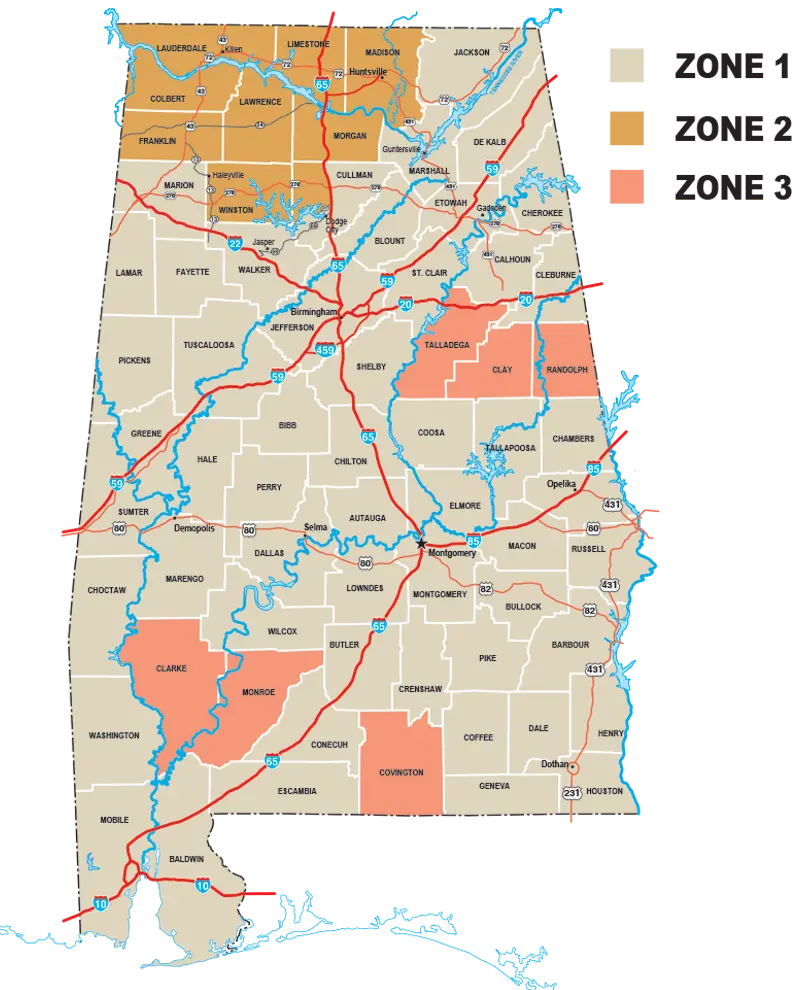
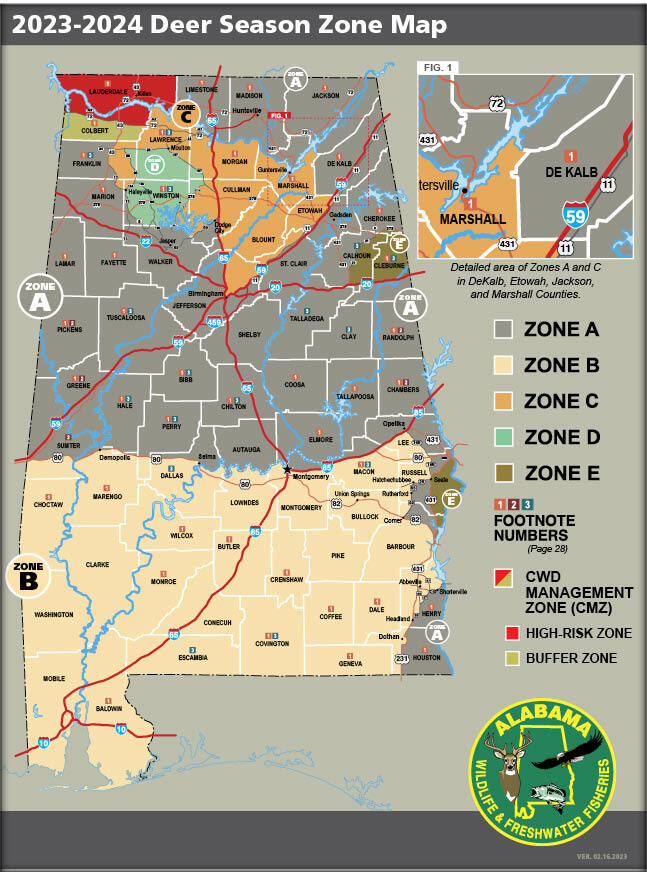
The specific dates for Alabama’s duck season are determined annually by the Alabama Department of Conservation and Natural Resources (ADCNR). These dates usually span from late November through January, often broken into two or three distinct segments with short closures in between. This segmentation allows for periods of rest for the waterfowl and provides hunters with diverse conditions throughout the migration.
Alabama is generally considered a single zone for duck hunting, simplifying regulations compared to states with multiple zones. However, hunters should always consult the official ADCNR regulations booklet or website well in advance of their trip, as dates can shift slightly year to year. Knowing these precise dates is the first and most critical step in planning any duck hunting-focused tourism venture. The state’s diverse geography, from the northern Appalachian foothills to the extensive river systems and coastal marshes, means that hunting conditions and bird concentrations can vary significantly even within a single season.
Species Targeted
Alabama’s position along the Mississippi Flyway makes it a critical wintering ground for a variety of duck species. Hunters and birdwatchers alike can anticipate encounters with:
- Mallards: The iconic green-headed drakes are a prized quarry.
- Wood Ducks: Known for their striking plumage and preference for flooded timber.
- Gadwalls and Wigeons: Common dabbling ducks found in various wetland habitats.
- Green-winged and Blue-winged Teal: Swift flyers, often appearing earlier in the season.
- Pintails and Shovelers: Distinctive ducks frequently seen in larger bodies of water.
- Diving Ducks: Species like Ring-necked Ducks, Scaup, and Canvasbacks are also present, particularly in larger lakes and coastal bays.
Understanding the prevalent species helps hunters tailor their decoys and calling techniques, enhancing the overall experience. For general tourists, identifying these birds in their natural habitats adds another layer of appreciation for Alabama’s biodiversity.
Licenses and Regulations
For any visitor planning to hunt ducks in Alabama, strict adherence to licensing and regulations is paramount. This not only ensures a legal hunt but also contributes directly to conservation efforts. Key requirements include:
- Alabama Hunting License: All hunters, resident or non-resident, must possess a valid Alabama Hunting License. Non-resident licenses are available for various durations.
- Federal Duck Stamp: This annual stamp, purchased from the U.S. Post Office or authorized retailers, is required for all migratory waterfowl hunters aged 16 and older. Revenue from these stamps directly funds wetland conservation.
- Alabama Migratory Bird Stamp: A state-specific stamp that further supports waterfowl management within Alabama.
- HIP Registration (Harvest Information Program): Required annually, this free registration helps wildlife agencies collect data on migratory bird harvests.
Beyond licenses, hunters must be aware of daily bag limits (the maximum number of ducks one can legally harvest), possession limits, and shooting hours (typically from one-half hour before sunrise until sunset). Only non-toxic shot (e.g., steel, bismuth, tungsten) is permitted for waterfowl hunting. Violations can result in significant fines and loss of hunting privileges, so thorough review of the current year’s ADCNR regulations is non-negotiable.
Planning Your Alabama Duck Hunting Excursion
Embarking on a duck hunting trip to Alabama requires careful planning, especially for out-of-state visitors. From selecting the right location to ensuring you have the necessary gear and logistics in place, thoughtful preparation will significantly enhance the overall tourism experience.
Choosing Your Hunting Grounds
Alabama offers a diverse range of hunting environments, each with its unique challenges and rewards.
Public Lands
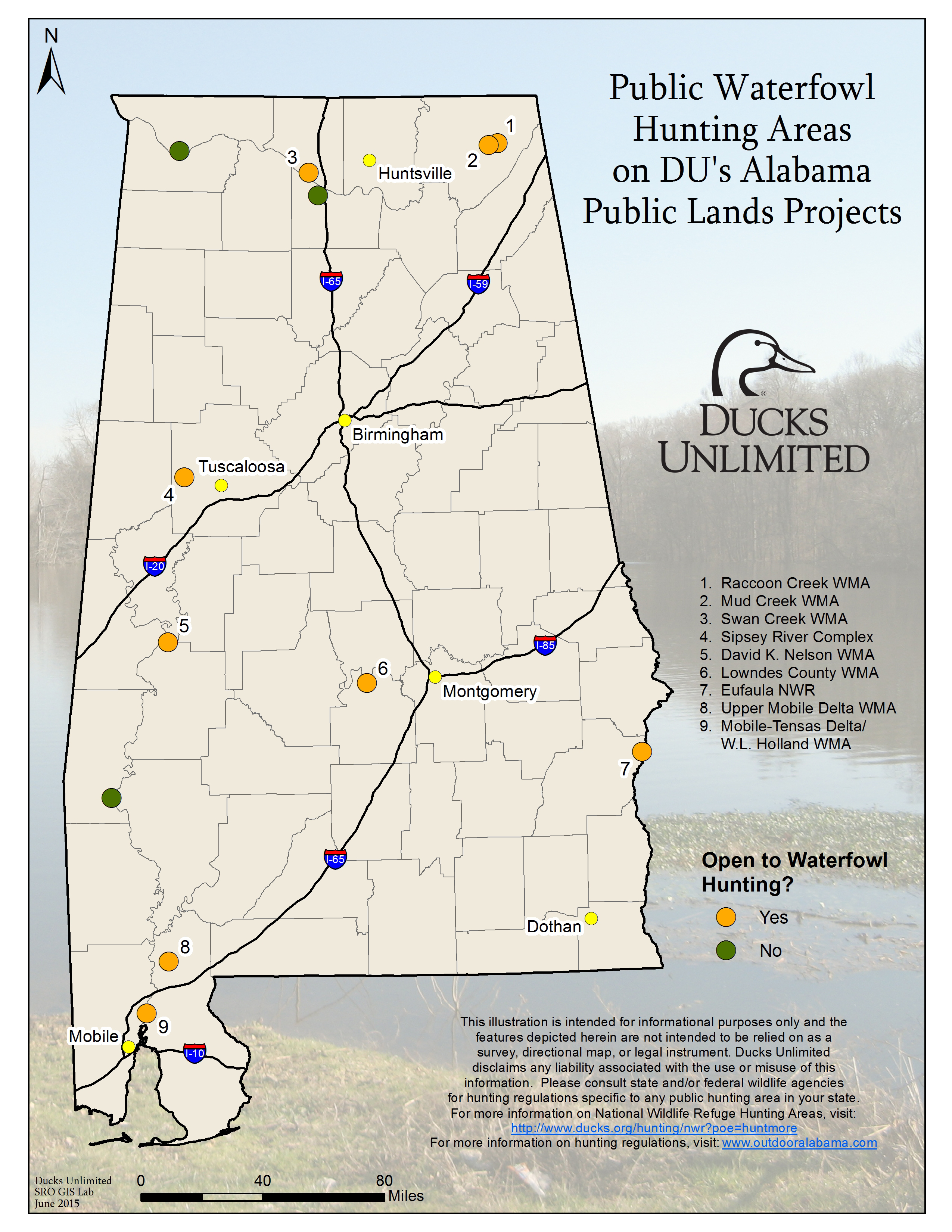
For the independent hunter, Alabama’s extensive public lands provide accessible opportunities. The ADCNR manages numerous Wildlife Management Areas (WMAs) and other public access areas known for waterfowl. Popular options include:
- Jackson County WMA and Limestone County WMA (North Alabama): These areas in the Tennessee Valley often feature flooded agricultural fields, riverine habitats, and lakes that attract significant numbers of migrating ducks. Some public areas may require a permit drawn through a lottery system for specific dates, particularly for popular waterfowl impoundments, so early application is crucial.
- Mobile-Tensaw Delta (South Alabama): This vast, complex wetland system near Mobile is one of the largest river deltas in the United States and offers exceptional hunting. Access is often by boat, and navigating the intricate waterways requires local knowledge or a good GPS.
- State Waterfowl Refuges and Public Hunting Areas: Other smaller areas across the state provide varying degrees of access and hunting quality. Always check specific WMA regulations, as they can differ from statewide rules.
Public land hunting requires self-sufficiency and often involves scouting and competitive access, making it a more rugged and adventurous tourism option.
Private Land and Guided Hunts
For visitors seeking a more curated and often more successful experience, booking with a professional outfitter or guide service is highly recommended. Alabama boasts many reputable guides, particularly in prime waterfowl regions. These services offer:
- Access to Prime Private Land: Guides often have exclusive access to well-managed private properties, including flooded timber, impoundments, and agricultural fields specifically managed for ducks, which typically hold higher concentrations of birds and offer more consistent hunting.
- Expertise and Equipment: Guides provide crucial local knowledge, understand bird movements, and supply necessary equipment like blinds, decoys, and even boats. This is invaluable for out-of-state hunters who may not have their own specialized gear or extensive local experience.
- Hassle-Free Logistics: Many guided hunts include meals, lodging, and even game processing, transforming the hunting trip into a comprehensive, luxury outdoor experience. This takes the stress out of planning and allows visitors to fully immerse themselves in the hunt.
While generally more expensive, guided hunts offer a higher likelihood of success and a significantly more comfortable and educational experience, making them a popular choice for hunting tourism.
Essential Gear and Preparations
Proper gear is non-negotiable for a successful and safe duck hunt in Alabama’s often chilly and wet winter conditions.
- Clothing: Layered, waterproof, and warm camouflage clothing is essential. Waders (chest waders are often preferred) are critical for navigating flooded environments. Warm gloves, hats, and waterproof boots are also necessities.
- Firearms and Ammunition: A 12-gauge or 20-gauge shotgun is standard. Crucially, only non-toxic shot (e.g., steel, bismuth, or tungsten-alloy) is legal for waterfowl. Bring an ample supply, as re-stocking in rural areas might be challenging.
- Decoys, Calls, and Blinds: If hunting independently, a spread of realistic decoys (Mallards, Pintails, Wood Ducks), effective duck calls, and a comfortable, concealed blind (or material to build one) are vital. Guided trips typically provide these.
- Safety Equipment: Life jackets (especially when hunting from boats), first-aid kits, navigation tools (GPS/maps), and communication devices are crucial. Hunters must adhere to all firearm safety rules.
- Other Essentials: Thermos with hot beverages, snacks, headlamp, binoculars, and a dog (if bringing one, ensure proper training and local regulations are followed).
Accommodation and Logistics
When planning your trip, consider lodging options convenient to your chosen hunting area.
- Cabins and Lodges: Many hunting outfitters offer on-site lodging, ranging from rustic cabins to luxurious lodges, providing a seamless hunting experience.
- Local Hotels and Motels: Nearby towns often have standard hotel options. For example, if hunting the Mobile-Tensaw Delta, staying in Mobile offers more amenities, while smaller towns like Spanish Fort might be closer to certain launch points. If hunting in North Alabama near the Tennessee Valley, towns like Scottsboro or Guntersville offer good bases.
- Vacation Rentals: Platforms like Airbnb or VRBO can offer unique accommodations, from farmhouses to lakeside cabins, providing more space and privacy, particularly for groups.
- Transportation: A reliable vehicle, preferably with 4×4 capabilities for accessing remote areas, is highly recommended. Boat ramps are plentiful in water-rich areas.
Booking accommodation and guide services well in advance, especially for peak season dates, is crucial, as popular options fill up quickly.
Beyond the Blind: Experiencing Alabama’s Outdoor Culture
Duck season in Alabama is not just about the hunt; it’s an invitation to experience the state’s rich outdoor culture, warm Southern hospitality, and diverse natural beauty. Integrating other activities into your hunting trip transforms it into a holistic tourism adventure.
The Local Community and Hospitality
Hunting is deeply woven into the fabric of many Alabama communities. Visitors will find a welcoming atmosphere where conversations about weather, migration, and hunting stories are common. Rural towns often thrive during hunting season, with local diners, general stores, and tackle shops serving as hubs for information and camaraderie. Engaging with locals provides authentic insights into the state’s traditions and way of life. Many families have generations-long connections to hunting, and sharing this passion can create memorable interactions. Look for opportunities to enjoy local festivals or community events that might coincide with your visit, offering a deeper dive into Alabama’s distinctive charm.
Exploring Nearby Attractions
While ducks are the primary draw, Alabama’s geographical diversity means there’s always something else to explore, often just a short drive from prime hunting spots.
Nature and Wildlife
Even non-hunters in the group or during off-hunting hours can revel in Alabama’s natural splendor.
- Birdwatching and Photography: The same wetlands and forests that attract ducks are also havens for myriad other bird species and wildlife. Alabama’s state parks and wildlife refuges offer excellent opportunities for birdwatching and nature photography. The Mobile-Tensaw Delta is a biodiversity hotspot, teeming with alligators, bald eagles, and diverse wading birds.
- Hiking and Canoeing: Many state parks, like Lake Guntersville State Park in North Alabama or Meaher State Park near the Mobile-Tensaw Delta, offer scenic hiking trails and canoeing or kayaking opportunities, providing a different perspective on the winter landscape.
Historical Sites
Alabama is steeped in history. Depending on your hunting location, you might find significant historical sites nearby.
- Mobile’s Historic District: If hunting the Delta, explore Mobile’s rich history, from its French colonial past to its vibrant Mardi Gras traditions.
- North Alabama Attractions: Near the Tennessee Valley, visitors can explore the U.S. Space & Rocket Center in Huntsville, offering a contrast to the rugged outdoors experience.
- Civil Rights Trail Sites: Alabama is central to the American Civil Rights Movement. Significant sites in Montgomery, Selma, and Birmingham can be visited, offering a powerful cultural and educational experience.
Culinary Experiences
A trip to Alabama is incomplete without savoring its renowned Southern cuisine.
- Wild Game: If successful, preparing and enjoying your harvested ducks can be the ultimate culinary experience, a true farm-to-table (or marsh-to-table) meal. Many local restaurants might even prepare your cleaned game for a fee.
- Local Delicacies: Indulge in classic Alabama BBQ, fresh Gulf seafood (especially near the coast), and traditional Southern comfort food. Local diners in small towns often serve up authentic regional dishes that reflect the state’s culinary heritage.
- Craft Breweries and Distilleries: Alabama’s craft beverage scene has grown, with numerous breweries and a few distilleries offering tours and tastings, providing a relaxing way to unwind after a day in the field.
Responsible Tourism and Conservation
Engaging in duck hunting in Alabama comes with a responsibility to uphold ethical practices and contribute to the ongoing conservation of waterfowl populations and their habitats. This commitment is central to sustainable tourism in the outdoor recreation sector.
Ethical Hunting Practices
For visitors to Alabama, understanding and adhering to ethical hunting standards is paramount. This includes:
- Fair Chase: Hunters should always practice fair chase, meaning they do not take unfair advantage of any animal. This involves respecting bag limits, shooting hours, and avoiding unethical practices like ‘sky-busting’ (shooting at ducks out of range).
- Respect for Property: Whether hunting on public or private land, respecting boundaries, property, and signage is crucial. This helps maintain good relationships with landowners and ensures future access for all.
- Safety First: Adhering to all firearm safety rules – treating every gun as if it’s loaded, keeping the muzzle in a safe direction, being sure of your target and what’s beyond it, and keeping your finger off the trigger until ready to shoot – is non-negotiable. This protects hunters and others in the field.
- Game Recovery: Making every effort to retrieve downed birds is a sign of respect for the game and minimizes waste.
These practices not only ensure a legal and enjoyable hunt but also contribute to the positive image of hunters as responsible outdoor enthusiasts.
Contribution to Conservation
One of the most profound aspects of waterfowl hunting tourism in Alabama is its direct and substantial contribution to conservation.
- Funding Mechanism: The purchase of hunting licenses, state stamps (like the Alabama Migratory Bird Stamp), and the Federal Duck Stamp) generates millions of dollars annually. This revenue is specifically earmarked for wetland acquisition, restoration, and management, benefiting not only ducks but countless other wildlife species.
- Habitat Preservation: Hunters are often at the forefront of advocating for habitat preservation, understanding that healthy ecosystems are essential for sustainable waterfowl populations. Many volunteer their time and resources to habitat improvement projects.
- Data Collection: HIP Registration and hunter harvest surveys provide critical data to wildlife biologists, helping them monitor waterfowl populations, understand migration patterns, and set sustainable hunting regulations. This science-based management ensures that duck populations remain healthy for future generations.
By participating in duck season, visitors become direct contributors to the ongoing conservation success story in Alabama and across North America.
Environmental Stewardship
Beyond direct contributions, responsible tourism during duck season involves broader environmental stewardship.
- Leave No Trace: Practice the “Leave No Trace” principles by packing out all trash, spent shotgun shells, and any other waste. Leave the natural environment as you found it, or better.
- Minimize Impact: Be mindful of your presence in sensitive wetland environments. Avoid disturbing non-target wildlife, damaging vegetation unnecessarily, or causing erosion.
- Support Sustainable Businesses: Choose outfitters, guides, and local businesses that demonstrate a commitment to environmental sustainability and responsible practices. Your patronage supports those who are stewards of Alabama’s natural resources.
Duck season in Alabama offers a unique blend of outdoor adventure, cultural immersion, and direct engagement with conservation. By planning thoughtfully, respecting regulations, and embracing responsible practices, visitors can enjoy an incredibly rewarding and impactful tourism experience.
LifeOutOfTheBox is a participant in the Amazon Services LLC Associates Program, an affiliate advertising program designed to provide a means for sites to earn advertising fees by advertising and linking to Amazon.com. Amazon, the Amazon logo, AmazonSupply, and the AmazonSupply logo are trademarks of Amazon.com, Inc. or its affiliates. As an Amazon Associate we earn affiliate commissions from qualifying purchases.