
Alabama, often celebrated for its rich history, vibrant music scene, and delectable Southern cuisine, also boasts a thriving agricultural landscape that offers unique seasonal experiences for visitors and residents alike. Among these, the cultivation of pumpkins holds a special place, culminating in the festive traditions of autumn. For those looking to immerse themselves in Alabama’s local culture and agricultural rhythms, understanding the optimal time to plant pumpkins is key to appreciating the state’s fall harvest season. This guide delves into the specifics, offering insights for tourists and enthusiasts keen on experiencing the Cotton State’s pumpkin culture.
Understanding Alabama’s Climate for Pumpkin Cultivation
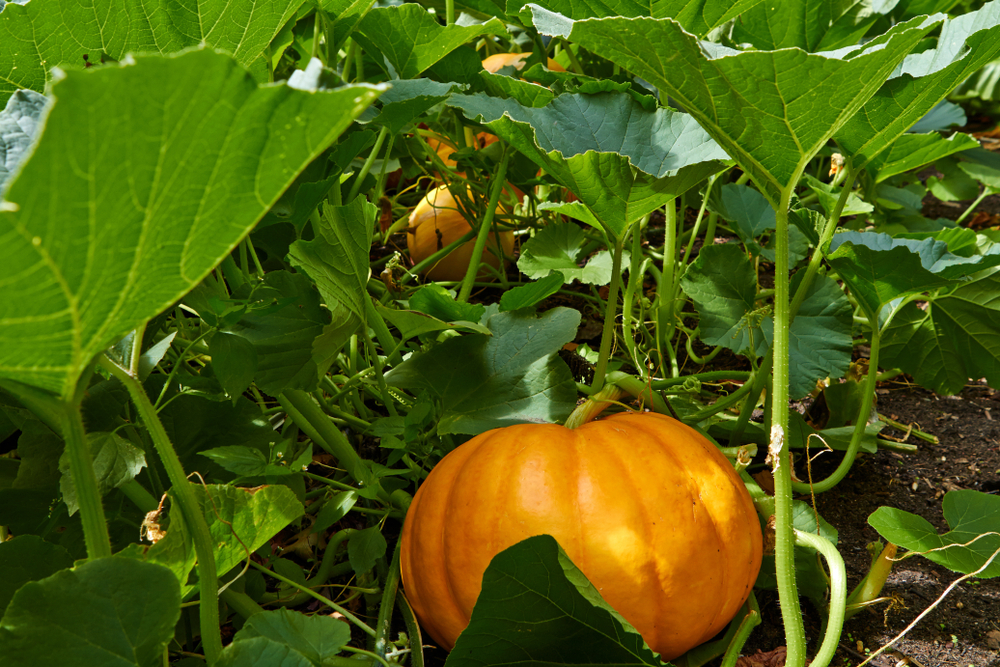
The diverse climate across Alabama plays a crucial role in determining the ideal planting windows for pumpkins. Spanning from the foothills of the Appalachian Mountains in the north to the sun-drenched Gulf Coast in the south, the state experiences distinct temperature zones and growing seasons. Pumpkins thrive in warm weather, requiring a long frost-free period and consistent sunlight. However, they are sensitive to extreme heat, particularly during pollination and fruit set, which can hinder growth and yield.
Regional Climate Variations and Their Impact
North Alabama, encompassing cities like Huntsville and extending towards the Tennessee border, generally experiences slightly cooler temperatures and a shorter growing season compared to the state’s central and southern regions. Here, the last spring frost typically occurs earlier, and the first fall frost arrives sooner. This requires a more precise planting schedule to ensure pumpkins mature before cold weather sets in.
In Central Alabama, including metropolitan areas such as Birmingham and Montgomery, the climate offers a more extended window. Summers are hot and humid, but the transitional periods of late spring and early fall provide ample warmth without the scorching intensity that can stress pumpkin plants. This region is particularly conducive to large-scale pumpkin farming and agritourism, with numerous farms leveraging the favorable conditions.
South Alabama, stretching down to the Mobile area and the Gulf Coast, has the longest growing season, characterized by mild winters and long, hot, humid summers. While the extended frost-free period might seem ideal, the intense summer heat and humidity present their own challenges, such as increased pest pressure and heat stress. Farmers in this region often adapt by choosing heat-tolerant varieties or timing their planting to avoid the peak of summer’s relentless heat.
Understanding these regional nuances is essential for anyone interested in participating in the local pumpkin-growing tradition, whether as a casual visitor to a farm or a dedicated enthusiast looking to cultivate their own patch. It informs the choice of varieties, irrigation strategies, and overall timing to ensure a successful harvest that aligns with the desired fall festivities.
Optimal Planting Times for a Bountiful Fall Harvest
The primary goal of planting pumpkins in Alabama is typically to have them ready for the vibrant fall season, particularly for Halloween, Thanksgiving, and general autumn decor. This means aiming for a harvest window from late September through October. Given that most pumpkin varieties require 90 to 120 days to mature from seed, a strategic planting schedule is paramount.
Spring Planting for Early Fall Pumpkins
For those aiming for an early fall harvest, perhaps for a pumpkin patch opening in late September, spring planting is the way to go. The most common advice for Alabama is to plant pumpkin seeds directly into the soil after the last threat of frost has passed and the soil temperature has warmed sufficiently, typically to at least 65°F (18°C).
In North Alabama, this usually translates to late April to mid-May. Planting during this window allows the plants to establish themselves before the intense summer heat arrives, ensuring they benefit from moderate temperatures during their critical early growth stages. For instance, in areas around Huntsville, planting by the second week of May provides ample time for varieties requiring 100-110 days to mature by late September.
Central Alabama, including Auburn and Tuscaloosa, offers a slightly wider window, generally from early May to late May. The soil warms quickly, and the longer period of warmth is forgiving. This timing ensures that by mid-August, fruits are setting, allowing them to fully develop and cure by the time fall events kick off in October.
In South Alabama, planting can even begin in mid-April, though many growers wait until early May to avoid any lingering cool snaps. The challenge here is managing the heat and humidity of July and August, which can stress plants and encourage fungal diseases. Proper watering and disease prevention are critical for successful spring-planted pumpkins in the southernmost parts of the state.
Summer Planting for Late Fall and Holiday Pumpkins
While less common for the general pumpkin patch crowd, some farmers and enthusiasts opt for a later planting in early summer to ensure fresh pumpkins for late October and November holidays. This strategy targets varieties with shorter maturation periods or aims to stagger harvests.
For all regions of Alabama, a planting window in early to mid-July can be successful for varieties that mature in 90-100 days. This timing means the plants will be developing fruit during late summer and early fall when temperatures begin to moderate slightly, reducing heat stress during the critical fruiting phase. However, this late planting carries risks: an early fall frost could damage immature fruits, and intense late-summer heatwaves can still pose problems. It also requires diligent pest and disease management as conditions remain warm and humid.
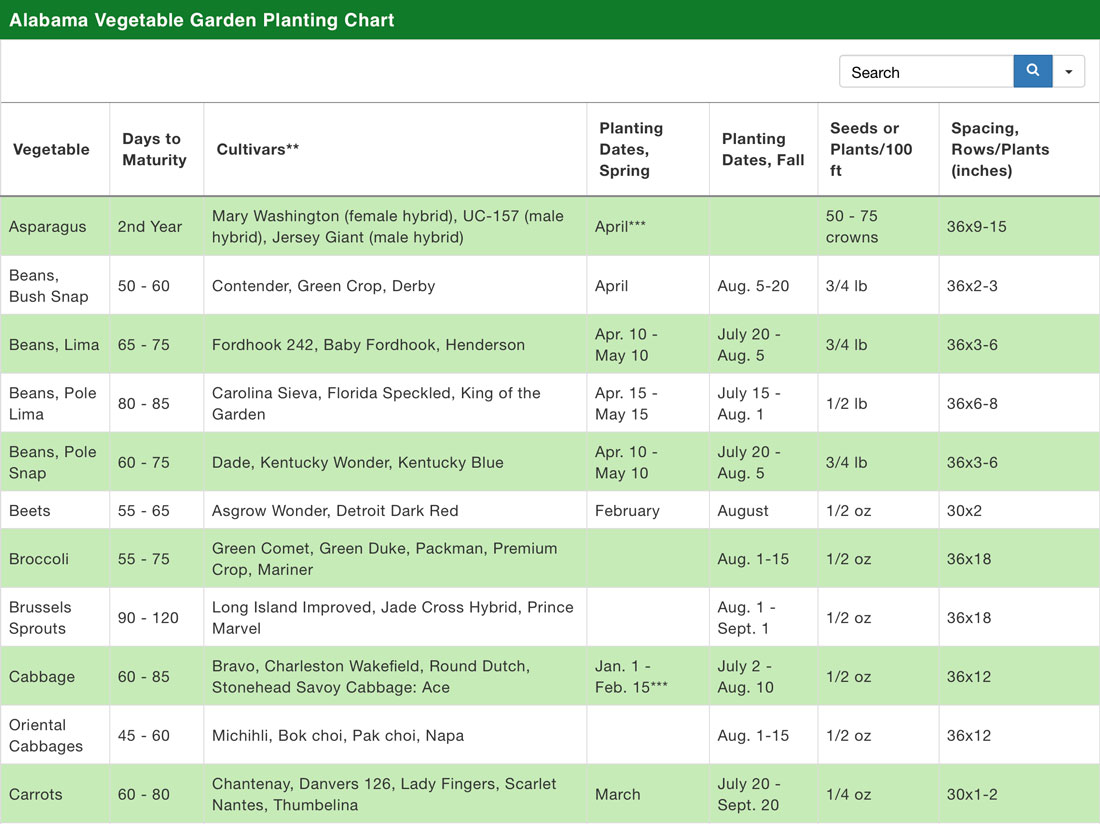
This later planting schedule is often more appealing to those seeking specific smaller, decorative pumpkins or gourds that mature faster, rather than the large, carving-grade pumpkins popular in early fall. When planning a visit to Alabama to experience its agricultural charm, knowing these planting windows can offer insight into the timing of local harvest festivals and farm activities.
Embracing the Local Pumpkin Culture: Varieties and Experiences
Beyond the technicalities of planting, Alabama’s pumpkin culture is a vibrant part of its autumn tourism appeal. The choice of pumpkin variety is often influenced by local demand, climate resilience, and the specific agritourism experiences farms wish to offer.
Popular Pumpkin Varieties in Alabama
Farmers across Alabama select varieties based on their maturation period, disease resistance, and market appeal. For carving and decorative purposes, traditional varieties like ‘Connecticut Field’ or ‘Jack-o’-Lantern’ are popular for their classic shape and size. For those seeking giant pumpkins, ‘Atlantic Giant’ is a common choice, though it requires meticulous care and a longer growing season. Pie pumpkins, such as ‘Sugar Pie’ or ‘New England Pie’, are also widely grown for their sweet, dense flesh, catering to the culinary aspect of pumpkin season.
Heat-tolerant varieties are particularly favored in Central Alabama and South Alabama to withstand the intense summer months. Farmers continually experiment with new hybrids that offer better yields and resistance to common Southern ailments like powdery mildew. Visiting a local pumpkin patch often means encountering a diverse array of these varieties, each with its own story and purpose.
Pumpkin-Related Tourism and Activities
The act of planting pumpkins is merely the prelude to Alabama’s bustling fall tourism season. Local farms transform into family-friendly destinations, offering much more than just pumpkins. These agritourism venues provide an authentic taste of rural Alabama life and engage visitors in seasonal activities.
Many pumpkin patches open their gates from late September through October, coinciding perfectly with the harvest. Visitors can often enjoy hayrides, corn mazes, petting zoos, and live music, all set against the picturesque backdrop of fields brimming with orange gourds. These farms, often passed down through generations, are integral to the local economy and culture, preserving agricultural heritage while providing modern entertainment.
Examples include farms in the heart of Central Alabama, where the rolling hills provide a scenic setting for fall festivals. In North Alabama, closer to the cooler mountain air, visitors might find smaller, more intimate operations that focus on unique heirloom varieties. Even in South Alabama, despite the lingering warmth, robust events celebrate the harvest, often featuring coastal-themed pumpkin displays and unique regional foods.
These experiences are not just about picking a pumpkin; they are about connecting with the land, understanding the agricultural cycle, and participating in community traditions. For tourists, it’s an opportunity to step off the beaten path and discover a different facet of Alabama’s charm, embracing the vibrant and wholesome spirit of the harvest season.
Tips for a Successful Pumpkin Experience in Alabama
Whether you’re a seasoned gardener planning a small patch or a tourist eager to visit the finest pumpkin farms, a few tips can enhance your Alabama pumpkin experience.
Planning Your Visit to Pumpkin Patches
If your interest lies in visiting a pumpkin patch rather than planting your own, research is key. Many farms offer unique attractions and activities. Check their websites or social media for opening dates, hours, and special events. Peak weekends in October can be crowded, so consider a weekday visit for a more relaxed experience. Dress comfortably for outdoor activities, wear closed-toe shoes suitable for walking through fields, and bring a camera to capture the autumnal beauty.
Consider supporting local farmers markets as well. During the fall, these markets in cities like Birmingham and Montgomery overflow with locally grown pumpkins, gourds, and other seasonal produce, offering a direct connection to the state’s agricultural bounty and an opportunity to meet the growers.

Cultivation Considerations for Home Gardeners
For those inspired to plant their own pumpkins in Alabama, several factors beyond just timing are important.
- Soil Preparation: Pumpkins are heavy feeders. Enriching the soil with organic matter, such as compost or aged manure, is crucial for healthy growth. They prefer well-drained soil with a pH between 6.0 and 6.8.
- Sunlight: Choose a location that receives at least six to eight hours of direct sunlight daily.
- Spacing: Pumpkin vines spread extensively, so adequate spacing (typically 5-10 feet between mounds) is necessary to prevent overcrowding and promote air circulation, which helps deter fungal diseases.
- Watering: Consistent moisture is vital, especially during flowering and fruit development. Deep watering at the base of the plant, rather than overhead, helps prevent leaf diseases.
- Pest and Disease Management: Alabama’s warm, humid climate can encourage pests like squash bugs and cucumber beetles, and diseases such as powdery mildew. Regular scouting and appropriate organic or conventional treatments are essential.
- Pollination: While bees typically handle pollination, encouraging pollinators in your garden can improve fruit set.
By meticulously timing planting and attending to these cultural practices, whether you’re a commercial farmer or a home gardener, you can look forward to a rewarding pumpkin harvest. The rich, red soil of Alabama, combined with its extended growing season and dedicated agricultural community, makes it an ideal place to cultivate these iconic symbols of autumn, enhancing both local culture and the visitor experience.
LifeOutOfTheBox is a participant in the Amazon Services LLC Associates Program, an affiliate advertising program designed to provide a means for sites to earn advertising fees by advertising and linking to Amazon.com. Amazon, the Amazon logo, AmazonSupply, and the AmazonSupply logo are trademarks of Amazon.com, Inc. or its affiliates. As an Amazon Associate we earn affiliate commissions from qualifying purchases.