
For visitors eager to immerse themselves in the authentic flavors and local culture of the Heart of Dixie, understanding the agricultural rhythm, particularly when to plant tomatoes in Alabama, offers a unique lens into the state’s vibrant tourism landscape. This isn’t merely about gardening; it’s about connecting with the land, experiencing seasonal culinary delights, and participating in community traditions that define Alabama’s charm. From bustling farmers’ markets to serene U-pick farms and celebrated food festivals, the tomato season dictates much of the state’s summer activity and culinary focus, making it a pivotal aspect for any food-focused traveler.
The Rhythmic Pulse of Alabama’s Culinary Landscape
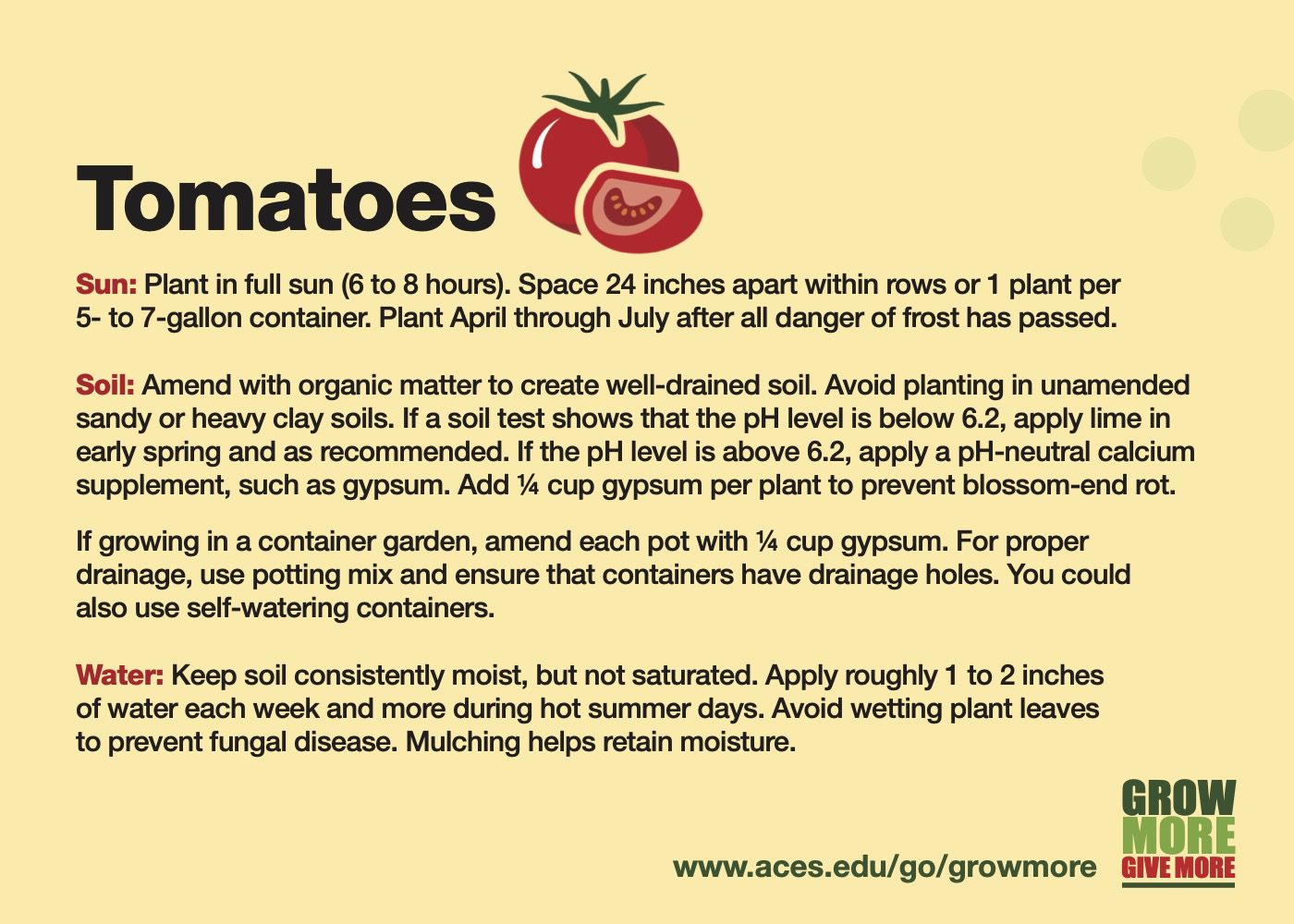
Alabama’s diverse climate zones play a crucial role in determining when this beloved fruit — often used as a vegetable — graces local tables. The state experiences a long growing season, but the specific timing for planting tomatoes varies significantly from north to south, directly influencing when travelers can enjoy peak freshness and participate in related local activities. Typically, tomato plants thrive in warm soil and consistent sunlight, shying away from frost, which makes spring the ideal planting window after the last threat of freezing temperatures has passed.
Understanding Alabama’s Diverse Climate Zones
South Alabama: The southern reaches of Alabama, including coastal areas like Mobile and the Gulf Coast, experience milder winters and earlier springs. Gardeners and farmers here often plant tomatoes as early as late February or early March. This early start means that fresh, ripe tomatoes are available for culinary enjoyment by late May or early June. For tourists, this translates to early summer visits to coastal farmers’ markets brimming with the season’s first harvest, perfectly complementing fresh seafood dishes. Towns like Fairhope on Mobile Bay become vibrant hubs of fresh produce and culinary innovation.
Central Alabama: Moving northward to areas like Birmingham and Montgomery, the optimal planting window shifts slightly. Here, the last frost typically occurs in mid-March, pushing tomato planting to late March or early April. Consequently, the peak tomato season for these regions kicks off in late June and extends through July, offering a robust supply for restaurants, home cooks, and local eateries. This period is prime for culinary tourism in Alabama’s larger cities, where chefs incorporate local tomatoes into a myriad of dishes, from classic fried green tomatoes to sophisticated farm-to-table creations.
North Alabama: The northernmost parts of the state, encompassing cities like Huntsville and the Tennessee Valley, have cooler springs and a later last frost date, often in mid-April. Tomato planting usually occurs from late April to early May. As a result, the region’s tomato harvest typically begins in mid-July and lasts through August. Travelers exploring North Alabama during these months can experience the heart of the summer bounty, often finding large, juicy heirloom varieties unique to the cooler climate. This seasonality allows for staggered tourism opportunities throughout the state for those seeking fresh produce experiences.
Savoring the Summer Harvest: A Tourist’s Guide to Local Flavors
The varying planting times across Alabama mean a prolonged tomato season statewide, offering ample opportunities for tourists to engage with the local food scene. From browsing vibrant market stalls to dining at establishments committed to local sourcing, the tomato becomes a flavorful ambassador for Alabama’s culinary identity.
Farmers’ Markets: A Taste of Local Life

Visiting an Alabama farmers’ market is an essential tourism experience, especially during tomato season. These markets are not just places to buy produce; they are social hubs where local culture, community, and the bounty of the land converge.
- Fayetteville Farmers Market: While technically in Arkansas, the reference points to the general idea of local farmers’ markets. For Alabama, examples would include the Pepper Place Market in Birmingham or the Greene Street Market in Huntsville. These markets showcase a dazzling array of tomato varieties – from plump Big Boys to colorful heirlooms and sweet cherry tomatoes – all picked at their peak. Beyond tomatoes, visitors can find other seasonal produce, artisanal goods, local crafts, and often live music, creating a lively atmosphere. Engaging with farmers directly offers insights into local agricultural practices and the stories behind the food, deepening a traveler’s appreciation for regional specialties.
Farm-to-Table Experiences and U-Pick Adventures
For a truly immersive experience, many Alabama restaurants proudly feature local produce, including tomatoes, on their seasonal menus. These farm-to-table establishments provide an authentic taste of the region, where the journey from farm to plate is often just a few miles. In cities like Birmingham, Auburn, and Opelika, discerning diners can enjoy dishes where the freshness of Alabama tomatoes shines through.
Beyond dining, U-pick farms offer a hands-on agricultural tourism experience. Several farms across the state open their fields to visitors, allowing them to pick their own tomatoes directly from the vine. This activity is particularly popular with families and those seeking a deeper connection to their food source. It’s an excellent way to spend a summer afternoon, learn about farming, and take home the freshest possible produce. These experiences often occur slightly after the main planting season, usually from late June through August, varying by farm and region.
Experiencing Alabama’s Agricultural Heritage Through Its Iconic Crop
The tomato isn’t just a fruit in Alabama; it’s a symbol of its rich agricultural heritage and a staple of Southern cuisine. From sweet tea and barbecue to fresh vegetables, the state’s food culture is deeply rooted in its agricultural bounty, with tomatoes holding a place of honor.
Seasonal Festivals and Community Celebrations
The arrival of tomato season often sparks local festivals and community events, providing excellent opportunities for cultural immersion. While there might not be a single “Alabama Tomato Festival” that rivals others in scale, numerous local events and farmers’ market celebrations throughout the summer highlight the harvest. Towns often host smaller-scale events, showcasing local produce with cooking demonstrations, recipe contests, and tastings. These gatherings are fantastic for tourists looking to engage with local residents, sample regional delicacies, and understand the communal pride associated with a successful growing season. For instance, towns known for their produce, such as Cullman, often have events that feature their agricultural output, creating a festive atmosphere for both locals and visitors.

Planning Your Visit Around Peak Tomato Season
For travelers whose itineraries are driven by culinary experiences, timing a visit to Alabama to coincide with the peak tomato season offers unparalleled rewards.
- Late May to Early July: Focus on South Alabama and Central Alabama for the earliest and most abundant harvests. Explore cities like Mobile, Fairhope, Montgomery, and Birmingham for farmers’ markets and farm-to-table dining.
- Mid-July to August: Shift focus to Central Alabama and North Alabama for the continuation of the tomato bounty. Huntsville and surrounding Tennessee Valley areas will be at their prime, as will U-pick operations that typically open later in the season.
No matter when you visit during the warmer months, the omnipresence of fresh, local tomatoes in Alabama serves as a delicious reminder of the state’s rich agricultural heritage and its welcoming local culture. It’s an invitation to taste the true essence of Alabama, one ripe tomato at a time.
LifeOutOfTheBox is a participant in the Amazon Services LLC Associates Program, an affiliate advertising program designed to provide a means for sites to earn advertising fees by advertising and linking to Amazon.com. Amazon, the Amazon logo, AmazonSupply, and the AmazonSupply logo are trademarks of Amazon.com, Inc. or its affiliates. As an Amazon Associate we earn affiliate commissions from qualifying purchases.