
Nestled in the eastern part of Alabama, the city of Auburn holds a distinctive charm that transcends its identity as a prominent university town. For travelers seeking a vibrant Southern experience, rich in collegiate spirit, natural beauty, and historical depth, understanding Auburn’s geographical placement and what makes it a compelling destination is paramount. This guide provides an insightful look into Auburn’s location, its unique allure, and how to make the most of a visit to this captivating corner of the Deep South.
Locating Auburn: A Gem in the Heart of Alabama
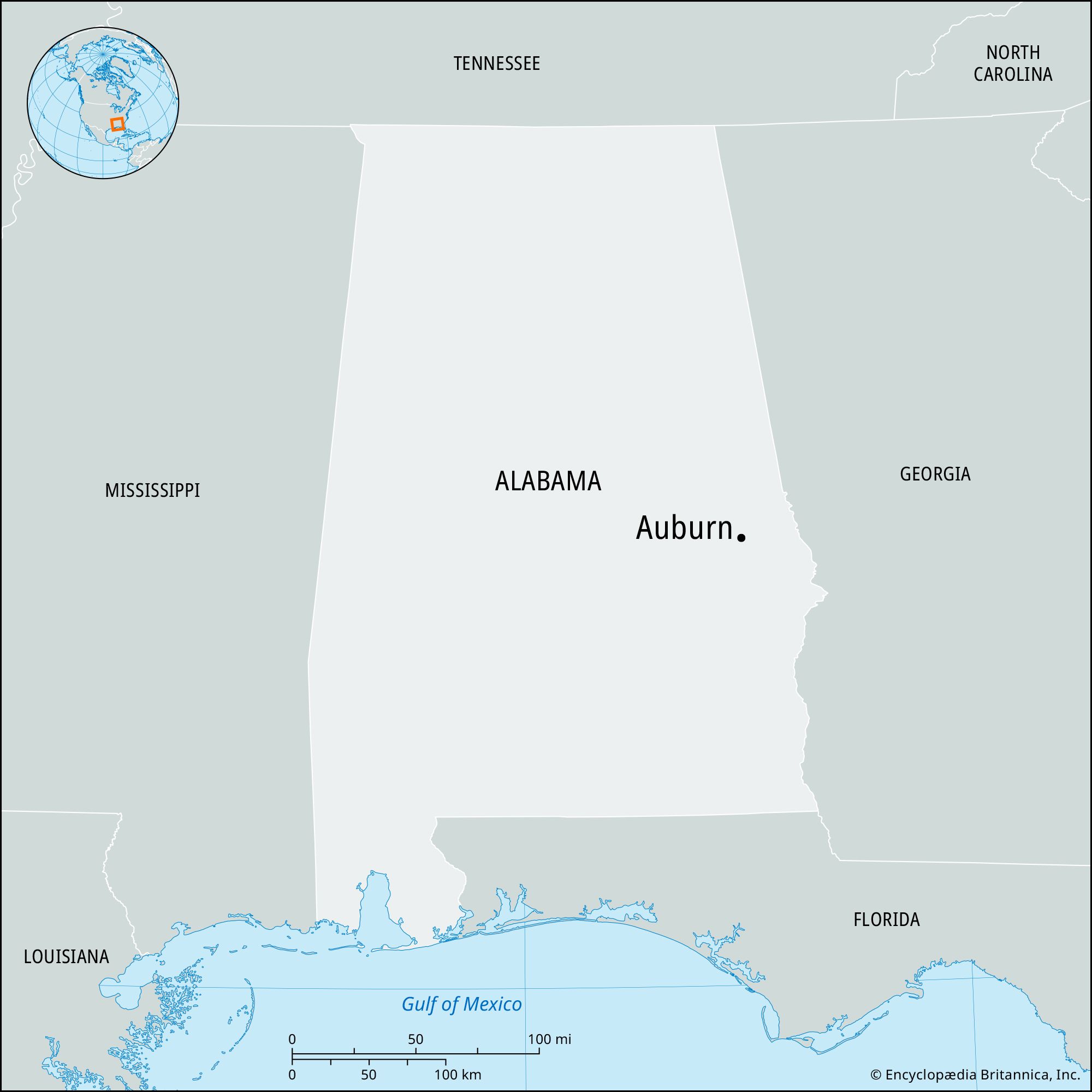
Auburn is strategically positioned in Lee County, a region characterized by its rolling hills and a landscape that bridges the Appalachian foothills with the coastal plains. This prime location places it approximately 50 miles east of the state capital, Montgomery, and roughly 100 miles southeast of Birmingham, Alabama’s largest city. For those traveling from outside the state, Auburn is also conveniently situated about 100 miles southwest of Atlanta, Georgia, making it an accessible destination from one of the busiest air hubs in the world.
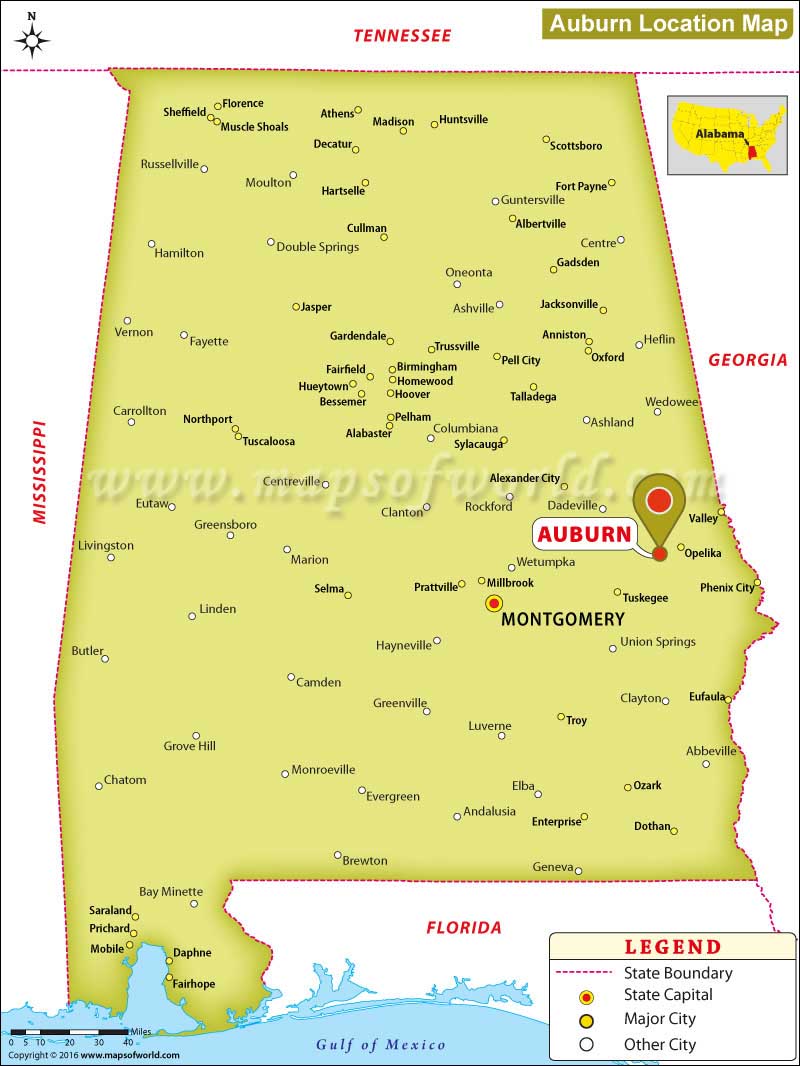
Reaching Auburn is straightforward, whether by air or road. The most common air access points are Hartsfield-Jackson Atlanta International Airport (ATL), offering a wide array of domestic and international flights, or the closer, albeit smaller, Montgomery Regional Airport (MGM). From either airport, a scenic drive leads visitors directly into Auburn via well-maintained interstate and state highways, predominantly I-85. The city’s placement along this major corridor further enhances its accessibility, facilitating smooth travel for those exploring the wider Southeast region. The topography surrounding Auburn, part of Alabama’s Piedmont Plateau, lends itself to picturesque drives and a pleasant, often temperate climate, setting the stage for a memorable travel experience.
Auburn’s Enduring Appeal: More Than Just a College Town
While undeniably shaped by its academic institution, Auburn offers a multifaceted appeal that extends far beyond the campus gates. It’s a destination where the thrill of college sports intertwines with serene natural escapes, vibrant downtown life, and a palpable sense of community.
The Academic Heartbeat: Auburn University
At the core of Auburn’s identity lies Auburn University, one of the largest universities in Alabama and a leading research institution. The university’s presence infuses the city with a youthful energy, intellectual vibrancy, and a passionate spirit, particularly evident during football season. Travelers can explore the beautiful campus, home to iconic landmarks such as Samford Hall, with its distinctive clock tower, and the historic Auburn University Chapel, the oldest public building on campus. For nature enthusiasts, the Donald E. Davis Arboretum offers a tranquil retreat with diverse plant collections.
Sporting events, especially football at Jordan-Hare Stadium, transform the city into a sea of orange and blue, creating an electrifying atmosphere that is a must-experience for any visitor during the fall. Basketball at Neville Arena also draws enthusiastic crowds. The pageantry, traditions, and collective fervor associated with Auburn athletics are an integral part of the local culture and a significant draw for travelers.
Downtown Auburn: A Vibrant Hub
Adjacent to the university, downtown Auburn pulsates with a lively energy, offering a delightful mix of local boutiques, diverse eateries, and charming cafes. The heart of downtown is undoubtedly Toomer’s Corner, famous for its tradition of “rolling” the oak trees after major university victories. This iconic intersection serves as a focal point for celebrations and a quintessential Auburn experience. Strolling through downtown, visitors will find a pedestrian-friendly environment, inviting them to explore unique shops for souvenirs, enjoy a gourmet meal, or simply soak in the convivial atmosphere. The downtown area expertly blends historic architecture with modern amenities, creating an appealing setting for both locals and tourists.
Natural Beauty and Outdoor Pursuits
Beyond the urban and academic buzz, Auburn is a gateway to significant natural beauty and ample opportunities for outdoor recreation. Just a short drive from the city center, Chewacla State Park stands as a testament to Alabama’s diverse landscapes. This 696-acre park is a haven for hikers, mountain bikers, and nature lovers, boasting picturesque trails, a beautiful waterfall, and a lake perfect for swimming and fishing. Its rugged terrain and serene environment offer a stark contrast to the lively campus, providing a perfect escape for adventure and relaxation.
For golf enthusiasts, the area is home to world-class courses, most notably the Robert Trent Jones Golf Trail at Grand National. This renowned golf destination features 54 holes spread across three courses, offering challenging play amidst stunning natural backdrops and drawing golfers from across the globe.
Planning Your Visit to Auburn: Experiences and Essentials
To fully appreciate Auburn, careful planning ensures that visitors can immerse themselves in its unique offerings and local charm. The best time to visit often depends on the traveler’s interests, while a plethora of activities cater to various preferences.
Best Time to Visit
The fall season, from September to November, is arguably the most popular time to visit Auburn, primarily due to the excitement of college football. The weather is typically pleasant, with mild temperatures and vibrant fall foliage, making it ideal for outdoor activities and campus strolls. Spring, from March to May, also offers delightful weather, with blooming flowers and a slightly less crowded atmosphere. Summers can be hot and humid, but for those interested in exploring at a leisurely pace or enjoying water-based activities at nearby parks, it presents a quieter alternative.
What to See and Do (Beyond the University)
While Auburn University is a major draw, the city offers a range of attractions for a well-rounded itinerary. The Jule Collins Smith Museum of Fine Art, located on campus, showcases impressive collections spanning various periods and styles, offering a cultural respite. The Kreher Preserve & Nature Center provides another opportunity for outdoor engagement, with educational programs, walking trails, and opportunities for birdwatching and wildlife viewing. Exploring the historic residential districts also reveals beautifully preserved homes and tree-lined streets, offering a glimpse into Auburn’s architectural heritage.
Culinary Delights
Auburn’s culinary scene is a delightful fusion of traditional Southern comfort food and contemporary dining experiences. From casual eateries serving classic barbecue and fried chicken to upscale restaurants featuring farm-to-table menus, there is something to satisfy every palate. Many establishments prioritize local ingredients, reflecting the rich agricultural heritage of Alabama. Downtown Auburn, in particular, is a hub for diverse dining options, perfect for enjoying a meal after a day of exploration.
Accommodation Options
Travelers to Auburn will find a variety of accommodation options to suit different preferences and budgets. The city offers numerous hotels, including well-known chains and charming boutique inns. For those seeking a more local experience, vacation rentals and guesthouses provide a home-away-from-home feel. It is advisable to book accommodations well in advance, especially during major university events like football weekends and graduation, as the city experiences high demand during these periods.
Day Trips and Regional Exploration from Auburn
Auburn’s central location in eastern Alabama makes it an excellent base for exploring the surrounding region, offering diverse experiences from historical sites to neighboring towns.
Nearby Cities and Attractions
Just a few miles east of Auburn lies the historic city of Opelika. Known for its beautifully preserved downtown district, Opelika offers a charming glimpse into the past with its antique shops, local breweries, and unique eateries. The short drive between Auburn and Opelika makes it an easy excursion for an afternoon of exploration.
For those interested in history and nature, a trip to the Tuskegee National Forest and the Tuskegee Institute National Historic Site is highly recommended. Located approximately 20 miles west of Auburn, these sites offer insights into African American history, particularly the legacy of Booker T. Washington and George Washington Carver, amidst a serene natural setting perfect for hiking and reflection. Travelers can also venture slightly further across the state line into Georgia to visit Callaway Gardens, a renowned botanical garden and resort offering beautiful landscapes and family-friendly activities.

Expanding Your Alabama Itinerary
Auburn serves as an ideal starting point for a broader exploration of Alabama. From here, travelers can embark on journeys to experience the state’s significant contributions to the Civil Rights Trail in cities like Montgomery and Birmingham, or head south to enjoy the pristine white sand beaches of Alabama’s Gulf Coast. Its position allows for convenient integration into a larger itinerary, showcasing the diverse cultural, historical, and natural landscapes that Alabama has to offer. Auburn, therefore, isn’t just a destination in itself, but a vital link in discovering the broader narrative of the American South.
LifeOutOfTheBox is a participant in the Amazon Services LLC Associates Program, an affiliate advertising program designed to provide a means for sites to earn advertising fees by advertising and linking to Amazon.com. Amazon, the Amazon logo, AmazonSupply, and the AmazonSupply logo are trademarks of Amazon.com, Inc. or its affiliates. As an Amazon Associate we earn affiliate commissions from qualifying purchases.