
The mention of an elephant in Alabama might initially conjure images of the circus or wildlife parks, yet for anyone familiar with the state’s deep-seated cultural narratives, it immediately points to one of the most iconic and beloved symbols in American sports: the elephant mascot of the University of Alabama Crimson Tide. This seemingly incongruous pairing of a pachyderm with a crimson wave is, in fact, a rich tapestry woven from athletic prowess, historical legend, and profound regional identity, solidifying its status as an enduring cultural landmark. Far from being a mere sporting emblem, the Alabama elephant represents a significant aspect of the state’s heritage, inspiring a network of physical and intangible landmarks that define the spirit of its people and places.

The Iconic Symbolism of the Crimson Tide
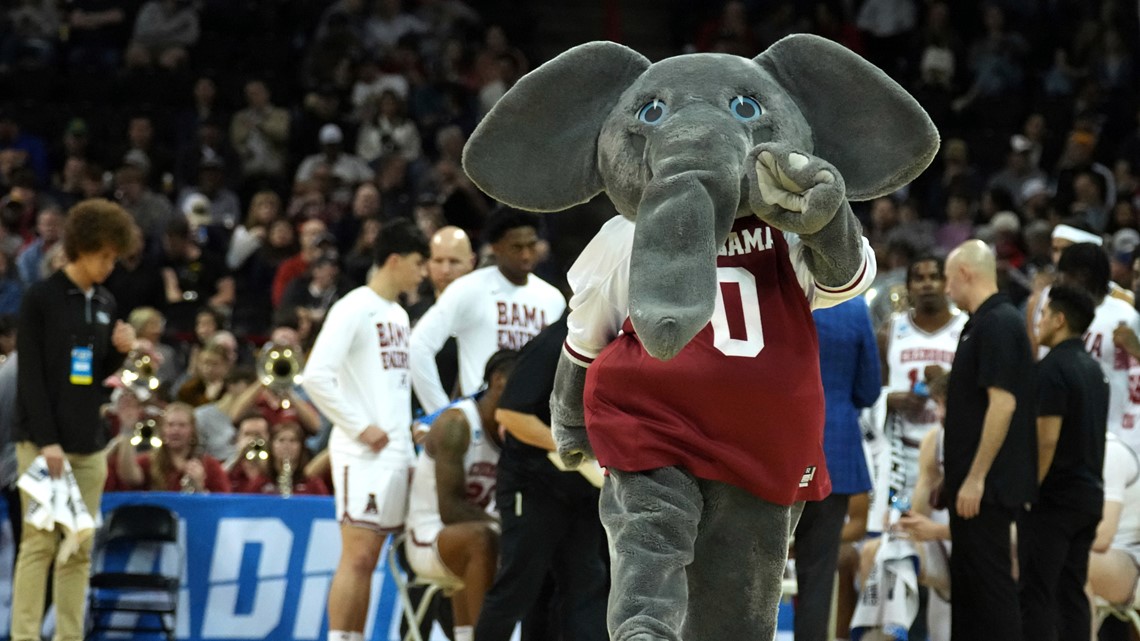
The University of Alabama’s elephant mascot, affectionately known as Big Al, is more than just a character on the sidelines; it embodies the tenacity, strength, and larger-than-life presence of the Crimson Tide athletic program. Its journey from a spontaneous observation to a fully embraced symbol is a testament to the organic way certain narratives become institutionalized landmarks. The mascot’s powerful image resonates with generations of fans, creating a shared sense of pride and identity that extends far beyond the athletic arena into the broader cultural landscape of Alabama.
Origins of an Unlikely Mascot
The legend of the Alabama elephant dates back to October 4, 1930, when a sportswriter for the Atlanta Journal, Everett Strupper, reported on the University of Alabama’s football team. As the mighty Crimson Tide ran onto the field for their game against Ole Miss in Birmingham, Strupper observed their thunderous arrival, noting, “At the end of the quarter, the earth started to tremble, there was a distant rumble that continued to grow. Some strangely unfamiliar behemoths ran onto the field, and in my mind, I could see them now, big, gray elephants, with their trunks up, charging.” This vivid description, born from the team’s overwhelming power, quickly caught on, turning a fleeting metaphor into an enduring symbol. Over the subsequent decades, the “elephant” nickname gained traction, eventually leading to the adoption of Big Al as the official mascot in 1979. This historical anecdote itself has become a landmark story, passed down through generations, signifying the birth of a legend.
The Elephant’s Roar: A Legacy of Victory
The association with the elephant became intrinsically linked to the Crimson Tide’s unparalleled success, particularly under legendary coaches like Paul “Bear” Bryant. The team’s dominance, characterized by a formidable offensive and defensive line, mirrored the strength and might of an elephant. Each victory, each championship, further cemented the elephant’s symbolic power, transforming it from a mere animal into a beacon of athletic achievement. The elephant, therefore, is not just a figure; it’s a living monument to a legacy of triumph that continues to inspire. This legacy is palpable across the University of Alabama campus in Tuscaloosa, where statues and murals depicting elephants are as common as the crimson and white colors, serving as constant reminders of the storied past.
More Than Just a Mascot: Cultural Resonance in Alabama
The elephant’s significance in Alabama extends beyond the football stadium, permeating the cultural fabric of the state. It has become a regional identifier, a source of collective pride, and even an artistic inspiration, manifest in various physical and experiential landmarks throughout Tuscaloosa and beyond. This deep cultural embedment transforms a simple mascot into a complex symbol of place, history, and community.
Public Art and Elephant Statues Across the State
In Tuscaloosa, the home of the University of Alabama, elephant imagery is ubiquitous. Bronze statues of elephants, some life-sized, adorn public spaces, campus grounds, and even local businesses. These sculptures serve as tangible landmarks, drawing visitors and locals alike to pose for photographs, celebrating their connection to the Crimson Tide. One notable example is the statue of Big Al located near the Paul W. Bryant Museum, a pilgrimage site for fans. These installations are not merely decorative; they are markers of collective identity, each telling a story of passion and loyalty. Beyond the campus, businesses across Alabama creatively incorporate elephant motifs into their branding, from the Golden Flake snack food company, which briefly used an elephant logo, to numerous local shops selling elephant-themed merchandise. This widespread adoption underscores the elephant’s role as a pervasive cultural landmark.
Tuscaloosa’s Enduring Affection for Elephants
The city of Tuscaloosa itself has embraced the elephant, turning its connection into a cornerstone of its local identity. The city’s annual events often feature elephant themes, and the local economy thrives on the tourism generated by Crimson Tide fans. Eateries, shops, and even hotels in Tuscaloosa frequently display elephant memorabilia and imagery, creating an immersive experience for visitors. For instance, exploring the area around Bryant-Denny Stadium reveals a vibrant ecosystem of elephant-themed establishments, each contributing to the landmark status of the city as the “home of the elephants.” This collective outpouring of affection demonstrates how a sporting symbol can transcend its original context to become a defining feature of a geographic location.
Unpacking the Legend: Historical Roots and Modern Interpretations
The journey of the Alabama elephant from a descriptive metaphor to a beloved mascot is rich with historical nuances and evolving interpretations. Understanding these layers helps appreciate the depth of its landmark status, not just as a static symbol but as a dynamic narrative that continues to unfold.

The 1930 Game That Started It All
The pivotal 1930 game against Ole Miss in Birmingham’s Legion Field is etched into the annals of Crimson Tide lore. The power of Strupper’s analogy was its immediacy and accuracy in capturing the sheer force of the Alabama team. This game, and the subsequent newspaper report, became an intangible landmark—a foundational myth that anchors the elephant’s story. It’s a tale often recounted, particularly around football season, serving as a verbal landmark that reinforces the mascot’s authenticity and historical depth. The specific location of that game, Legion Field, while no longer the primary venue for Alabama home games, remains a historical landmark for fans who recall the origins of the legend.
The Evolution of “Big Al” and Fan Culture
While the elephant gained popularity in the 1930s, the official costumed mascot, Big Al, didn’t make his debut until 1979. This marked a significant evolution, transforming the abstract symbol into a tangible, interactive figure. Big Al quickly became an iconic presence, engaging with fans, leading cheers, and becoming an indispensable part of game-day traditions. The mascot’s evolution reflects the modernization of college sports and fan engagement, creating a new type of landmark: a living, breathing symbol that unifies and energizes the fan base. The countless photographs taken with Big Al by visitors from around the world contribute to a vast, personal landmark archive, embodying individual connections to the University of Alabama.
Exploring Elephant-Related Landmarks and Experiences
For visitors interested in delving into the “Why Alabama Elephant?” question, several key landmarks and experiences offer profound insights into this unique cultural phenomenon. These sites not only tell the story but also immerse visitors in the passion that surrounds the elephant.
The University of Alabama Campus: A Living Monument
The University of Alabama campus in Tuscaloosa is, in essence, a sprawling living monument to the Crimson Tide elephant. The Paul W. Bryant Museum is a must-visit, housing an extensive collection of memorabilia, trophies, and historical exhibits that detail the team’s storied past and the evolution of its elephant mascot. Visitors can trace the history of the elephant through old photographs, newspaper clippings, and interactive displays, understanding its deep roots.
Adjacent to the museum is Bryant-Denny Stadium, the spiritual home of the Crimson Tide. While not solely elephant-themed, the stadium is where the elephant’s spirit truly comes alive on game days. The Walk of Champions outside the stadium, adorned with statues of legendary coaches and celebrating championship teams, often features subtle elephant iconography. Even the majestic Denny Chimes tower, a central campus landmark, often rings out with tunes that evoke the spirit of the Crimson Tide and its powerful emblem. These sites collectively form a pilgrimage for fans, each step on campus reinforcing the elephant’s cultural weight.
Local Businesses and Community Spirit
Beyond the immediate campus, the city of Tuscaloosa thrives on its elephant identity. Local eateries, souvenir shops, and even hotels proudly display elephant imagery, offering a continuous immersion into the Crimson Tide culture. Places like Rama Jama’s, a popular diner near the stadium, are filled with Alabama football and elephant memorabilia, serving as informal landmarks where fans gather and stories are shared. Exploring these local establishments provides a glimpse into the daily life and passionate community spirit fueled by the elephant’s presence.
The Enduring Allure for Visitors
The Alabama elephant, therefore, is more than a mascot; it’s a multi-faceted landmark that encapsulates history, tradition, and fervent loyalty. Its enduring allure draws countless visitors, whether they are die-hard football fans, history enthusiasts, or simply curious travelers seeking to understand the unique cultural tapestry of the American South.
A Pilgrimage for Sports Fans
For sports aficionados, particularly those devoted to college football, a visit to Tuscaloosa is nothing short of a pilgrimage. Experiencing a game day at Bryant-Denny Stadium, seeing Big Al in person, and soaking in the electric atmosphere is an unparalleled experience that connects them directly to the “elephant” legend. The sheer scale of fan engagement, the ubiquitous elephant imagery, and the palpable sense of history make this a unique landmark experience in the world of sports.
A Unique Slice of Southern Culture
Even for those less interested in football, the story of the Alabama elephant offers a compelling window into Southern culture. It speaks to the power of tradition, the strength of community identity, and the ways in which seemingly trivial details can become deeply meaningful symbols. The narrative of the elephant provides a unique context for understanding Alabama’s pride, resilience, and rich heritage. The exploration of this particular landmark offers an insightful journey into a vibrant regional identity, making the “Why Alabama Elephant?” question a portal to a distinctive cultural exploration.
LifeOutOfTheBox is a participant in the Amazon Services LLC Associates Program, an affiliate advertising program designed to provide a means for sites to earn advertising fees by advertising and linking to Amazon.com. Amazon, the Amazon logo, AmazonSupply, and the AmazonSupply logo are trademarks of Amazon.com, Inc. or its affiliates. As an Amazon Associate we earn affiliate commissions from qualifying purchases.