
The question of why Bessemer, Alabama is perceived as dangerous is a complex one, deeply rooted in its industrial past, socio-economic challenges, and the broader narrative of post-industrial cities across the United States. For travelers and those interested in understanding urban landscapes, delving into Bessemer‘s reality offers a crucial perspective on the dynamics that shape many Southern cities. While crime statistics can paint a stark picture, a nuanced understanding requires looking beyond raw numbers to explore historical context, community efforts, and the specific areas that might concern a visitor.
Understanding Bessemer’s Historical Context and Economic Evolution
Bessemer, a city in Jefferson County, Alabama, was founded in 1887 by Henry F. DeBardeleben, a prominent industrialist. It was named after Sir Henry Bessemer, the inventor of the Bessemer steel process, a clear indication of its intended purpose: to become a major steel-producing hub. Its location was strategic, boasting rich deposits of coal, iron ore, and limestone – the essential ingredients for steel manufacturing. This industrial boom attracted a diverse population seeking work, leading to rapid growth and a bustling economy.
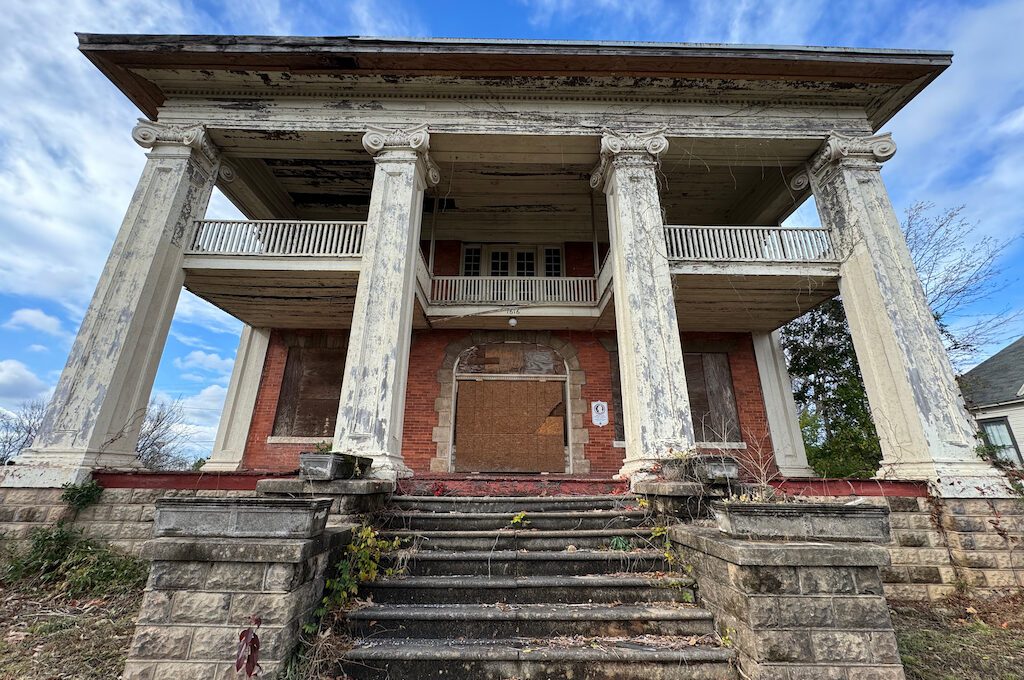
Industrial Roots and Economic Shifts
For decades, Bessemer thrived as a powerhouse of the “Magic City” region, often overshadowed but intrinsically linked to its larger neighbor, Birmingham. The city’s identity was forged in its mills and factories, providing stable employment and a sense of community pride. However, the latter half of the 20th century brought significant challenges. The decline of the American steel industry, driven by global competition and technological shifts, hit Bessemer hard. Major employers closed their doors, leading to mass layoffs and a ripple effect throughout the local economy.
Post-Industrial Challenges
The rapid de-industrialization left a void that was difficult to fill. With the loss of well-paying manufacturing jobs, the tax base eroded, leading to underfunded public services, including schools and infrastructure. This economic downturn contributed to higher unemployment rates, poverty, and a sense of hopelessness among some segments of the population. These socio-economic stressors are often correlated with increases in property crime and, more tragically, violent crime. When opportunities diminish, and community resources dwindle, the fabric of society can fray, creating environments where illicit activities become more prevalent for survival or desperation. This historical trajectory is crucial to understanding the present-day challenges and the perception of danger in Bessemer.
Analyzing Crime Statistics and Perceptions for Travelers
When assessing a destination like Bessemer for travel, it’s natural to look at crime statistics. Data often shows Bessemer with higher rates of both property and violent crime compared to national averages. However, it’s imperative for travelers to interpret these statistics with context and nuance, rather than letting raw numbers dictate their entire perception.
The Reality Behind the Numbers
Crime statistics, while informative, can sometimes be misleading if not viewed holistically. They often represent crime concentrated in specific, smaller areas within a larger city. For instance, violent crime may be prevalent in certain neighborhoods or linked to particular socio-economic factors that do not affect all areas equally. Property crime, such as theft, can be more widespread but also often preventable with standard precautions. A significant portion of violent crime in many cities is not random but involves individuals known to each other, often related to gang activity or domestic disputes. While this does not diminish the tragedy of such events, it does alter the risk profile for a casual traveler who is not involved in these circles.
Factors Contributing to Social Issues
Beyond historical economic shifts, other factors contribute to the social issues that can manifest as crime. These include educational disparities, lack of access to healthcare and mental health services, and systemic poverty. These elements create a cycle that is challenging to break, and their presence in Bessemer contributes to the higher crime rates. For the purpose of travel, understanding these underlying factors helps to form a more compassionate and realistic view of the destination, moving beyond simple fear to informed awareness.
Media Portrayal vs. Local Experience
Media coverage, both local and national, often sensationalizes crime, focusing on the most dramatic incidents. While essential for reporting, this can inadvertently paint an entire city with a broad brush of danger, overlooking the daily lives of residents, community efforts, and safer areas. Many residents of Bessemer live peaceful lives, contribute to their community, and navigate their city without incident. Travelers should be aware that the local experience often differs significantly from media-driven perceptions, with many parts of the city being welcoming and safe for visitors employing common sense.

Navigating Bessemer as a Responsible Traveler
For those considering a visit to Bessemer or passing through, prudent planning and an awareness of your surroundings are key, as with any urban destination.
Areas of Caution and Prudent Planning
Like many cities with higher crime rates, specific neighborhoods in Bessemer experience more crime than others. Researching specific areas before visiting is advisable. General advice for urban travel applies:
- Be aware of your surroundings: Pay attention to who is around you and what is happening.
- Avoid walking alone at night: Especially in poorly lit or unfamiliar areas.
- Secure your belongings: Keep valuables out of sight, and avoid displaying large amounts of cash or expensive jewelry.
- Use reputable transportation: Stick to ride-sharing services with good reviews or licensed taxis.
- Trust your instincts: If a situation feels uncomfortable, remove yourself from it.
While Bessemer may lack the conventional “tourist attractions” of a larger city, its historical significance and ongoing revitalization efforts offer unique points of interest. Travelers interested in industrial history, urban renewal, or local community dynamics might find a visit insightful.
Engaging Safely with Local Culture
To truly understand a place, engaging with its people and culture is invaluable. Bessemer has a rich history and a resilient community. Attending local events, visiting community markets, or patronizing local businesses can offer a genuine experience. However, always do so with an awareness of personal safety. Strike up conversations respectfully, and be open to learning from local perspectives, which often provide the most accurate portrayal of a city’s true character, far removed from crime statistics.
Discovering Hidden Gems Amidst Challenges
Despite its challenges, Bessemer is not without its merits. The city is home to the Bessemer Hall of History Museum, which offers a deep dive into its industrial past and cultural heritage. The historic downtown area, though undergoing revitalization, still retains architectural echoes of its prosperous past. Nearby, outdoor enthusiasts can explore natural attractions such as Frank A. Bertagnolli Park or other local green spaces. These sites, while not heavily trafficked by tourists, offer authentic glimpses into the area and can be enjoyed safely during daylight hours with reasonable precautions.
Community Efforts Towards Revitalization and Safety
It is crucial to recognize that the residents and leadership of Bessemer are actively working to address the city’s challenges and improve its safety and quality of life. The narrative of danger often overlooks the significant efforts being made on the ground.
Local Initiatives and Economic Development
Bessemer has been the focus of numerous economic development initiatives aimed at diversifying its economy beyond heavy industry. Efforts to attract new businesses, foster small business growth, and create job training programs are underway. Revitalization projects are targeting the downtown area, aiming to restore historical buildings, attract new retail and dining establishments, and create a more vibrant, walkable urban core. These economic improvements are fundamental to crime reduction, as they address the root causes of poverty and lack of opportunity.
Furthermore, community organizations and local government agencies are investing in youth programs, educational initiatives, and public safety campaigns. Enhanced policing strategies, community outreach programs, and initiatives to build trust between law enforcement and residents are all part of a concerted effort to make Bessemer safer for everyone.

Building a Safer Future
The journey for Bessemer to shed its “dangerous” label is ongoing, but the commitment to progress is evident. Like many American cities grappling with historical legacies and modern socio-economic shifts, Bessemer is a city in transition. For travelers, understanding this context allows for a more informed and empathetic engagement with the destination. While caution and awareness are always advisable, dismissing Bessemer entirely based on perceptions or statistics alone would be to miss the story of a resilient community striving for a brighter, safer future. A respectful and informed approach can reveal a city with a compelling history and a determination to overcome its past challenges.
LifeOutOfTheBox is a participant in the Amazon Services LLC Associates Program, an affiliate advertising program designed to provide a means for sites to earn advertising fees by advertising and linking to Amazon.com. Amazon, the Amazon logo, AmazonSupply, and the AmazonSupply logo are trademarks of Amazon.com, Inc. or its affiliates. As an Amazon Associate we earn affiliate commissions from qualifying purchases.