
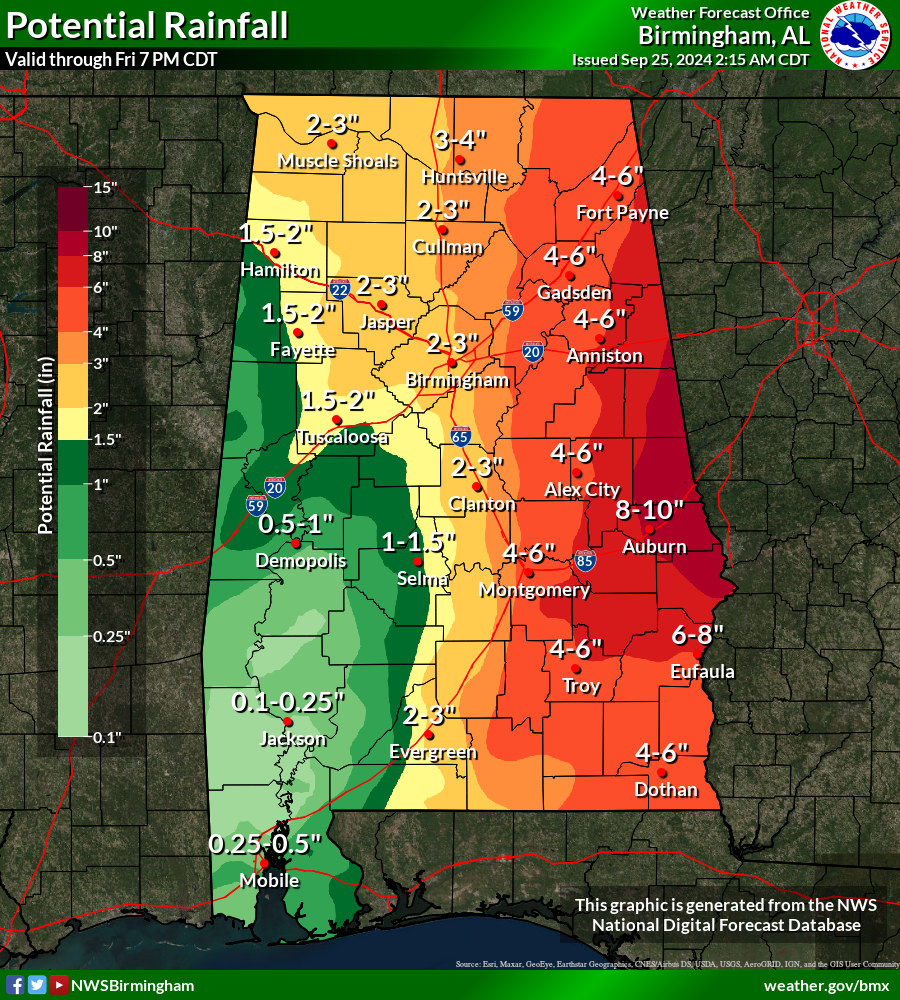
The question “Did Helene Hit Alabama?” immediately brings to mind the significant impact tropical weather systems can have on travel plans and regional stability. While a specific storm named Helene might be a hypothetical or historical reference, the essence of the inquiry points to a crucial aspect of travel to the United States Gulf Coast: navigating hurricane season. For prospective visitors to Alabama’s picturesque shores and vibrant inland cities, understanding the dynamics of such events is paramount for safe, enjoyable, and resilient travel. This guide delves into the realities of planning a trip to Alabama during periods of tropical weather activity, offering insights into preparation, safety, and enjoying the state even when the weather is a concern.

Understanding Hurricane Season and Travel to the Gulf Coast
The Gulf Coast region, including Alabama, experiences a defined hurricane season, typically running from June 1st to November 30th, with peak activity often occurring from August through October. Travel during this window requires a heightened awareness of weather patterns and diligent preparation.
The Dynamics of Tropical Systems
Tropical storms and hurricanes form over warm ocean waters, primarily in the Atlantic Ocean and Caribbean Sea. They are characterized by strong winds, heavy rainfall, storm surge, and the potential for widespread flooding and power outages. Systems are named alphabetically each year to facilitate communication and tracking. While a storm named Helene might have been a past event or a potential future one, its hypothetical impact on Alabama underscores the need for travelers to remain informed. The trajectory and intensity of these storms are highly unpredictable, often changing course and strength rapidly, necessitating constant monitoring of official advisories from organizations like the National Hurricane Center (NOAA). Understanding the potential risks associated with tropical systems is the first step in responsible travel planning for the region.
Alabama’s Vulnerability and Resilience
Alabama’s coastal areas, stretching from the white sands of Gulf Shores and Orange Beach to the historic port city of Mobile, are undeniably vulnerable to direct hits or peripheral effects from hurricanes. However, the state has developed robust emergency response systems and infrastructure designed to minimize damage and ensure public safety. Local authorities, emergency services, and community members work collaboratively before, during, and after a storm to protect lives and facilitate recovery. Travelers will find clear evacuation routes, designated shelters, and a strong sense of community support that helps the region rebound efficiently. This resilience, while admirable, does not negate the need for individual traveler preparedness and adherence to official guidance.
Navigating Travel During Threatening Weather Events
When a tropical system threatens the Alabama Gulf Coast, travel plans can shift dramatically. Proactive measures and flexible attitudes are crucial.
Pre-Trip Preparation: Monitoring Alerts and Insurance
Before embarking on a trip to Alabama during hurricane season, monitoring long-range weather forecasts is essential. Travelers should subscribe to alerts from reputable sources like the National Hurricane Center and local news outlets. A critical consideration is travel insurance. Policies vary, but many offer coverage for trip cancellations or interruptions due to severe weather events, provided the policy was purchased before a storm was named or a warning issued. Carefully review the terms and conditions of any insurance policy to understand what is covered, including flight cancellations, accommodation refunds, or emergency medical services. Keeping copies of important documents, such as passports, identification, and insurance details, accessible and ideally in a waterproof bag, is also a prudent step.
On-the-Ground Safety: Evacuation Routes and Local Resources
Should a storm like Helene pose a direct threat while you are in Alabama, immediate action is required. Always heed local emergency management directives. Authorities will issue watches (meaning conditions are possible within 48 hours) and warnings (meaning conditions are expected within 36 hours). If an evacuation order is issued for your area, leave immediately and follow designated evacuation routes. These routes are clearly marked and designed to move traffic away from danger zones efficiently. Familiarize yourself with these routes upon arrival. Local resources, such as emergency hotlines, official county websites, and community social media channels, provide real-time updates on shelters, road closures, and available services. In any emergency, clear communication with your loved ones about your whereabouts and safety status is vital.
Post-Storm Travel: Assessing Damage and Recovery Efforts
After a storm passes, the immediate aftermath can present its own challenges. Even if the direct impact on Alabama was minimal, services might be disrupted, including power, water, and internet. Roads could be blocked by debris or flooding. It is imperative to wait for official clearance before attempting to return to affected areas or resuming travel. Many destinations on the Gulf Coast, including popular spots like Gulf Shores and Dauphin Island, rely heavily on tourism, and local communities work tirelessly to restore services and attractions. Travelers should be patient, understanding, and respectful of recovery efforts, recognizing that priority is given to local residents and emergency personnel. Checking with your accommodation provider or tour operator about their operational status is crucial before heading back.

Alabama’s Coastal Gems: What Travelers Need to Know
While the threat of a storm like Helene exists, Alabama’s coastal areas and inland treasures remain compelling travel destinations. Awareness allows for continued enjoyment with necessary precautions.
The Allure of Gulf Shores and Orange Beach
Gulf Shores and Orange Beach are jewel destinations, famous for their pristine white-sand beaches, family-friendly attractions, and vibrant culinary scenes. During hurricane season, these areas are particularly diligent in their storm preparedness. Visitors here can enjoy parasailing, fishing charters, championship golf courses, and fresh seafood restaurants. Should a storm threaten, businesses and accommodations have well-established protocols for guest safety, including communication plans and evacuation procedures. Travelers planning visits should inquire about these policies when booking and confirm flexible cancellation options. The communities are adept at bouncing back, often reopening attractions swiftly once conditions are safe.
Exploring Dauphin Island and Mobile Bay
Dauphin Island, a barrier island at the mouth of Mobile Bay, offers a more serene, natural escape, known for birdwatching, historic Fort Gaines, and the Dauphin Island Sea Lab. Mobile itself, with its rich history, Mardi Gras origins, and architectural beauty, provides a contrasting urban experience. Both locations, while on the coast, offer unique perspectives on Alabama’s charm. Dauphin Island, being an island, has specific evacuation routes and is often among the first areas to receive evacuation orders. Mobile, slightly inland, offers more shelter but can still experience significant rainfall, flooding, and wind impacts. Travelers exploring these areas should be particularly attentive to local advisories due to the distinct geographical considerations.
Inland Alabama: A Safer Haven or Alternative
For travelers seeking to minimize hurricane season risks entirely, Alabama’s vast inland regions offer appealing alternatives. Cities like Montgomery, Birmingham, and Huntsville are significantly less impacted by tropical systems. They boast their own unique attractions, from civil rights history and vibrant music scenes to aerospace innovation and scenic state parks. Consider combining a coastal trip with an inland itinerary, or plan an exclusively inland journey during the peak hurricane months. This strategy allows travelers to still experience the rich culture and natural beauty of Alabama without the same level of weather-related concern.
Future Travel Planning: Building Flexibility into Your Itinerary
The question “Did Helene Hit Alabama?” serves as a powerful reminder that travel to hurricane-prone areas demands thoughtful planning and a degree of flexibility.
Best Times to Visit the Alabama Gulf Coast
While beautiful year-round, the optimal times to visit the Alabama Gulf Coast to avoid peak hurricane season are typically late spring (April-May) and early fall (late September-November), after the busiest storm activity. During these periods, the weather is usually pleasant, humidity is lower, and the crowds are often thinner than in the peak summer months. Winter also offers a mild climate, making it an excellent escape from colder regions, with a very low risk of tropical storms.
Booking Policies and Travel Advisories
Always check the cancellation and rebooking policies of airlines, hotels, and vacation rentals when traveling during hurricane season. Many providers offer more lenient policies if a named storm threatens the area. Look for options that allow for free changes or full refunds up to a certain point before your trip. Additionally, stay informed about official travel advisories issued by state and federal agencies like FEMA or the Alabama Emergency Management Agency. These advisories provide crucial information on safety, road conditions, and available resources, enabling travelers to make well-informed decisions.
Supporting Local Tourism During Recovery
In the unfortunate event that a storm like Helene does impact Alabama, one of the most impactful ways travelers can help is by planning future visits once recovery efforts are complete. Tourism is a vital economic driver for many coastal communities. Returning to these destinations, booking stays, dining at local restaurants, and engaging with local businesses provides essential support, helping them rebuild and thrive. Many travel organizations and local tourism boards will actively communicate when destinations are ready to welcome visitors again, ensuring that post-storm travel is both safe and beneficial to the affected communities. Traveling responsibly and thoughtfully contributes significantly to the long-term health and vibrancy of these remarkable destinations.
LifeOutOfTheBox is a participant in the Amazon Services LLC Associates Program, an affiliate advertising program designed to provide a means for sites to earn advertising fees by advertising and linking to Amazon.com. Amazon, the Amazon logo, AmazonSupply, and the AmazonSupply logo are trademarks of Amazon.com, Inc. or its affiliates. As an Amazon Associate we earn affiliate commissions from qualifying purchases.