
The Iconic White Spruce: A Defining Alaskan Natural Landmark
Yes, Alaska is home to an abundance of white spruce trees, a conifer that stands as one of the most emblematic and significant natural landmarks across the state’s vast interior and south-central regions. More than just a species of tree, the white spruce (Picea glauca) defines the very essence of the Alaskan boreal forest, shaping its landscape, ecology, and even its cultural identity. These resilient evergreens are instantly recognizable by their dense, conical form and often silvery-green needles, which lend a distinct texture and hue to the northern wilderness.

For countless generations, from indigenous peoples to early explorers and modern residents, the white spruce has been an omnipresent fixture, signaling shelter, providing resources, and marking the passage of time. Its presence is so pervasive that it is impossible to envision the natural beauty of much of Alaska without picturing its towering, often snow-draped, spires. These trees are not merely part of the scenery; they are the scenery, forming expansive natural landmarks that stretch for hundreds of miles, creating the backdrop for breathtaking vistas and crucial habitats. Their ability to thrive in harsh climates, often surviving extreme temperature fluctuations and limited growing seasons, underscores their endurance and makes them a symbol of the rugged Alaskan spirit. The white spruce forest represents an immense, living natural landmark, evolving with the seasons, from the vibrant greens of summer to the profound stillness of a snow-laden winter.
Where White Spruce Dominates the Landscape: Key Regions and Forests
The geographical distribution of the white spruce in Alaska is extensive, predominantly defining the landscape of what is known as the taiga or boreal forest biome. This vast ecosystem sweeps across much of Interior Alaska, extending from the foothills of the Alaska Range northward towards the Arctic Circle. These immense forest systems, largely comprised of white spruce, along with birch and aspen, constitute some of the planet’s largest continuous forests and are, in themselves, monumental natural landmarks.
One of the most prominent regions where white spruce stands as a dominant natural landmark is around Fairbanks and the surrounding areas. Here, the landscape is characterized by rolling hills densely covered in white spruce, particularly along the fertile floodplains of major rivers like the Yukon River and the Tanana River. These riverine forests are often more robust, with larger, taller specimens due to better drainage and nutrient availability. The sheer scale of these forests, particularly when viewed from an aerial perspective or from a remote vantage point, emphasizes their status as colossal natural features.
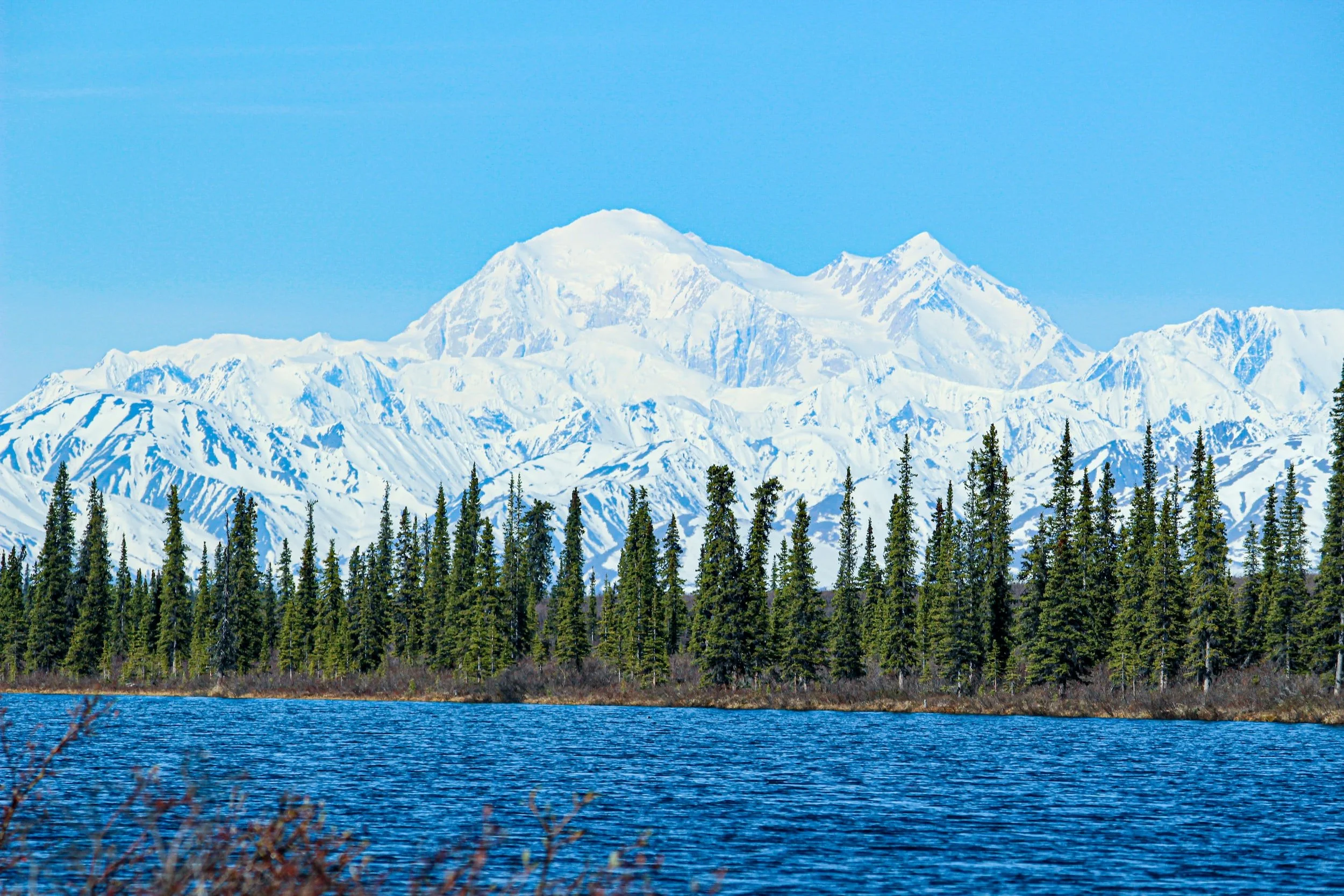
Further south, the white spruce also establishes a significant presence in south-central Alaska, notably on the Kenai Peninsula and around the Anchorage bowl, albeit often mixed with Sitka spruce in coastal areas where humidity is higher. Inland from the coast, in areas like Denali National Park and Preserve, white spruce form the timberline, gradually giving way to tundra at higher elevations. Within Denali National Park and Preserve, the spruce forests create an iconic foreground to the majestic peaks, their dark green forms contrasting with the light of the mountains and sky, rendering them integral components of one of North America’s most famous natural landmarks. These forests are not just collections of trees; they are living testaments to the power and resilience of nature, shaping the very definition of the Alaskan wilderness. Whether seen from a distant ridge or traversed by foot, these white spruce landscapes convey a profound sense of place and natural grandeur.
Ecological Significance and Contribution to Alaskan Biodiversity
Beyond their visual prominence, white spruce forests are keystone natural landmarks due to their profound ecological significance and their indispensable contribution to Alaska’s biodiversity. These forests are not merely static backdrops; they are dynamic ecosystems that support a vast array of plant and animal life, making them vital ecological landmarks. The dense canopy of white spruce provides critical shelter and thermal cover for numerous species, particularly during the harsh Alaskan winters.
Moose, for instance, rely heavily on white spruce for both browse and refuge, especially calves seeking protection from predators. Black bears and grizzlies utilize these forests for foraging, denning, and movement corridors. Smaller mammals like snowshoe hares, red squirrels, and martens find both food and shelter within the spruce stands, contributing to a complex food web. The cone-laden branches of white spruce are a crucial food source for various bird species, including crossbills, grosbeaks, and a multitude of migratory songbirds that nest within the forest’s protective embrace during the brief but intense Alaskan summer. These avian populations add a vibrant auditory dimension to the silent grandeur of the spruce forests.
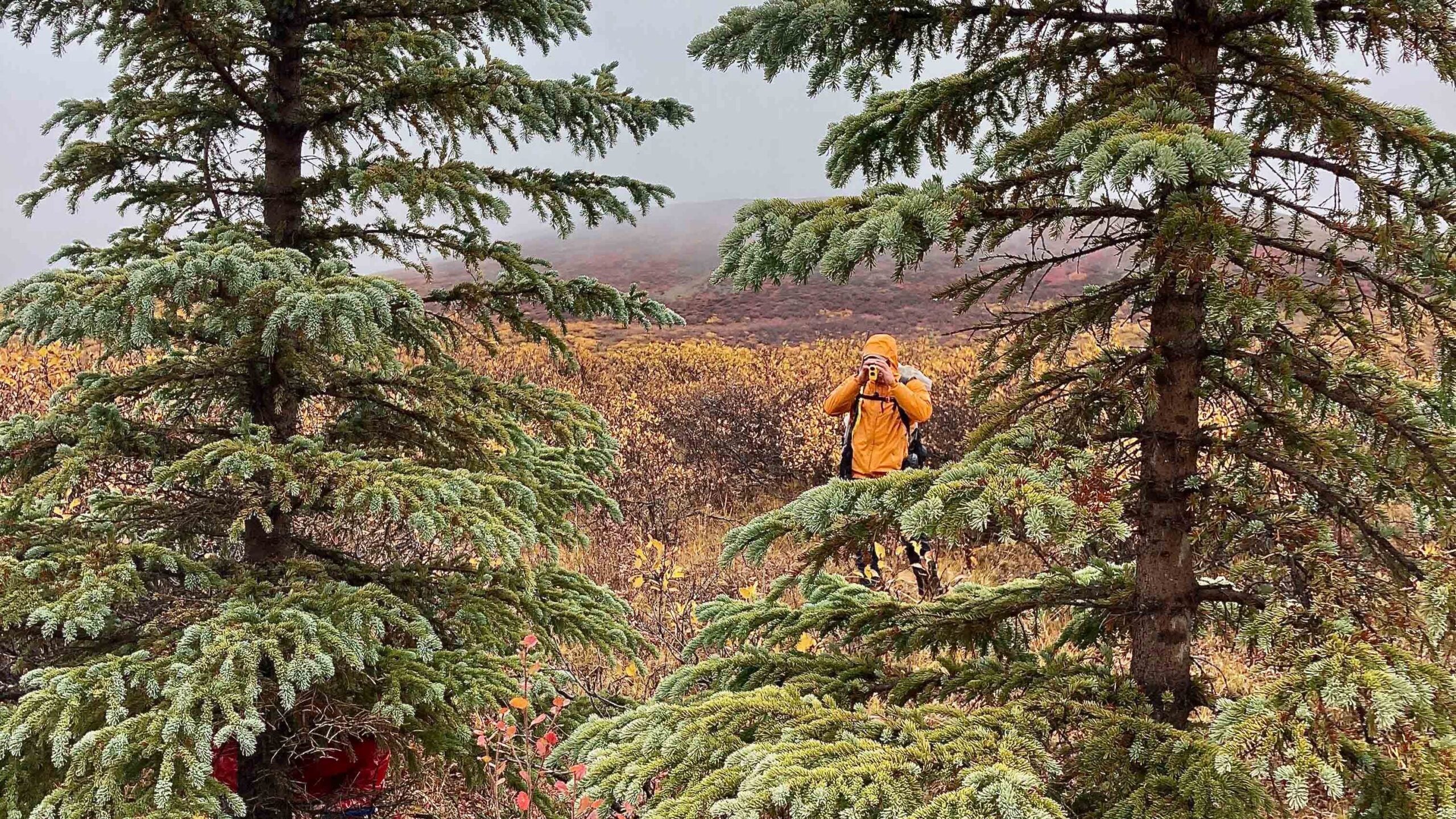
Furthermore, white spruce plays a critical role in shaping the physical environment. Its extensive root systems help to stabilize permafrost, preventing erosion and influencing hydrological patterns across the landscape. The continuous shedding of needles contributes to the unique acidic soil composition characteristic of boreal forests, affecting nutrient cycling and the types of understory vegetation that can thrive. These forests act as significant carbon sinks, absorbing carbon dioxide from the atmosphere and storing it in their biomass and the underlying soil, thus serving as vital ecological regulators and global environmental landmarks. The interconnectedness of life within these forests underscores their intrinsic value as more than just a collection of trees, but as a living, breathing landmark system essential to the health of the entire Alaskan ecosystem. Without the white spruce, the iconic natural landscapes and the biodiversity they support would be fundamentally altered, diminishing the very essence of Alaska’s wild character.
Forest Succession and Resilient Landscapes
The life cycle of white spruce forests also highlights their role as dynamic natural landmarks shaped by natural processes. White spruce is often a climax species in the boreal forest, meaning it represents the final stage of ecological succession in many areas, particularly following disturbances. Forest fires, a natural and frequent occurrence in the Alaskan interior, can devastate stands, but they also pave the way for new growth. Pioneer species like birch and aspen often colonize burnt areas first, providing shade and enriching the soil, eventually allowing white spruce seedlings to take root and slowly reclaim the landscape over decades or even centuries. This continuous cycle of disturbance and regeneration showcases the resilience of these natural landmarks and their capacity for self-renewal, a powerful testament to the enduring forces of nature. The scars of past fires, seen from the air or along remote trails, often reveal the different stages of this succession, adding layers of history and complexity to the overall forest landmark.
Experiencing the White Spruce Forests: A Natural Spectacle
To truly appreciate the white spruce forests is to immerse oneself in one of Alaska’s most profound natural spectacles and iconic landmarks. While they may not boast the dramatic peaks of mountain ranges or the glistening ice of glaciers, the white spruce forests offer an equally compelling and deeply immersive experience for those who seek to connect with the raw, untamed essence of the North. The sheer scale and uniformity of these forests, particularly in Interior Alaska, evoke a sense of ancient wisdom and enduring tranquility.
Walking through a dense white spruce forest, especially on a crisp winter day, is an almost ethereal experience. The silence is often profound, broken only by the crunch of snow underfoot or the distant call of a raven. The air is sharp with the scent of pine resin, invigorating the senses. The branches, heavy with snow, create natural archways and tunnels, transforming the forest into a majestic, cathedral-like space. In summer, the vibrant green canopy filters the sunlight, creating dappled patterns on the forest floor, where a carpet of mosses, lichens, and wildflowers thrives. The hum of insects and the rustle of leaves replace the winter silence, underscoring the dynamic life pulsing within this natural landmark.
For visitors, the experience often begins with a scenic drive or a hike along one of the many trails that crisscross these forests. From the highway connecting Anchorage to Fairbanks, vast expanses of white spruce stretch to the horizon, painting the landscape in shades of green. In Denali National Park and Preserve, the spruce forests provide a critical foreground to the awe-inspiring views of Denali itself, enhancing the photographic opportunities and underscoring the wild grandeur of the park. Even without specific named landmarks within them, the vastness of these forests, their role in defining the horizon, and their sensory impact make them an undeniable, immersive natural landmark. They stand as a testament to Alaska’s untamed beauty, inviting contemplation and inspiring a deep respect for the natural world.
Conservation and the Future of Alaska’s Spruce Forests
The immense white spruce forests of Alaska, as vital natural landmarks, face contemporary challenges that underscore the importance of their conservation. While historically resilient, these vast ecosystems are increasingly susceptible to the impacts of a changing climate. Rising temperatures, for instance, contribute to longer and more intense wildfire seasons, posing a significant threat to established stands. Although fire is a natural component of boreal forest ecology, the altered frequency and severity can disrupt natural regeneration cycles and lead to long-term changes in forest composition.
Pest outbreaks, such as spruce bark beetles, are also becoming more prevalent and widespread, exacerbated by warmer temperatures that allow beetle populations to thrive and expand their range. These outbreaks can cause extensive mortality, transforming vibrant green forests into landscapes dotted with dead, reddish-brown trees. Such changes not only impact the aesthetic appeal of these natural landmarks but also have profound ecological consequences, affecting wildlife habitat, carbon sequestration, and soil stability.
Efforts to conserve and manage these iconic spruce forests are multifaceted. Research into forest dynamics, fire ecology, and pest management is crucial for understanding how these ecosystems respond to change. Sustainable forestry practices, where applied, aim to balance timber extraction with the long-term health and regeneration of the forests. Furthermore, the establishment and protection of national parks, preserves, and wilderness areas, such as Denali National Park and Preserve, ensure that large tracts of white spruce forest remain relatively undisturbed, serving as benchmarks for natural ecological processes and preserving these immense living landmarks for future generations. The health and persistence of Alaska‘s white spruce forests are not just ecological concerns; they are fundamental to preserving the very identity of the Alaskan wilderness, a natural landmark of global significance.
LifeOutOfTheBox is a participant in the Amazon Services LLC Associates Program, an affiliate advertising program designed to provide a means for sites to earn advertising fees by advertising and linking to Amazon.com. Amazon, the Amazon logo, AmazonSupply, and the AmazonSupply logo are trademarks of Amazon.com, Inc. or its affiliates. As an Amazon Associate we earn affiliate commissions from qualifying purchases.