
Yes, Alaska Airlines provides inflight Wi-Fi connectivity across the vast majority of its mainline fleet, a crucial amenity for modern travelers. In an era where staying connected is not just a convenience but often a necessity, the availability and quality of Wi-Fi on an airline can significantly influence a traveler’s experience, whether for business productivity or leisure entertainment. Alaska Airlines has invested considerably in upgrading its connectivity infrastructure, transitioning from older, slower air-to-ground systems to more robust satellite-based solutions. This strategic enhancement ensures that passengers can enjoy a more reliable and faster internet experience while cruising at thirty thousand feet, allowing for everything from checking emails and browsing the web to streaming content and staying in touch with friends and family. Understanding the nuances of Alaska Airlines’s Wi-Fi offerings, including its technology, pricing, and available services, is key to maximizing its benefits during your journey.

The Evolution of Inflight Connectivity on Alaska Airlines
The journey of inflight Wi-Fi on Alaska Airlines mirrors the broader evolution within the aviation industry, moving from nascent, often unreliable systems to the high-speed, always-on connectivity travelers expect today. Initially, early iterations of inflight internet were rudimentary, providing limited bandwidth and often experiencing interruptions, yet they represented a significant leap forward at the time.
From Dial-Up to High-Speed Satellite
Early inflight internet systems, sometimes colloquially referred to as “dial-up in the sky,” relied primarily on air-to-ground (ATG) technology. This meant that an aircraft communicated with ground-based towers, similar to how cell towers operate. While groundbreaking, ATG systems suffered from inherent limitations: capacity was constrained, speeds were modest, and coverage was often spotty, particularly over water or sparsely populated regions. For Alaska Airlines, whose routes frequently traverse expansive unpopulated areas like Alaska and significant portions of the Pacific Ocean en route to Hawaii, ATG technology presented significant operational challenges in maintaining consistent connectivity.
Recognizing the escalating demand for robust internet access, Alaska Airlines embarked on a comprehensive upgrade program, pivoting towards satellite-based Wi-Fi. This shift was transformative. Satellite systems operate by beaming signals to and from geostationary satellites, which then relay the data to ground stations. This technology offers vastly superior bandwidth, broader coverage (including over oceans), and significantly higher speeds compared to ATG. The transition has not only improved the basic ability to connect but has also elevated the quality of the connection, enabling passengers to engage in data-intensive activities that were previously impossible.
Partnerships and Technology Providers (Gogo, ViaSat, Intelsat)
Alaska Airlines’s progression in inflight Wi-Fi has involved strategic partnerships with leading technology providers. For many years, Gogo (now a part of Intelsat Commercial Aviation) was the primary provider for Alaska Airlines’s ATG-based Wi-Fi. While Gogo’s ATG service was a foundational step, the airline eventually sought a more powerful solution to meet evolving passenger expectations.
The major leap came with the adoption of ViaSat satellite technology. ViaSat is renowned for its high-capacity satellite network, which enables speeds comparable to residential broadband. Alaska Airlines strategically chose ViaSat for its new generation of Wi-Fi, beginning the rollout across its Boeing 737 and Airbus A320 family fleets. This choice dramatically enhanced the passenger experience, providing faster speeds, more reliable connections, and the ability to stream media effectively.
Following the acquisition of Gogo Commercial Aviation by Intelsat, Alaska Airlines now operates its satellite-based internet primarily through a combination of Intelsat (which incorporates the former Gogo 2Ku satellite technology) and ViaSat systems. The vast majority of the fleet, including the Boeing 737s and Airbus A320s (many of which were inherited from the Virgin America acquisition and subsequently integrated into the Alaska Airlines fleet), now feature high-speed satellite internet. This multi-vendor approach ensures robust coverage and continued innovation in connectivity options, critical for an airline serving diverse routes from Seattle to Mexico and Costa Rica.
Understanding Alaska Airlines’s Wi-Fi Offerings
Alaska Airlines has structured its inflight Wi-Fi service to cater to different passenger needs, offering a blend of free basic connectivity and paid higher-tier options. This approach ensures that all passengers can enjoy some level of digital engagement while offering enhanced services for those requiring more robust internet access.
Connectivity Tiers and Pricing (Browse vs. Stream, Messaging)
On Alaska Airlines, the Wi-Fi experience is typically divided into distinct offerings:
- Free Messaging: A significant enhancement, Alaska Airlines provides free access to messaging applications like iMessage, WhatsApp, and Facebook Messenger. This allows passengers to send and receive text-based messages without purchasing a full Wi-Fi package, a boon for staying connected with loved ones or coordinating logistics. This free tier does not support photo or video messaging, nor does it allow for browsing the internet or accessing other apps.
- Paid Wi-Fi (Browsing & Streaming): For more extensive internet use, passengers can purchase full Wi-Fi access. The pricing structure is typically flat-rate, meaning you pay a single fee for the duration of your flight, regardless of data consumption. This simplifies the purchase process and eliminates unexpected costs. The price generally hovers around $8 USD for most flights. This paid access enables:
- Browsing: Accessing websites, checking emails, using social media, and light app usage.
- Streaming: On aircraft equipped with ViaSat or Intelsat 2Ku satellite Wi-Fi, the speeds are generally robust enough to support streaming services like Netflix, Hulu, or Spotify. However, performance can vary based on the number of users and the specific satellite connection.
It’s important to note that while the Wi-Fi is generally excellent, bandwidth is a shared resource, and peak usage times can lead to some slowdowns, particularly for streaming. For critical business tasks requiring guaranteed high bandwidth, travelers should manage their expectations accordingly.
Free Messaging and Entertainment Options
Beyond paid Wi-Fi, Alaska Airlines understands the desire for seamless digital engagement. As mentioned, free text-based messaging is a standard offering, ensuring passengers can communicate essential updates without cost.
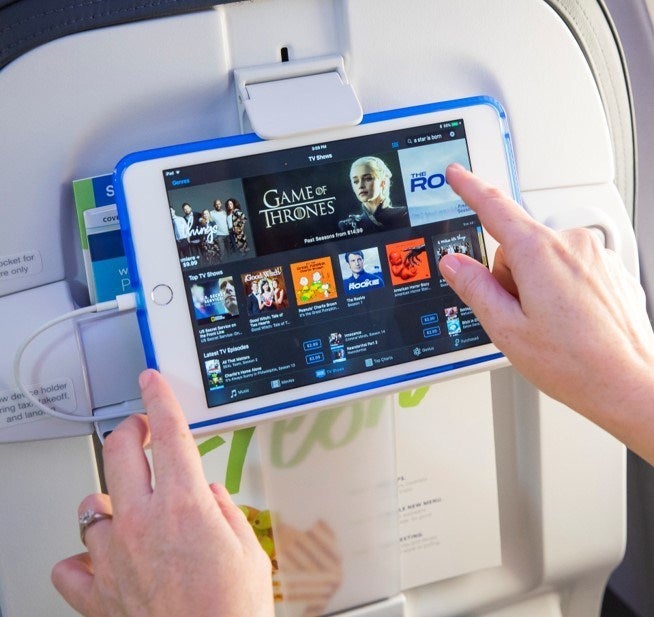
In addition to connectivity, Alaska Airlines provides a robust inflight entertainment portal, often accessible via the same Wi-Fi network but without requiring a paid internet pass. This portal typically includes a wide selection of movies, TV shows, and music, which passengers can stream to their personal devices (smartphones, tablets, laptops) free of charge. Accessing this entertainment usually requires downloading the Alaska Airlines mobile app before boarding or accessing it directly through the inflight portal in a web browser. This service complements the Wi-Fi offerings by providing ample entertainment options, reducing the need to consume personal data or stream from external sources.
Device Compatibility and Access

Connecting to Alaska Airlines’s Wi-Fi is designed to be straightforward. The system is compatible with most Wi-Fi-enabled devices, including:
- Smartphones: iOS and Android devices.
- Tablets: iPads, Android tablets, Microsoft Surface devices.
- Laptops: MacBooks, Windows laptops, Chromebooks.
To access the Wi-Fi, passengers simply need to ensure their device is in airplane mode with Wi-Fi enabled. They then connect to the “Alaska_WIFI” network, open a web browser, and they will be redirected to the Alaska Airlines Wi-Fi portal. From there, they can select the free messaging option, browse the free entertainment, or purchase a full Wi-Fi pass. It’s advisable to ensure devices are fully charged before the flight, as power outlets, while available on many Alaska Airlines aircraft, might be in high demand or temporarily unavailable.
Maximizing Your Connected Flight Experience
Having Wi-Fi onboard is one thing; leveraging it effectively to enhance your travel experience is another. A few strategic steps can ensure you get the most out of Alaska Airlines’s connectivity.
Pre-Flight Preparations and Expectations
- Charge Devices: Always ensure your phone, tablet, or laptop is fully charged before boarding. While power outlets are increasingly common, they are not guaranteed at every seat on every aircraft, especially older models, and demand can be high.
- Download Apps: If you plan to use messaging services or access Alaska Airlines’s free entertainment, download the necessary messaging apps (iMessage, WhatsApp, Facebook Messenger) and the Alaska Airlines app before you depart. Updates or new downloads might not be possible inflight, even with Wi-Fi, due to network limitations.
- Set Expectations: While satellite Wi-Fi is fast, it’s not identical to your home broadband. Speeds can fluctuate based on the number of users, the aircraft’s position relative to the satellite, and atmospheric conditions. It’s excellent for browsing, email, and social media, and generally good for streaming, but don’t expect flawless 4K video conferencing.
- Review Pricing: Check the latest Wi-Fi pricing on the Alaska Airlines website or app before your flight. While often consistent, prices can occasionally change.
Troubleshooting Common Issues
Even with advanced systems, minor hitches can occur. Here’s a quick guide to common troubleshooting:
- Cannot Connect to Network: Ensure airplane mode is on and Wi-Fi is toggled on. If still having issues, try restarting your device’s Wi-Fi or the device itself.
- Connected but No Internet: After connecting to “Alaska_WIFI,” open your browser. If the portal doesn’t appear, try navigating to a common website like
wifi.alaskaair.comorgoogle.com. Clear your browser cache or try a different browser. - Slow Speeds: If speeds are unusually slow, remember that it could be due to high usage. If it’s consistently poor, and others are experiencing the same, the crew might be able to provide an update or assistance, though they typically have limited control over the technical aspects of the Wi-Fi system.
- Payment Issues: If your payment isn’t going through, double-check your card details. Sometimes, a different card or payment method might resolve the issue. If the problem persists, you may need to speak with a flight attendant or contact customer service post-flight for a refund if you were charged but couldn’t connect.
Why Inflight Wi-Fi Matters for Modern Travelers
Inflight Wi-Fi has transitioned from a luxury to a fundamental expectation for many travelers. For business travelers, it means precious extra hours of productivity, allowing them to prepare for meetings, respond to urgent emails, or collaborate with colleagues. This can translate into fewer hours needed in the office and a better work-life balance.
For leisure travelers, Wi-Fi transforms flight time into personal time. They can stay connected with family, share moments of their journey in real-time on social media, catch up on news, or simply unwind with their favorite streaming content. Long-haul flights, in particular, become far more manageable when passengers have the option to fill their time as they would on the ground. The peace of mind that comes from knowing you can be reached in an emergency or simply stay informed is invaluable. For families, it can be a lifesaver, keeping children entertained with educational content or games. In essence, inflight Wi-Fi makes the journey itself a more integrated and enjoyable part of the overall travel experience, rather than merely a transit period.
The Future of Connectivity on Alaska Airlines and Beyond
The inflight connectivity landscape is continuously evolving, and Alaska Airlines is poised to continue enhancing its offerings, aligning with industry trends and passenger expectations. The competition among airlines to provide superior Wi-Fi is intense, driving innovation and better service for consumers.
Enhancements and Upcoming Upgrades
Alaska Airlines remains committed to maintaining a state-of-the-art inflight Wi-Fi experience. This means ongoing monitoring of network performance, seeking opportunities to upgrade hardware on existing aircraft, and ensuring that newly delivered aircraft come equipped with the latest and most capable satellite systems. As technology advances, passengers can anticipate even faster speeds, greater bandwidth, and potentially more personalized connectivity options.
One area of continuous improvement involves seamless integration. Efforts are often underway to make the connection process even smoother, perhaps with automatic reconnection features or better interoperability with airline loyalty programs. The goal is to make accessing Wi-Fi as effortless as connecting to a ground-based network. Furthermore, as Alaska Airlines updates and expands its fleet, especially with new Boeing MAX aircraft, these planes are generally outfitted with the most advanced connectivity systems available from providers like ViaSat or Intelsat from day one.
Industry Trends and Traveler Demands
The broader aviation industry is moving towards ubiquitous, high-quality connectivity. The expectation is no longer just “having Wi-Fi” but “having good Wi-Fi.” Key trends include:
- Increased Bandwidth: The demand for streaming and cloud-based services means airlines are constantly seeking higher bandwidth solutions to support multiple users simultaneously engaging in data-heavy activities.
- Lower Latency: Important for real-time applications like gaming and video conferencing, lower latency is a goal that next-generation satellite technologies are aiming to achieve.
- Global Coverage: As more flights traverse remote areas, poles, and oceans, comprehensive global coverage is becoming a standard expectation for major carriers.
- Personalization and Integration: Future Wi-Fi systems may offer more personalized experiences, potentially integrating with passenger loyalty accounts for tailored pricing or free access tiers.
- Focus on Reliability: Reliability is paramount. Passengers prefer a consistent, albeit slightly slower, connection over a very fast one that frequently drops out.
Alaska Airlines is well-positioned within this evolving landscape. By prioritizing satellite-based systems and offering a tiered approach that includes free messaging and robust paid options, they continue to meet the diverse needs of modern travelers, solidifying their commitment to enhancing the overall passenger journey with reliable, high-speed inflight Wi-Fi.
LifeOutOfTheBox is a participant in the Amazon Services LLC Associates Program, an affiliate advertising program designed to provide a means for sites to earn advertising fees by advertising and linking to Amazon.com. Amazon, the Amazon logo, AmazonSupply, and the AmazonSupply logo are trademarks of Amazon.com, Inc. or its affiliates. As an Amazon Associate we earn affiliate commissions from qualifying purchases.