
Navigating the intricacies of airline baggage policies is a fundamental aspect of modern travel planning, often dictating budget and packing strategies. For passengers considering Alaska Airlines, a common and critical question revolves around the cost of carrying on luggage. The good news for most travelers is that, yes, Alaska Airlines generally allows passengers to bring one standard carry-on bag and one personal item aboard their flights free of charge. However, understanding the precise dimensions, weight limits, and specific conditions associated with these policies is crucial to ensure a seamless journey.
This policy stands as a significant advantage for travelers, especially when compared to some airlines that have introduced fees for even overhead bin access. Alaska Airlines’ commitment to this standard practice reflects its passenger-centric approach, making it a preferred choice for many seeking value and convenience in air travel across the U.S., Canada, and Mexico. Nonetheless, awareness of the fine print, including variations based on fare class or aircraft type, is essential to avoid unexpected surprises at the gate.
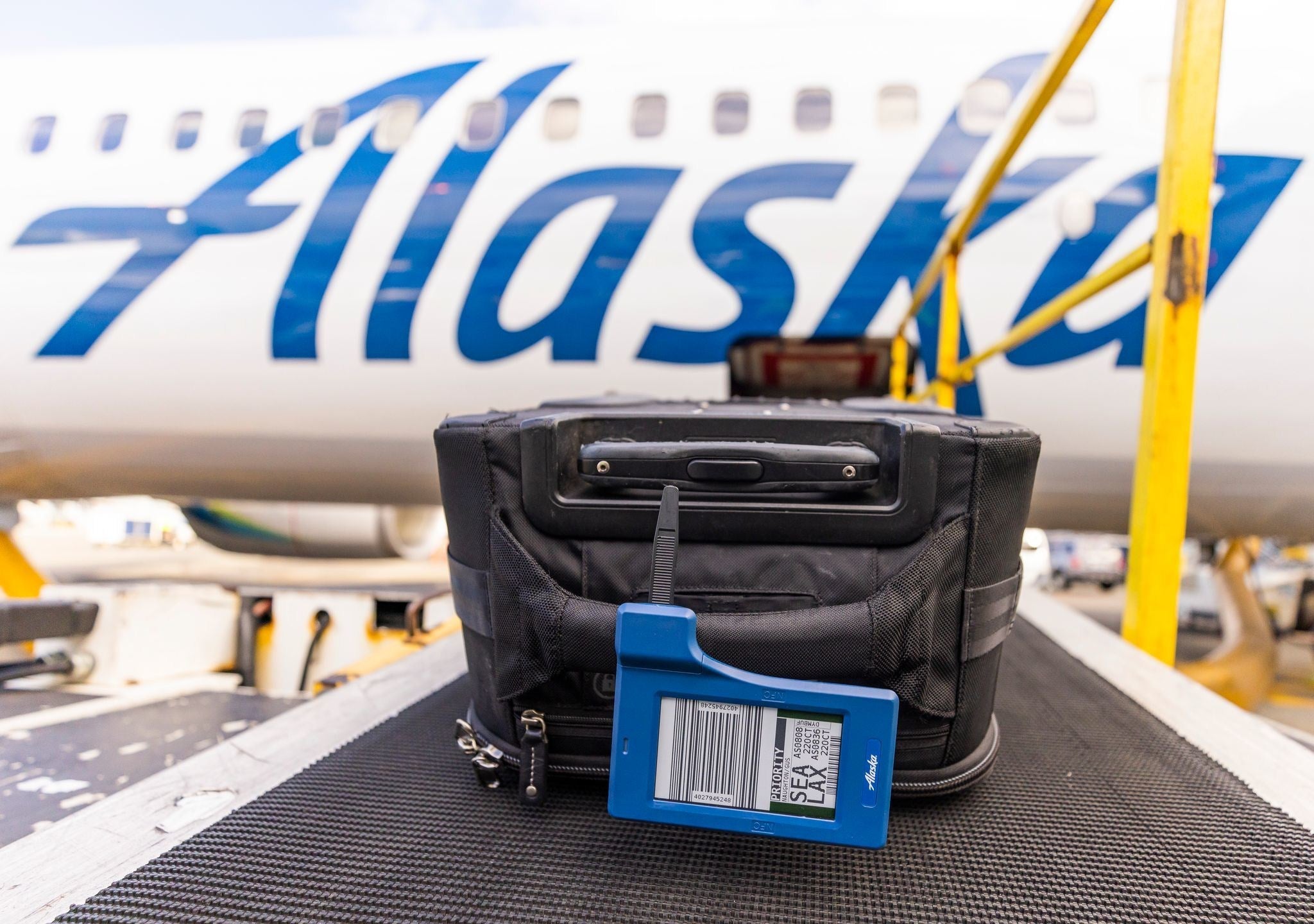
Decoding Alaska Airlines’ Carry-On Policies
Alaska Airlines’ standard carry-on policy is designed to be straightforward, offering most passengers the flexibility to bring their essential items into the cabin without additional cost. This policy is a cornerstone of the travel experience with the airline, differentiating it from carriers that have unbundled their services to include carry-on fees. The airline operates a diverse fleet, including Boeing 737s and regional jets operated by partners like Horizon Air and SkyWest Airlines, which can sometimes have slightly different overhead bin capacities. Regardless of the aircraft, the general principle of one carry-on and one personal item remains consistent.
The primary goal of these policies is to ensure passenger comfort, safety, and efficient boarding. By adhering to the stipulated dimensions, travelers help facilitate a smoother operation for the airline and a more pleasant experience for everyone on board. Overly large or numerous bags can lead to delays as gate agents must check them, or cabin crew must find space for them, often resulting in gate-checking items that could have been avoided with proper planning. This clarity from the outset helps manage expectations and streamlines the entire process, from check-in to deplaning.
Standard Carry-On Dimensions and Guidelines
For a standard carry-on bag, Alaska Airlines stipulates maximum dimensions, including wheels and handles, of 22 inches long x 14 inches wide x 9 inches high (22″ L x 14″ W x 9″ H). These dimensions are carefully chosen to ensure the bag fits comfortably in the overhead compartments of most aircraft in their fleet. While a specific weight limit for carry-on bags is not explicitly stated for most flights within the U.S., passengers are expected to be able to lift their bag into the overhead bin unassisted. For international flights, or those to specific destinations like Mexico or Canada, it’s always prudent to double-check for any potential weight restrictions that might apply.
Items that qualify as a standard carry-on typically include small suitcases, duffel bags, or backpacks that meet these dimension requirements. It’s also worth noting that items like musical instruments or fragile artworks might be allowed as carry-ons if they fit within the dimensions and can be safely stowed. However, for larger or irregularly shaped items, travelers should always consult Alaska Airlines directly or be prepared to purchase an additional seat or check the item. The airline maintains consistency in its rules to facilitate quicker boarding and reduce in-cabin congestion, enhancing the overall journey for all passengers.
Understanding Your Personal Item
In addition to the standard carry-on bag, Alaska Airlines also permits one personal item free of charge. This item is intended to be smaller and designed to fit under the seat in front of you. Common examples of personal items include purses, briefcases, laptop bags, small backpacks, or camera bags. While there aren’t strict dimension requirements for personal items as there are for standard carry-ons, the general rule of thumb is that it must be small enough to be stowed beneath the seat without impeding the space of the passenger next to you or restricting access to safety equipment.
Items like a coat, umbrella, diaper bag, car seat, or assistive devices (such as wheelchairs, crutches, or medical equipment) are typically considered exempt from the personal item count and can be brought on board in addition to your carry-on and personal item. This flexibility is particularly helpful for families traveling with infants or individuals with special needs, ensuring their essential items are readily accessible. Understanding this distinction is key to maximizing your free baggage allowance and ensuring a smooth security screening and boarding process.
Fare Classes and Their Influence on Your Baggage
While the general rule of a free carry-on and personal item holds true for most Alaska Airlines passengers, the specific fare class you book can sometimes introduce variations, particularly regarding flexibility and checked baggage options. It’s crucial for travelers to understand how different ticket types might affect their overall baggage strategy, especially for those prioritizing cost savings or specific amenities.
Alaska Airlines offers several fare classes, each designed to cater to different traveler needs and budgets. The most common fare types include ‘Main’ Cabin, ‘First Class,’ and occasionally ‘Saver’ fares, which are their basic economy equivalent. For the vast majority of ‘Main’ Cabin and ‘First Class’ passengers, the complimentary carry-on and personal item policy remains consistent. However, ‘Saver’ fares often come with more restrictions, impacting aspects beyond just carry-on.

Main Cabin and First Class Privileges
Passengers flying in Alaska Airlines’ Main Cabin or First Class enjoy the full benefits of the standard carry-on policy. This includes one free carry-on bag that meets the size requirements for the overhead bin, and one personal item that fits under the seat. This consistency provides peace of mind, allowing these passengers to plan their packing without concern for additional carry-on fees. First Class passengers, in particular, often benefit from increased checked baggage allowances, but their carry-on privileges mirror those of Main Cabin, underscoring the airline’s commitment to in-cabin convenience for all full-fare travelers.
This approach means that whether you’re traveling for business from Seattle to Anchorage, or on a leisure trip from Portland to Maui, if you’ve booked a standard or premium fare, your ability to bring essential items into the cabin at no extra cost is assured. This policy is a strong selling point for Alaska Airlines, especially for those who prefer to keep their belongings close and avoid baggage claim.
The Nuances of Saver Fares
Alaska Airlines’ “Saver” fares are their most restrictive and budget-friendly option. While they typically still include one free carry-on bag and one personal item, it is always imperative to review the specific terms and conditions when booking a Saver fare. Sometimes, depending on the route or promotional offer, these fares may have stricter rules around changes, seat assignments, and even baggage.
Historically, Alaska Airlines’ Saver fares have generally permitted a standard carry-on and a personal item, distinguishing them from some other airlines’ basic economy offerings that restrict carry-ons to only a personal item unless a fee is paid. This makes Alaska Airlines’ Saver fare an attractive option for budget-conscious travelers who still wish to bring a carry-on. However, potential changes to these policies are always possible, so verifying the current rules on the airline’s official website at the time of booking is the best practice. The key takeaway is that even with the lowest fare, Alaska Airlines strives to maintain a reasonable level of carry-on flexibility for its passengers.
Strategic Packing: Tips for a Seamless Travel Experience
Understanding Alaska Airlines’ carry-on policies is just the first step; strategic packing is equally vital to ensure a smooth and stress-free travel experience. Maximizing your free carry-on allowance requires careful planning and smart utilization of space, especially if you’re aiming to avoid checked baggage fees altogether. Effective packing not only saves money but also time, as you bypass baggage claim upon arrival at destinations like Fairbanks or Juneau.
The essence of smart packing for carry-on travel revolves around efficiency, versatility, and adherence to security regulations. By adopting certain habits and leveraging clever packing techniques, travelers can comfortably fit essentials into their permitted bags, making their journey more convenient and enjoyable.
Maximizing Space and Organization
To make the most of your carry-on space, consider investing in lightweight luggage that meets Alaska Airlines’ dimensions. Packing cubes are invaluable tools for compressing clothes and organizing items efficiently, allowing you to fit more into your bag while keeping it tidy. Rolling clothes tightly rather than folding them can also save significant space and minimize wrinkles. Think about wearing your bulkiest items, like heavy jackets or boots, on the plane to free up valuable room in your carry-on.
When packing your personal item, prioritize items you’ll need access to during the flight, such as your passport, wallet, phone, medications, snacks, and entertainment. This keeps essentials within easy reach under the seat, preventing the need to access the overhead bin mid-flight. Always ensure liquids, aerosols, and gels adhere to TSA’s 3-1-1 rule for carry-on bags, and pack them in a clear, quart-sized bag for easy removal at security checkpoints.
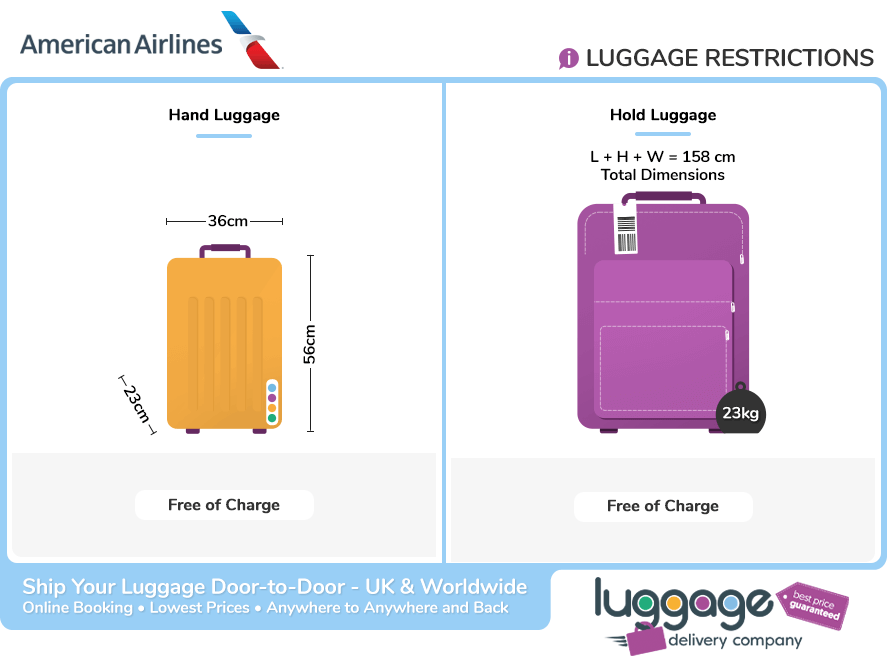
Avoiding Gate-Checking Surprises
Even with a free carry-on policy, situations can arise where your bag might be gate-checked. This typically occurs for two main reasons: your bag exceeds the size limits, or the overhead bins are full. To avoid this inconvenience, always measure your carry-on bag before heading to the airport. Many luggage manufacturers list the dimensions, but an actual measurement is best. At the airport, utilize the sizers often found near the check-in counters or gate areas to confirm your bag’s compliance.
If your flight is particularly full, airlines may make an announcement requesting volunteers to gate-check their carry-ons, especially on smaller aircraft like those used for regional routes in the Pacific Northwest or to smaller Alaskan cities. While gate-checking is usually free of charge in these circumstances, it still adds a step to your journey as you’ll have to retrieve your bag planeside or at baggage claim. Boarding earlier, if your fare class or elite status allows, can also secure your spot in the overhead bin. By being prepared and proactive, you can significantly reduce the likelihood of unexpected baggage handling and ensure your journey with Alaska Airlines remains as smooth as possible.
LifeOutOfTheBox is a participant in the Amazon Services LLC Associates Program, an affiliate advertising program designed to provide a means for sites to earn advertising fees by advertising and linking to Amazon.com. Amazon, the Amazon logo, AmazonSupply, and the AmazonSupply logo are trademarks of Amazon.com, Inc. or its affiliates. As an Amazon Associate we earn affiliate commissions from qualifying purchases.