
Traveling to Alaska, the Last Frontier, evokes images of majestic glaciers, towering mountains, abundant wildlife like bears and moose, and vast, untouched wilderness. Many prospective visitors, however, often ponder a less glamorous, yet equally pertinent question about its natural inhabitants: Does Alaska have spiders? The answer, unequivocally, is yes. While the cold climate might suggest a hostile environment for arachnids, Alaska’s diverse ecosystems support a surprisingly varied population of spiders, each playing a vital role in the intricate balance of its wilderness. For travelers embarking on an Alaskan adventure, understanding these eight-legged residents is part of embracing the full spectrum of its wild beauty.

Unveiling Alaska’s Arthropod Landscape for Travelers
The perception that Alaska is too frigid to host a significant spider population is a common misconception. While the species diversity may not rival tropical regions, Alaska’s short, intense summers provide ample opportunity for spiders to thrive, reproduce, and contribute to the local ecosystem. For anyone planning a trip, acknowledging their presence is simply part of preparing for a genuine wilderness experience.
Dispelling the Myth: The Reality of Alaskan Spiders
Alaska’s vast landscapes, from coastal rainforests to alpine tundras, create a myriad of habitats suitable for various spider species. These resilient creatures have evolved fascinating adaptations to survive the region’s unique climate challenges, including long winters and brief, yet vibrant, summers. Far from being barren, the Alaskan environment, particularly during its warmer months, teems with insect life, providing a rich food source for spiders, which in turn helps regulate insect populations. This natural control is often appreciated by travelers who might otherwise contend with swarms of mosquitoes and black flies during peak season.
Common Species Encountered by Visitors
While you won’t typically find large, exotic tarantulas roaming the Alaskan wilderness, visitors might encounter several common spider types. Among the most prevalent are Wolf Spiders, known for their robust build and exceptional hunting skills, often seen scurrying across trails or leaf litter. Orb Weavers are another common sight, particularly their intricate, circular webs often strung between trees or shrubs, especially around cabins and campsites. Funnel Weavers create sheet-like webs with a funnel-shaped retreat, often found in grassy areas or under rocks. Jumping Spiders, with their keen eyesight and sudden movements, are small but noticeable, and are often quite curious. These species are generally harmless to humans, preferring to avoid confrontation and focusing on their insect prey. Their presence is a testament to the healthy biodiversity of the Alaskan wilderness.
Where Travelers Might Encounter Them
Spiders in Alaska are integral to virtually every outdoor environment. Travelers are most likely to encounter them in wooded areas, dense undergrowth along hiking trails, and around cabins or campsites in remote locations like Denali National Park or the Chugach National Forest. They often seek shelter under rocks, logs, or within vegetation. Inside rustic accommodations, such as cabins or remote lodges, it’s not uncommon to spot a spider in a corner or near a window, simply seeking a warm, sheltered spot to hunt. Viewing these creatures as part of the natural backdrop enhances the immersion in Alaska’s raw, untamed beauty.
Understanding Spider Behavior and Habitat in the Last Frontier
The lives of Alaskan spiders are intricately woven into the fabric of their environment. Their adaptations and behaviors are fascinating examples of nature’s resilience, especially within a land characterized by extreme seasonal shifts.
Adaptations to the Alaskan Climate
To survive the long, cold winters, Alaskan spiders employ various strategies. Many species enter a state of dormancy or hibernation, often as eggs, juveniles, or even adults, seeking refuge in protected microclimates beneath bark, within soil, or under snow cover. Some produce a natural “antifreeze” in their bodies, allowing them to withstand sub-zero temperatures. During the brief summer, they accelerate their life cycles, growing, mating, and laying eggs rapidly to ensure the next generation is ready for the onset of winter. This accelerated life cycle is why spiders can be quite active and noticeable during the peak tourist season from May to September.
Their Role in the Ecosystem
From a traveler’s perspective, understanding the ecological role of spiders can turn a potential apprehension into an appreciation. Spiders are natural predators of insects, including the notoriously abundant Alaskan mosquitoes and flies. By keeping these insect populations in check, spiders contribute to a more comfortable outdoor experience for visitors exploring trails around Anchorage or embarking on fishing expeditions near Kodiak Island. They are a crucial component of the food chain, serving as a food source for birds, small mammals, and other invertebrates, thereby underpinning the health of the entire ecosystem.
Seasonal Presence and Activity
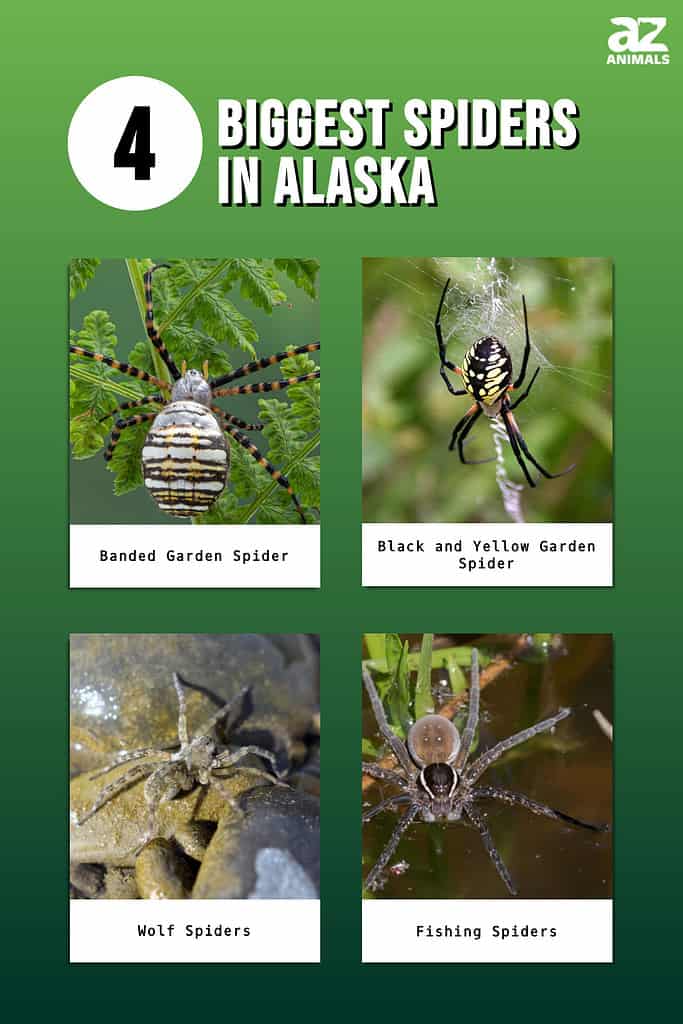
Spider activity in Alaska is highly seasonal. During the spring thaw and throughout the summer months (roughly May to September), spiders are most active. This period coincides perfectly with the prime travel season. As temperatures rise and insect populations explode, spiders emerge from their winter dormancy to hunt, mate, and lay eggs. Visitors exploring areas like the Kenai Fjords National Park or the wilderness surrounding Fairbanks will likely observe more spiders during these warmer months. Come autumn, as temperatures drop, their activity wanes, and they seek overwintering sites once again.
Addressing Traveler Concerns: Are Alaskan Spiders Dangerous?
The primary concern for many travelers regarding spiders revolves around potential dangers, particularly venomous bites. It’s important for visitors to Alaska to approach this topic with accurate information rather than fear.
Venomous Spiders: A Rare Concern
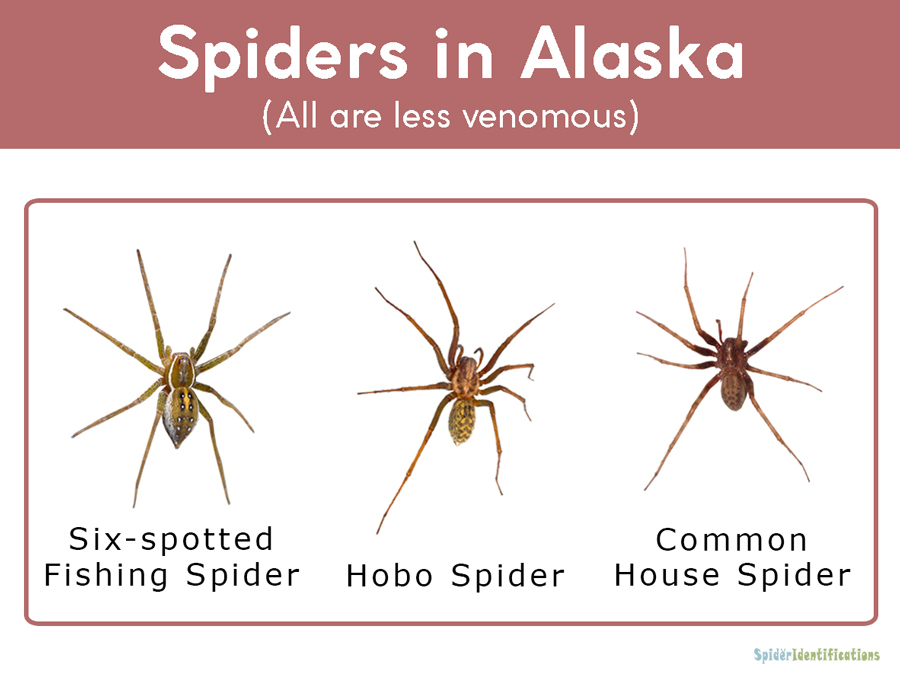
For travelers to Alaska, the good news is that medically significant venomous spiders like the Black Widow or Brown Recluse are not native to the state. The harsh climate and isolated geography make it extremely difficult for such species to establish viable populations. While it’s theoretically possible for an isolated individual to be inadvertently transported into the state, encounters are exceedingly rare and not a genuine concern for travelers exploring the wilderness or urban centers like Juneau. The vast majority of Alaskan spiders are harmless to humans, their venom primarily adapted for subduing insect prey, not for causing significant harm to large mammals.
Minor Bites and Reactions
While Alaskan spiders are not considered dangerous, any spider has the capacity to bite if it feels threatened or is accidentally pressed against the skin. Such bites are typically minor, comparable to a bee sting or mosquito bite, causing localized redness, swelling, and mild discomfort. Allergic reactions are possible, as with any insect bite, but are not specific to Alaskan spider species. It’s always wise to clean any bite with soap and water and monitor it for any signs of infection, a general wilderness first aid practice applicable to any minor skin irritation.
Precautions for Peace of Mind
For those who are particularly wary of spiders, a few simple precautions can help ensure a more comfortable trip. When hiking or camping, wear long pants and sleeves to minimize skin exposure. Before putting on shoes or clothing that have been left outdoors, give them a quick shake to dislodge any lurking inhabitants. Keeping tent zippers closed and screens repaired will help keep not only spiders but also other insects outside your sleeping quarters. While not specifically spider repellents, insect repellents designed for mosquitoes can also deter other arthropods from landing on you. Ultimately, maintaining awareness and respect for the natural environment will go a long way in ensuring a pleasant and worry-free Alaskan travel experience.
Experiencing Alaska’s Wilderness: Spiders as Part of the Journey
Embracing the full scope of Alaska’s wilderness means appreciating all its inhabitants, from the grandeur of a grizzly bear to the intricate beauty of an orb weaver’s web glistening with morning dew. Spiders, like all creatures in this rugged land, are a testament to nature’s enduring power and adaptability.
Wildlife Observation Beyond the Big Game
While the lure of spotting iconic wildlife such as moose, caribou, whales, and bears is a primary draw for many Alaskan travelers, taking a moment to observe the smaller inhabitants can add another layer of richness to the journey. Watching a Wolf Spider stalk its prey or admiring the delicate engineering of an Orb Weaver’s web provides a unique perspective on the intricate food web that sustains this vibrant ecosystem. These smaller wonders are often overlooked but are just as much a part of the true Alaskan experience.
Maintaining a Respectful Distance
As with any wildlife, the best practice is to observe spiders from a respectful distance. There’s no need to handle them, and doing so can stress the creature or provoke a defensive bite. Simply letting them go about their business ensures safety for both the traveler and the spider. This philosophy of respectful coexistence is key to enjoying any wilderness destination, particularly one as untamed as Alaska.
Recommended Travel Gear and Preparation
When packing for an Alaskan adventure, practical gear is paramount. Good quality hiking boots, durable outdoor clothing including long pants and long-sleeved shirts, and effective insect repellent are staples. A reliable tent with intact mesh screens is essential for campers. While these items are primarily for protection against weather and more commonly bothersome insects, they also serve to indirectly mitigate any concerns about spiders. Being well-prepared allows you to focus on the awe-inspiring scenery and unique experiences that only Alaska can offer, confident in the knowledge that you are ready for all aspects of its wild and wonderful nature, spiders included.
LifeOutOfTheBox is a participant in the Amazon Services LLC Associates Program, an affiliate advertising program designed to provide a means for sites to earn advertising fees by advertising and linking to Amazon.com. Amazon, the Amazon logo, AmazonSupply, and the AmazonSupply logo are trademarks of Amazon.com, Inc. or its affiliates. As an Amazon Associate we earn affiliate commissions from qualifying purchases.