
Absolutely, Alaska is a land profoundly shaped by fire, boasting a remarkable concentration of volcanoes that contribute significantly to its dramatic landscapes and unique travel appeal. Far from being a dormant wilderness, the Last Frontier is an active segment of the Pacific “Ring of Fire,” a horseshoe-shaped belt around the Pacific Ocean where a large number of earthquakes and volcanic eruptions occur. For travelers seeking an unparalleled experience with raw, untamed nature, Alaska’s volcanic terrain offers both breathtaking beauty and a tangible connection to the planet’s powerful geological forces.
The Ring of Fire’s Alaskan Arc
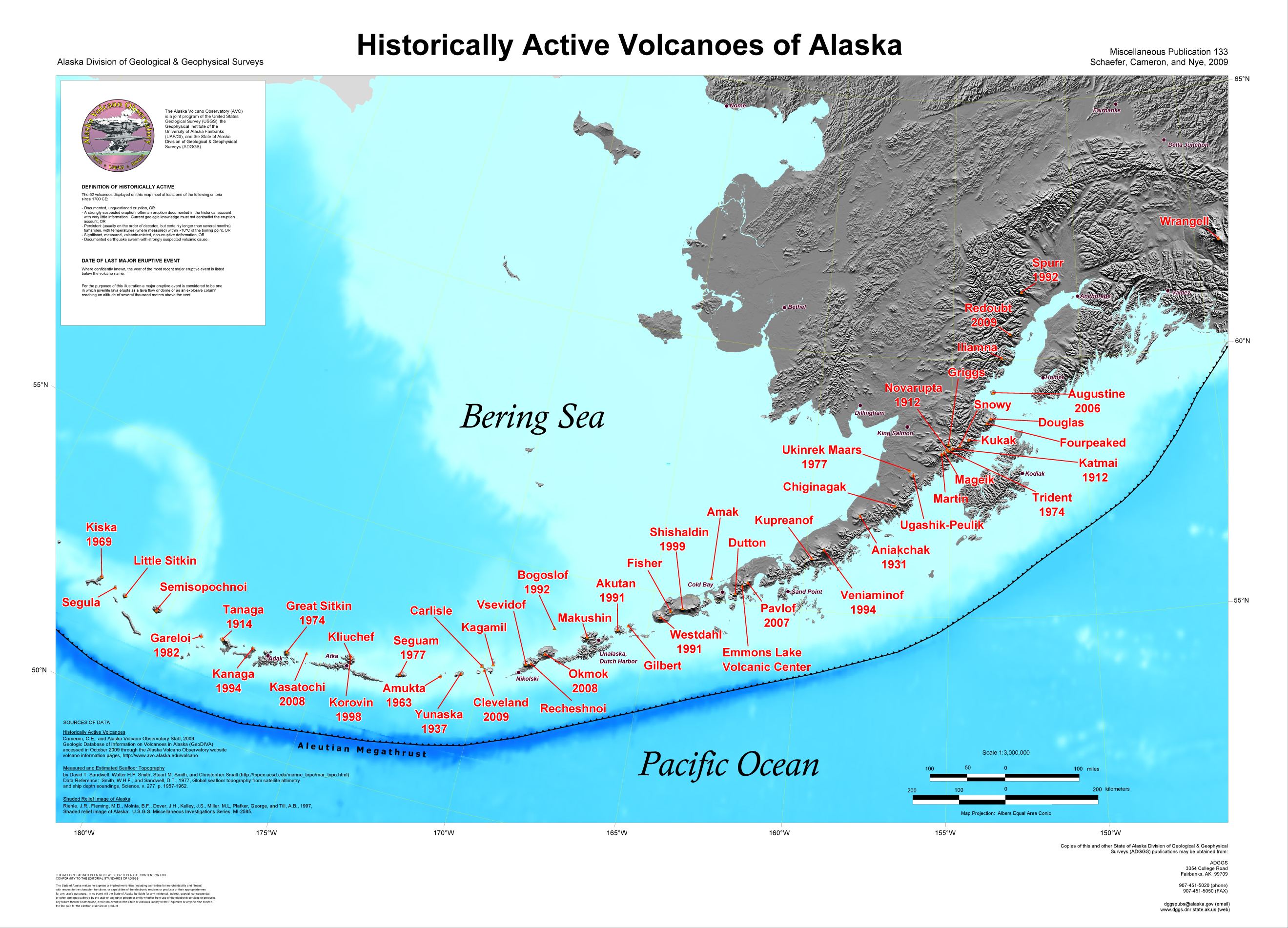
Alaska’s position along the Ring of Fire is the primary reason for its prolific volcanic activity. This geologically active zone is characterized by subduction zones, where oceanic plates dive beneath continental plates, melting and creating magma that rises to the surface, forming volcanoes. The Aleutian Arc, a curving chain of volcanoes, islands, and undersea mountains, stretches for over 1,500 miles from the Alaska Peninsula to the westernmost Aleutian Islands. This arc alone accounts for more than 80 major volcanoes, a figure that places Alaska among the most volcanically active regions globally.
A Land Forged by Fire and Ice
The interplay between volcanic activity and glacial processes has created Alaska’s iconic “fire and ice” landscapes. Glaciers carve towering peaks, and volcanic eruptions add layers of ash and lava, creating distinctive formations. This geological dance has resulted in a landscape of stark contrasts: snow-capped stratovolcanoes rising dramatically from the sea, vast ash fields, and thermal springs bubbling to the surface. Understanding this dynamic history enriches the travel experience, allowing visitors to appreciate the forces that continue to sculpt this extraordinary wilderness.
Unseen Giants: Accessibility and Observation
While Alaska has over 130 volcanoes and volcanic fields, with approximately 50 historically active, many are located in remote areas, particularly along the Aleutian Islands. This remoteness means that while they are significant geological features, not all are easily accessible for direct visitation. However, their presence is keenly felt, often visible from great distances, and their eruptions can impact air travel across the Pacific. The Alaska Volcano Observatory (AVO) diligently monitors these giants, providing crucial information for both aviation safety and scientific research.
Key Volcanic Regions and Prominent Peaks
For travelers, certain volcanic regions in Alaska stand out as prime destinations, offering unique opportunities to witness the raw power and beauty of these natural phenomena.
The Aleutian Islands: A Chain of Fire
The Aleutian Islands are arguably the heart of Alaska’s volcanic activity. This remote archipelago is a string of active and dormant volcanoes stretching towards Russia. While visiting many of these islands requires significant planning and resources, usually by specialized charter flights or expedition cruises, the rewards are immense. Highlights include:
- Mount Cleveland: One of the most active volcanoes in the Aleutian Arc, Mount Cleveland is a nearly perfect symmetrical cone often seen with a plume of steam or ash. Its remoteness on Chuginadak Island makes it a subject primarily for aerial observation.
- Shishaldin Volcano: Located on Unimak Island, Shishaldin is another stunningly symmetrical stratovolcano, frequently active. Its classic conical shape makes it a favorite subject for photographers and a majestic sight for those on expedition tours.
- Okmok Volcano: Found on Umnak Island, Okmok is a large caldera with a complex history of eruptions. Its unique geological features offer insights into large-scale volcanic processes.
Katmai National Park and Preserve: Valley of Ten Thousand Smokes
For more accessible and impactful volcanic experiences, Katmai National Park and Preserve on the Alaska Peninsula is a paramount destination. In 1912, the eruption of Novarupta (near Mount Katmai) was one of the largest in the 20th century, creating the famous Valley of Ten Thousand Smokes. This vast ash-filled valley, once riddled with fumaroles, is a stark reminder of the eruption’s power.
- Visiting the Valley: Travelers can experience the Valley of Ten Thousand Smokes via guided bus tours from Brooks Camp. This allows for exploration of the ash-covered landscape, offering a surreal experience akin to walking on another planet. The scale of the eruption is still evident, even over a century later.
- Wildlife and Volcanic Context: While Katmai is world-renowned for its brown bears fishing for salmon at Brooks Falls, the volcanic landscape provides the dramatic backdrop. The nutrient-rich volcanic soil, combined with abundant water sources, creates a fertile environment that supports Katmai’s robust ecosystem.
The Cook Inlet Volcanoes
Closer to Anchorage, Alaska’s largest city, several active volcanoes dot the landscape surrounding Cook Inlet. These are often visible on clear days from the city, particularly from viewpoints like Turnagain Arm or during scenic flights. Their proximity to populated areas means their activity is closely watched.

- Mount Redoubt: A stratovolcano known for its dramatic eruptions, Mount Redoubt is a prominent peak on the western side of Cook Inlet. Its ice-clad summit and steep slopes make it a striking sight.
- Mount Spurr: Also visible from Anchorage, Mount Spurr is another active stratovolcano that has significantly impacted air traffic during past eruptions. Its jagged, glaciated peak contributes to the iconic Alaska skyline.
- Mount Iliamna: This deeply eroded stratovolcano, while not as frequently active with large eruptions as some others, is known for persistent fumarolic activity. Its majestic presence on the horizon is a constant reminder of Alaska’s fiery heart.
Experiencing Alaskan Volcanoes: Travel & Safety
For the intrepid traveler, Alaska’s volcanoes offer a range of unique experiences, from awe-inspiring aerial views to immersive ground explorations.
Flightseeing Tours: An Aerial Perspective
One of the most popular and often the most practical ways to appreciate Alaska’s volcanoes, especially the more remote ones, is through flightseeing tours. Operators from Anchorage, Homer, and other towns offer tours that fly over active and dormant peaks, providing unparalleled photographic opportunities and a sense of the sheer scale of the landscape. These tours often combine volcanic viewing with glacier viewing, showcasing the full spectrum of Alaska’s geological wonders.
Hiking and Exploring Volcanic Landscapes
For those seeking a more hands-on experience, hiking within volcanic regions like Katmai National Park or on the Alaska Peninsula allows for intimate exploration. Trails lead through ash fields, past crater lakes, and up to vantage points offering panoramic views of the volcanic landscape. These adventures require appropriate gear, preparation for rugged conditions, and often, permits or guided access. The volcanic soil supports unique flora, and the remote locations promise incredible solitude.
Understanding Volcanic Activity and Safety
While experiencing Alaska’s volcanoes is thrilling, understanding the associated risks and safety protocols is crucial. The Alaska Volcano Observatory provides real-time updates on volcanic activity, including aviation color codes and ground alerts. Travelers planning to visit volcanic areas should always check current conditions, adhere to park regulations, and consider traveling with experienced guides. Local tour operators are well-versed in the safety measures necessary to navigate these dynamic environments.
Beyond the Eruptions: The Broader Impact on Alaskan Travel
The presence of volcanoes in Alaska extends beyond their immediate geological features, influencing the entire travel ecosystem and cultural fabric of the state.
Unique Ecosystems and Wildlife
Volcanic activity creates unique microclimates and soil compositions that support specialized ecosystems. Geothermal areas provide warmth, attracting wildlife in colder months, while nutrient-rich ash from eruptions can enhance soil fertility, leading to lush vegetation that supports animal populations. This contributes to Alaska’s incredible biodiversity, offering opportunities for wildlife viewing in environments profoundly shaped by volcanic forces. Hot springs, often found in volcanic regions, offer natural therapeutic experiences, creating attractions like Chena Hot Springs for travelers.
Cultural Significance and Indigenous Connections
For Alaska’s Indigenous peoples, particularly the Aleut and Alutiiq communities, volcanoes are not just geological features but deeply intertwined with their history, myths, and spiritual beliefs. These towering peaks often feature in traditional stories and represent powerful entities that shape the land and their way of life. Exploring these regions also offers a chance to learn about the enduring cultural heritage connected to these natural wonders.

Photography and Scenic Beauty
For photographers and nature enthusiasts, Alaska’s volcanoes present endless opportunities. The stark beauty of ash-covered valleys, the dramatic silhouettes of active cones against sunrise or sunset, and the contrast of glaciers meeting volcanic rock create truly unique and memorable scenes. Whether capturing the subtle plumes of a simmering peak or the vastness of a caldera, the volcanic landscapes of Alaska provide a compelling subject for any traveler’s camera.
In conclusion, Alaska is indeed a volcanic hotspot, offering travelers a chance to witness the planet’s raw power firsthand. From the remote Aleutian Islands to the accessible wonders of Katmai National Park, these fiery peaks are integral to Alaska’s identity as a premier destination for adventurous and awe-inspired exploration.
LifeOutOfTheBox is a participant in the Amazon Services LLC Associates Program, an affiliate advertising program designed to provide a means for sites to earn advertising fees by advertising and linking to Amazon.com. Amazon, the Amazon logo, AmazonSupply, and the AmazonSupply logo are trademarks of Amazon.com, Inc. or its affiliates. As an Amazon Associate we earn affiliate commissions from qualifying purchases.