
Navigating the vast landscape of airline routes and understanding which carriers serve specific, often remote, destinations is a crucial aspect of travel planning. For many aspiring adventurers, Alaska represents the pinnacle of wilderness travel, a destination defined by its majestic glaciers, abundant wildlife, and rugged beauty. When considering travel to the Last Frontier, a common question arises regarding the availability of budget carriers like Frontier Airlines. While Frontier Airlines is a well-known ultra-low-cost carrier across much of the United States, its operational footprint does not extend to the vast expanses of Alaska. This article delves into the reasons behind this absence, explores the unique characteristics of the Alaskan air travel market, and provides insights into alternative airlines that can transport you to this extraordinary state.
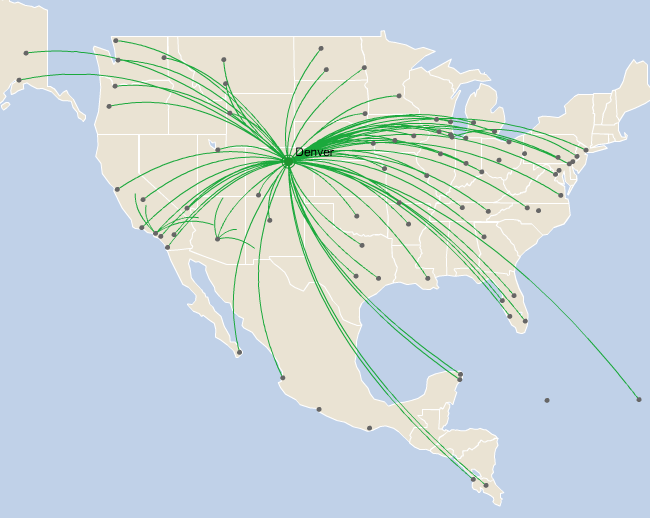
Understanding Frontier Airlines’ Network and Business Model
Frontier Airlines operates on an ultra-low-cost carrier (ULCC) model, which dictates its network strategy and service offerings. The core of this model is to provide the lowest possible base fares, achieved by minimizing operational costs. This often translates into a specific approach to routes, aircraft utilization, and customer services.
The Ultra-Low-Cost Strategy
Frontier Airlines primarily focuses on point-to-point routes, often bypassing major hub airports to serve smaller or secondary airports directly. This strategy allows them to avoid the congestion and higher fees associated with larger facilities, contributing to lower operating costs. Their fleet consists almost entirely of Airbus A320 family aircraft, which are fuel-efficient for medium-haul domestic flights. The airline typically targets leisure travelers, offering competitive fares to popular vacation spots across the U.S., Mexico, and the Caribbean.
Route Selection and Hub Operations
Unlike full-service carriers that build complex hub-and-spoke networks, Frontier Airlines’ network is more fluid, adding and removing routes based on seasonal demand and profitability. Their main operational bases include Denver International Airport, Orlando International Airport, and McCarran International Airport in Las Vegas, among others. These locations serve as key departure points for their predominantly leisure-focused domestic and international routes. The geographical constraints and the specific demands of the Alaskan market typically do not align with Frontier Airlines’ established operational model for several reasons, primarily due to the longer flight times, lower population density, and the distinct nature of Alaskan travel.
The Alaskan Market: Unique Challenges and Opportunities for Airlines
Alaska’s vastness, challenging geography, and seasonal demand present a unique operational environment for airlines. Understanding these factors helps explain why some carriers thrive there while others do not enter the market.
Geographical and Logistical Hurdles
Alaska is the largest state in the U.S. by area, characterized by rugged mountain ranges, extensive coastlines, and often unpredictable weather conditions. The primary international gateway is Ted Stevens Anchorage International Airport (ANC), with other significant airports in Fairbanks (FAI) and Juneau (JNU). Flights to Alaska from the Lower 48 are typically longer than many domestic routes, requiring more fuel and potentially limiting aircraft utilization within a ULCC model that thrives on quick turnarounds. The extreme weather, particularly in winter, can lead to significant operational disruptions, including delays and cancellations, which are costly for any airline, especially those operating on thin margins.
Demographics and Demand Patterns
The population of Alaska is relatively small and dispersed, meaning less consistent local demand compared to more densely populated regions. While tourism booms in the summer months, fueled by cruise ship passengers and adventure seekers, demand significantly wanes during the long winter. This seasonal fluctuation makes it challenging for airlines to maintain year-round profitable service without adapting their capacity. Alaskan travelers also often require more baggage capacity for outdoor gear, which can conflict with the strict baggage policies of ULCCs. The primary clientele flying to Alaska often consists of tourists arriving for cruises, wilderness expeditions, or fishing trips, along with residents traveling for work or family. These travelers often prioritize reliability, comprehensive service, and baggage allowance over the absolute lowest fare.
Frontier Airlines’ Absence in Alaska

As of the latest available information, Frontier Airlines does not operate flights to Alaska. This strategic decision stems directly from the misalignment between the unique demands of the Alaskan market and Frontier Airlines’ ultra-low-cost business model.
Why No Alaskan Routes?
Several factors contribute to Frontier Airlines’ absence from the Alaskan market:
- Longer Flight Distances: Flights from most major U.S. cities to Anchorage are significantly longer than Frontier’s typical routes. For instance, a flight from Denver to Anchorage can be over 5 hours, while flights from the East Coast might involve stopovers or even longer direct flight times. These longer hauls consume more fuel and increase operational costs, eroding the ULCC advantage.
- Seasonal Demand Volatility: The pronounced seasonality of Alaskan travel makes it difficult for an airline focused on consistent, high-frequency leisure routes to maintain profitability year-round. While summer demand is high, the winter drop-off could lead to underutilized aircraft and crews, which is anathema to a ULCC model.
- Baggage and Service Expectations: Travelers to Alaska often require specialized gear for outdoor activities, leading to more checked baggage, oversized items, and often higher baggage weights. Frontier’s model relies heavily on ancillary fees, including those for baggage. However, the sheer volume and nature of baggage for Alaskan trips might make their fee structure less competitive or desirable for this particular market segment compared to carriers with more generous allowances or specialized services.
- Competition from Established Carriers: The Alaskan market is well-served by established carriers with strong regional networks and operational expertise in the unique environment. Alaska Airlines, for instance, has a dominant presence and caters specifically to the needs of Alaskan residents and visitors. Other major airlines like Delta Air Lines, United Airlines, and American Airlines also offer extensive service, often through their hubs in Seattle, Portland, Minneapolis, and Salt Lake City.
Exploring Alternative Airlines for Your Alaskan Journey
While Frontier Airlines may not be an option, numerous reputable airlines offer excellent service to Alaska, providing diverse choices for travelers.
Major Carriers Serving Alaska
- Alaska Airlines: Without a doubt, Alaska Airlines is the most prominent carrier serving the state. With its primary hub in Seattle (SEA), it offers the most extensive network of flights to Anchorage, Fairbanks, Juneau, and many smaller regional airports. Their deep understanding of the Alaskan market, frequent flights, and robust cargo operations make them the go-to choice for many.
- Delta Air Lines: Delta provides substantial service to Anchorage and Fairbanks, primarily from its Seattle, Minneapolis/St. Paul, and Salt Lake City hubs. They offer a comfortable experience with various cabin classes.
- United Airlines: United offers seasonal and year-round flights to Anchorage and Fairbanks from its hubs in Denver, Chicago, and Houston, connecting travelers from across the U.S.
- American Airlines: American also provides seasonal service to Anchorage, typically from its hubs in Dallas/Fort Worth and Chicago, catering to summer tourist demand.
- Sun Country Airlines: This low-cost carrier offers seasonal flights to Anchorage from Minneapolis/St. Paul, providing a budget-friendly alternative during peak season.
Tips for Booking Your Alaskan Flight
- Book in Advance: Especially for summer travel, flights to Alaska fill up quickly and prices tend to rise. Booking several months ahead is advisable.
- Consider Baggage Needs: Review each airline’s baggage policy carefully, particularly if you’re bringing camping gear, fishing equipment, or other specialized luggage.
- Check Hub Connections: Many flights to Alaska connect through major West Coast cities like Seattle or Portland. Factor in layover times and potential disruptions.
- Flexibility with Dates: Traveling slightly off-peak (late spring or early fall) can sometimes yield better fares and fewer crowds.
Planning Your Trip to Alaska: Beyond the Flight
While the flight is the initial step, a memorable Alaskan adventure requires comprehensive planning, integrating various elements of travel.
Best Time to Visit and Key Destinations
The most popular time to visit Alaska is during the summer months (June to August), offering long daylight hours, warmer temperatures, and access to all attractions. This is ideal for wildlife viewing, hiking in Denali National Park, cruising the Inside Passage or Kenai Fjords National Park, and fishing. Winter offers unique experiences like viewing the Northern Lights, dog sledding, and skiing.
Major hubs like Anchorage serve as excellent starting points for exploring south-central Alaska, including the Kenai Peninsula and access to Denali. Fairbanks is the gateway to the Arctic Circle and a prime location for winter aurora viewing. For cruise passengers, coastal cities like Juneau, Skagway, and Ketchikan offer rich cultural and historical experiences amidst stunning scenery.

Essential Travel Considerations
- Accommodation: Book accommodations well in advance, especially during peak season. Options range from luxury lodges and hotels in major cities to rustic cabins and campgrounds in national parks.
- Transportation within Alaska: Renting a car is often the best way to explore parts of Alaska, particularly in the south-central region. However, some areas are only accessible by small plane, boat, or train. Consider bus tours for guided excursions to popular attractions.
- Packing: Layered clothing is essential for Alaska’s unpredictable weather. Include waterproof outerwear, sturdy hiking boots, insect repellent, and sun protection.
- Activities: Plan activities based on your interests, whether it’s glacier dog sledding, bear viewing, flightseeing tours, kayaking, or simply enjoying the unparalleled natural beauty.
- Travel Insurance: Given the adventurous nature of many Alaskan trips and the potential for weather-related delays, travel insurance is highly recommended.
In conclusion, while Frontier Airlines does not currently serve Alaska, the state is well-connected by a range of reliable carriers. By understanding the dynamics of the Alaskan travel market and choosing an airline that aligns with your specific travel needs, you can ensure a smooth and enjoyable start to your unforgettable Alaskan adventure.
LifeOutOfTheBox is a participant in the Amazon Services LLC Associates Program, an affiliate advertising program designed to provide a means for sites to earn advertising fees by advertising and linking to Amazon.com. Amazon, the Amazon logo, AmazonSupply, and the AmazonSupply logo are trademarks of Amazon.com, Inc. or its affiliates. As an Amazon Associate we earn affiliate commissions from qualifying purchases.