
For many, the appeal of Ikea lies in its unique blend of modern design, practical functionality, and accessible pricing. The global Swedish retailer has carved out a significant niche, becoming synonymous with furnishing contemporary homes. However, for residents of the Last Frontier, the question of acquiring these sought-after items often comes with a distinct set of logistical challenges. The dream of outfitting a home with modular storage solutions or iconic flat-pack furniture prompts a common query: Does Ikea ship directly to Alaska? The straightforward answer, unfortunately, is no. Ikea does not offer direct shipping services to the vast and often remote landscapes of Alaska. This reality necessitates creative solutions and careful planning for anyone wishing to bring the brand’s aesthetic into their Alaskan home, directly impacting the lifestyle choices available to residents.

The Direct Answer: Navigating Ikea’s Shipping Policies for Alaska
Understanding Ikea’s official stance is the first step for any Alaskan looking to furnish their home with products from the popular retailer. As a general rule, Ikea primarily serves regions where it has a physical presence or an established, streamlined distribution network. Given its geographic isolation and unique infrastructure, Alaska falls outside of this standard service area. While Ikea operates an extensive e-commerce platform and offers various delivery options in the contiguous United States, these services typically terminate at the borders of the lower 48 states. This means that whether you’re eyeing a new sofa, a bedroom set, or kitchen cabinets, direct delivery to major Alaskan cities like Anchorage, Fairbanks, or Juneau from Ikea’s distribution centers is simply not an option. This policy isn’t unique to Ikea and reflects a broader challenge faced by many large retailers when it comes to serving the 49th state, compelling residents to develop a unique approach to acquiring consumer goods and shaping their local lifestyle.
Why Alaska Presents Unique Logistical Challenges
The absence of direct Ikea shipping to Alaska is not arbitrary; it stems from a combination of geographical, infrastructural, and economic factors that significantly impact shipping logistics. Alaska’s sheer size and sparse population density, coupled with its rugged terrain and often extreme weather conditions, make transportation inherently complex and costly.
Geographical Isolation and Infrastructure
Alaska is separated from the rest of the United States by Canada, meaning goods must travel thousands of miles by road, sea, or air. While major cities like Anchorage have modern port facilities and airports, reaching the numerous smaller communities and remote villages across the state often requires a patchwork of barges, smaller aircraft, and even snow machines in winter. This fragmented transportation network is ill-suited for the high-volume, cost-efficient flat-pack delivery model that Ikea relies upon for its profitability.
Cost Prohibitions
Shipping large, bulky items like furniture to Alaska involves substantial freight costs. The fuel consumed, the specialized handling required, and the multiple transfer points add layers of expense that would likely render Ikea’s affordable pricing structure unsustainable for Alaskan consumers. To make direct shipping economically viable, Ikea would either have to absorb these costs, significantly increasing prices for Alaskan customers, or invest in a dedicated distribution infrastructure within the state, which is not justifiable given the relatively small market size.
Environmental Factors
The harsh Alaskan climate, with long, dark winters, heavy snowfall, and icy conditions, can severely disrupt transportation schedules and damage goods. Maintaining a consistent and reliable delivery service year-round would be an immense operational challenge, further complicating Ikea’s ability to guarantee the service levels expected by its customers. These factors combine to create a distinct consumer landscape, where acquiring goods for everyday lifestyle needs often demands innovative solutions.
Unlocking Ikea Style: Practical Solutions for Alaskan Residents
Despite the lack of direct shipping, many Alaskan residents successfully incorporate Ikea furniture and decor into their homes. This requires a proactive approach and often involves leveraging third-party services or making personal trips to the contiguous United States.
Utilizing Third-Party Shipping and Freight Forwarders
This is by far the most common and practical solution for obtaining Ikea items in Alaska. Residents can place orders for delivery to a freight forwarder’s warehouse in a major Pacific Northwest city, most notably Seattle. Seattle is home to a large Ikea store and serves as a primary hub for sea and air cargo destined for Alaska. The process typically involves:
- Ordering Online: Purchasing items from Ikea’s website and having them shipped to the freight forwarder’s address in Seattle or another accessible location.
- Consolidation: The freight forwarder receives the packages, often consolidating multiple orders or combining them with other goods to maximize shipping efficiency.
- Forwarding to Alaska: The consolidated shipment is then transported to Alaska via sea barge or air cargo, depending on the item’s size, urgency, and the recipient’s location.
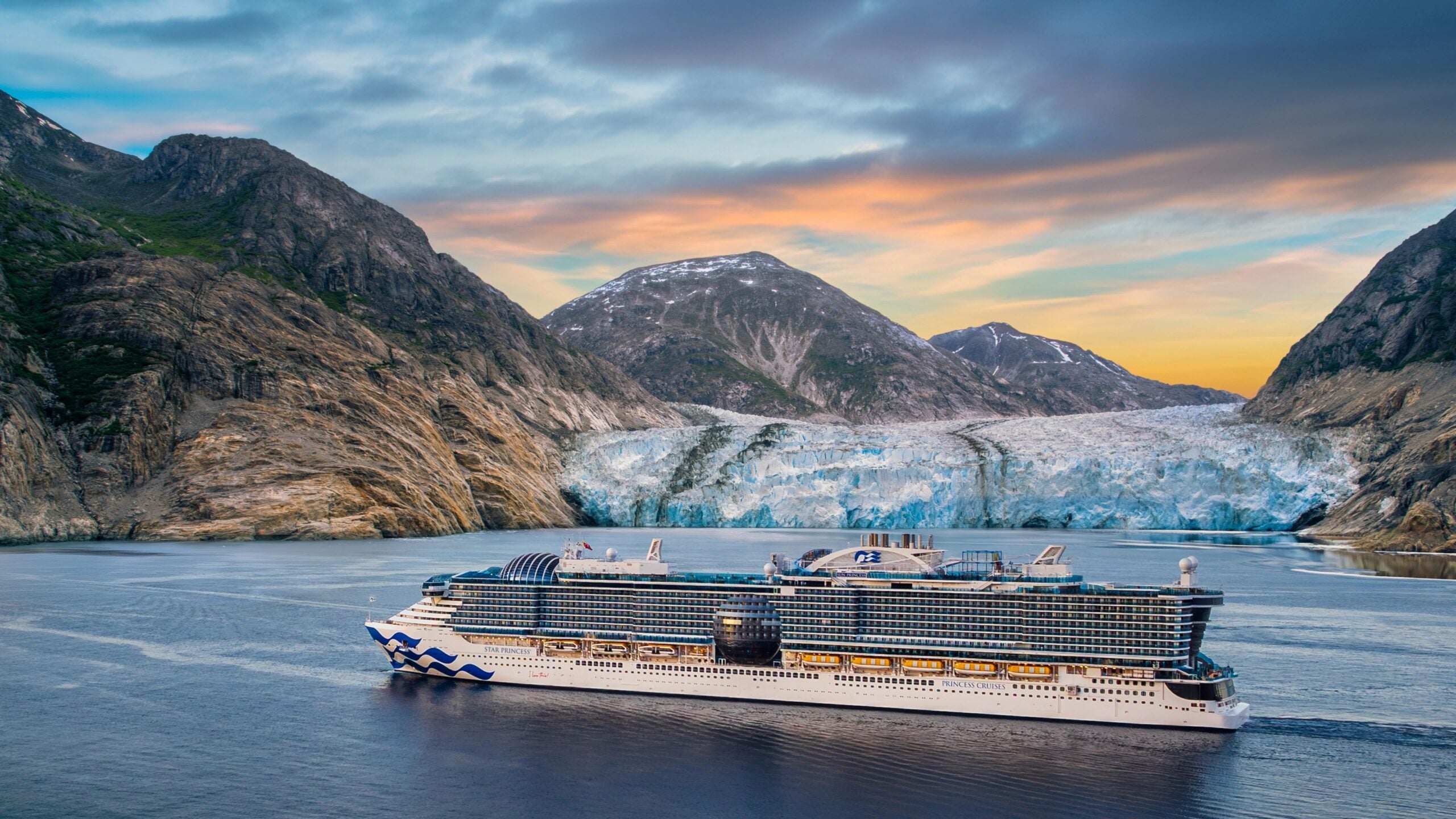
Several companies specialize in shipping goods from the lower 48 to Alaska, catering specifically to individual consumers and businesses alike. Researching reputable services that handle furniture and large items is crucial.
Personal Trips and DIY Transport
For some Alaskan residents, particularly those who travel frequently to the lower 48 for business or leisure, purchasing Ikea items during these trips and bringing them back can be a viable option. This method is generally best for smaller, easier-to-transport items that can be checked as baggage or fit into a personal vehicle if driving through Canada. While more hands-on, it offers direct control over the purchase and transport process, ensuring items arrive exactly as expected.
Local Resellers and Marketplace Finds
Occasionally, individuals or small businesses in Alaska might act as unofficial resellers of Ikea products, having acquired them through third-party shipping or personal trips. Local online marketplaces and community groups can sometimes be a source for pre-owned or even new Ikea items. While the selection might be limited and prices potentially higher due to the added shipping costs, it offers a direct way to acquire items without organizing the logistics oneself.
Cost Considerations and Planning for Alaskan Ikea Shoppers
Acquiring Ikea products in Alaska is almost invariably more expensive than in the contiguous United States. Understanding and planning for these additional costs is essential for a successful and budget-conscious shopping experience, deeply impacting personal finance and lifestyle management.
Calculating Shipping Fees
The most significant additional cost will be the freight charges from the lower 48 to Alaska. These fees are typically based on the weight and volume of the shipment. It’s advisable to get quotes from multiple freight forwarders before making a purchase. Often, consolidating several items into one larger shipment can be more cost-effective than shipping individual pieces separately. Be sure to inquire about all potential fees, including handling, fuel surcharges, and terminal fees, to avoid surprises.
Factor in Ikea’s Internal Shipping
Remember that even when using a freight forwarder, you’ll still incur Ikea’s standard shipping fees to get the items from their warehouse or store to your chosen freight forwarder’s address in Seattle or elsewhere in the lower 48. These costs should be factored into the overall budget.
Time and Patience
Shipping to Alaska can take considerable time. Sea freight, while generally more affordable for large items, can take weeks. Air freight is faster but significantly more expensive. Planning purchases well in advance, especially for essential furniture, is crucial. This extended timeline is a consistent aspect of the Alaskan consumer lifestyle.
Assembly Considerations
Ikea furniture is famously flat-packed, requiring self-assembly. While this design minimizes shipping volume, it means residents should be prepared for the assembly process themselves or budget for local handyman services if needed.

The Broader Lifestyle Impact: Furnishing a Home in the Last Frontier
The challenges of acquiring goods from retailers like Ikea deeply influence the lifestyle of Alaskan residents. It fosters a culture of resourcefulness, foresight, and careful planning, particularly when it comes to home furnishing and consumer choices.
Residents often prioritize durability and versatility in their purchases, understanding that replacements or additional pieces are not easily acquired. This leads to a more considered approach to consumption, contrasting with the instant gratification available in more densely populated regions. The reliance on third-party services also creates a unique local economy, supporting businesses that specialize in connecting Alaskans with goods from outside the state.
Ultimately, while direct shipping from Ikea to Alaska remains unavailable, the desire for stylish and functional home furnishings persists. Through strategic planning, utilization of freight forwarders, and embracing a patient approach, Alaskan residents continue to navigate these logistical hurdles, shaping their homes and their lifestyle in the Last Frontier. This adaptability underscores the unique character of living in one of the world’s most breathtaking yet logistically challenging environments.
LifeOutOfTheBox is a participant in the Amazon Services LLC Associates Program, an affiliate advertising program designed to provide a means for sites to earn advertising fees by advertising and linking to Amazon.com. Amazon, the Amazon logo, AmazonSupply, and the AmazonSupply logo are trademarks of Amazon.com, Inc. or its affiliates. As an Amazon Associate we earn affiliate commissions from qualifying purchases.