
Moving to Alaska, the Last Frontier, represents a significant life transition, demanding meticulous planning, especially concerning long-term accommodation. Far from a simple change of address, establishing a residence in this unique state involves navigating distinct challenges and opportunities, from understanding diverse regional housing markets to preparing for the practicalities of northern living. This guide delves into the accommodation-centric aspects of relocating to Alaska, ensuring a smoother transition to your new home.
Strategic Planning: Selecting Your Alaskan Base
The first critical step in moving to Alaska is determining where you will live. The state’s vastness means vastly different living experiences, housing availability, and costs depending on your chosen region. Researching potential locations thoroughly is paramount to aligning your accommodation needs with your lifestyle and budget.
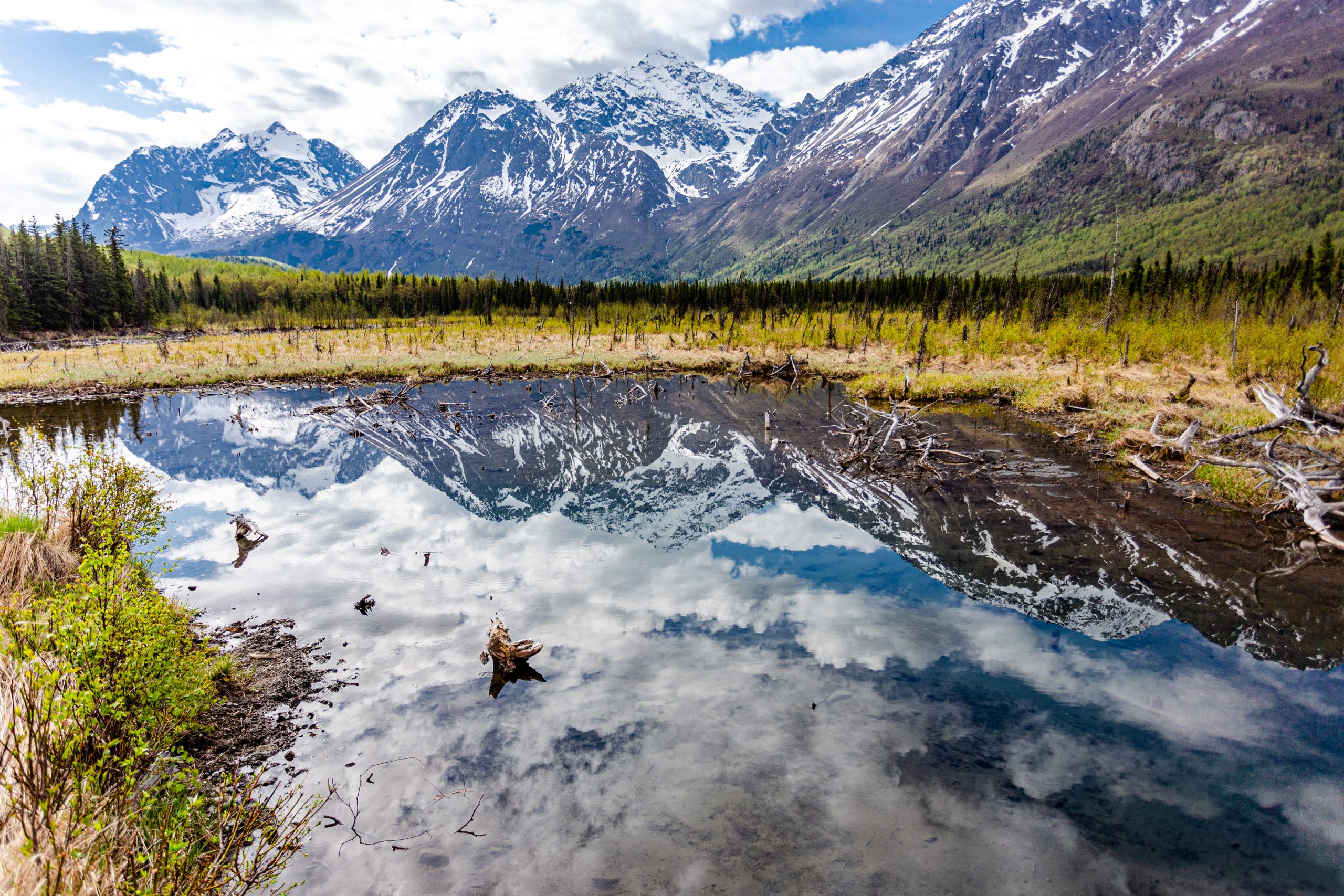
Urban Centers vs. Rural Retreats
Alaska’s population centers, such as Anchorage, Fairbanks, and Juneau, offer the most comprehensive housing markets. Anchorage, the largest city, provides a wide array of apartments, single-family homes, and townhouses, with rental and purchase prices often comparable to major cities in the Lower 48. Its infrastructure supports a more conventional suburban or urban lifestyle. Fairbanks, known for its extreme temperatures and proximity to interior wilderness, features a mix of older homes, new developments, and remote cabins, with specific considerations like heating systems being vital. Juneau, the state capital, is a coastal city accessible primarily by air or sea, leading to a tighter housing market and generally higher prices due to limited developable land and unique logistical challenges.
Beyond these hubs, regions like the Mat-Su Valley (including Palmer and Wasilla), the Kenai Peninsula (encompassing Homer and Seward), and islands like Kodiak Island or Sitka offer different housing landscapes. These areas often present opportunities for more land, closer proximity to nature, and varying community dynamics, but potentially fewer choices in modern housing and fewer amenities. Remote villages, such as Nome, present unique challenges regarding housing availability, often relying on government-subsidized programs or community-specific housing initiatives, with construction and living costs significantly higher due to transportation expenses.
When selecting your base, consider:
- Job Market & Commute: How will your employment affect your choice of residence? Proximity to work can greatly impact daily life, especially in winter.
- Cost of Living: Housing is a major component. Research average rents, utility costs, and property taxes for your preferred areas.
- Community Amenities: Access to schools, healthcare, shopping, and recreational facilities will influence your quality of life.
- Climate Adaptability: Different regions experience vastly different climates, impacting home maintenance and utility usage.
Navigating Alaska’s Diverse Rental Markets
For many newcomers, renting is the initial step towards establishing a long-term stay in Alaska. The rental market, particularly in urban areas, can be competitive, and understanding its nuances is crucial.
Finding Rental Properties
Online platforms are your primary resource for finding rental listings. Websites like Craigslist Alaska, Zillow, Apartments.com, and local real estate agency sites are good starting points. Local Facebook groups dedicated to housing or community discussions can also be valuable, especially for more localized or unique listings. It’s often advisable to secure temporary housing upon arrival—such as an extended-stay hotel or a short-term Airbnb—to allow for in-person viewings and to gain a better feel for different neighborhoods before committing to a long-term lease.
Rental Costs and Lease Agreements
Rental prices in Alaska vary widely. A one-bedroom apartment in Anchorage might range from $1,200 to $1,800, while a similar unit in Juneau could be higher due to limited supply. Rural areas might offer lower rent for larger spaces, but often come with increased utility costs and maintenance responsibilities.
Lease agreements in Alaska generally follow standard practices but may include specific clauses related to extreme weather conditions, heating responsibilities (e.g., fuel oil tanks), and pest control, particularly concerning wildlife. Always read the lease carefully and understand your responsibilities as a tenant. Be prepared for security deposits, typically one to two months’ rent, and potentially pet deposits if you’re bringing animals.
Challenges in the Rental Market
- Seasonal Demand: Housing availability can fluctuate seasonally, with higher demand during peak moving seasons (e.g., military PCS cycles, summer job influx).
- Limited Inventory: Smaller communities or unique housing types (e.g., cabins with land) may have very limited options.
- Pet Policies: Many landlords have strict pet policies, and finding pet-friendly rentals can require extra effort.
- Remote Viewings: While virtual tours are becoming more common, making a long-term commitment without seeing the property in person can be risky.
The Path to Homeownership in the Last Frontier
For those seeking a more permanent long-term stay, purchasing property in Alaska is a viable option, albeit one with distinct considerations.
Alaskan Real Estate Market Overview

The real estate market in Alaska is robust in its major cities but can be specialized elsewhere. Single-family homes are popular, alongside condominiums and duplexes in urban settings. Remote areas may feature properties with extensive acreage, custom-built cabins, or even off-grid living arrangements. The median home price in Anchorage is typically in the $350,000 to $450,000 range, while more rural areas can vary dramatically based on land size, accessibility, and unique features.
Unique Considerations for Alaskan Property Owners
- Foundation and Permafrost: In some regions, especially interior Alaska, permafrost can affect foundation stability. Understanding the geological characteristics of your chosen property is crucial.
- Heating Systems: Homes often rely on fuel oil, propane, or natural gas for heating. Understanding the type of system, its efficiency, and fuel delivery logistics is paramount.
- Water and Septic: Many properties outside of major municipal areas rely on private wells and septic systems. Regular maintenance and testing are critical.
- Access: Some properties, particularly recreational cabins or remote homes, may only be accessible by boat, plane, snowmachine, or ATV for parts of the year. This impacts everything from construction to grocery delivery.
- Winterization: Proper insulation, heating systems, and frozen pipe prevention are not just conveniences but necessities for Alaskan homeowners.
- Insurance: Homeowners insurance will need to account for specific Alaskan risks, including heavy snow loads and potential wildlife interactions.
Engaging with a local real estate agent who is intimately familiar with the region’s specific challenges and market conditions is highly recommended. They can guide you through property searches, offer insights into local regulations, and help navigate the buying process unique to Alaska.
Establishing Your Home: Utilities and Essential Services
Once you’ve secured your long-term accommodation, setting up essential services is the next critical step to making your new place a home.
Utilities and Internet Access
Major Alaskan cities have standard utility services. Electricity is typically provided by regional companies (e.g., Matanuska Electric Association in the Mat-Su Valley, Chugach Electric Association in Anchorage). Heating can involve natural gas (available in some urban areas), fuel oil (common throughout), or propane. Water and sewer services are municipal in cities or via private well/septic systems in rural settings.
Internet connectivity varies widely. Fiber optic and cable internet are available in major cities, but rural and remote areas may rely on satellite internet or slower DSL connections. Research providers and speeds thoroughly for your specific address, as reliable internet is often crucial for work and communication.
Mail and Emergency Services
Setting up mail delivery may involve a Post Office Box in some remote communities where door-to-door delivery is not standard. Familiarize yourself with local emergency services (fire, police, medical) and their response times, especially if living in a more isolated area.
Logistics of Relocation: Moving Your Life North
Transporting your household goods to Alaska is a complex undertaking that requires careful planning to ensure your possessions arrive safely and are ready to furnish your new long-term accommodation.
Shipping Household Goods
Most movers transport goods via truck through Canada on the Alaska Highway, or by barge for coastal communities accessible by sea (e.g., Juneau, Sitka, Kodiak). The cost can be significant, so obtaining multiple quotes from companies specializing in Alaskan moves is essential. Be aware of customs regulations if transporting through Canada. For household goods that are too expensive to move or items you want to replace, consider selling or donating them and repurchasing upon arrival, factoring in higher retail prices in Alaska.
Vehicle Transportation
Driving your vehicle to Alaska via the Alaska Highway can be an adventure, but also a logistical challenge, especially in winter. Alternatively, you can ship your vehicle by barge or use a vehicle transport service. Ensure your vehicle is properly winterized if you’re driving it, and understand that specific car models or parts might be harder to find or more expensive in Alaska.

Temporary Storage Solutions
Upon arrival, if your long-term accommodation isn’t immediately ready, consider local self-storage facilities. These are available in major cities like Anchorage and Fairbanks and can provide a secure place for your belongings while you finalize your permanent residence.
Moving to Alaska is an adventure that begins with securing your home. By meticulously planning your long-term stay, understanding the diverse rental and real estate markets, and preparing for the unique logistical challenges, you can smoothly transition into your new Alaskan life, ready to embrace all that the Last Frontier has to offer from the comfort of your own dwelling.
LifeOutOfTheBox is a participant in the Amazon Services LLC Associates Program, an affiliate advertising program designed to provide a means for sites to earn advertising fees by advertising and linking to Amazon.com. Amazon, the Amazon logo, AmazonSupply, and the AmazonSupply logo are trademarks of Amazon.com, Inc. or its affiliates. As an Amazon Associate we earn affiliate commissions from qualifying purchases.