
Mastering the Pronunciation: A Tourist’s First Step
Embarking on a journey to a new destination often begins with practicalities: where to stay, what to see, and how to get there. Yet, for many travelers, one simple element can feel surprisingly elusive – the correct pronunciation of the destination itself. This is particularly true for Juneau, Alaska, the stunning capital city nestled amidst towering mountains and the deep blue waters of the Gastineau Channel. Getting the name right isn’t just a matter of politeness; it’s a subtle nod to local culture, a way to bridge the gap between visitor and resident, and an essential part of an immersive travel experience.

Why Pronunciation Matters for Visitors
In a place as distinct and proud of its heritage as Juneau, accurate pronunciation demonstrates respect and an eagerness to connect authentically. Locals appreciate the effort, and it can facilitate smoother interactions, from asking for directions to ordering at a restaurant. Mispronouncing a place name can sometimes inadvertently create a barrier, whereas a confident and correct utterance shows you’ve done your homework and are genuinely interested in the destination’s identity. It’s a small detail that contributes significantly to a positive tourism experience, allowing you to blend in more naturally and absorb the local atmosphere without hesitation.
Breaking Down “Juneau”
So, how exactly do you say Juneau, Alaska? The most common and accepted pronunciation is “JOO-noh”.
Let’s break it down phonetically:
- “JOO”: This part sounds just like the first syllable of the month “June” or the word “Jewel” without the “l”. Think of the sound “oo” as in “moon.”
- “noh”: This part sounds like the word “no” or the second syllable of “Idaho.”
When you put it together, it flows as “JOO-noh.” Avoid the common mistake of pronouncing the “eau” like “oh” in “beau” or trying to sound out a distinct “e.” The name honors Joe Juneau, a prospector credited with the first major gold strike in the region, and over time, the pronunciation has settled into this distinctive “JOO-noh” sound. Practice it a few times, and you’ll be speaking like a local in no time, ready to dive deeper into all that Juneau has to offer.
Beyond the Name: Immersing in Juneau’s Unique Culture
Once you’ve mastered the name, the next step in a rich tourism experience is to delve into the cultural fabric of Juneau. This capital city is not merely a gateway to stunning natural landscapes but a vibrant hub of Alaskan history, indigenous traditions, and a spirited community that thrives amidst its remote beauty. Understanding its cultural layers enhances every glacier view and wildlife sighting, providing context and depth to your visit.
Indigenous Heritage and Local Respect
Juneau is situated on the ancestral lands of the Tlingit people, one of the three major Indigenous Alaskan groups, alongside the Haida and Tsimshian. Their rich cultural heritage, expressed through intricate art, storytelling, and traditional ceremonies, is deeply woven into the city’s identity. As a tourist, embracing this heritage involves visiting cultural centers like the Alaska State Museum or the Sealaska Heritage Institute, which showcase stunning artifacts, totems, and contemporary Native Alaskan art. Participating in cultural performances or tours led by indigenous guides offers invaluable insights into their profound connection to the land and sea. Demonstrating respect for these traditions, whether through mindful photography or engaging thoughtfully with exhibits, enriches your understanding and contributes to responsible tourism.
The Gold Rush Legacy
The very existence of modern Juneau is intrinsically linked to the late 19th-century Alaska Gold Rush. The discovery of gold by Joe Juneau and Richard Harris in 1880 transformed the region from a quiet Tlingit fishing ground into a bustling mining camp. Remnants of this pioneering spirit are visible throughout the city. Tourists can explore historical downtown buildings, visit the Juneau-Douglas City Museum to view mining artifacts and photographs, or even take a guided tour to learn about the hardships and triumphs of the early prospectors. The Last Chance Mining Museum, housed in the historic structure of the Alaska-Juneau Gold Mining Company, provides a tangible link to this industrious past, offering a fascinating glimpse into the scale of operations that once defined the area. Understanding this historical foundation helps explain Juneau’s unique architecture, its resilient population, and its ongoing relationship with resource extraction.

Essential Activities for the Juneau Tourist
Juneau, Alaska, is a prime destination for adventure and natural beauty, offering a diverse array of activities that cater to every type of traveler. From colossal ice formations to teeming wildlife and charming urban explorations, the city serves as a launchpad for unforgettable Alaskan experiences.
Glacier Adventures
No visit to Juneau is complete without encountering its majestic glaciers. The most accessible and famous is Mendenhall Glacier, part of the larger Juneau Icefield. Just a short drive from downtown, visitors can access the Mendenhall Glacier Visitor Center for breathtaking views, informative exhibits, and various hiking trails. Pathways like the Photo Point Trail offer iconic vistas, while the more adventurous can trek the East Glacier Trail to see Nugget Falls up close. For an even more immersive experience, consider a glacier trekking tour, kayaking amidst icebergs in Mendenhall Lake, or taking a helicopter tour for an unparalleled aerial perspective, often including a landing on the ice itself. Beyond Mendenhall, boat tours to less accessible but equally spectacular glaciers like those in Tracy Arm Fjord offer chances to witness calving ice and stunning wilderness.
Wildlife Encounters
Juneau’s pristine environment is a haven for diverse wildlife, making it an ideal spot for nature enthusiasts. Whale watching is a top draw, particularly from May through September, when humpback whales and orcas frequent the feeding grounds of the Gastineau Channel and Stephens Passage. Numerous tour operators offer guided excursions, almost guaranteeing sightings of these magnificent marine mammals, often alongside sea lions, seals, and porpoises. On land, the wilderness surrounding Juneau is home to black bears, brown bears, Sitka black-tailed deer, and a myriad of bird species, including bald eagles, which are ubiquitous in the area. Hiking trails, particularly those within the Tongass National Forest, offer opportunities for spotting land-based animals, while the Pack Creek Bear Viewing Area on Admiralty Island (a short floatplane trip away) provides an extraordinary chance to observe brown bears in their natural habitat.
Downtown Exploration
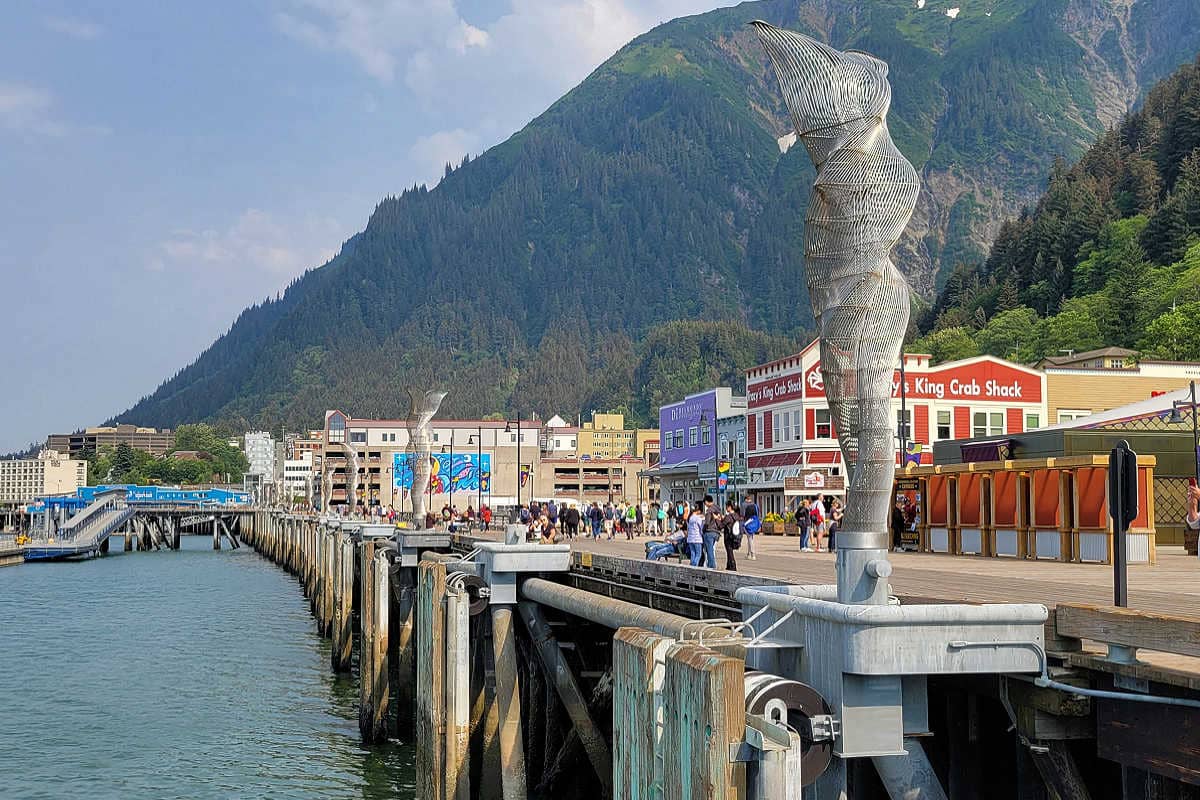
The compact and walkable downtown area of Juneau offers a different kind of adventure, blending history, art, and local charm. Stroll along the waterfront, browse the unique boutiques and art galleries featuring local Alaskan artists, or discover the vibrant street art. Key attractions include the Alaska State Capitol Building, the Governor’s Mansion, and the aforementioned museums. For panoramic views of the city, mountains, and Gastineau Channel, take a ride on the Mount Roberts Tramway. At the top, explore the Mountain House complex with its nature center, restaurant, and hiking trails that lead into the alpine environment. Sampling local seafood, particularly fresh salmon and king crab, at one of downtown’s many eateries is also a must-do, completing the cultural and culinary experience.
Practical Tips for a Memorable Juneau Visit
A successful trip to Juneau, Alaska, involves a bit of planning, especially given its unique geographical location and climate. These practical tips will help ensure your tourism experience is smooth, enjoyable, and fully exploits all the wonders this Alaskan capital has to offer.
Best Time to Visit
The peak tourism season in Juneau typically runs from May through September. During these months, the weather is generally milder, daylight hours are long, and all major attractions and tour operators are in full swing. This period is ideal for glacier tours, whale watching, hiking, and enjoying the vibrant downtown scene. July and August tend to be the warmest months, though “warm” in Juneau means average temperatures in the 60s Fahrenheit (15-20 Celsius). Be prepared for rain regardless of when you visit, as Juneau is situated in a rainforest. The shoulder seasons (late April/early May and late September/early October) offer fewer crowds and potentially lower prices, though some tours might have limited availability. Winter tourism focuses on snow activities and viewing the Northern Lights, but many summer attractions are closed.
Getting Around
Juneau is unique in that it is not connected to the North American road system; it is only accessible by air or sea. Once in the city, the downtown area is very walkable, making it easy to explore shops, restaurants, and historical sites on foot. For destinations further afield, such as Mendenhall Glacier, taxis, ride-sharing services, and public buses (Capital Transit) are readily available. Many tour operators also provide transportation to and from their activity sites. If you plan extensive exploration outside the immediate downtown area and are not relying on organized tours, renting a car can offer flexibility, but ensure you book well in advance, especially during peak season. Remember that parking can be limited in the busiest areas.
Local Cuisine to Savor
One of the most delightful aspects of tourism in Juneau is the opportunity to indulge in fresh, local Alaskan cuisine. Given its coastal location, seafood is naturally the star. Look for restaurants serving wild-caught Alaskan salmon (King, Sockeye, Coho), halibut, cod, and the renowned Alaskan King Crab. Many establishments offer “catch of the day” specials, ensuring the freshest possible meal. Beyond seafood, Juneau also boasts a burgeoning craft beer scene, with local breweries offering unique brews often incorporating Alaskan ingredients. Don’t miss trying some locally sourced berries, like Alaskan blueberries, in pies, jams, or desserts. From casual fish and chip shacks to upscale dining, Juneau provides a delicious culinary journey that perfectly complements its stunning natural beauty and rich cultural tapestry.
LifeOutOfTheBox is a participant in the Amazon Services LLC Associates Program, an affiliate advertising program designed to provide a means for sites to earn advertising fees by advertising and linking to Amazon.com. Amazon, the Amazon logo, AmazonSupply, and the AmazonSupply logo are trademarks of Amazon.com, Inc. or its affiliates. As an Amazon Associate we earn affiliate commissions from qualifying purchases.