
Embarking on a journey from the sun-drenched plains of Texas to the majestic, untamed wilderness of Alaska represents one of the most epic and geographically diverse adventures one can undertake within North America. This expedition transcends a mere change of scenery; it is a profound transition through climates, cultures, and breathtaking landscapes. Understanding the immense distance involved is the first step in meticulously planning such an unforgettable travel experience.
The Grand Northern Migration: Understanding the Distance
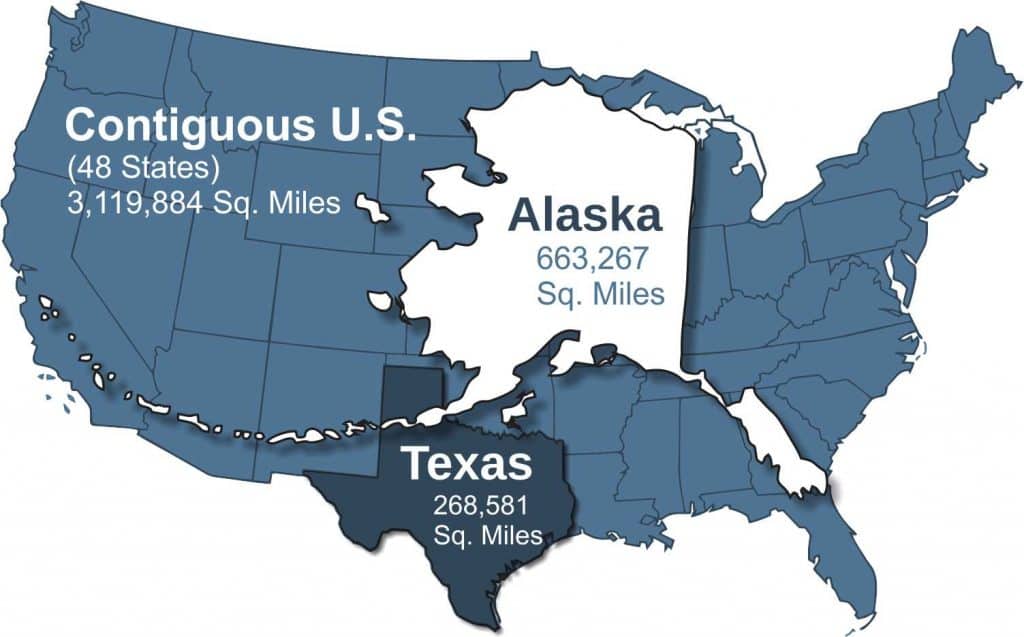
The sheer scale of the United States becomes profoundly clear when considering a trip spanning from its southern reaches to its northernmost frontier. Alaska, often referred to as “The Last Frontier,” stands geographically distinct from the contiguous Lower 48, requiring travelers from Texas to traverse not only vast American territories but also a significant portion of Canada if traveling by land.

Measuring the Miles: Straight-Line vs. Driving Distances
When calculating the distance between Texas and Alaska, it’s crucial to differentiate between aerial (straight-line) and practical driving distances.
The straight-line distance, or “as the crow flies,” from a central point like Dallas, Texas, to Anchorage, Alaska, is approximately 3,000 to 3,500 miles (4,800 to 5,600 kilometers). This figure provides a baseline, but it doesn’t account for the curvature of the earth or geographical barriers.
For those planning the ultimate road trip, the driving distance is considerably longer and varies significantly depending on the chosen starting point in Texas and the specific destination in Alaska. A typical route from a major Texas city like Houston or Dallas to Anchorage or Fairbanks in Alaska will range between 4,500 and 5,500 miles (7,200 to 8,800 kilometers). This epic journey typically involves a drive north through the Midwest or Pacific Northwest of the United States, then across a substantial portion of western Canada via the legendary Alaska Highway.
Geographical Context: Bridging the Lower 48 and the Last Frontier
The geographical gap between Texas and Alaska is filled by diverse terrains, including vast plains, towering mountain ranges, dense forests, and countless rivers. The most significant geographical challenge for land travelers is navigating through Canada. This segment of the journey alone can span over 1,300 miles (2,100 kilometers) through British Columbia and the Yukon Territory, offering a spectacular, albeit lengthy, passage. This immense distance necessitates careful planning for fuel, accommodation, and vehicle maintenance, transforming the drive into an adventure in itself.
Planning Your Epic Journey: Routes and Modes of Transport
The decision of how to travel from Texas to Alaska largely dictates the journey’s duration, cost, and overall experience. Each mode of transport offers a unique perspective on the distance covered and the landscapes encountered.
Flying High: The Fastest Path North
For travelers prioritizing speed and convenience, flying is undeniably the most efficient way to bridge the gap between Texas and Alaska. Direct or single-stop flights from major Texas airports like Dallas/Fort Worth International Airport (DFW) or George Bush Intercontinental Airport (IAH) to Ted Stevens Anchorage International Airport (ANC) typically range from 7 to 10 hours, including layovers. While this bypasses the scenic drive, it offers more time to explore Alaska’s vast interior upon arrival. Travelers can fly into Anchorage, Fairbanks, or Juneau, depending on their ultimate destination and itinerary. Air travel is ideal for those with limited time or who prefer to rent a vehicle upon arrival to explore specific regions.
The Ultimate Road Trip: Conquering the Alaska Highway
Driving to Alaska is a quintessential adventure, revered by road trippers worldwide. This journey typically takes anywhere from 7 to 14 days, depending on the pace, number of stops, and starting point.
The most common route involves heading north through the United States and entering Canada in either Montana, Idaho, or Washington state, then connecting to the Alaska Highway (also known as the Alcan Highway). The Alcan Highway itself spans approximately 1,387 miles (2,232 km) from Dawson Creek, British Columbia, to Delta Junction, Alaska.
Key routes from Texas include:
- Central Route: Up Interstate 35 through the Midwest to Calgary or Edmonton, Canada, then west to the Alaska Highway.
- Western Route: West through New Mexico and Colorado, then north through Idaho or Washington to enter Canada and access the Alaska Highway.
This expedition demands thorough planning for vehicle maintenance, fuel stops (which can be sparse in remote Canadian sections), accommodation, and border crossing documentation. It’s an immersion into changing landscapes, from the arid plains to dense forests and snow-capped peaks.
Maritime Adventures: Ferries and Cruises
For a less conventional, yet highly scenic, journey, travelers can combine driving with a ferry ride. This typically involves driving to a port city like Bellingham, Washington, and boarding the Alaska Marine Highway System ferry. This “marine highway” travels through the stunning Inside Passage of British Columbia and Southeast Alaska, offering unparalleled views of glaciers, fjords, and wildlife. The ferry can transport vehicles, allowing travelers to continue their road trip in Alaska after disembarking in ports like Juneau, Skagway, or Whittier.
Alternatively, a cruise from Seattle or Vancouver offers a luxurious way to experience Alaska’s coastal beauty without the driving hassle, though it only explores specific coastal destinations rather than the vast interior.

Essential Considerations for Traveling from Texas to Alaska
Such a monumental journey requires meticulous preparation, especially when traversing multiple states and an international border.
Best Time to Travel
The optimal time for this journey, particularly by road or ferry, is during the late spring to early fall (May to September). During these months, the Alaska Highway is free of heavy snow and ice, and all services, attractions, and campgrounds are typically open. Summer offers the advantage of long daylight hours, crucial for enjoying the scenery and safely navigating long stretches. Traveling during shoulder seasons (May, September) can offer fewer crowds but may mean some services are limited.
Vehicle Preparation and Supplies
For a road trip, a reliable vehicle is paramount. Have your car thoroughly inspected before departure, focusing on tires, brakes, fluids, and suspension. Pack essential emergency supplies: a spare tire, tire repair kit, basic tools, extra fuel containers, a first-aid kit, non-perishable food, water, warm clothing, and a reliable communication device (satellite phone for truly remote areas). Cell service can be spotty in remote parts of Canada and Alaska.
Border Crossings and Documentation
Crossing the U.S.-Canada border requires valid identification. U.S. citizens need a valid passport or an enhanced driver’s license. Non-U.S. citizens should verify their specific visa requirements for both Canada and the United States. Be prepared for questions about your travel plans, duration of stay, and any goods you are bringing across the border. Always declare firearms, alcohol, and tobacco. Pets require specific veterinary documentation, including proof of rabies vaccination.
Budgeting for the Long Haul
The cost of traveling from Texas to Alaska can vary widely. Factors include:
- Fuel: Given the distance, fuel will be a significant expense. Prices can be higher in remote Canadian and Alaskan regions.
- Accommodation: Camping can save money, but hotels/motels along the Alaska Highway need to be factored in. Book in advance, especially during peak season.
- Food: Bring snacks and non-perishables to reduce reliance on roadside restaurants, which can be expensive.
- Activities: Budget for excursions in Alaska such as bear viewing, fishing charters, or flightseeing tours.
- Vehicle Maintenance/Emergencies: Always have a contingency fund for unexpected repairs or delays.
What to Expect: Destinations and Experiences Along the Way
The journey itself is a destination, rich with opportunities for exploration and discovery before even reaching Alaska’s borders.
Iconic Stops on the Alaska Highway
Driving the Alaska Highway is an immersive experience. Key stops and sights include:
- Dawson Creek, British Columbia: The official “Mile 0” of the Alaska Highway, marked by an iconic signpost.
- Muncho Lake Provincial Park, British Columbia: Known for its stunning jade-green waters and abundant wildlife, including moose, caribou, and bears.
- Liard River Hot Springs Provincial Park, British Columbia: A natural hot spring oasis, perfect for relaxing after long hours on the road.
- Whitehorse, Yukon Territory: The capital of the Yukon, offering historical sites, museums, and a vibrant arts scene.
- Kluane National Park and Reserve, Yukon Territory: Home to Mount Logan, Canada’s highest peak, and vast wilderness perfect for hiking and wildlife viewing.
Gateway Cities in Alaska
Upon entering Alaska, several cities serve as excellent bases for further exploration:
- Anchorage: Alaska’s largest city, offering a mix of urban amenities and easy access to wilderness areas. It’s a hub for flights to remote villages, train excursions, and coastal adventures.
- Fairbanks: Located further north, Fairbanks is known as the “Golden Heart City.” It’s an ideal base for experiencing the Aurora Borealis in winter and accessing the Arctic Circle via the Dalton Highway in summer.
- Juneau: The capital, accessible only by air or sea, is nestled amidst stunning fjords and glaciers, offering a unique blend of historical charm and natural beauty.
- Denali National Park: While not a city, Denali is often the primary draw for visitors. It’s home to Mount Denali, North America’s tallest peak, and a rich array of wildlife.
Diverse Landscapes and Wildlife Encounters
From the moment you leave Texas and head north, the scenery transforms dramatically. You’ll move from the relatively flat landscapes of the American plains to the forested mountains of the Pacific Northwest and eventually into the rugged, glacial-carved terrain of Alaska. Along the way, wildlife sightings are common, especially on the Alaska Highway and within Alaska’s national parks. Expect to see deer, elk, bison, moose, and potentially bears. Coastal regions offer opportunities for whale watching, seal sightings, and a plethora of marine birds, particularly in areas like Kenai Fjords National Park and Glacier Bay National Park.
The journey from Texas to Alaska is more than just covering a distance; it is an expedition that promises profound natural beauty, a test of endurance, and a wealth of unforgettable memories. Whether by air, land, or sea, the path to the Last Frontier is an adventure in itself.
LifeOutOfTheBox is a participant in the Amazon Services LLC Associates Program, an affiliate advertising program designed to provide a means for sites to earn advertising fees by advertising and linking to Amazon.com. Amazon, the Amazon logo, AmazonSupply, and the AmazonSupply logo are trademarks of Amazon.com, Inc. or its affiliates. As an Amazon Associate we earn affiliate commissions from qualifying purchases.