
Embarking on a journey from the bustling metropolis of New York to the vast, untamed wilderness of Alaska is an adventure that many dream of. However, before immersing oneself in glaciers and wildlife, the practicalities of travel, particularly flight duration, must be addressed. The journey from the East Coast to the Last Frontier is a significant undertaking, primarily due to the immense geographical distance. Understanding the various factors that influence flight times, potential routes, and what to expect during the journey is crucial for a smooth and enjoyable travel experience.

Unpacking Flight Durations: Direct vs. Connecting Flights
The question of “how long” is rarely a simple one, especially when crossing a continent and multiple time zones. For a flight from New York to Alaska, the answer heavily depends on whether you find a rare direct flight or opt for the more common connecting routes, and your specific destination within Alaska.
The Rarity of Direct Flights
Direct flights from New York to Alaska are infrequent, largely limited to peak travel seasons (primarily summer) and often offered by a select few airlines. When available, these non-stop services typically target Anchorage, the state’s largest city and primary air hub.
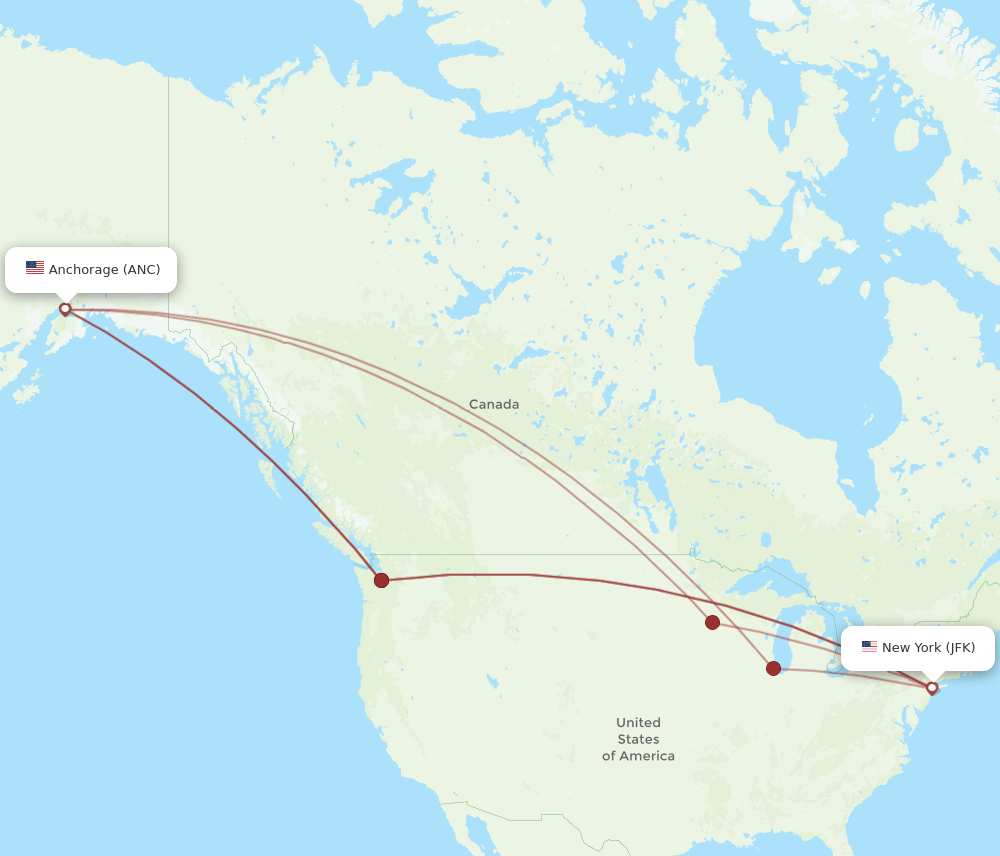
A direct flight from New York (e.g., from John F. Kennedy International Airport (JFK) or Newark Liberty International Airport (EWR)) to Ted Stevens Anchorage International Airport (ANC) can range from 7 hours to 8 hours and 30 minutes. This duration is subject to various factors, including the specific airline, aircraft type, and prevailing wind conditions. Headwinds flying westward can notably extend flight times, while tailwinds on an eastbound return flight might shorten it. Airlines like United Airlines, Delta Air Lines, and Alaska Airlines are among those that might occasionally offer seasonal direct routes.
The Standard: Connecting Flights
For most travelers, a connecting flight will be the reality. This adds significant time to the overall journey, not just for the flight segments themselves but also for layover durations. Total travel time for a connecting flight can range from 10 to 16 hours or more, depending on the number of stops, the efficiency of the connections, and the specific Alaskan city you are flying into.
Common layover cities are typically major airline hubs in the contiguous United States. These include:
- Seattle, Washington (SEA)
- Minneapolis, Minnesota (MSP)
- Denver, Colorado (DEN)
- Chicago, Illinois (ORD)
A connection through Seattle is particularly common given its proximity and status as a major gateway to Alaska. Flights from New York to Seattle are typically around 5-6 hours, followed by another 3 hours to Anchorage. Add a 2-3 hour layover, and your total travel time quickly approaches 10-12 hours.
Navigating Routes and Alaskan Destinations
Alaska is an enormous state, and your final destination will significantly impact your flight duration and routing. While Anchorage is the most common entry point, other cities like Fairbanks, Juneau, and Ketchikan serve different regions and often require additional flight segments.
Primary Entry Points to Alaska
- Anchorage (ANC): As mentioned, this is the busiest airport and usually offers the most direct connections or shortest overall travel times from the Lower 48. Most major airlines, including Alaska Airlines, United Airlines, Delta Air Lines, and American Airlines, provide extensive service here.
- Fairbanks (FAI): Located further north in the interior, Fairbanks is a popular destination for viewing the Northern Lights and accessing interior Alaska. Flights to Fairbanks International Airport usually involve a layover in Seattle or another Midwest hub, adding about 30-60 minutes to the total flight time compared to Anchorage. Expect overall travel times to be in the 12-18 hour range.
- Juneau (JNU): As the state capital, Juneau is nestled in the Inside Passage, surrounded by mountains and water, and is not accessible by road. Flights to Juneau International Airport almost always connect through Seattle or, less commonly, Anchorage. This route often entails a shorter initial flight from New York to Seattle, followed by a 2-hour flight to Juneau. Total travel time typically falls between 11-15 hours.
- Ketchikan (KTN): Another popular port in the Inside Passage, Ketchikan is often reached via Seattle. The flight to Ketchikan International Airport involves a ferry ride from the airport to the city, adding to the overall travel experience. Expect similar durations to Juneau, in the 11-15 hour range, depending on connections.
Choosing Your Departure Airport
New York offers three major airports, each with different airline services and flight options:
- John F. Kennedy International Airport (JFK): Often has the widest range of carriers, including Alaska Airlines, Delta Air Lines, and American Airlines, offering connections primarily through Seattle, Minneapolis, or Denver.
- Newark Liberty International Airport (EWR): A major hub for United Airlines, which often provides excellent connecting options to Alaska via its hubs in Denver, Chicago, or even sometimes direct seasonal flights to Anchorage.
- LaGuardia Airport (LGA): Primarily serves domestic routes and is less likely to have direct Alaska connections but can offer flights to hubs like Chicago or Denver from which to connect. Airlines like Frontier Airlines and JetBlue might also offer connecting itineraries from LGA.

When booking, it’s wise to compare options from all three New York area airports to find the best balance of price, convenience, and travel time.
Preparing for a Long-Haul Journey
Regardless of whether your flight is 7 hours or 15, traveling from New York to Alaska is a long journey. Strategic preparation can significantly enhance your comfort and minimize travel fatigue.
Maximizing In-Flight Comfort
- Seat Selection: If budget allows, consider upgrading to an exit row, bulkhead, or premium economy seat for extra legroom. For overnight flights, a window seat might offer a place to lean and sleep, while an aisle seat allows for easier movement.
- Hydration: Airplane cabins are notoriously dry. Drink plenty of water before, during, and after your flight to combat dehydration. Limit alcohol and caffeine, which can exacerbate jet lag and dehydration.
- Movement: Periodically stretch and walk the aisles if possible, especially on longer segments. This helps prevent stiffness and reduces the risk of deep vein thrombosis (DVT). Compression socks can also be beneficial.
- Entertainment: Load up your devices with movies, podcasts, e-books, and music. While most long-haul flights offer in-flight entertainment, having personal options ensures you won’t be bored. A comfortable neck pillow, eye mask, and noise-canceling headphones are also essentials.
- Layers: Cabin temperatures can fluctuate. Dress in layers to easily adjust to varying conditions.
Mitigating Jet Lag and Time Zone Shifts
Traveling westward from New York to Alaska means you’ll be gaining time, making jet lag potentially less severe than traveling eastward. However, Alaska observes Alaska Daylight Time (AKDT) during summer, which is four hours behind Eastern Daylight Time (EDT).
- Adjust Gradually: If possible, start adjusting your sleep schedule a few days before your trip by going to bed later.
- Daylight Exposure: Upon arrival, expose yourself to natural light as much as possible, especially in the morning. This helps reset your internal clock.
- Stay Active: Engage in light physical activity on your first day to help your body acclimate.
- Prioritize Sleep: Aim for a full night’s sleep on your first night in Alaska to kickstart your adjustment.
Beyond the Flight: Planning Your Alaskan Adventure
Once you’ve landed, the true Alaskan adventure begins. While the flight duration is a crucial consideration, it’s merely the prelude to an unforgettable experience.
Best Time to Visit
The summer months (June to August) are generally considered the best time to visit Alaska for wildlife viewing, hiking, and cruising, due to milder weather and longer daylight hours. However, this is also peak season, leading to higher prices and more crowded attractions. Shoulder seasons (May and September) offer a good balance of fewer crowds and decent weather. For aurora borealis viewing, late fall, winter, and early spring provide the best chances, though temperatures will be much colder.
Essential Packing List
Given Alaska’s variable weather, even in summer, layering is key.
- Waterproof outer layers: A good rain jacket and pants are essential.
- Warm layers: Fleece jackets, wool sweaters, and thermal underwear.
- Sturdy hiking boots: Waterproof and broken-in.
- Headwear, gloves, and warm socks.
- Insect repellent: Especially important during summer.
- Binoculars and camera: For wildlife and scenic views.
- Sunscreen and sunglasses: Glare from snow and water can be intense.
Transportation within Alaska
Alaska’s vastness means internal transportation often involves a mix of methods.
- Rental Cars: Ideal for exploring areas accessible by road, such as the Parks Highway between Anchorage and Fairbanks.
- Trains: The Alaska Railroad offers scenic routes between major cities and national parks.
- Bush Planes/Air Taxis: Essential for reaching remote lodges, fishing spots, and wilderness areas.
- Ferries: The Alaska Marine Highway System connects coastal communities, especially in the Inside Passage.
A flight from New York to Alaska is a significant journey, but with careful planning and an understanding of the logistics, it’s a manageable and rewarding prelude to experiencing one of the world’s most breathtaking destinations.
LifeOutOfTheBox is a participant in the Amazon Services LLC Associates Program, an affiliate advertising program designed to provide a means for sites to earn advertising fees by advertising and linking to Amazon.com. Amazon, the Amazon logo, AmazonSupply, and the AmazonSupply logo are trademarks of Amazon.com, Inc. or its affiliates. As an Amazon Associate we earn affiliate commissions from qualifying purchases.