
Alaska, the “Last Frontier,” evokes images of vast wilderness, towering glaciers, and rugged landscapes. While often associated with snow and cold, the state also boasts a remarkably vibrant, albeit relatively short, summer season that transforms its frozen expanses into lush, green paradises teeming with life. Understanding the duration and characteristics of Alaska’s summer is crucial for any traveler planning an unforgettable adventure to this unique destination. Unlike many other places, the concept of summer in Alaska isn’t as clear-cut as calendar dates suggest; it’s a dynamic period heavily influenced by geography and climate, offering a distinct window for exploration.
Defining the Alaska Summer Season
Pinpointing the exact start and end dates of Alaska summer can be a little nuanced, varying based on whether you’re looking at meteorological definitions or practical tourism seasons. Generally, the summer months in Alaska are considered to span from late May through early September. However, the true essence of summer, characterized by the warmest temperatures, most extensive daylight, and full bloom of natural activity, often concentrates into an even shorter, more intense period.
Meteorological vs. Practical Summer
Meteorologically, summer in the Northern Hemisphere begins around June 21st (the summer solstice) and ends around September 22nd (the autumnal equinox). In Alaska, while these dates mark the astronomical turning points, the feel and functionality of summer for travel often begin earlier and can extend slightly beyond. Practically, the summer travel season kicks off with the thawing of snow in late May, allowing access to hiking trails, opening national parks, and initiating cruise ship itineraries. It wraps up as temperatures begin to consistently drop, daylight hours significantly shorten, and tourist services start to wind down by the second week of September. Thus, for travelers, the “summer” is a window of about 3.5 to 4 months, with the prime period being more concentrated.
The Influence of Latitude and Geography
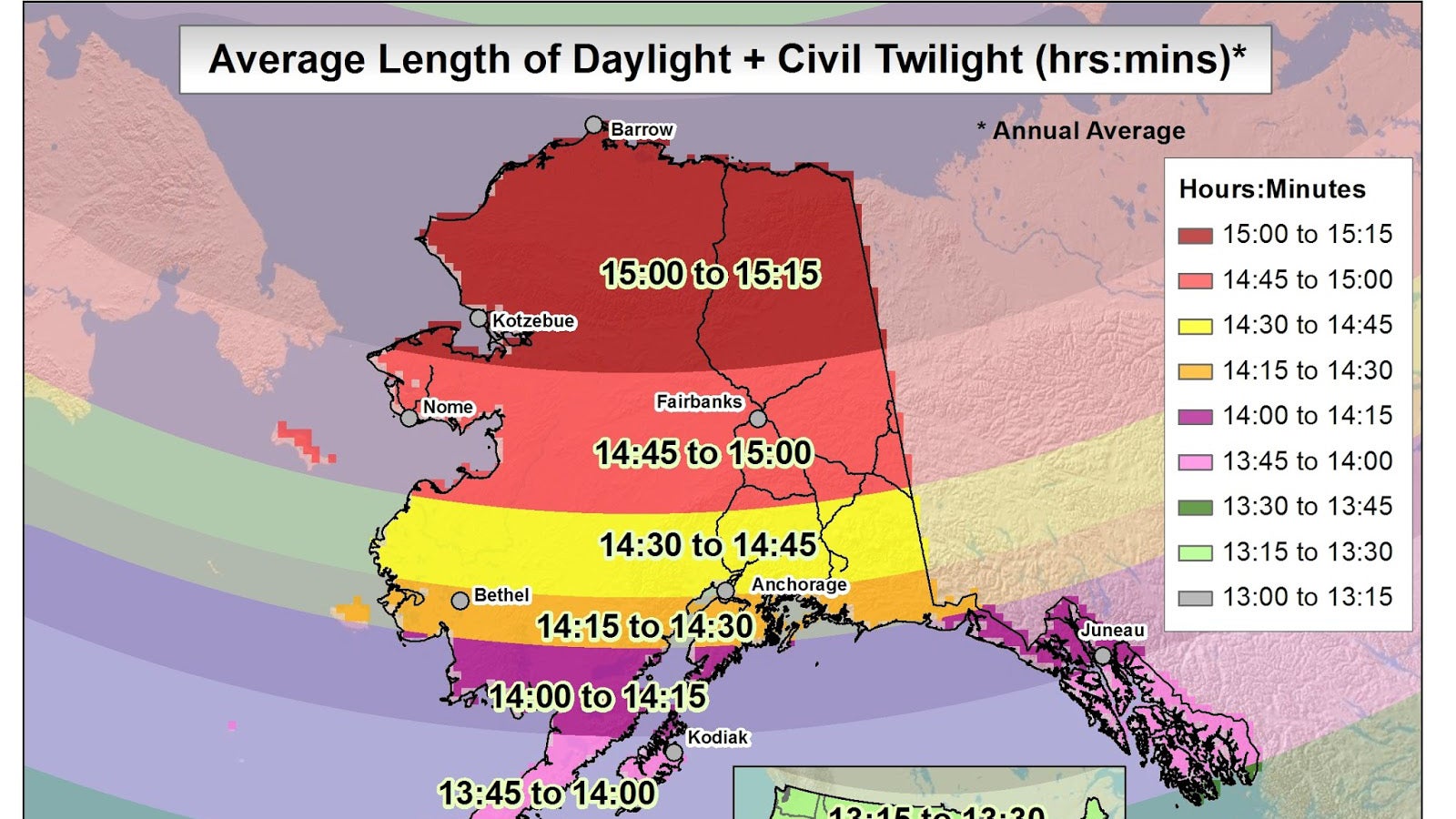
Alaska’s immense size and diverse geography play a significant role in how summer manifests across its regions. From the temperate rainforests of the Inside Passage to the vast tundra of the Arctic Circle, summer experiences can differ greatly. Southern coastal areas, like those around Juneau or the Kenai Peninsula, tend to have longer, milder summers due to oceanic influences. Inland regions, such as Fairbanks, experience more extreme temperature swings – often hotter days but colder nights, and a more abrupt transition into and out of summer. Further north, above the Arctic Circle, summer is incredibly brief, sometimes only lasting a few weeks when temperatures consistently rise above freezing, bringing the phenomenon of 24-hour daylight to its most extreme. This regional variation means that “how long is Alaska summer” can have slightly different answers depending on where in the state you plan to visit.
The Short, Yet Glorious, Alaska Summer Window
While the full summer season can stretch from late May to early September, the true glory and optimal conditions for most travelers are concentrated within a narrower timeframe. This intense period is when the landscapes are at their most vibrant, wildlife is most active, and the famous midnight sun is at its most prominent.
Late May to Early September: The Prime Period
For general travel and experiencing the best of what Alaska offers, the period from late May to early September is considered the sweet spot.
- Late May: Marks the beginning of the season. Snow begins to melt, trails open up, and early wildflowers appear. Tourist services resume, though some may still be in startup mode. This is often a great time for wildlife viewing, particularly bears emerging from hibernation. Crowds are thinner, and prices can be slightly lower.
- June: The start of peak season. Daylight hours rapidly increase, leading to the summer solstice around June 21st, when many areas experience nearly 24 hours of daylight. Temperatures become consistently mild, and nature bursts into full bloom. This month is excellent for fishing, hiking, and exploring the national parks.
- July: The absolute peak of Alaska summer. This is typically the warmest month, with the longest stretches of daylight. All services are fully operational, and the state is bustling with visitors. Wildlife is abundant, and the scenery is at its most verdant. This is the busiest and often most expensive time to visit.
- August: Continues to offer excellent summer conditions. While daylight slowly begins to wane, temperatures remain pleasant. Fall colors start to appear in higher elevations and northern regions towards the end of the month, adding a beautiful new dimension to the landscape. Salmon runs are in full swing, attracting both anglers and wildlife.
- Early September: The shoulder season begins. Crowds start to thin, and prices may become more attractive. While some services may start to close down towards the middle of the month, early September can be a fantastic time to witness the vibrant fall foliage, especially in interior Alaska, and potentially catch the aurora borealis as nights grow darker.
June and July: The Peak of Daylight and Warmth
If you’re looking for the quintessential Alaska summer experience—maximum daylight, warmest temperatures, and the highest concentration of outdoor activities—then June and July are your go-to months. During this time, daylight can extend up to 19-20 hours in southern cities like Anchorage and Fairbanks, while areas north of the Arctic Circle enjoy true 24-hour daylight, the famous “midnight sun.” This extended daylight allows for longer days of exploration, hiking, fishing, and sightseeing without the pressure of darkness. The vibrant energy of the season is palpable, with festivals, events, and all manner of excursions running at full capacity. However, this also means these months are the busiest and most expensive, requiring bookings for accommodations, tours, and transportation well in advance.
What to Expect During Alaska Summer
An Alaska summer is a sensory overload, defined by its unique blend of phenomena and natural beauty. Understanding these characteristics helps in setting expectations and preparing for an unforgettable trip.
Endless Daylight and Midnight Sun
One of the most defining features of an Alaska summer is the extraordinary length of daylight. Thanks to the state’s high latitude, the sun hovers above the horizon for an incredible duration. In Anchorage, the longest day sees over 19 hours of daylight, with twilight lasting for several more hours, making it bright enough to read outdoors even near midnight. Further north in Fairbanks, the sun officially sets for only a few hours, barely dipping below the horizon, while points north of the Arctic Circle experience continuous daylight for weeks. This “midnight sun” can be disorienting but also exhilarating, allowing for extended explorations and unique evening activities like golfing at midnight. It’s advisable to bring an eye mask for sleeping if you’re sensitive to light.
Mild Temperatures and Variable Weather
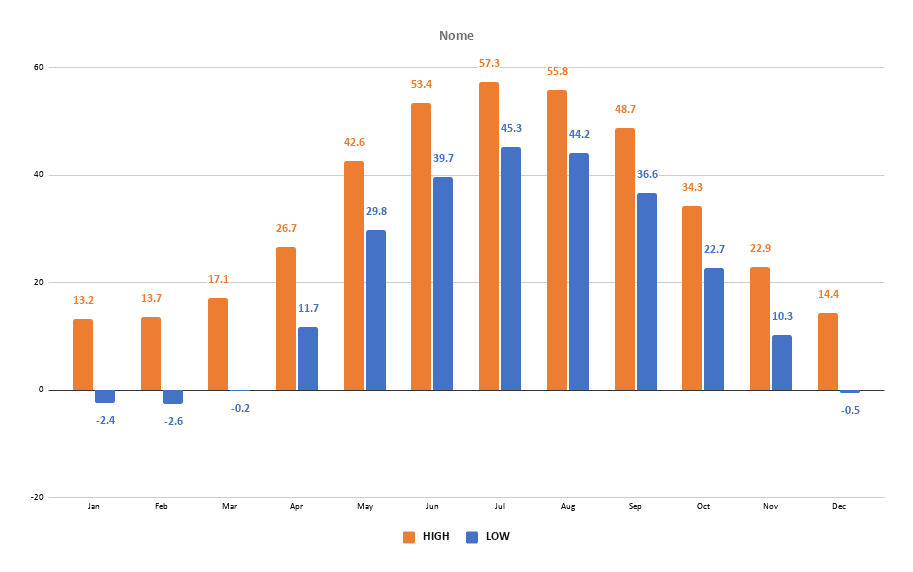
Despite its reputation, Alaska summers are surprisingly mild and often pleasant. Average daytime temperatures in popular areas like Anchorage and Fairbanks range from the mid-50s to low 70s Fahrenheit (10-22°C). Coastal regions, particularly the Inside Passage, tend to be cooler and wetter, while interior regions can experience warmer, sunnier days, occasionally reaching into the 80s (27°C). However, the weather in Alaska is notoriously unpredictable and can change rapidly. A sunny morning can quickly turn into a rainy afternoon, and temperatures can drop significantly, especially at higher elevations or near glaciers. Layers are not just a suggestion; they are a necessity for comfortable summer travel in Alaska.
Thriving Wildlife and Landscapes
Summer is when Alaska’s nature truly awakens. The melting snow feeds rivers and streams, and the long daylight hours fuel an explosion of plant life.
- Wildlife: Bears (grizzly, black, and polar in the far north), moose, caribou, Dall sheep, and various marine mammals like whales, seals, and sea otters are all highly active. Salmon runs attract bears, eagles, and anglers alike. Birdwatchers will revel in the migratory species that flock to Alaska for nesting. Denali National Park is a prime spot for land wildlife viewing, while the coastal waters offer unparalleled marine life encounters.
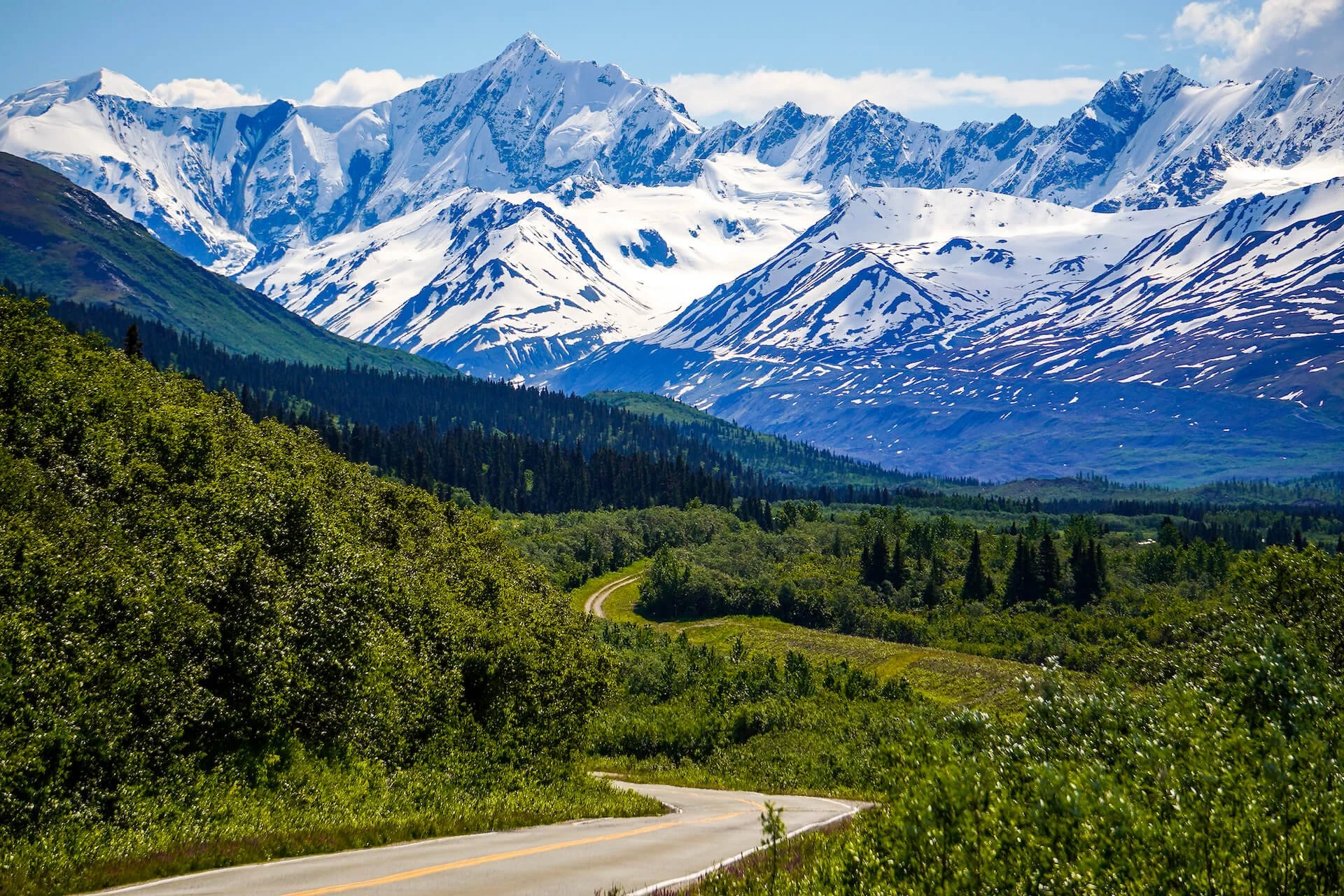
- Landscapes: The tundra turns green, wildflowers carpet the meadows, and forests are vibrant. Glaciers calve into turquoise waters, and snow-capped peaks provide dramatic backdrops. This is the ideal time for hiking, kayaking, fishing, and flightseeing tours, offering breathtaking perspectives of the Chugach Mountains, the vast interior, and the intricate coastlines.
Planning Your Summer Alaska Adventure
Making the most of the relatively short Alaska summer requires careful planning, especially considering its popularity and the unique challenges presented by the environment.
Best Time for Specific Activities
The “best” time to visit Alaska in summer depends largely on your primary interests:
- Wildlife Viewing: Late May to early June for bear cubs and emerging animals; July and August for peak salmon runs and marine wildlife.
- Hiking/Backpacking: July and August offer the most snow-free trails and pleasant temperatures.
- Fishing: Mid-June through August, with specific salmon runs peaking at different times (e.g., King salmon in June, Sockeye in July, Coho in August).
- Cruising the Inside Passage: June, July, and August provide the best weather, though May and September offer fewer crowds and potentially lower prices.
- Photography: All summer months offer unique opportunities, from vibrant greens in June/July to fall colors in August/September.
- Northern Lights: While primarily a winter phenomenon, late August and early September in interior Alaska can offer the first glimpses as nights grow darker.
Preparing for Peak Season Crowds and Costs
As Alaska’s summer is its prime tourist season, expect higher demand and prices. Accommodations, rental cars, and popular tours, particularly those in Denali National Park, can book out months in advance. It’s highly recommended to:
- Book Early: Especially if traveling in July or August.
- Consider Shoulder Seasons: Late May/early June or early September offer a good balance of weather, open attractions, and fewer crowds/lower prices.
- Budget Wisely: Alaska can be an expensive destination, so factor in costs for tours, transport, and dining.
Essential Packing Tips for Variable Conditions
Given the unpredictable nature of Alaska’s summer weather, packing smart is key.
- Layers, Layers, Layers: Start with a moisture-wicking base, add an insulating layer (fleece or down), and top with a waterproof and windproof outer shell.
- Waterproof Gear: A good rain jacket and pants are essential, especially for coastal areas or any outdoor activity. Waterproof hiking boots are also highly recommended.
- Sun Protection: Despite the cooler temperatures, the long daylight hours mean significant sun exposure. Pack sunscreen, sunglasses, and a wide-brimmed hat.
- Insect Repellent: Mosquitoes can be prevalent, especially in interior and marshy areas during peak summer.
- Eye Mask: For sleeping under the midnight sun.
In conclusion, Alaska’s summer may be brief, typically spanning from late May to early September, but it is an intensely beautiful and active period. The concentrated window of mild weather, endless daylight, and thriving nature offers an unparalleled travel experience, making careful planning essential to harness the full glory of the Last Frontier’s golden season.
LifeOutOfTheBox is a participant in the Amazon Services LLC Associates Program, an affiliate advertising program designed to provide a means for sites to earn advertising fees by advertising and linking to Amazon.com. Amazon, the Amazon logo, AmazonSupply, and the AmazonSupply logo are trademarks of Amazon.com, Inc. or its affiliates. As an Amazon Associate we earn affiliate commissions from qualifying purchases.