
Alaska, often dubbed “The Last Frontier,” captivates travelers with its rugged beauty, abundant wildlife, and extreme natural phenomena. Among the most striking and impactful aspects of an Alaskan journey are its dramatically shifting daylight hours, a feature that profoundly shapes the travel experience. Far from the consistent day-night cycles experienced at lower latitudes, Alaska’s position on the globe grants it unique seasonal light patterns, ranging from the perpetual glow of the Midnight Sun to the profound darkness of polar winter. Understanding these variations is not just a point of interest; it’s fundamental to planning an unforgettable trip.
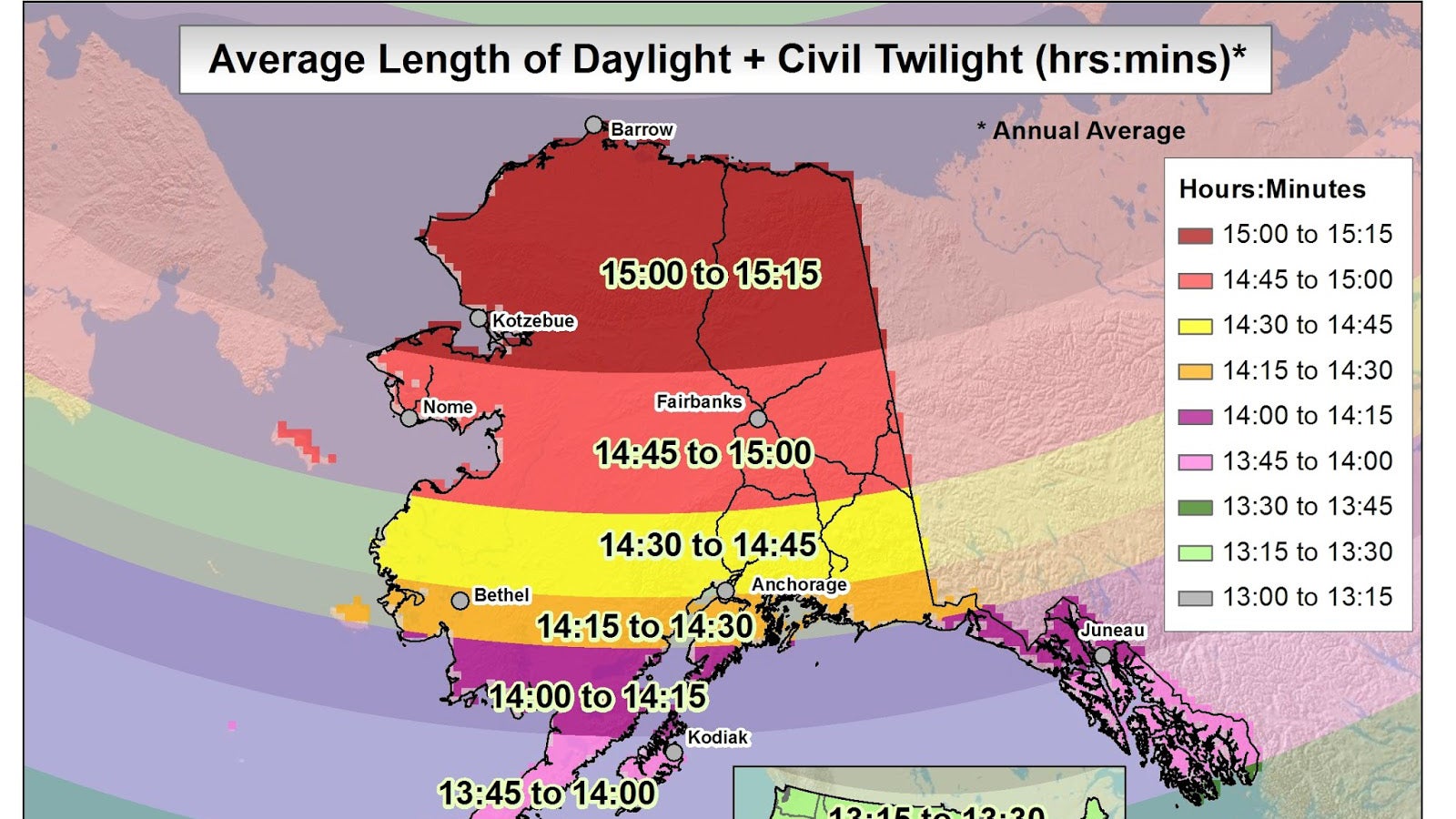
The Science Behind Alaska’s Unique Daylight Patterns
The extraordinary duration of daylight in Alaska is not a mere curiosity but a direct consequence of astronomical mechanics, primarily the Earth’s axial tilt and its orbit around the sun.
The Earth’s Axial Tilt and Alaska’s Latitude
The Earth spins on an axis that is tilted approximately 23.5 degrees relative to its orbital plane around the sun. This tilt is the primary reason for seasons and, critically, for the varying lengths of day and night across the planet. As the Earth orbits, different parts of the globe are tilted towards or away from the sun. Alaska, situated at high latitudes, particularly its northern regions extending well into the Arctic Circle, experiences these effects most intensely.
During the summer months, the Northern Hemisphere is tilted towards the sun. For regions like Alaska, this means the sun remains visible above the horizon for extended periods, and in some areas, continuously for weeks or even months. Conversely, in winter, the Northern Hemisphere tilts away from the sun, plunging these high-latitude areas into prolonged darkness. The closer a location is to the North Pole, the more extreme these variations become. For instance, Utqiagvik (formerly Barrow), the northernmost city in the United States, experiences the most dramatic light shifts.
Solstices and Equinoxes: Extremes and Transitions
The annual cycle of daylight in Alaska is punctuated by two solstices and two equinoxes, each marking a significant point in the year’s light progression:
- Summer Solstice (around June 20-21): This marks the longest day of the year. In much of Alaska, this means an extraordinary amount of daylight. North of the Arctic Circle, the sun doesn’t set for days or even months. For example, Utqiagvik sees 24 hours of continuous daylight from mid-May to early August. Even southern cities like Anchorage enjoy around 19 hours of direct sunlight, with twilight extending the usable light well beyond that.
- Winter Solstice (around December 21-22): This is the shortest day of the year. North of the Arctic Circle, the sun does not rise at all for a period known as polar night. Utqiagvik experiences approximately 65 days of darkness. In Fairbanks, located just south of the Arctic Circle, daylight dwindles to about 3 hours and 42 minutes, while Anchorage receives around 5 hours and 30 minutes of light.
- Spring and Autumn Equinoxes (around March 20-21 and September 22-23): These are transitional periods when the sun is directly over the Equator. On these days, virtually all locations on Earth experience roughly 12 hours of daylight and 12 hours of night. For Alaska, these periods represent a rapid shift from extremes, offering a brief window of more “normal” light conditions before the next extreme begins.
Seasonal Daylight in Alaska: A Traveler’s Guide
The dramatic fluctuation in daylight is arguably the most defining characteristic of Alaska’s seasons, dictating not only the landscape’s appearance but also the types of activities available and the very rhythm of life.
Summer: The Land of the Midnight Sun (May – August)
Alaska’s summer is synonymous with the Midnight Sun. This phenomenon, where the sun remains visible throughout the night, is most pronounced in June and July.
- What to Expect: In northern locales like Utqiagvik and Nome, 24 hours of daylight is a reality. Further south, in cities like Fairbanks (about 19-21 hours) and Anchorage (about 19 hours), the sun dips below the horizon only briefly, creating prolonged periods of twilight that blur the lines between day and night. This extended light invigorates the flora and fauna, transforming the landscape into a vibrant hub of activity.
- Travel Implications: The endless daylight means more time for outdoor adventures. Hiking trails are accessible late into the evening, fishing trips can extend past traditional bedtime, and wildlife viewing opportunities are plentiful around the clock. However, travelers should be prepared for this unique light cycle. Blackout curtains are a standard amenity in most Alaskan hotels and accommodations, but bringing an eye mask is highly recommended for sensitive sleepers. The constant light can also disorient one’s internal clock, so maintaining a routine is essential.
Winter: The Realm of Extended Darkness (November – February)
Alaska’s winter is a stark contrast to its summer, characterized by dramatically shortened days and long, dark nights.
- What to Expect: North of the Arctic Circle, polar night descends, meaning the sun does not rise above the horizon for weeks or months. Even in Fairbanks, daylight is limited to a mere few hours, creating a magical atmosphere often bathed in soft, ethereal twilight. Southern Alaska also experiences significantly reduced daylight, but typically without the complete absence of sunrise.
- Travel Implications: Winter in Alaska is prime season for witnessing the spectacular Aurora Borealis. The extended darkness provides ample opportunity for aurora chasing, particularly in inland locations like Fairbanks, known as one of the best aurora viewing destinations in the world. Winter sports like dog sledding, cross-country skiing, and ice fishing also thrive. Travelers should pack warm clothing in layers, as temperatures can be extreme, and be prepared for activities that often occur in low light or darkness. Headlamps are indispensable for navigating after dark.
Spring and Fall: Periods of Transition (March-April, September-October)

The shoulder seasons of spring and fall offer a balance, where daylight hours are rapidly changing, providing a unique blend of experiences.
- What to Expect: In spring, daylight rapidly increases, melting snow and ice and awakening the landscape. Fall sees a swift decrease in light, accompanied by stunning autumn foliage. These periods offer more “normal” daylight hours compared to the extremes of summer and winter, with around 12-14 hours of light.
- Travel Implications: These seasons are often quieter, with fewer crowds and potentially lower prices. Spring is excellent for early wildlife viewing as animals emerge from hibernation, and fall provides vibrant colors and often a last chance for hiking before winter snows. Depending on the exact timing, there can still be opportunities for Aurora Borealis viewing in early fall and late spring, especially further north.
Navigating Alaska’s Daylight for Optimal Travel Experiences
Maximizing your Alaska adventure means strategically embracing its unique light cycles.
Planning Your Itinerary: Matching Activities to Light
The duration of daylight directly influences the types of activities best enjoyed during different seasons.
- Summer: The extended daylight is perfect for long excursions. Consider extended glacier cruises in Prince William Sound, multi-day backpacking trips in Denali National Park, or late-night salmon fishing on the Kenai River. Many local festivals and events also leverage the Midnight Sun for unique scheduling.
- Winter: Focus on activities that thrive in the darkness or shorter daylight. This includes dedicated Aurora Borealis tours, snowmachine (snowmobile) expeditions, ice climbing, and exploring frozen landscapes during the brief daylight hours. Visits to hot springs under a starlit sky are particularly magical.
- Shoulder Seasons: These periods are excellent for wildlife photography as animals are active, for experiencing the vibrant fall colors, or for enjoying city tours without the summer rush.
Essential Gear: Preparing for Extreme Light Conditions
Regardless of the season, a few key items will enhance your comfort and ability to adapt to Alaska’s light variations.
- For Summer Travel: A high-quality eye mask is paramount for achieving restful sleep during the Midnight Sun months. Even with hotel blackout curtains, ambient light can often seep in. Good sunglasses are also essential for daytime activities under the bright, persistent sun.
- For Winter Travel: A powerful headlamp or flashlight is indispensable for navigating in limited daylight or complete darkness. Reflective gear is also advisable for safety if walking along roads.
Health and Well-being: Adapting to the Light Cycles
The extreme light conditions can impact sleep patterns and overall well-being.
- Sleep Hygiene: Maintain a consistent sleep schedule as much as possible, regardless of the light outside. Utilize eye masks, earplugs, and blackout curtains to create a dark, quiet sleep environment.
- Vitamin D: In winter, limited sunlight can lead to lower Vitamin D levels. Consult with a healthcare professional about supplements if you are planning an extended winter stay.
- Embrace the Light/Dark: Rather than fighting nature, try to embrace the unique rhythm. During summer, let the extended daylight encourage longer days of exploration. In winter, savor the tranquility and the unparalleled opportunity to witness the aurora.
Beyond the Mainland: Daylight in Alaska’s Coastal and Island Regions
While the interior and northern parts of Alaska experience the most dramatic daylight shifts, coastal and island regions also have unique patterns.
Southeast Alaska (Juneau, Ketchikan): Moderated Extremes
The panhandle of Southeast Alaska, home to cities like Juneau and Ketchikan, is at a lower latitude than much of the mainland. While still experiencing significant seasonal variation, the extremes are less pronounced. During the summer solstice, Juneau might see around 18 hours of daylight, with lengthy twilight, and in winter, around 6-7 hours. The frequent cloud cover and rain in this temperate rainforest region can also impact the perceived brightness of the day, regardless of the sun’s position.

Aleutian Islands: Unique Maritime Daylight
The Aleutian Islands, stretching far west into the Pacific Ocean, have their own distinct daylight characteristics. Though at a similar latitude to Southeast Alaska, their maritime climate and frequent fog can make for perpetually subdued light conditions, even during summer. The weather rather than the sun’s direct path often dictates the perception of light and dark, adding another layer to Alaska’s already fascinating daylight narrative.
Ultimately, the answer to “How long is daylight in Alaska?” is a complex, seasonally dependent variable that makes each visit truly unique. From the exhilarating endless days of summer to the profound, aurora-rich nights of winter, Alaska’s light cycles are not just a backdrop but an integral part of its allure, offering unparalleled experiences for every traveler prepared to embrace them.
LifeOutOfTheBox is a participant in the Amazon Services LLC Associates Program, an affiliate advertising program designed to provide a means for sites to earn advertising fees by advertising and linking to Amazon.com. Amazon, the Amazon logo, AmazonSupply, and the AmazonSupply logo are trademarks of Amazon.com, Inc. or its affiliates. As an Amazon Associate we earn affiliate commissions from qualifying purchases.