
Driving to Alaska is an epic undertaking, a quintessential North American road trip that promises breathtaking scenery, encounters with abundant wildlife, and a profound sense of adventure. While the allure of the Last Frontier is strong, the practical question for many aspiring drivers is: “How long will it actually take?” The answer isn’t a simple number, but rather a calculation influenced by several key factors, from your starting point to your desired pace and the amount of sightseeing you wish to do along the way.
The Core Route: The Alaska Highway
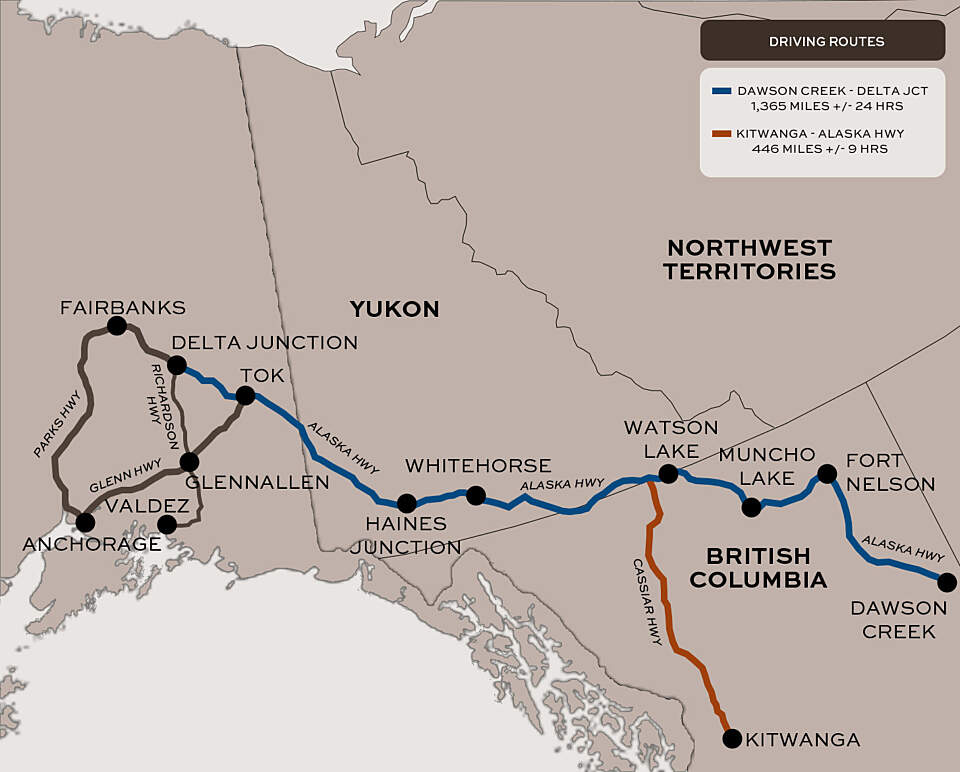
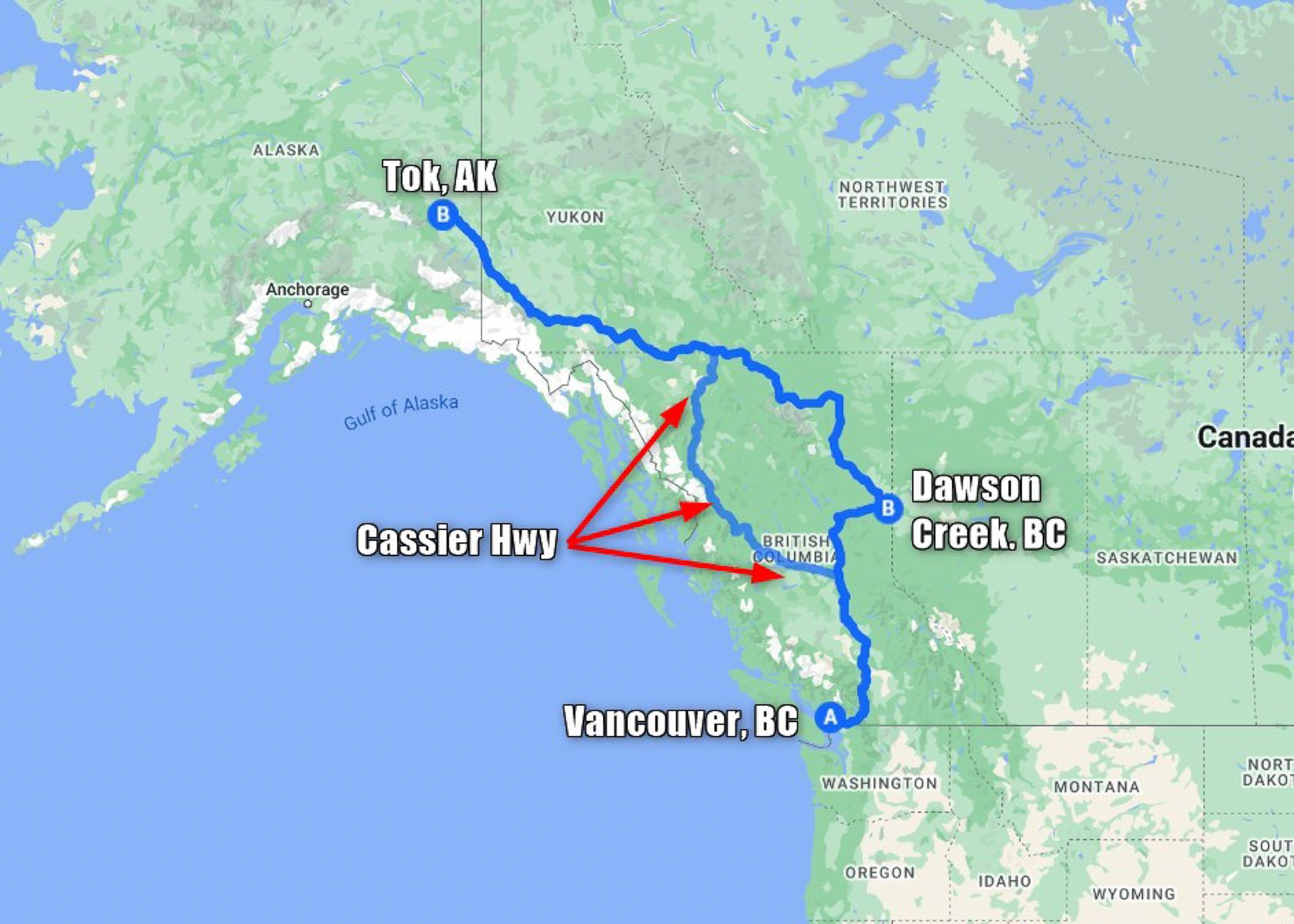
The primary artery for anyone driving to Alaska is the legendary Alaska Highway, also known as the Alcan Highway. Stretching approximately 1,390 miles (2,237 kilometers) from Dawson Creek, British Columbia, Canada, to Delta Junction, Alaska, United States, this historic route was built during World War II and remains a marvel of engineering. However, the journey to Dawson Creek itself adds significant time, depending on your origin in the Lower 48 United States.
Starting Points and Initial Calculations
Most road trips to Alaska originate from cities in the contiguous United States. For a rough estimate, consider a few common starting points:
- From Seattle, Washington: The drive to Dawson Creek is about 650 miles (1,046 km), roughly 10-12 hours of driving. From Dawson Creek to Anchorage, Alaska, via the Alaska Highway and connecting roads, is another 1,500-1,800 miles (2,400-2,900 km), depending on your final destination within Alaska. This translates to a total of 2,150-2,450 miles (3,460-3,940 km).
- From Minneapolis, Minnesota: The journey to Dawson Creek is significantly longer, around 1,500 miles (2,400 km), taking approximately 24-28 hours of driving. Adding the Alaska Highway portion, the total could easily reach 3,000-3,300 miles (4,800-5,300 km).
- From the East Coast (e.g., New York City): This is the longest haul, with the drive to Dawson Creek alone spanning over 3,000 miles (4,800 km) and requiring 50+ hours of continuous driving. The total trip to Alaska could be upwards of 4,500-5,000 miles (7,200-8,000 km).
On average, most travelers cover 350-500 miles (560-800 km) per day. Based on these figures, a direct, no-frills drive from the Lower 48 to Alaska typically takes:
- West Coast (e.g., Seattle): 4-6 days
- Mid-Continent (e.g., Minneapolis): 6-8 days
- East Coast (e.g., New York City): 8-10+ days
These estimates are for driving time only, without accounting for extensive sightseeing. To truly experience the journey, most people allocate considerably more time.
Border Crossings and Documentation
Crossing the United States-Canada border and then the Canada-United States border again into Alaska is a straightforward process, but it does add time to your trip. Be prepared with valid passports for all travelers, vehicle registration, and proof of insurance. Ensure your vehicle meets Canadian import requirements (though most US vehicles are compliant). Current entry requirements and customs regulations should always be checked prior to departure through official government websites for both countries, as they can change. While border waits are usually not excessively long, they are a factor to consider in your daily mileage planning.
Factors Influencing Your Driving Time
The raw distance is only one piece of the puzzle. Several practical considerations will dictate your actual travel time to Alaska.
Driving Speed and Daily Mileage Goals
The speed limit on much of the Alaska Highway through British Columbia and the Yukon Territory is around 90-100 km/h (55-60 mph). Roads can be winding, and conditions vary, making high speeds impractical and unsafe in many areas. Moreover, gas stations can be spaced far apart, requiring careful fuel planning. Many experienced travelers recommend limiting daily driving to 8-10 hours, accounting for stops, fuel, and potential delays. Pushing for 12-14 hours per day is possible but can lead to fatigue and diminish the enjoyment of the trip. A relaxed pace of 6-8 hours of driving allows for more flexibility and spontaneous stops.
Rest Stops and Overnight Accommodations
Adequate rest is crucial for safety on such a long journey. Planning for comfortable overnight stays is essential. Along the Alaska Highway, towns and services are generally available every 100-200 miles (160-320 km), but there can be longer stretches without amenities. Booking accommodations in advance, especially during peak summer months (June-August), is highly recommended, particularly in popular spots like Fort Nelson, Watson Lake, and Whitehorse. Camping is also a popular option, with numerous provincial and territorial campgrounds available, often operating on a first-come, first-served basis. Factor in time for setting up and breaking down camp if you choose this route.
Road Conditions and Vehicle Preparedness
The condition of the Alaska Highway has vastly improved over the decades, with most of it now paved. However, gravel sections, frost heaves, and construction zones are still common, particularly in the more remote stretches. These conditions can significantly slow down travel, sometimes requiring reduced speeds or even temporary closures. Driving through areas known for wildlife, such as Kluane National Park and Reserve, also necessitates slower speeds to avoid collisions with moose, caribou, bears, or other animals.
Ensuring your vehicle is in top condition before departure is paramount. This includes fresh oil, well-maintained tires (including a full-sized spare), functioning lights, and an emergency kit. Unexpected breakdowns in remote areas can cause significant delays and added expense.
Beyond the Wheel: The Journey’s Experiences
While getting to Alaska is the goal, the journey itself is a destination. To truly savor the experience, you’ll want to factor in time for exploration.
Scenic Detours and Must-See Attractions
The drive to Alaska passes through some of North America’s most stunning landscapes. Budgeting extra days allows you to explore:
- Banff National Park and Jasper National Park (Alberta): If you take the southern route through Alberta, these Canadian Rockies gems are worth at least 2-3 extra days each. Their turquoise lakes, towering peaks, and abundant hiking trails are world-renowned.
- The Icefields Parkway: Connecting Banff and Jasper, this scenic drive itself is an attraction, best enjoyed with frequent stops.
- Liard River Hot Springs (British Columbia): A popular natural hot spring right off the Alaska Highway, offering a relaxing break.
- Sign Post Forest in Watson Lake (Yukon Territory): A quirky and iconic stop where visitors add their own signs to a growing collection.
- Kluane National Park and Reserve (Yukon Territory): Home to Mount Logan, Canada’s highest peak, offering incredible hiking and flightseeing opportunities.
- Side Trips to Skagway or Haines (Alaska): These coastal towns can be accessed via scenic detours from the Alaska Highway, often involving stunning drives or short ferry rides.
Factoring in 5-7 additional days for these kinds of explorations is common and highly recommended to fully appreciate the region.
Wildlife Encounters and Photo Opportunities
The drive to Alaska is a prime opportunity for wildlife viewing. You might spot moose, caribou, bears (black and grizzly), bison, Dall sheep, and various bird species. Pulling over safely to observe and photograph these animals is a highlight for many travelers. This, naturally, adds time to your journey, as does stopping at numerous scenic viewpoints along the way. While thrilling, remember to maintain a safe distance from all wildlife.
Cultural Stops and Local Flavor
The towns along the Alaska Highway and its feeder routes offer glimpses into the local culture of British Columbia, the Yukon Territory, and Alaska. Stopping at small museums, local diners, or indigenous cultural centers can enrich your trip significantly. In Whitehorse, the capital of the Yukon, you can explore the S.S. Klondike National Historic Site or paddle the Yukon River. In Dawson City (a detour from the main highway), the gold rush history comes alive.
Essential Preparations for Your Alaskan Road Trip
Careful planning is the bedrock of a successful and enjoyable drive to Alaska.
Vehicle Maintenance and Emergency Supplies
Beyond basic maintenance, consider equipping your vehicle with:
- Robust Tires: All-terrain tires with good tread are highly recommended.
- Full-Size Spare Tire: Crucial for remote areas where roadside assistance may be hours away.
- Tire Repair Kit & Portable Air Compressor: For minor punctures.
- Basic Tool Kit: Wrench set, pliers, screwdrivers, duct tape, zip ties.
- Fluids: Extra oil, coolant, wiper fluid.
- Emergency Kit: Jumper cables, first-aid kit, flashlight, warning triangles/flares.
- Fuel Can: A spare can with 5 gallons of gas can be a lifesaver on long stretches between stations.
- Rock Guard: Many travelers install a rock guard on their vehicle or trailer to protect against flying gravel.
Navigation and Communication
While cell service has improved, significant stretches of the Alaska Highway and its connecting routes remain without coverage. Do not rely solely on your smartphone for navigation.
- Physical Maps and Guidebooks: Invest in detailed road atlases, such as The Milepost, which is an indispensable resource for the Alaska Highway and surrounding routes, detailing services, attractions, and mile markers.
- Downloaded Offline Maps: Utilize apps like Google Maps or Maps.me with downloaded offline maps for areas without service.
- Satellite Communicator (Optional): For true peace of mind in remote areas, a device like a Garmin inReach or Spot Messenger allows for two-way communication and SOS capabilities outside of cell service.
Budgeting for the Long Haul
Driving to Alaska is not a budget trip, especially when considering the time investment. Gas prices in Canada are generally higher than in the United States and can fluctuate. Accommodations, food, and attractions also add up. Plan for:
- Fuel: This will be your largest expense. Calculate your vehicle’s MPG and the total mileage to get a rough estimate, then add a buffer.
- Accommodation: Hotels, motels, or campgrounds.
- Food: Groceries for cooking can save money compared to eating out for every meal.
- Activities & Sightseeing: Park entrance fees, tours, etc.
- Vehicle Maintenance & Contingency: Budget for unexpected repairs or a flat tire.
In conclusion, while a determined driver could theoretically cover the distance from the Lower 48 to Alaska in as little as 4-5 days from the west coast, or 8-10 days from the east, a truly rewarding and safe trip usually takes longer. Most seasoned travelers recommend allocating at least 7-14 days for the journey, with 10-14 days being ideal for those wishing to sightsee and enjoy the incredible landscapes and experiences that unfold along the way. This allows for comfortable driving, adequate rest, and time to explore the unique charm of the Alaska Highway and the regions it traverses.
LifeOutOfTheBox is a participant in the Amazon Services LLC Associates Program, an affiliate advertising program designed to provide a means for sites to earn advertising fees by advertising and linking to Amazon.com. Amazon, the Amazon logo, AmazonSupply, and the AmazonSupply logo are trademarks of Amazon.com, Inc. or its affiliates. As an Amazon Associate we earn affiliate commissions from qualifying purchases.