
Embarking on a journey to the Last Frontier means preparing for an experience unlike any other, and that includes understanding its unique administrative geography. For travelers accustomed to the county-based systems prevalent across most of the United States, the question, “How many counties does Alaska have?” often arises. The surprising answer is: none. Alaska stands apart as the only U.S. state that does not have counties. This distinct organizational structure shapes everything from local governance to the very nature of travel and exploration within its vast borders, offering a compelling layer of insight for the discerning adventurer.

A Unique Administrative Landscape for Travelers
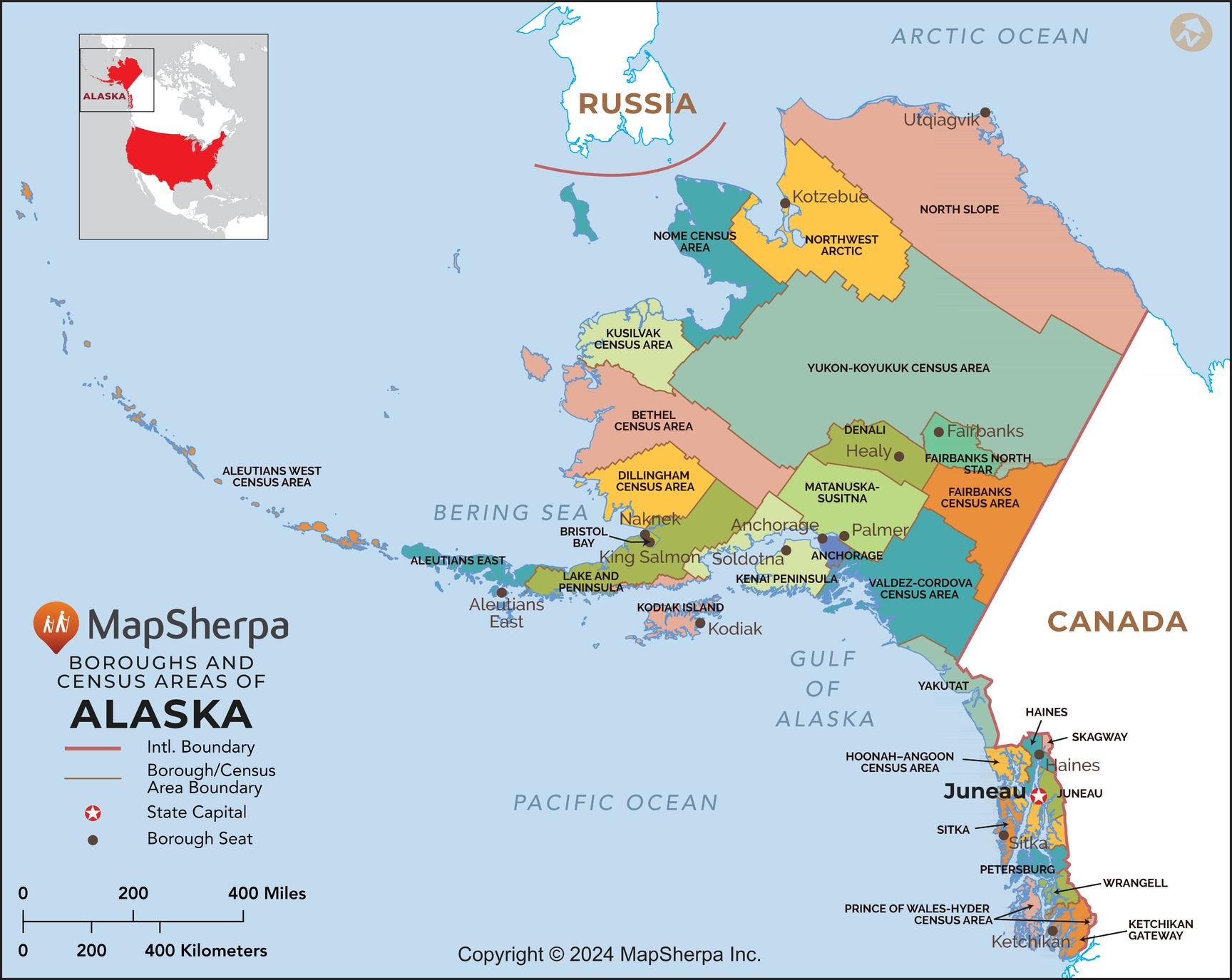
Instead of counties, Alaska is divided into “boroughs.” This system, a reflection of the state’s immense size, sparse population, and often challenging terrain, provides a framework for local government that is significantly different from other states. For travelers, understanding this distinction is more than just a trivia fact; it’s a key to navigating and appreciating the diverse regions of this magnificent state.
Boroughs: Alaska’s Answer to Counties
Organized boroughs in Alaska function similarly to counties elsewhere, providing municipal services such as education, road maintenance, and tax collection. However, there’s a crucial difference: these boroughs typically encompass much larger areas than conventional counties, often including multiple cities, towns, and vast stretches of wilderness. For instance, the Fairbanks North Star Borough is home to the city of Fairbanks, but also extends far beyond, encompassing a wide range of natural landscapes and smaller communities. When planning a trip, thinking in terms of boroughs helps travelers understand where services might be concentrated and where they will thin out into wilder, more remote territories. The services and regulations within each organized borough can vary, impacting everything from campground availability to local fishing licenses.
The Unorganized Borough: Vastness Beyond Borders
Perhaps the most fascinating aspect of Alaska’s administrative map is the “Unorganized Borough.” This colossal area, making up roughly two-thirds of the state’s landmass, has no local borough government. Instead, it is directly administered by the state government for essential services, though many communities within it are incorporated as cities and provide their own local services. For travel, the Unorganized Borough represents the epitome of wilderness adventure. It’s an expanse where infrastructure is minimal, distances are enormous, and travel often relies on small aircraft or boats. Destinations like Nome or Kotzebue fall within this region, offering unparalleled cultural experiences and access to truly untouched nature, but requiring meticulous planning due to their remoteness. The state further subdivides the Unorganized Borough into census areas for statistical purposes, but these are not governmental entities.
Why Alaska Opted for a Different System
Alaska’s choice for boroughs over counties stems from its unique geography and population distribution. When it became a state in 1959, the vast majority of its land was uninhabited, and the few population centers were widely scattered. Establishing a traditional county system would have been impractical, leading to inefficient governance over enormous, empty areas. The borough system, particularly the concept of the Unorganized Borough, allowed for localized governance where it was most needed while keeping state oversight for the immense wildlands, aligning perfectly with the spirit of pioneering exploration that still defines the state. This historical context provides a deeper appreciation for the scale and untamed character of the Alaskan landscape that travelers seek.
Navigating Alaska: Understanding its Divisions
For travelers, understanding Alaska’s borough system and the Unorganized Borough is crucial for effective trip planning. It influences everything from transport options and accommodation availability to the type of activities one can pursue and the level of preparedness required.
Organized Boroughs: Planning Your Trip
Many of Alaska’s most popular travel destinations are located within its organized boroughs, where infrastructure is more developed, and visitor services are more readily available.
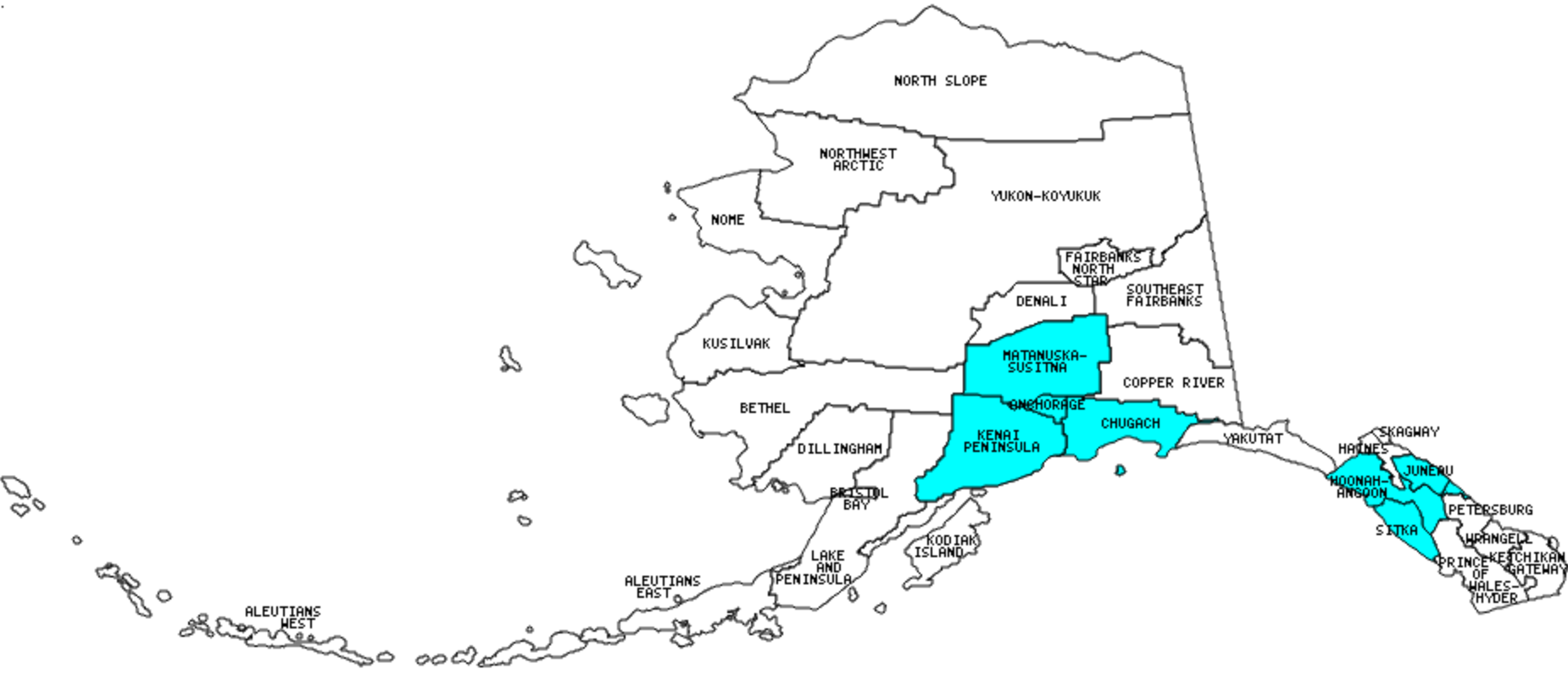
- Anchorage, Alaska’s largest city, functions as a consolidated city-borough, offering a gateway to wilderness while providing urban amenities. It’s a hub for flights, car rentals, and tour operators.
- The Kenai Peninsula Borough is famous for its world-class fishing, marine wildlife, and stunning coastal scenery, including towns like Seward and Homer. Travelers here will find a mix of lodges, charters, and well-maintained state parks.
- The Matanuska-Susitna Borough, often called the “Mat-Su,” is a vast agricultural and recreational area north of Anchorage, known for the Matanuska Glacier and its proximity to Denali National Park.
- Juneau, the state capital, is another consolidated city-borough accessible primarily by air or sea. Nestled in the Inside Passage, it’s a popular cruise ship destination offering glacier tours and rich indigenous culture.
When planning a trip to these areas, travelers can expect a more conventional tourism experience with readily available resources, well-marked attractions, and established transportation networks. Road trips are viable within many of these boroughs, connecting various points of interest.
The Unorganized Borough: The True Wilderness Experience
Venturing into the Unorganized Borough is often an expedition into true wilderness. Travel here is characterized by its remoteness, challenging logistics, and the profound sense of isolation and natural beauty.
- Travel Considerations: Infrastructure is sparse. Roads are few, and many communities are only accessible by bush plane or boat. Lodging options range from rustic cabins to very specialized wilderness lodges. Self-sufficiency is paramount, and travelers often rely on experienced guides or outfitters.
- Key Communities: Places like Nome on the Bering Sea coast, famed for the Iditarod Trail Sled Dog Race finish, or Kotzebue in the Arctic, offer deep dives into indigenous cultures and unique Arctic ecosystems. These destinations provide incredible opportunities for wildlife viewing, cultural immersion, and experiencing life above the Arctic Circle, but they demand a higher level of preparation and often a greater travel budget.
For the adventurous traveler seeking an off-the-grid experience, the Unorganized Borough offers unparalleled opportunities to connect with Alaska’s raw, untamed spirit.
Practical Implications for Alaska Travel
The absence of counties and the presence of boroughs and the vast Unorganized Borough have significant practical implications for anyone planning an Alaskan adventure.
Understanding Local Governance and Services
In organized boroughs, you’ll find typical municipal services like paved roads, schools, police, and fire departments. When traveling, this means access to emergency services is generally more straightforward, and infrastructure for visitors (like visitor centers and public facilities) is more developed. In the Unorganized Borough, services outside of incorporated cities are often managed by the state, or by local village councils, with a much lower density of services. This means travelers must be prepared for self-reliance, carry adequate supplies, and have contingency plans for emergencies, especially when venturing into remote areas. Road maintenance might be less frequent, and communication might be limited.
Regional Identity and Travel Planning
Each borough and census area (within the Unorganized Borough) fosters a distinct regional identity, shaped by its geography, climate, history, and the cultures of its inhabitants. For example, the temperate rainforests and Tlingit culture of Southeast Alaska (like Juneau or Sitka) offer a vastly different travel experience than the Arctic tundra and Inupiat traditions found around Barrow or Kotzebue. Understanding these regional differences, often defined by borough boundaries or census areas, allows travelers to tailor their itineraries to specific interests, whether it’s glacier trekking, salmon fishing, wildlife photography, or cultural exploration. It encourages a more focused approach to travel, ensuring visitors get the experience they truly desire.
Mapping Your Alaskan Adventure
When consulting maps for Alaska, you won’t see county lines. Instead, you’ll see borough boundaries and, across the vast majority of the state, the divisions of census areas within the Unorganized Borough. These serve as useful guideposts. While they don’t always directly correlate to tourism regions, they do offer a framework for understanding administrative responsibilities, potential service levels, and population densities. High-quality topographical maps, GPS devices, and satellite communication are essential tools, particularly when moving beyond the more populated corridors. Relying on local knowledge from outfitters, guides, and visitor centers within specific boroughs or census areas is invaluable for safe and rewarding travel.
The Allure of Alaska’s Vastness
Ultimately, the lack of counties and the unique borough system underscore the immense, untamed character of Alaska. This administrative choice is not merely an interesting quirk; it’s a testament to the state’s enduring wildness and its commitment to preserving vast tracts of pristine land.
Embracing the Scale
For travelers, Alaska’s administrative structure serves as a powerful reminder of its scale. It invites visitors to think beyond conventional boundaries and embrace the concept of true wilderness. The journey through Alaska is often defined by grand distances, expansive landscapes, and a deep connection with nature, all of which are implicitly acknowledged and facilitated by its governmental organization. This fosters a sense of adventure and discovery that is hard to replicate elsewhere.
Planning Beyond Conventional Divisions
Instead of focusing on county-level details, travelers to Alaska are encouraged to focus on natural landmarks, specific ecosystems, and the diverse activities they offer. Whether it’s the towering peaks of Denali National Park, the aquatic wonders of Prince William Sound, or the rugged beauty of the Arctic National Wildlife Refuge, these natural wonders transcend administrative lines. The borough system, by its very design, highlights these distinct regions and encourages visitors to explore them on their own terms, making their Alaskan Adventure truly personal and unforgettable.
LifeOutOfTheBox is a participant in the Amazon Services LLC Associates Program, an affiliate advertising program designed to provide a means for sites to earn advertising fees by advertising and linking to Amazon.com. Amazon, the Amazon logo, AmazonSupply, and the AmazonSupply logo are trademarks of Amazon.com, Inc. or its affiliates. As an Amazon Associate we earn affiliate commissions from qualifying purchases.