
Understanding the population dynamics of a destination like Fairbanks, Alaska offers more than just statistical insight; it provides a profound lens through which to appreciate the unique travel experiences awaiting visitors. The number of people calling Fairbanks home directly influences the city’s character, its array of services, the authenticity of its local culture, and the very atmosphere a traveler will encounter. Situated deep within Interior Alaska, Fairbanks is not merely a geographic point on a map but a vibrant community whose size and composition are central to its appeal as a premier Arctic destination.

Fairbanks’ Population at a Glance: A Gateway to the Arctic
At its core, Fairbanks presents a fascinating study in demographics, reflecting both its remote location and its strategic importance. The population figures are modest compared to major urban centers, yet they paint a picture of resilience, community, and a distinct way of life that greatly impacts the traveler’s journey. These numbers are a starting point for understanding what kind of infrastructure, local interactions, and general ambiance visitors can expect in the Golden Heart City.
The Core Numbers: What the Data Says
According to recent estimates from the U.S. Census Bureau, the city of Fairbanks itself has a population hovering around 32,000 residents. This figure represents the core urban area, a relatively compact and navigable city center. For a traveler, this suggests a city that feels accessible rather than overwhelming, where navigating from one attraction to another is typically straightforward, and a sense of community is palpable. Services are concentrated, making it easy to find restaurants, shops, and essential amenities without extensive travel. The relatively small population contributes to a welcoming atmosphere where locals are often receptive to visitors, offering insights into Alaskan life.
Beyond the City Limits: Greater Fairbanks Area
However, to truly grasp the human scale of Fairbanks and its impact on tourism, one must look beyond the city limits to the larger Fairbanks North Star Borough. This broader administrative area encompasses the city itself, along with adjacent communities such as North Pole and various unincorporated areas. The borough’s population typically ranges between 95,000 and 100,000 people. This expanded figure is crucial for travelers because it reflects the broader resource base, the total number of businesses, and the wider cultural fabric that supports the region’s tourism industry. While the core city offers concentrated experiences, the borough provides context for regional attractions, such as the distant but accessible Chena Hot Springs Resort or the expansive wilderness areas reachable by day trips, all serviced and maintained by this larger population base. The borough’s population ensures a sufficient local demand to sustain a variety of shops, services, and entertainment options that enhance the visitor experience, from specialized outdoor gear stores to diverse dining establishments.
Demographics Shaping the Travel Experience: More Than Just Numbers
The composition of Fairbanks’s population is as crucial as its overall size. Unique demographic clusters significantly influence the city’s character, the types of attractions available, and the services catering to both residents and visitors. Understanding these groups allows travelers to better appreciate the local culture and find experiences that resonate with their interests.
The Military Presence: A Vital Community Pillar
A significant component of the Fairbanks North Star Borough’s population is its robust military community. Home to Fort Wainwright, an Army post, and Eielson Air Force Base, the region hosts thousands of active-duty personnel and their families. This military presence injects a dynamic, youthful energy into the community and contributes significantly to the local economy. For travelers, this means a diverse range of services, often with a slightly transient population that brings varied perspectives and experiences. It also ensures a steady demand for amenities, which translates to well-maintained infrastructure and a wide selection of shops and restaurants that cater to a broad demographic. The military’s presence is often celebrated through local events and patriotism, adding another layer to the city’s cultural tapestry.
The Academic Influence: University of Alaska Fairbanks and Innovation
Another powerful demographic force is the academic community centered around the University of Alaska Fairbanks (UAF). As Alaska’s flagship university and a world leader in Arctic research, UAF attracts students, faculty, and researchers from across the globe. This intellectual hub enriches Fairbanks with a vibrant, cosmopolitan atmosphere. For travelers, UAF is not just a campus but a key attraction, housing the renowned Museum of the North, which offers deep insights into Alaskan natural and cultural history. The university’s presence also fuels a demand for cultural events, diverse dining options, and a generally progressive, open-minded environment. It ensures a baseline of intellectual curiosity and artistic expression that permeates the city, offering enriching experiences beyond the typical tourist fare.
A Melting Pot: Diverse Cultural Threads
While often perceived as a remote, homogenous community, Fairbanks is, in fact, a diverse melting pot. Beyond the military and academic communities, the city has a notable Indigenous population, primarily Athabascan Alaskan Natives, whose ancestral lands encompass the Tanana Valley. Their culture is woven into the city’s identity, visible in local art, traditions, and events. Additionally, a steady influx of residents from other states and countries seeking opportunities in Alaska’s unique environment contributes to a rich tapestry of backgrounds and perspectives. This diversity creates an engaging environment for travelers interested in local culture, providing opportunities to experience unique festivals, traditional crafts, and varied culinary offerings that reflect this multiculturalism. The presence of diverse populations enriches the local food scene, creates unique shopping opportunities, and fosters an environment where multiple traditions coexist, making Fairbanks a more colorful and interesting place to visit.
The Fairbanks Vibe: How Population Defines Its Charm for Travelers
The specific population metrics and demographic breakdown of Fairbanks profoundly shape the overall “vibe” that travelers experience. It’s a city that manages to feel both small and significant, remote yet connected, all thanks to the unique way its population interacts with its environment and with visitors.
Small City Appeal with Big Adventures
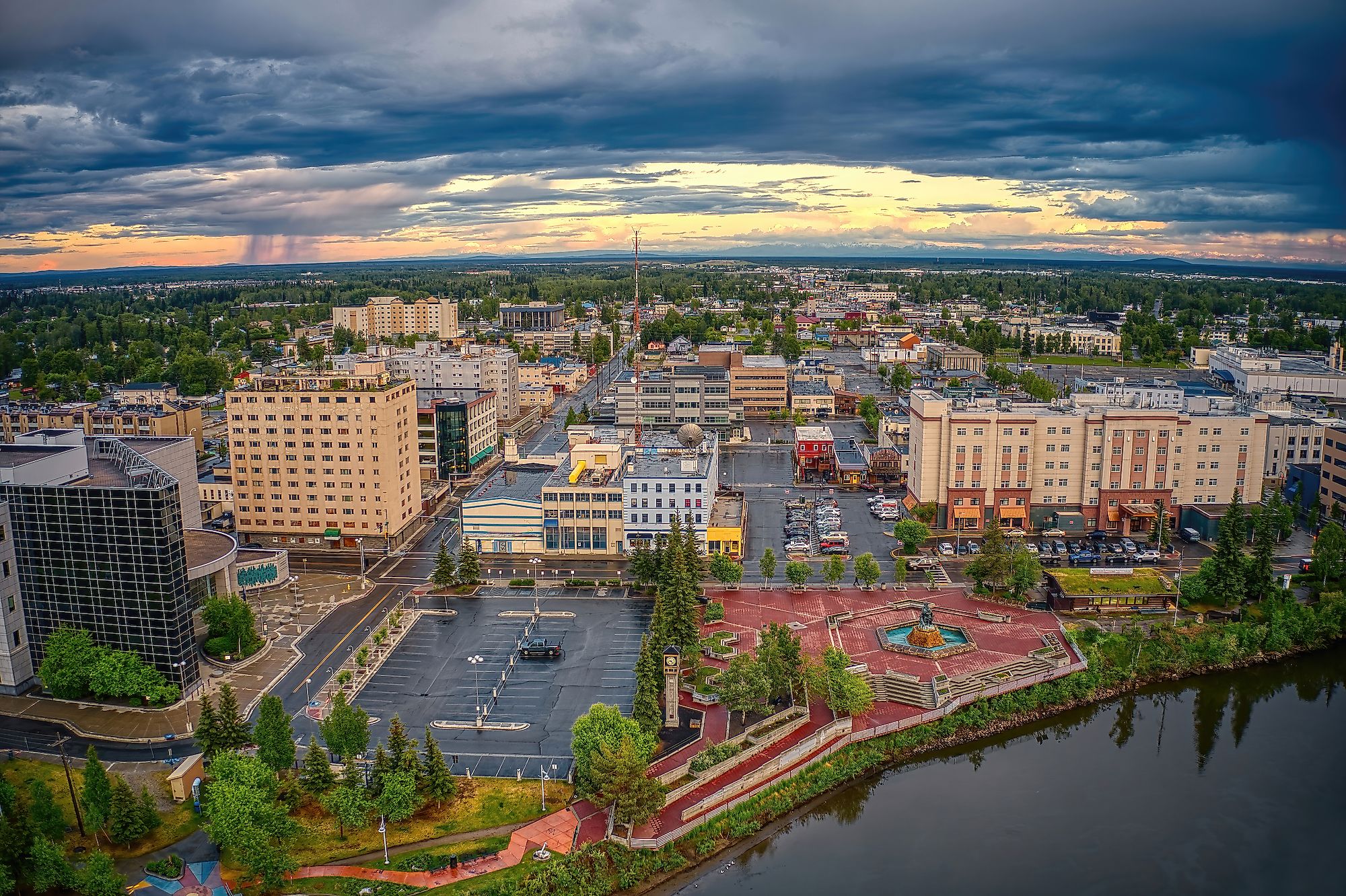
With its core city population remaining relatively small, Fairbanks retains a distinct small-town charm. Streets are rarely gridlocked, parking is generally available, and navigating the downtown area, often along the scenic Chena River, is pleasant and unhurried. For the traveler, this translates to a relaxed pace, where interactions with locals are more personal and less transactional. Yet, despite its modest size, Fairbanks serves as the primary service hub for a vast region of Interior Alaska. This means it offers a surprising array of big-city amenities and services—from diverse dining to specialized gear shops for Arctic adventures—all supported by its regional population. This duality allows travelers to enjoy the ease and friendliness of a smaller community while accessing the resources needed for grand Alaskan explorations, whether it’s a dog sledding expedition or a tour to view the Aurora Borealis.
Seasonal Shifts and Tourist Flows
Fairbanks’s population experiences noticeable seasonal shifts, largely driven by the extreme climate and the rhythms of tourism. In the summer months, the permanent population is augmented by a significant influx of seasonal workers who support the robust tourism industry, as well as a surge of visitors drawn by the midnight sun, fishing, and hiking. This creates a bustling, energetic atmosphere, with more tour operators, restaurants, and attractions operating at full capacity. Winter brings a different dynamic; while visitor numbers remain strong for aurora viewing and winter sports, the local population becomes more concentrated, contributing to a cozy, tight-knit community feel. Understanding these seasonal population flows helps travelers anticipate the level of crowds, the availability of services, and the overall atmosphere during their chosen travel period. For instance, summer visits might require earlier bookings for accommodations and tours due to higher demand, while winter might offer a more intimate experience.
Local Interactions: Authenticity in the Golden Heart City
The size and demographic makeup of Fairbanks foster an environment ripe for authentic local interactions. Unlike sprawling metropolises where individual connections can be rare, the relatively small community allows for more frequent and meaningful engagements. Locals, accustomed to a steady flow of visitors, are often keen to share their love for Alaska and offer insider tips. Whether it’s striking up a conversation with a shop owner on 2nd Avenue, sharing stories with a fellow patron at a local brewery, or engaging with an elder at Pioneer Park, these interactions are a highlight of the Fairbanks experience. The city’s size ensures that cultural events, from the World Eskimo-Indian Olympics to the Yukon Quest dog sled race, are community-wide affairs, offering travelers a chance to immerse themselves truly in Alaskan traditions and spirit.
Planning Your Visit: Leveraging Population Insights for a Better Trip
Considering the population of Fairbanks when planning a trip can significantly enhance the travel experience, allowing for more informed decisions about timing, activities, and engagement with the local scene.
Avoiding Crowds and Finding Solitude
For travelers who prefer a quieter experience, understanding population patterns is key. During peak summer months (June-August), when the population swells with tourists and seasonal workers, popular attractions like the Alaska Railroad tours or Chena Hot Springs Resort can see increased traffic. Visiting during the shoulder seasons (May, September) or the heart of winter can offer a more tranquil encounter with Fairbanks’s natural beauty and cultural sites. Even within peak seasons, knowing the smaller scale of the city means that true solitude is often just a short drive away into the surrounding wilderness, which remains vast and sparsely populated. For example, while downtown might be lively, a quick trip up to a quiet viewpoint for Northern Lights viewing can feel wonderfully secluded.
Engaging with Local Businesses and Culture
The relatively small but diverse population of Fairbanks supports a robust ecosystem of local businesses, from artisan shops to unique eateries. Consciously choosing to support these local establishments not only contributes directly to the community but also provides a more authentic cultural experience. Many local business owners are long-time residents or military veterans who can offer invaluable insights into Fairbanks life, local history, and hidden gems. The small population allows these businesses to thrive on community patronage and personal connection, often resulting in higher quality service and a more personalized experience for visitors. Engaging with local artists, chefs, and guides fosters a deeper appreciation for the resourcefulness and creativity inherent in this remote Alaskan city.

Understanding Service Availability and Timing
Finally, the population size of Fairbanks influences the availability and operating hours of certain services, especially outside of peak tourist season. In a city of its size, some specialized services or smaller establishments might have limited hours, particularly in the quieter winter months, or close entirely if they are purely seasonal. Travelers should research operating hours for attractions, restaurants, and transportation services in advance, particularly if visiting during the off-peak season. However, the resilient nature of the Alaskan population ensures that essential services and many year-round attractions, particularly those catering to local residents as well as tourists, remain operational. The city’s manageable population size means that logistical planning is generally less complex than in larger metropolitan areas, yet mindful preparation ensures a smooth and enjoyable visit to this extraordinary Arctic destination.
LifeOutOfTheBox is a participant in the Amazon Services LLC Associates Program, an affiliate advertising program designed to provide a means for sites to earn advertising fees by advertising and linking to Amazon.com. Amazon, the Amazon logo, AmazonSupply, and the AmazonSupply logo are trademarks of Amazon.com, Inc. or its affiliates. As an Amazon Associate we earn affiliate commissions from qualifying purchases.